Ghana’s Fuel Market Enters Uncharted Territory As COMAC Stakes Its Claim in Price Floor Battle
Ghana’s downstream fuel market has swung from routine pricing cycles into open combat. A near 30 percent slide in pump prices since December has triggered an all-out market share battle among oil marketing companies, pushed petrol into single digits for the first time in years, and exposed deep fault lines over the industry’s price floor policy. At the center of the clash, the Chamber of Oil Marketing Companies steps forward, framing the moment not as a price spectacle, but as a test of how far competition can run before market order begins to fray.
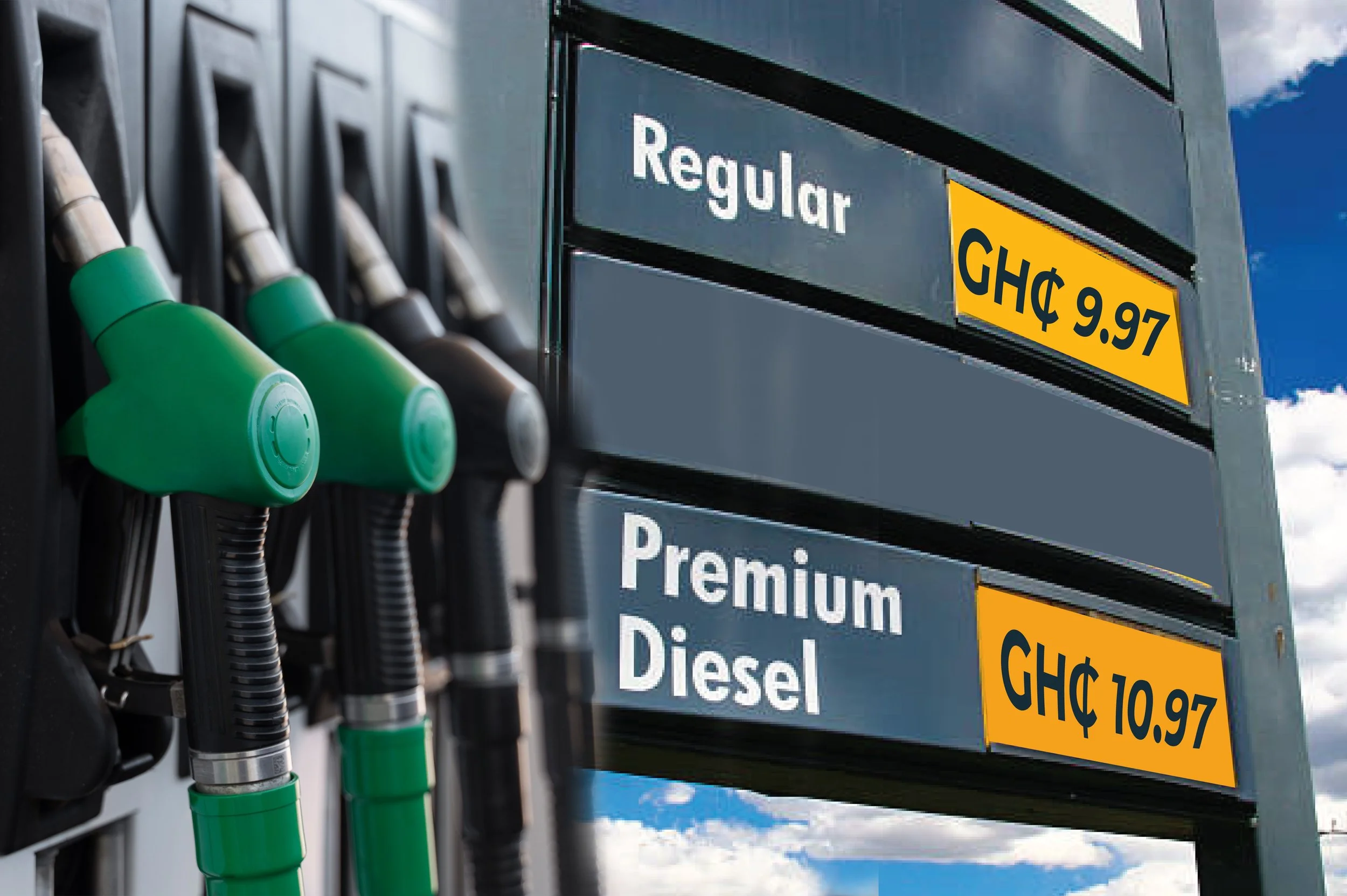
Accra | January 24, 2026 - Since the second pricing window of December 2025, Ghana’s downstream petroleum sector has resembled a coliseum of price slashing and strategic brinkmanship. With pump prices tumbling roughly 30 percent year to date, petrol has dipped into single digits for the first time since 2022, delivering welcome relief at the pumps but igniting fierce competition among oil marketing companies (OMCs).
The opening salvo came on January 16, when Star Oil stunned the market with petrol priced at GH¢ 9.97 per litre at select outlets. Not to be outdone, state-owned GOIL responded with GH¢ 9.99 at selected locations, while Zen Petroleum matched Star Oil’s GH¢ 9.97 across its network by January 20. J.P. Petroleum and other players quickly joined in, and GOIL even sweetened its market share push with free breakfast promotions at selected sites — turning filling stations into battlegrounds of both price and customer experience.
What began at the pumps soon spilled into the digital agora. Social media feeds became theaters for executive duels and full-on meme wars: Star Oil’s CEO, Philip Kwame Tieku, publicly assailed the price floor policy, calling for its abolition on grounds that it stifles competitive pricing and impedes efficient market pricing; in contrast, GOIL’s CEO Edward Abambire Bawa staunchly defended the price floor as a safeguard for market stability and fair play, a view echoed by other industry leaders on social platforms and broadcast interviews.
Amid the commerce-cum-combat, regulators watched closely. The National Petroleum Authority (NPA), charged with overseeing downstream pricing, has consistently rebuffed calls to scrap the price floor, affirming its role in protecting a sector still adapting to deregulation and shielding legitimate operators from ruinous undercutting.

Into this contentious breach stepped the Chamber of Oil Marketing Companies (COMAC). On January 21, the industry body convened an emergency meeting — a gathering initially scheduled before Star Oil’s dramatic withdrawal but now cast against that backdrop of intra-industry tension.
The meeting yielded a firm declaration: COMAC will continue to support the petroleum price floor policy, calling on the NPA to enforce it rigorously to prevent “unhealthy competition” and market distortions. COMAC’s chairman, Gabriel Kumi, emphasized that the policy was not foisted by the sector’s giants but agreed upon through its democratic processes and remains, for now, a cornerstone of industry stability.
Star Oil’s response was swift and symbolic. On the same day as the COMAC meeting, the company announced the indefinite suspension of its membership in the association, citing deep dissatisfaction with how COMAC had handled the price floor debate and communicated divergent views. Star Oil argued that its perspective on scrapping the price floor — which it says would allow faster transmission of global prices and exchange rate movements into local pricing — was insufficiently represented by the Chamber.
The reaction from industry peers and consumer advocates has been mixed. The Chamber of Petroleum Consumers (COPEC) has publicly urged Star Oil to reconsider, suggesting that the company’s position reflects broader concerns about the pricing framework and should not be ostracized. Meanwhile, defenders of the price floor underscore its role in protecting the market’s long-term health and ensuring supply continuity.
Today, COMAC is not simply defending a policy; it is staking a narrative — that order in the downstream sector requires guardrails, not unfettered price gambits. As engagement teams work to bring Star Oil back into the fold, the industry watches whether this episode will recalibrate competition or fracture its collective voice.
