Fuel Prices Drop Three Times Since December — Ghanaians Now Pay Up to 30% Less Than in December 2024
Since December 2025, Ghana has experienced three consecutive rounds of fuel price reductions, delivering welcome relief at the pump. Compared to Christmas 2024 prices, when petrol sold near GH¢14.75–14.99 per litre and diesel around GH¢15.45–15.72 per litre, prices in January 2026 have fallen sharply to GH¢10.56–10.99 for petrol and GH¢11.56–11.96 for diesel — a decrease of up to 30%. This sustained downward trend is reshaping affordability for consumers and businesses alike.
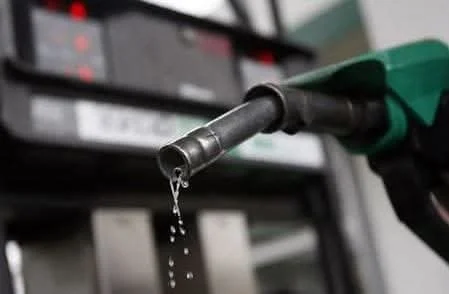
Accra | January 8, 2025 - From the beginning of December 2025 through early January 2026, Ghana’s fuel sector has recorded three distinct and significant rounds of price cuts across major Oil Marketing Companies (OMCs) such as Star Oil, GOIL, Shell, and TotalEnergies.
The first wave of reductions came in the second pricing window of December 2025, as OMCs began aligning prices with easing international refined petroleum costs and improvements in the Ghana cedi’s exchange rate. Petrol and diesel prices fell across the board, marking a turning point after months of price pressure.
This momentum continued with a second wave, effective January 1–2, 2026, when the first pricing window of the new year saw prices decline further. Retailers adjusted their prices downward, reflecting ongoing global price relief and competitive pressures domestically.
A third round of cuts followed shortly after, within the same January pricing window, as market competition intensified. Some retailers pushed prices even lower, with Star Oil’s petrol price dipping to around GH¢10.56 per litre, while GOIL offered petrol at approximately GH¢10.99 per litre.
Significant Year-on-Year Price Relief Compared to Christmas 2024
The cumulative impact of these reductions is striking. At Christmas 2024, petrol prices hovered between GH¢14.75 and GH¢14.99 per litre, while diesel sold for roughly GH¢15.45 to GH¢15.72 per litre. Today, petrol and diesel prices range between GH¢10.56 and GH¢11.96 per litre, representing declines of up to GH¢4 per litre, or approximately 30%.
This decline translates to substantial savings for Ghanaian consumers and businesses — especially in transport, logistics, and other fuel-dependent sectors — easing operational costs and household budgets.
Drivers of the Price Decline
Industry analysts point to a confluence of drivers behind this sustained fuel price relief, beginning with global oil market trends where falling international prices for refined petroleum products have eased supply costs for Ghana’s fuel importers. This is further bolstered by the appreciation of the cedi, which has strengthened against the US dollar over recent months and reduced the foreign exchange burden on those importers. Additionally, heightened competition among the more than 200 active Oil Marketing Companies in Ghana has created significant pricing pressures, incentivizing the successive price cuts seen across the market.
A Market Experiencing Relief
For Ghana’s motorists, transport operators, and everyday consumers, the series of price cuts over the last six weeks brings measurable relief, enabling more affordable travel and logistics.
From a market perspective, the pricing trend signals a more competitive fuel retail environment that may persist as global prices and currency conditions evolve.
