Ghana’s Energy Minister Charts Strategic Course for 2026, With Focus on Petroleum Hub and Sector Transformation
Ghana’s Energy Minister has hit the ground running in 2026, unveiling a robust agenda focused on infrastructure expansion, sector reform, and investor confidence. Central to this vision is the Petroleum Hub Development Corporation, positioned to drive the nation’s energy transformation, enhance regional security, and fuel sustainable economic growth.
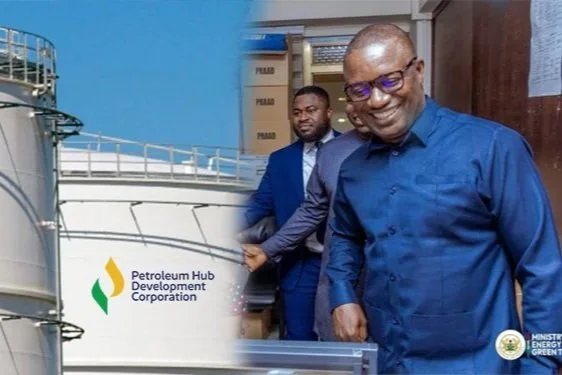
Accra | January 23, 2026 — As Ghana’s energy sector pushes forward from a difficult past, Energy Minister Hon. John Abdulai Jinapor, has laid out a clear, ambitious agenda for 2026, centering on infrastructure expansion, sector reform, and positioning the Petroleum Hub Development Corporation (PHDC) as a linchpin of the country’s energy future.
On January 23, the minister held a comprehensive session with PHDC leadership, reviewing its 2025 performance and setting priorities for the year ahead. The emphasis: accelerating project execution, unlocking new investment opportunities, and reinforcing PHDC’s pivotal role as a catalyst for infrastructure development, private sector engagement, and long-term energy security.
“The Petroleum Hub Development Corporation remains central to our investment drive in the energy sector,” the minister noted. “Our focus is on deepening investor confidence and accelerating projects that will transform our energy landscape, create jobs, and support sustainable economic growth.”
This strategic momentum builds on a series of decisive engagements and achievements early in the year. On January 10, the minister inspected the AKSA Ahwomaso Power Plant, which recently completed its tie-in to the national transmission grid by GRIDCo. The plant is set to add approximately 141 megawatts of generation capacity, bolstering electricity supply especially across Ghana’s middle belt.
“This inspection reaffirms government’s commitment to expanding generation capacity, improving system reliability, and ensuring long-term energy security for Ghana,” he said.
The focus on capacity expansion and system reliability comes in the wake of critical challenges the sector has faced, including the power debt crisis that saw $1.47 billion owed across the distribution chain—a “dark chapter” closed only through recent government intervention, as detailed in PetroPulse’s recent analysis. Addressing such financial and operational bottlenecks remains a top priority.
Further demonstrating hands-on leadership, on January 19, the minister met with Tema Oil Refinery (TOR) management to assess 2025 performance and chart strategic goals for 2026. He praised Managing Director Edmond Kombat, Esq., and his team for their “transformational leadership” in steering TOR through inherited crises and achieving encouraging results in operational efficiency and financial sustainability.
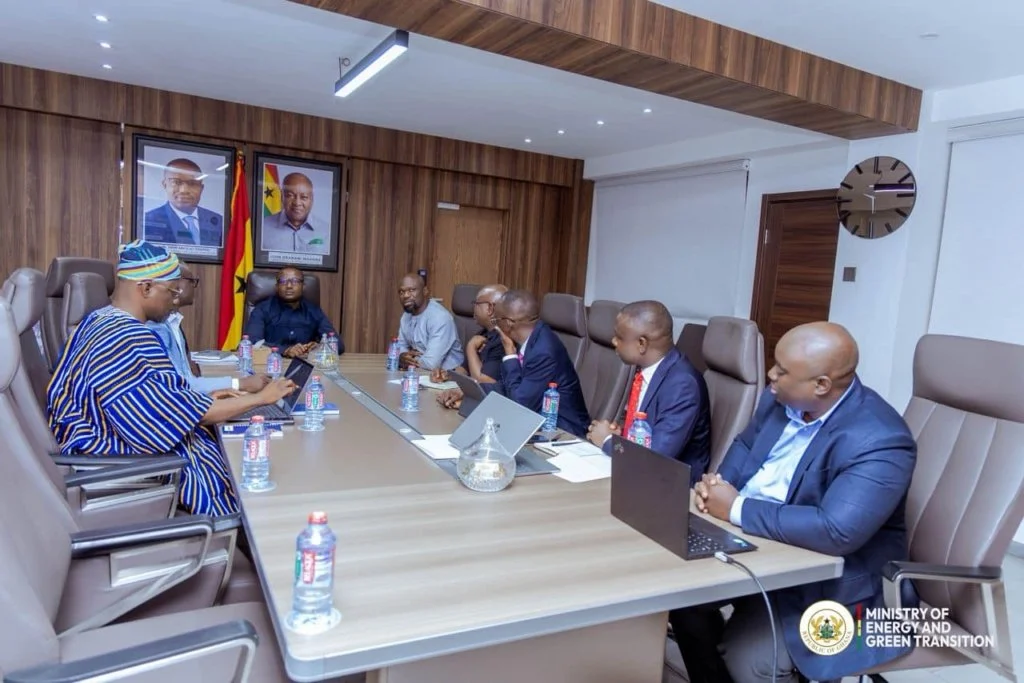
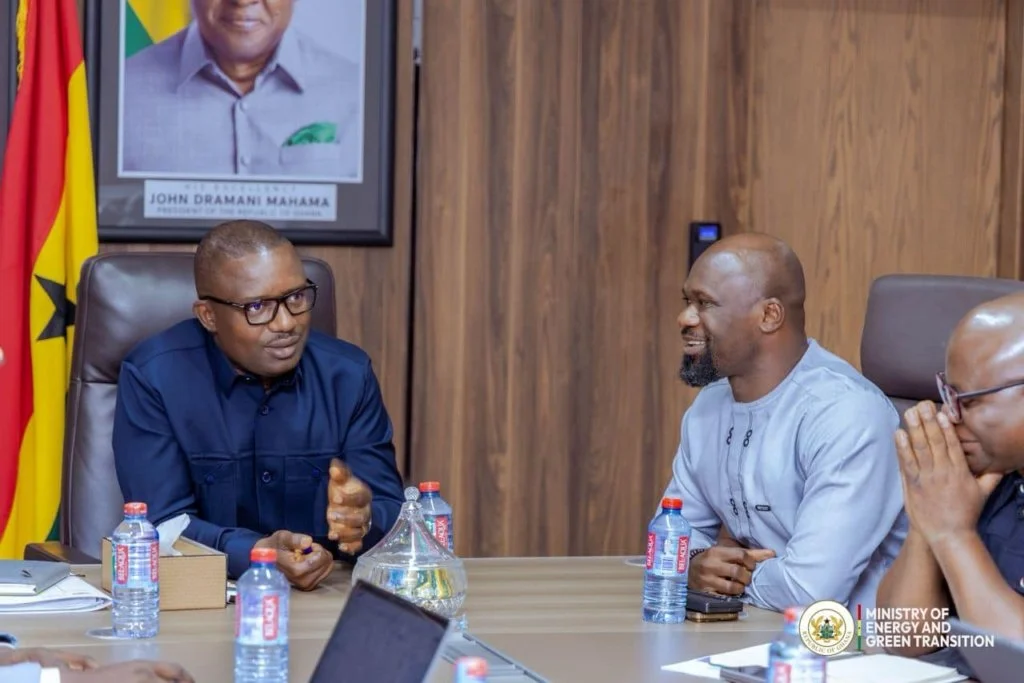
Complementing these efforts, on January 21, the minister engaged with critical stakeholders—including the Trades Union Congress, Public Utilities Workers’ Union, and utility institutions ECG and NEDCo—in a data-driven dialogue focusing on private sector participation and systemic issues in power distribution, particularly billing and collections.
“If not addressed decisively, these challenges threaten the sustainability of the sector,” the minister cautioned, reaffirming the government’s commitment to protecting the power sector and ensuring reliable electricity supply to homes, businesses, and citizens.
That same day, the minister also welcomed representatives from the African Capacity Building Foundation (ACBF), a key institution dedicated to strengthening Africa’s institutional, human, and policy capacities. As a specialized agency of the African Union with over 40 member countries, the ACBF plays a vital role in supporting capacity building across the continent.
Discussions focused on potential collaboration in training, policy formulation, expanding access to electricity, and advancing the energy transition. The minister highlighted the strategic importance of the African School of Regulation (ASR) as a platform to enhance regulatory capacity, promote evidence-based policymaking, and drive sustainable development throughout Africa. He expressed optimism about deepening this partnership to support Africa’s broader development and transformation goals.
On January 22, the minister engaged with the West African Gas Pipeline Company Limited (WAPCo) to review its 2025 performance and strategize for 2026. WAPCo’s strong operational results underscore its critical role in regional energy security. Under Ghana’s Gas-to-Power Policy, natural gas remains vital for power generation, making continued cooperation with WAPCo essential to optimizing capacity and supporting future expansion.
The cumulative effect of these early 2026 initiatives signals a coordinated, pragmatic approach to consolidating recent gains, addressing longstanding challenges, and harnessing Ghana’s strategic energy assets.
With the PHDC at the forefront, the Ministry of Energy and Green Transition aims to stimulate private investment, enhance infrastructure, and secure long-term energy stability—key pillars in Ghana’s broader economic growth and regional energy leadership ambitions.
