PIAC Engages Petroleum Commission on Strategies to Revive Ghana’s Upstream Sector
The Public Interest and Accountability Committee (PIAC) has engaged the Petroleum Commission to discuss recent developments in Ghana’s upstream petroleum sector. The meeting provided a platform for the Committee to seek clarity on declining production, ongoing investment initiatives, and sectoral strategies, reinforcing the importance of transparency, collaboration, and information sharing in supporting a resilient and sustainable upstream industry.
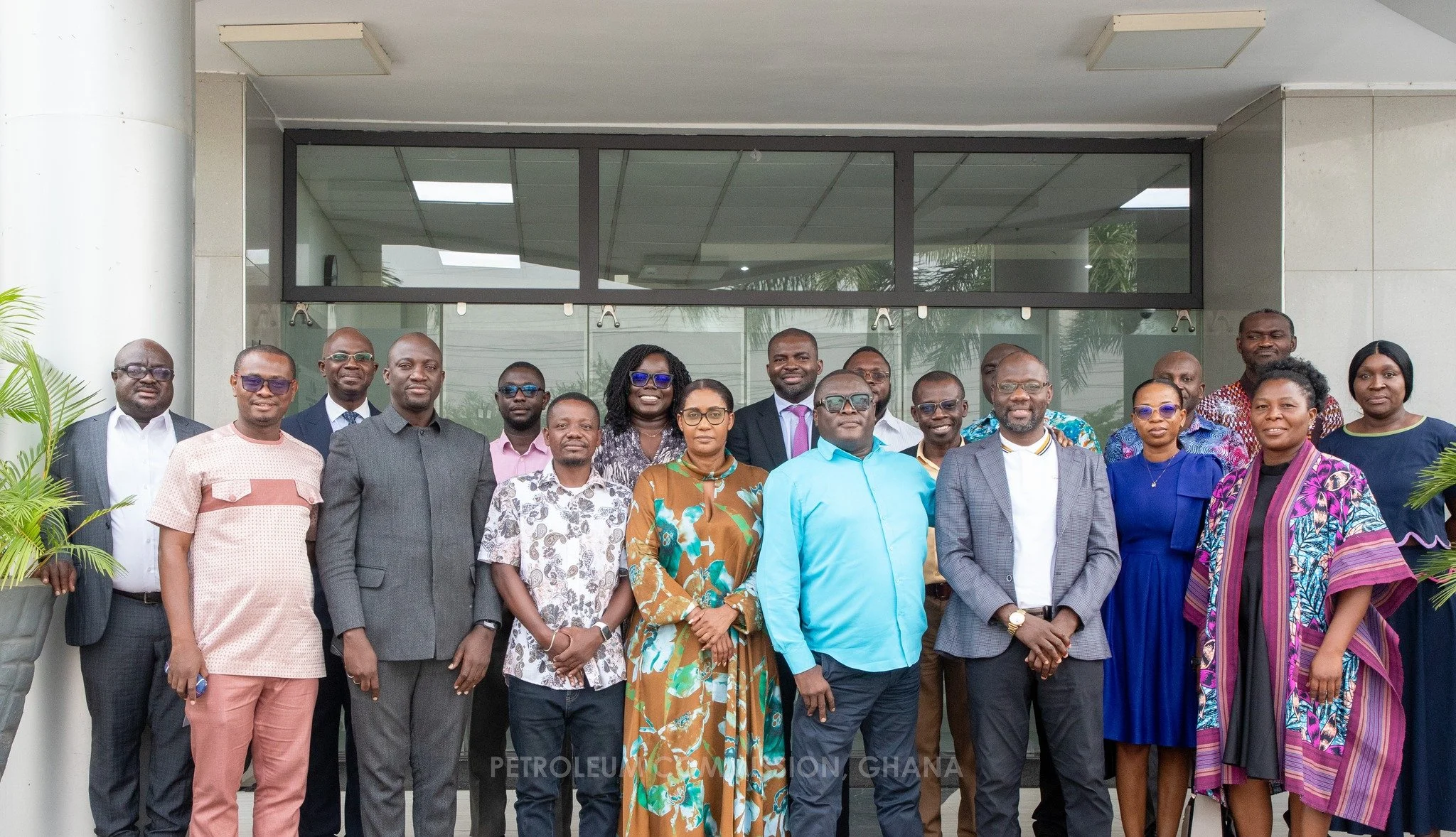
Accra, Ghana | February 21, 2026 - In a high-profile engagement aimed at deepening oversight and collaboration, the Public Interest and Accountability Committee (PIAC) paid a courtesy visit to the Petroleum Commission to deliberate on developments in Ghana’s upstream petroleum sector. Led by PIAC’s newly appointed Chair, Mr. Richard Ellimah, the delegation met with senior officials of the Commission to exchange views on production trends, investment initiatives, and strategies to revitalise the nation’s oil and gas industry.
PIAC emphasised the Petroleum Commission’s centrality to its oversight mandate, noting that years of consistent data sharing had strengthened a collaborative working relationship. This long-standing engagement, the Committee explained, informed its decision to request a formal meeting to review sectoral developments and address emerging concerns. Among the key issues raised was the sustained decline in crude oil production, which PIAC described as worrying and a potential risk to Ghana’s fiscal and energy security.
The Committee sought clarity on the measures being implemented by the Commission to reverse declining output and stimulate growth. PIAC also requested updates on new investments in the sector, with particular attention to the PECAN oil field, a strategically significant offshore asset whose development has been closely monitored since the completion of its development plan in 2023. PIAC recalled its prior engagement in 2024, during which the Commission provided extensive data and insights that informed the Committee’s deliberations on production trends and sector performance.
Responding to the concerns, Mr. Daniel Koranteng, Acting Director of Resource Management at the Petroleum Commission, provided a detailed account of the decline in production, noting that output had fallen by approximately 50 per cent since 2019. He assured PIAC that the Commission is taking deliberate steps to reposition the sector for recovery, including facilitating increased in-field production through strategic partnerships.
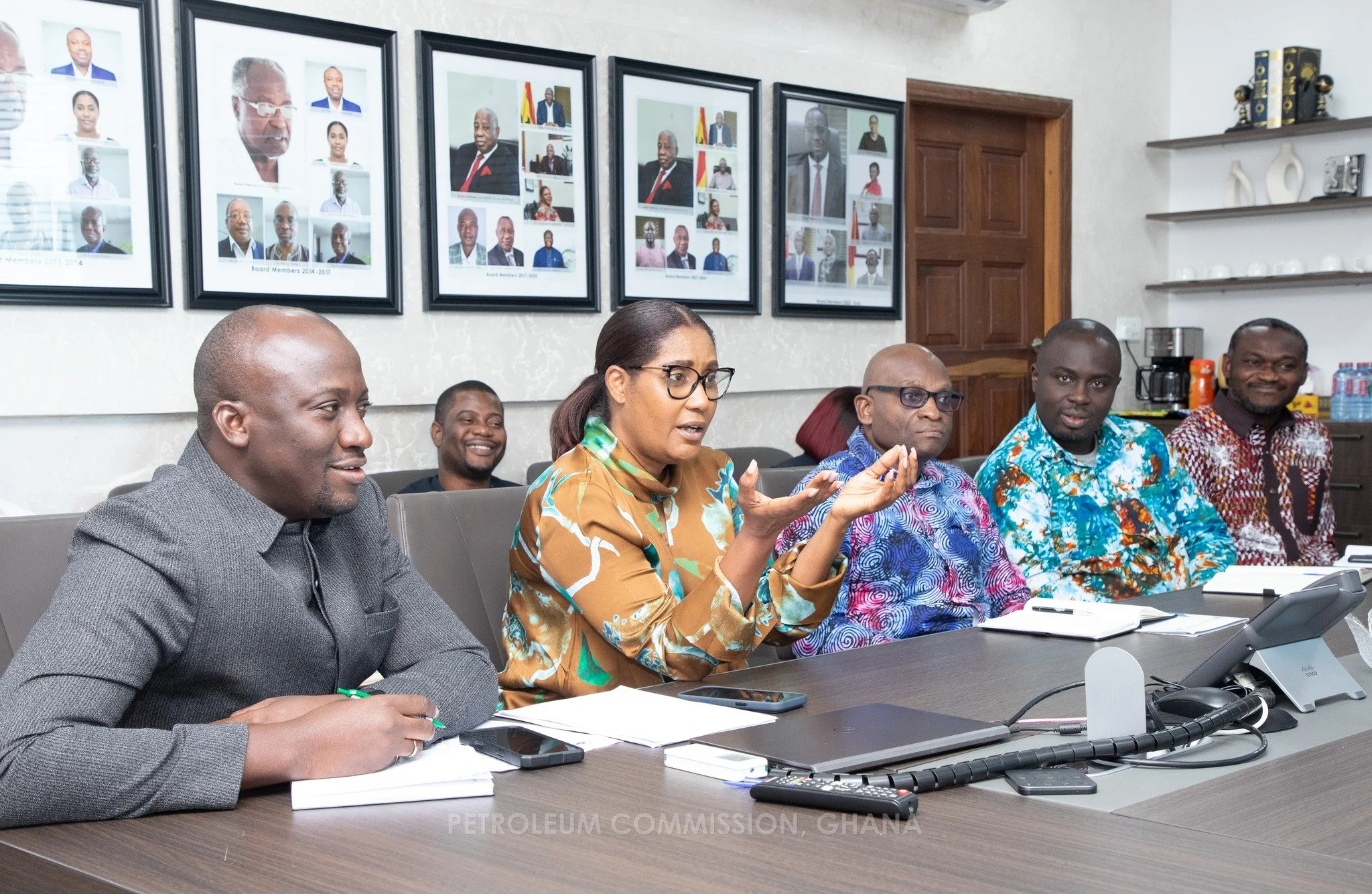
Mr. Koranteng highlighted Memoranda of Understanding (MOUs) recently signed with Tullow Ghana Limited and ENI, designed to accelerate production and attract additional international investors. He noted that these interventions, alongside broader regulatory and operational initiatives, are expected to result in improved production levels from the fourth quarter of 2026 into the first quarter of 2027. The Commission also confirmed ongoing discussions with other international operators to expand exploration and development activity across Ghana’s sedimentary basins.
Welcoming the PIAC delegation, the Chief Executive Officer of the Petroleum Commission, Ms. Emeafa Hardcastle, described the engagement as timely and critical to sectoral transparency. “This engagement is long overdue, and I am pleased that it has finally come to fruition,” Ms. Hardcastle said. She emphasised that PIAC’s oversight role is instrumental in promoting accountability and ensuring that stakeholder interests are integrated into upstream sector management. The CEO reiterated the Commission’s commitment to transparency, consistent stakeholder engagement, and the long-term sustainability of Ghana’s petroleum industry.
Concluding the engagement, both institutions reaffirmed the importance of continuous dialogue and information sharing. PIAC expressed satisfaction with the detailed responses and indicated that the Committee would continue to monitor the sector closely, leveraging the Commission’s data and insights to inform its oversight reports. The Petroleum Commission, in turn, is committed to maintaining open channels for ongoing consultation, reinforcing its position as a responsive regulator and a strategic partner in driving Ghana’s upstream petroleum recovery.
Through this engagement, Ghana’s upstream sector stakeholders demonstrated a shared understanding: revitalising production, attracting investment, and deepening local participation require coordinated action, transparency, and sustained oversight—principles that are now being reinforced through strengthened institutional collaboration between PIAC and the Petroleum Commission.
Broader Context: APD 2026 and SAIPEC 2026 Engagements
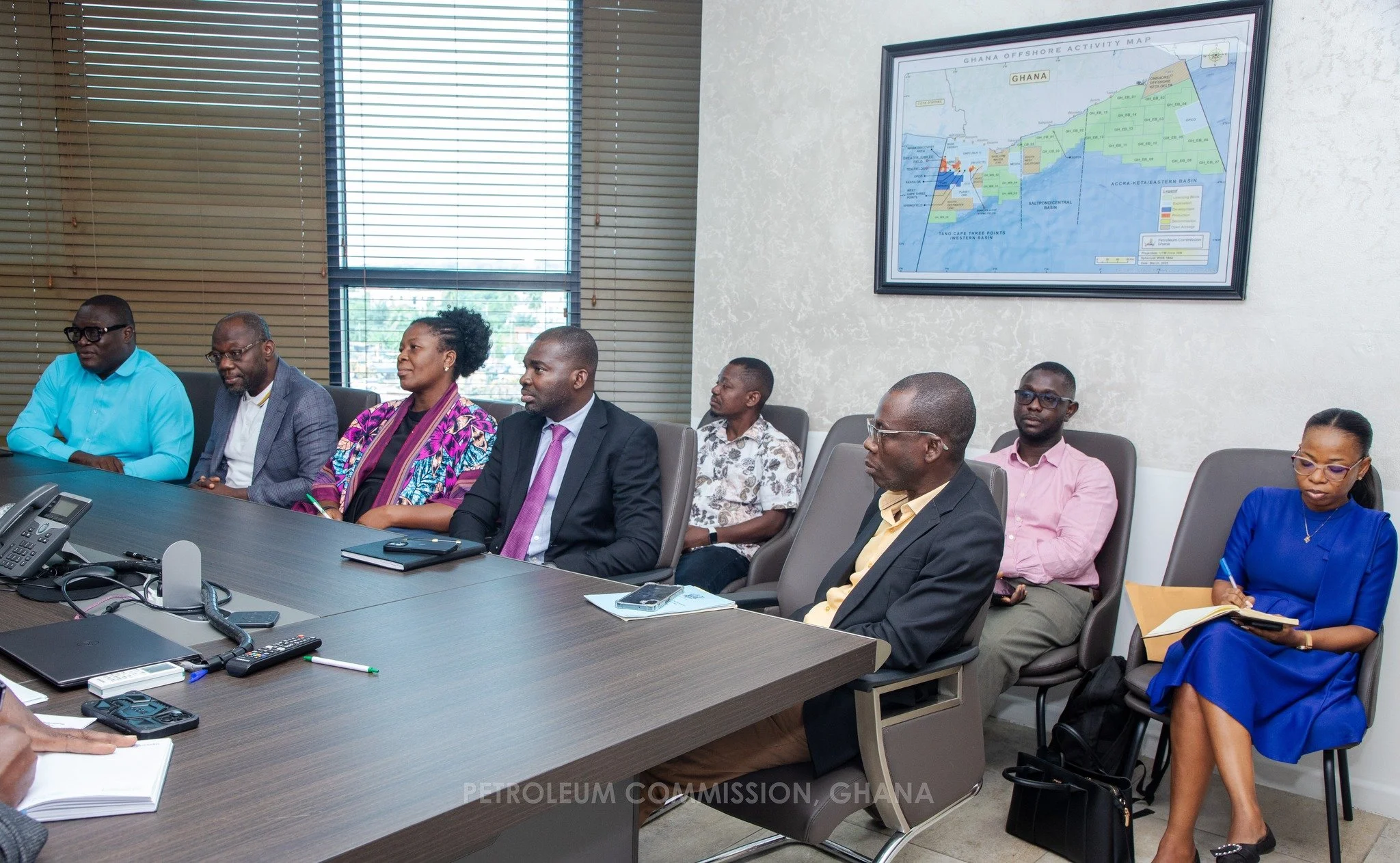
While the PIAC discussions focused on production and investment oversight, they occurred against a backdrop of the Commission’s wider efforts to revitalise Ghana’s upstream sector. The Commission participated in the Africa Prosperity Dialogues (APD 2026) and the Sub-Saharan Africa International Petroleum Exhibition and Conference (SAIPEC 2026). At these forums, it highlighted upstream opportunities, reinforced regulatory stability, and showcased initiatives to attract fresh investment and deepen local participation.
These engagements reflect the Commission’s dual strategy: addressing immediate production challenges through targeted partnerships, while building long-term confidence in Ghana as a stable, transparent, and investment-ready upstream market. The PIAC visit, in this context, reinforces the Commission’s commitment to accountability, transparency, and collaborative problem-solving as pillars of sector recovery.
