
Parliament’s Energy Committee Tours BOST’s Accra Plains Depot as Oversight Meets the Mechanics of Fuel Security
As Ghana sharpens its focus on energy security, the Parliamentary Select Committee on Energy has taken its oversight mandate into the heart of the country’s fuel logistics system, touring BOST Energies’ Accra Plains Depot (APD). The visit—anchored in briefings on the company’s 2026 strategic plan and a detailed facility walkthrough—offered lawmakers a direct view into the infrastructure that keeps petroleum flowing into Greater Accra and beyond. It also placed under quiet but firm scrutiny the systems that must hold steady in an era of rising demand, tightening margins, and heightened expectations for transparency across the downstream sector.
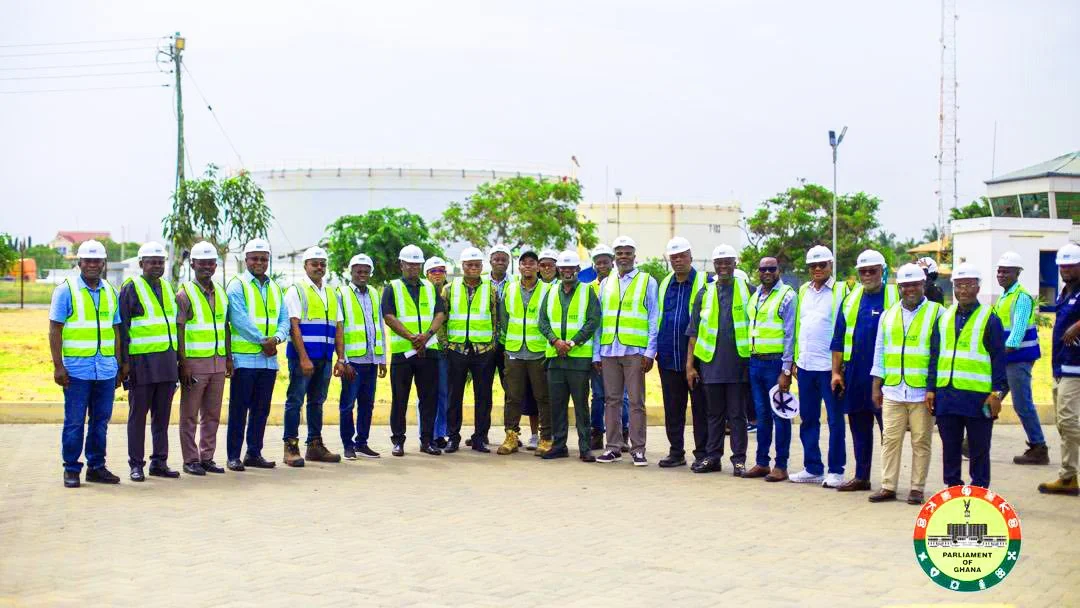
Accra, Ghana | April 23, 2026 - At the intersection of oversight and operational reality, Ghana’s Parliamentary Select Committee on Energy has visited the Accra Plains Depot (APD) of BOST Energies, underscoring a widening institutional focus on the country’s fuel security architecture and the state-owned storage network that underpins it.
The visit, undertaken as part of the Committee’s constitutional oversight mandate over the energy sector, placed lawmakers at the heart of one of Ghana’s most strategically significant petroleum nodes—APD, a facility that quietly anchors supply flows into Greater Accra and beyond.
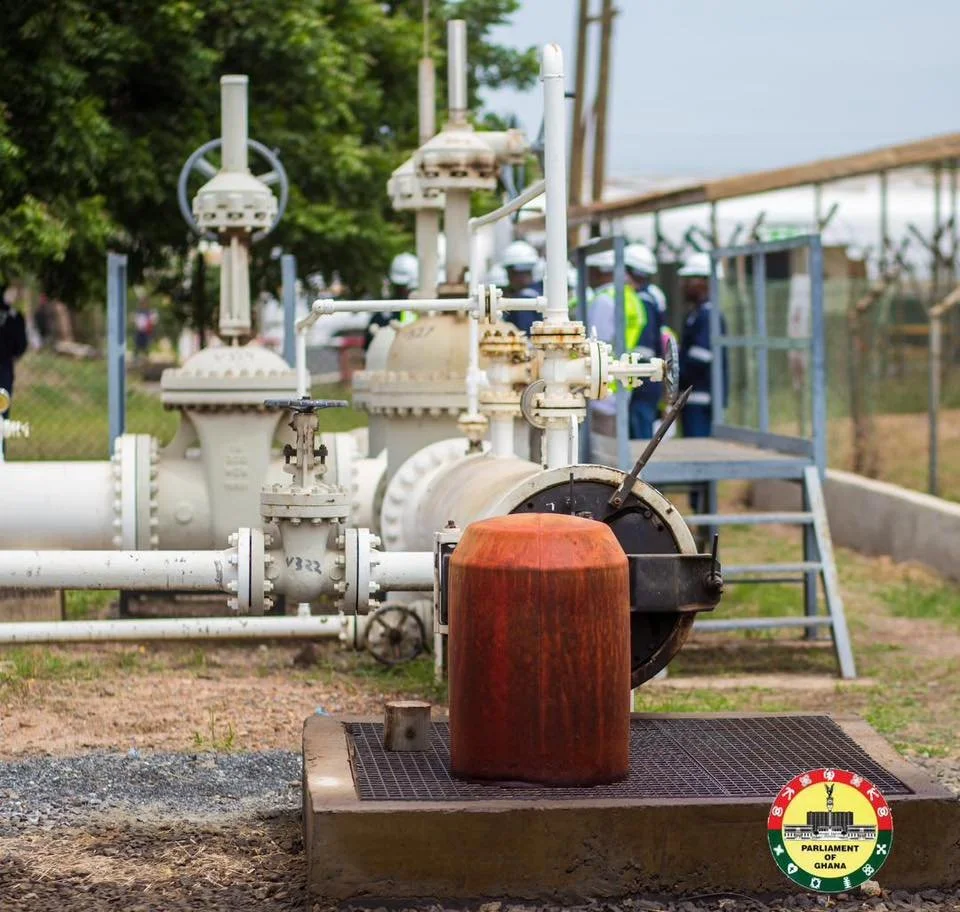
Led by Managing Director Afetsi Awoonor and Deputy Managing Director Nat Salifu Acheampong, BOST Energies used the engagement to walk the Committee through its 2026 strategic work plan and provide operational updates, before guiding members on a full tour of the depot’s infrastructure and control systems.
Oversight in motion: Parliament’s constitutional brief meets operational ground truth
The Parliamentary Select Committee on Energy sits at the apex of legislative scrutiny over Ghana’s energy ecosystem. The Committee, consisting of a Chairperson, Ranking Member, Vice Chairperson, Deputy Ranking Member, and up to fifteen other Members, is responsible for matters pertaining to energy. Its jurisdiction encompasses investigating and inquiring into the activities and administration of ministries, departments, and agencies within its purview, including the examination of legislative proposals, while also receiving referrals on energy-related matters.
In practice, that remit increasingly translates into field engagements such as the APD visit, where policy, performance, and infrastructure converge in real time.
Against a backdrop of persistent global energy volatility and domestic demand pressures, such inspections are becoming less ceremonial and more diagnostic in character, offering a direct line of sight into whether Ghana’s downstream infrastructure can sustain reliability under stress.
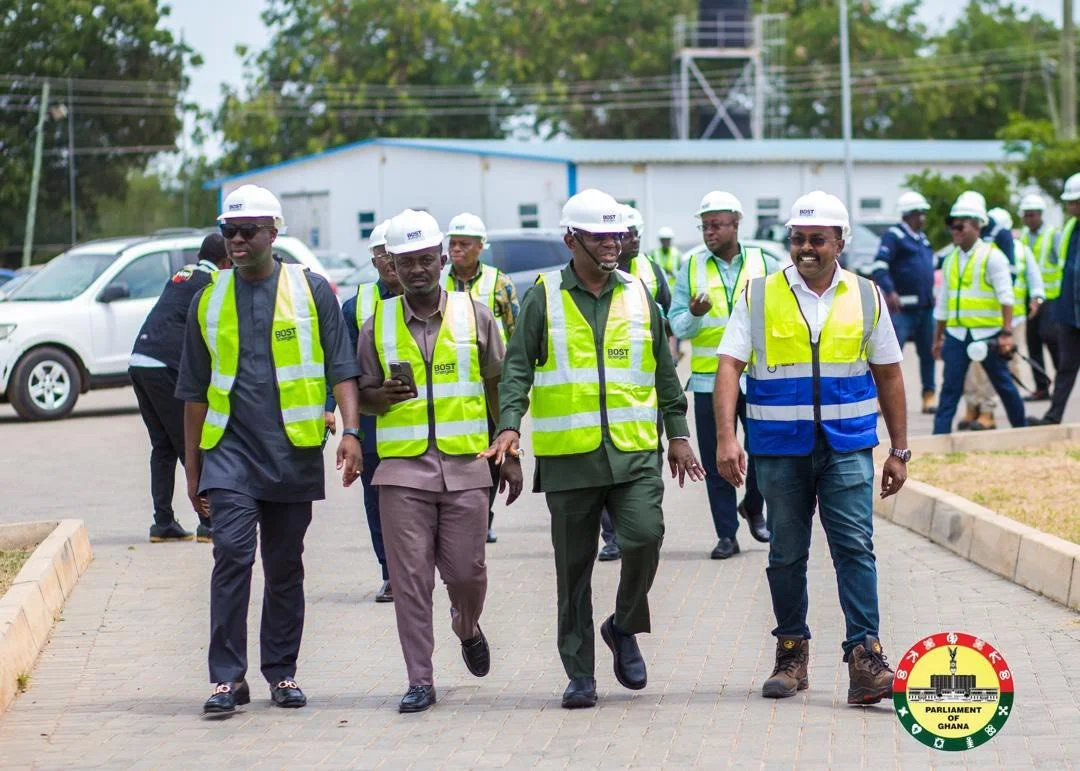
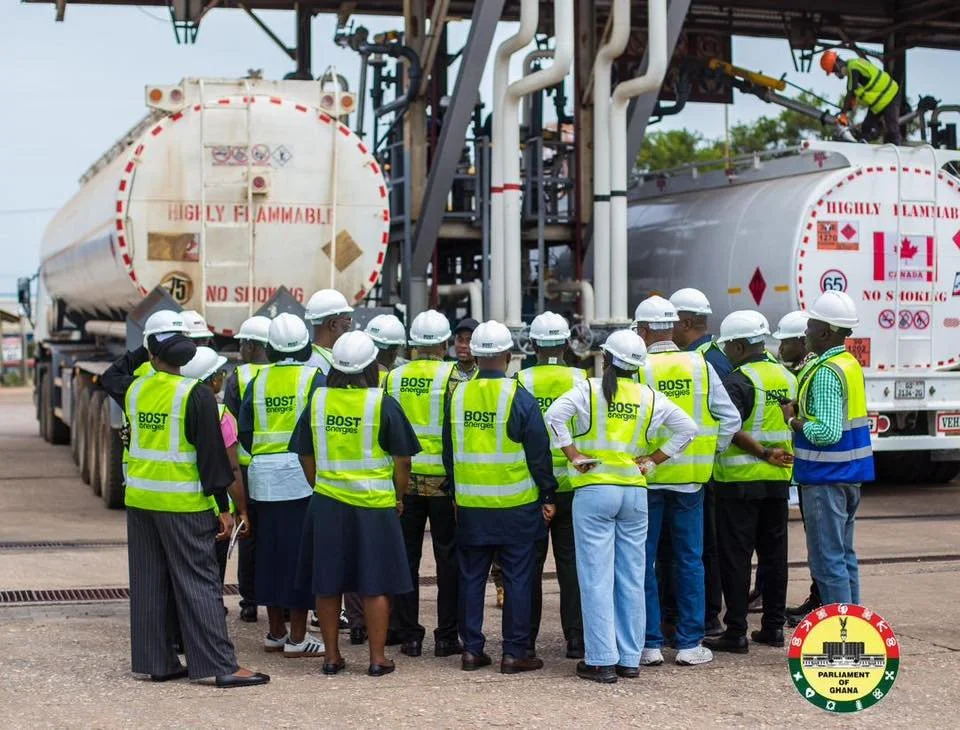
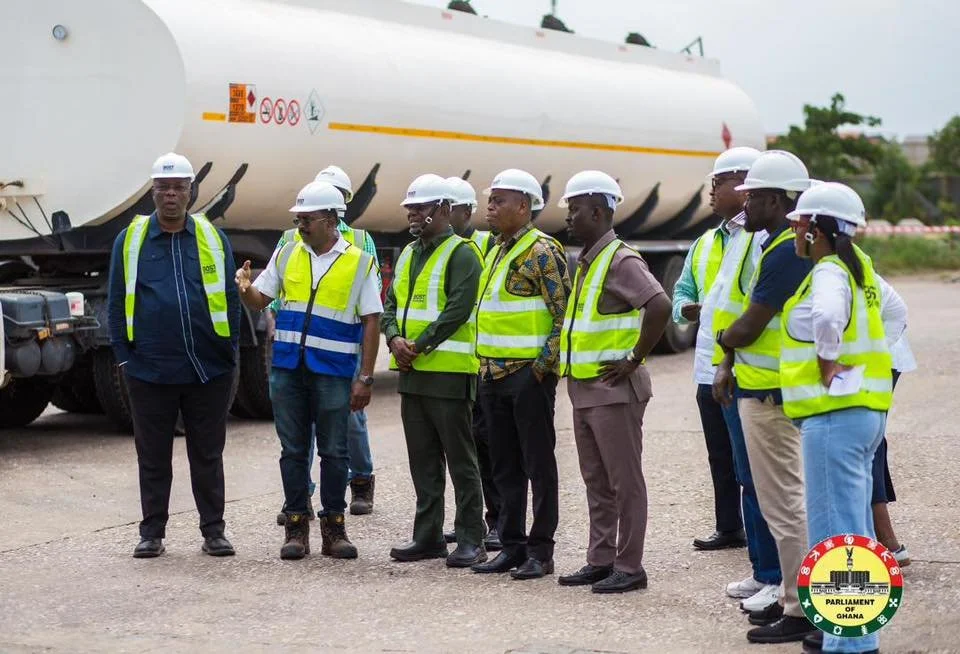
Inside APD: the logistical nerve centre of the south-eastern corridor
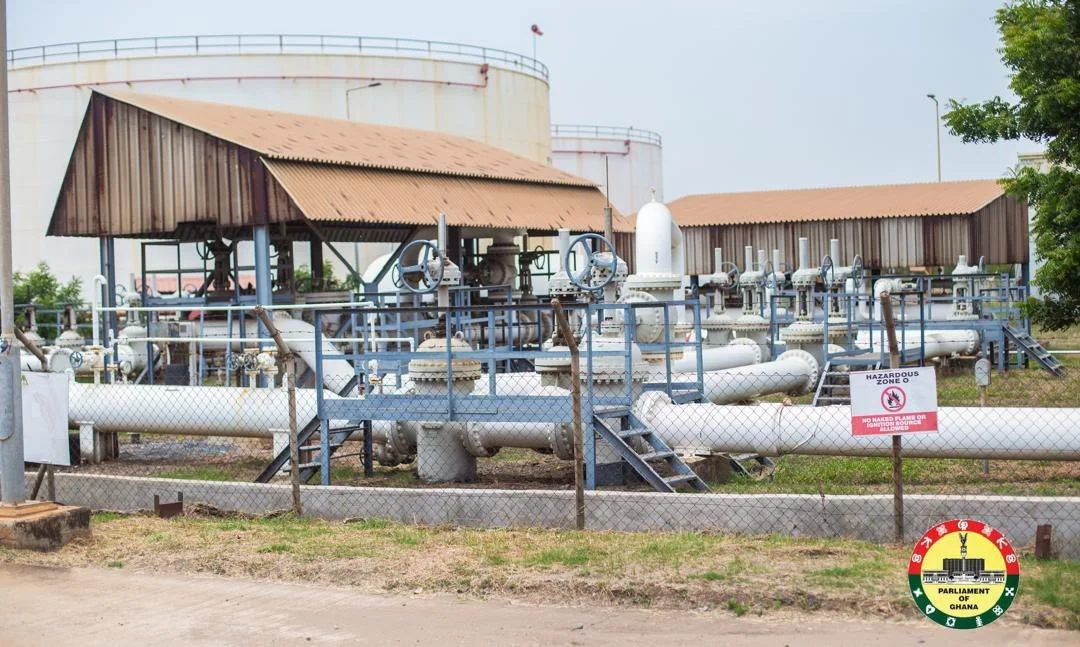
The Accra Plains Depot is not a peripheral installation. It is one of the principal arteries in BOST Energies’ nationwide storage and distribution system.
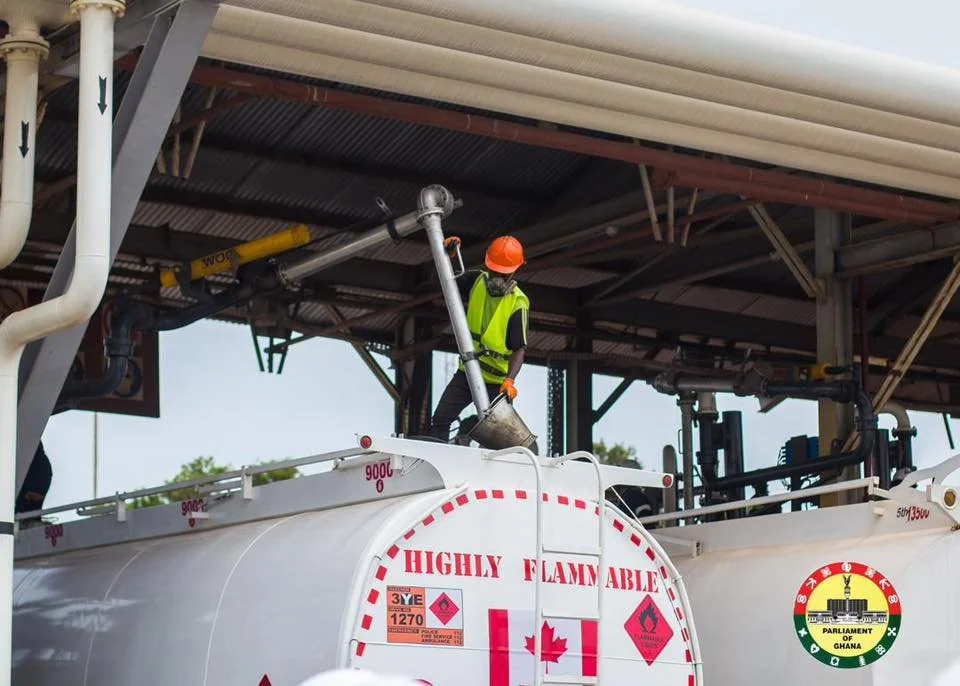
According to BOST Energies’ published infrastructure profile, the APD is designed with a total storage capacity of 209,250 million litres. Its core activities span vessel receipts, inter-depot transfers, market loading, and pipeline transitions—functions that place it squarely within Ghana’s fuel balancing mechanism.
Structurally, the depot comprises eight Automotive Gas Oil (diesel) tanks and seven Premium Motor Spirit (petrol) tanks, enabling parallel handling of the country’s two dominant refined product streams.
Its service footprint extends beyond the capital, supplying the Greater Accra Region while also feeding parts of the Volta and Eastern regions, effectively positioning it as a regional redistribution hub within the national downstream grid.
The wider system: depots as the backbone of national energy security
APD is one node in a deliberately distributed system. BOST Energies operates a network of strategically positioned depots designed to reduce regional imbalances and strengthen resilience across Ghana’s fuel supply chain.
The current network includes the Accra Plains Depot (APD), Buipe Depot, Kumasi Depot, Akosombo Depot, Bolgatanga Depot, Mami Water Depot, and the Savelugu Booster Station.
Collectively, these facilities form the backbone of national petroleum storage and distribution, optimising coverage, reducing delivery lag, and reinforcing energy security across geographically diverse demand centres.
Strategic signalling: transparency as operational posture
For BOST Energies, the Committee’s visit was more than procedural oversight. It functioned as a live demonstration of its operational posture going into 2026, anchored on transparency, accountability, and infrastructure reliability.
Management framed the engagement within a broader strategic intent: aligning depot operations with long-term national energy security objectives while improving system visibility for policymakers.
In effect, the APD tour placed Parliament not just as a reviewer of policy, but as a direct observer of the logistical machinery that translates energy strategy into physical supply.
The underlying question
Beyond the formalities of briefing sessions and guided walkthroughs, the visit crystallised a familiar but increasingly urgent question in Ghana’s energy discourse: whether the country’s downstream infrastructure is evolving quickly enough to match demand complexity, supply uncertainty, and regional growth.
At Accra Plains Depot, that question is no longer abstract. It is measured in tank capacity, vessel turnaround times, pipeline flows, and the institutional scrutiny now increasingly trained on them.
