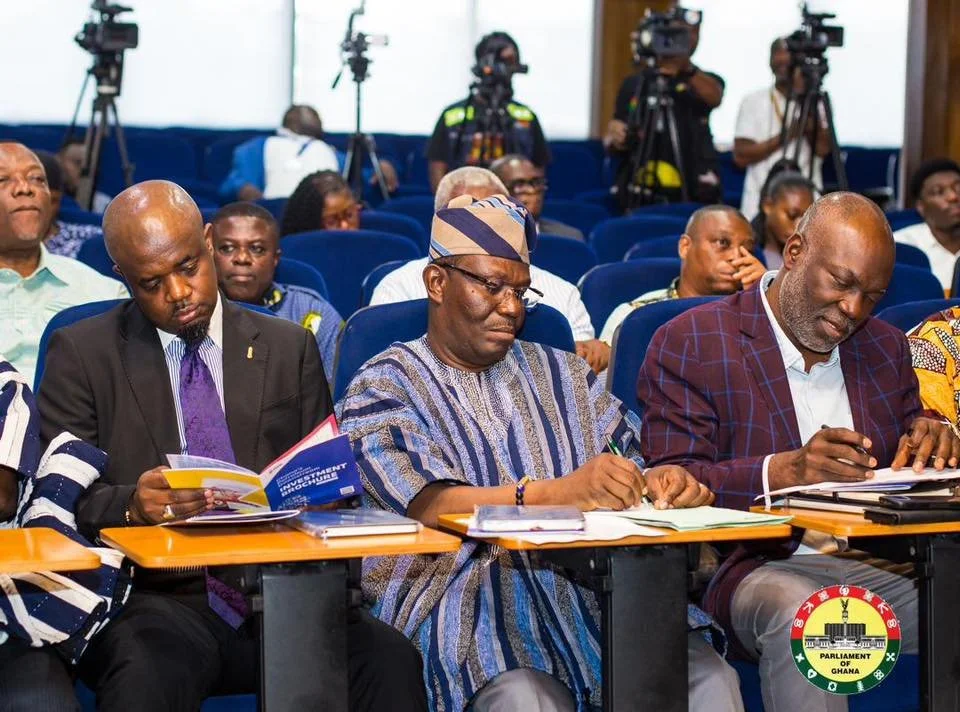
Parliament Trains Spotlight on Downstream Regulator, Pays A Working Visit to the NPA
Ghana’s energy watchdogs are moving in sequence—and closing in on the system’s pressure points. From storage terminals to power plants and LPG infrastructure, the Parliamentary Select Committee on Energy has traced the full arc of the value chain. Its latest stop at the National Petroleum Authority brings the focus to regulation itself—where questions of fuel security, price stability, and a fast-tracked petroleum bill now converge under intensifying global risk.
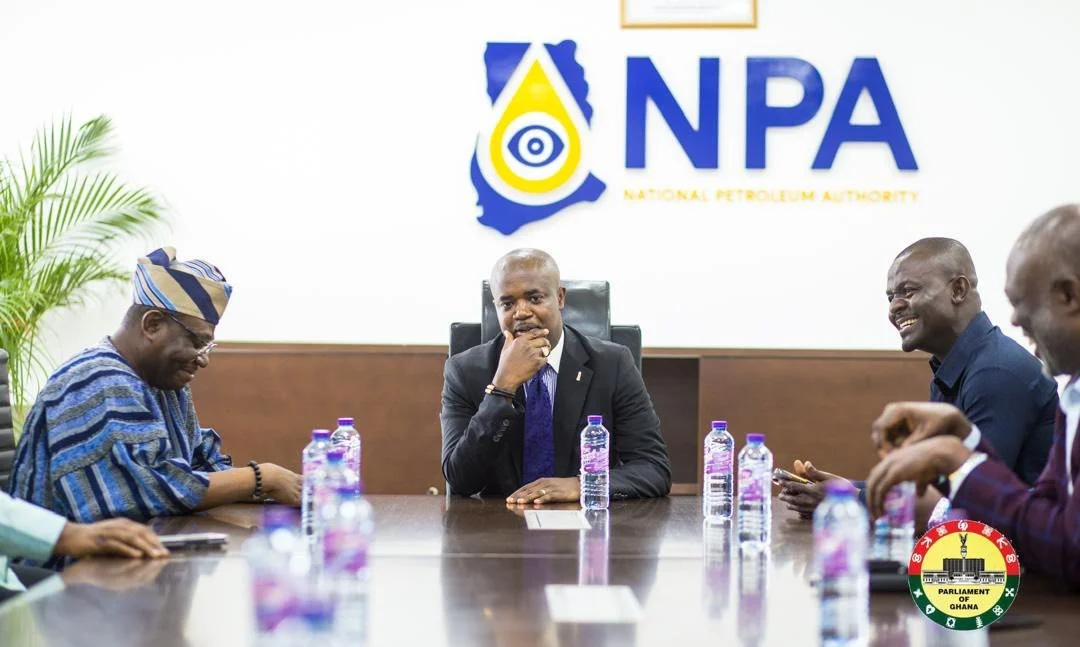
Accra, Ghana | April 24, 2026 — The oversight arc is tightening—and the Parliamentary Select Committee on Energy is methodically tracing Ghana’s energy value chain from storage to regulation, with implications now converging on policy, pricing, and supply security. The Parliamentary Select Committee on Energy has deepened its sector-wide oversight with a working visit to the National Petroleum Authority (NPA), as part of efforts to familiarise members with the Authority’s operations and assess how Parliament can better support its mandate.
Chairman of the Committee, Emmanuel Kwasi Bedzrah, indicated that the engagement was anchored in Parliament’s responsibility to examine the activities of agencies within the energy sector, with particular attention to the NPA’s role in regulating Ghana’s downstream petroleum industry.
A central line of inquiry was the country’s petroleum stock position—specifically, whether existing reserves are sufficient to meet demand under potential supply disruptions. Bedzrah pointed to rising geopolitical tensions, including the ongoing US–Iran conflict, as risk factors that could affect both the availability and pricing of petroleum products in Ghana.
The Committee also signalled its intention to engage the Authority on a proposed petroleum bill currently under consideration. A draft of the legislation is expected to be reviewed, with the possibility of being presented to Parliament under a certificate of urgency.
Oversight Scope and Institutional Engagement
The visit formed part of the Committee’s constitutional mandate to inquire into the operations of public institutions under its jurisdiction. At the NPA, this extended to examining regulatory processes, licensing systems, quality assurance mechanisms, price administration, health and safety standards, and consumer protection frameworks.
The Committee commended the Authority for its openness and continued engagement with Parliament, noting that such interactions are essential for effective oversight and institutional responsiveness.
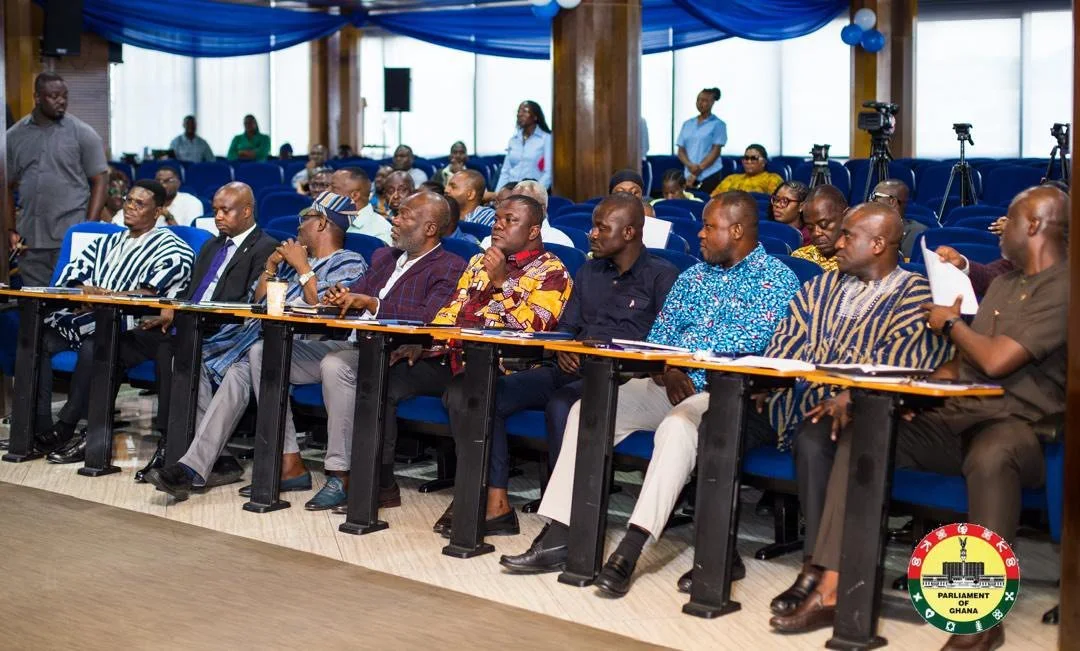
Proceedings included a series of technical presentations by the Authority’s directors, providing detailed insight into the systems and processes underpinning downstream petroleum regulation.
Chief Executive of the NPA, Godwin Kudzo Tameklo, emphasised the sector’s centrality to the economy, stating that “Everything in our daily lives is connected to the petroleum downstream.” He referenced the NPA Act of 2005 as the legal basis for the Authority’s regulatory role across the downstream value chain.
Compliance, Licensing and Market Oversight
The NPA outlined its enforcement approach, stressing that compliance with licensing requirements remains mandatory across all downstream activities. This includes areas such as bunkering, refinery establishment, and the construction and operation of filling stations.
“Operating without a licence is a clear violation of the law, and the Authority is committed to enforcing regulations with consistency, integrity, and fairness,” Tameklo stated.
To support compliance, the Authority continues to deploy the Fuel Marking Scheme to detect and prevent adulteration, alongside routine and unannounced inspections of retail outlets and continuous monitoring of product quality across the supply chain.
Pricing Policy and Consumer Protection
On pricing, the Uniform Petroleum Pricing Policy remains a key mechanism for ensuring nationwide price stability. By absorbing the higher cost of transporting fuel to northern parts of the country within a single national pricing structure, the policy prevents regional disparities and promotes equitable access.
Consumer protection and fuel quality assurance were highlighted as ongoing priorities, with regulatory systems designed to safeguard standards and maintain public confidence in the downstream market.
Legislative Engagement in View
Beyond operational oversight, the Committee’s engagement with the NPA is expected to feed into ongoing legislative processes. The proposed petroleum bill under discussion is intended to respond to changes within the industry and strengthen the regulatory framework governing downstream activities.
The Committee’s involvement at this stage suggests a more iterative approach to lawmaking, with technical input from regulators informing parliamentary review.

A Sequenced Oversight Trail Across the Sector
The NPA visit forms part of a series of engagements by the Committee across key institutions in Ghana’s energy value chain, reflecting a structured approach to oversight.
The Committee undertook a working visit to BOST Energies, where discussions focused on the country’s preparedness to withstand global energy challenges and the strategic role of storage infrastructure.
The Committee also visited the Sunon Asogli Power Plant as part of its engagement with power generation assets within the electricity supply chain.
GCMC: Operations, Safety and Capacity Expansion
Attention then shifted to the Ghana Cylinder Manufacturing Company (GCMC), where the Committee assessed operations, safety systems, and the implementation of the Cylinder Recirculation Model (CRM).
During the visit, members observed ongoing production processes, including the inspection, testing, and refurbishment of LPG cylinders. Management disclosed that between 30 percent and 45 percent of recalled cylinders are deemed unfit for revalidation, underscoring safety challenges within the LPG segment.
Operational performance, however, has improved. GCMC refurbished more than 57,000 cylinders in 2025, compared to approximately 6,700 in 2024, and is projecting further scale-up by the end of 2026. The company has also secured export contracts within the West African market and currently holds an estimated 30 percent share of the domestic market.
The Committee indicated that it would submit recommendations to the Ministry of Finance to support funding approvals aimed at retooling and modernising the facility.

From Site Visits to System Outcomes
Taken together, the Committee’s engagements outline a full-spectrum review of Ghana’s energy architecture—from storage and generation to manufacturing and regulation.
This aligns with the Committee’s mandate to investigate, monitor, and evaluate the activities of sector institutions while examining legislative proposals relevant to energy governance.
The effectiveness of this oversight cycle will ultimately depend on the translation of these engagements into policy action—particularly in advancing legislative reforms, addressing operational constraints, and strengthening regulatory enforcement across the sector.