
Ghana’s Energy Commission Deepens Global Alliances as Investment, Regulation and Renewables Converge
A rapid sequence of engagements across Washington, Kampala and Accra is recasting Ghana’s energy playbook, as the Energy Commission moves to align international capital, regulatory cooperation and domestic execution. From courting U.S. investors at the Powering Africa Summit, to advancing regulatory convergence with Uganda, and confronting implementation bottlenecks with Swiss partners, the engagements reveal a system under pressure to deliver—where the credibility of Ghana’s energy transition now hinges less on ambition and more on execution.
Accra, Ghana | April 24, 2026 - Over the past month, Ghana’s Energy Commission has engaged in a sequence of international partnerships that, taken together, signal a more integrated approach to energy sector reform—one that connects external financing, regulatory alignment and domestic implementation.
The engagements, spanning Washington, Kampala and Accra, reflect a system-wide push to address long-standing constraints in investment mobilisation, grid governance and renewable deployment.
Washington: Reframing the Investment Conversation
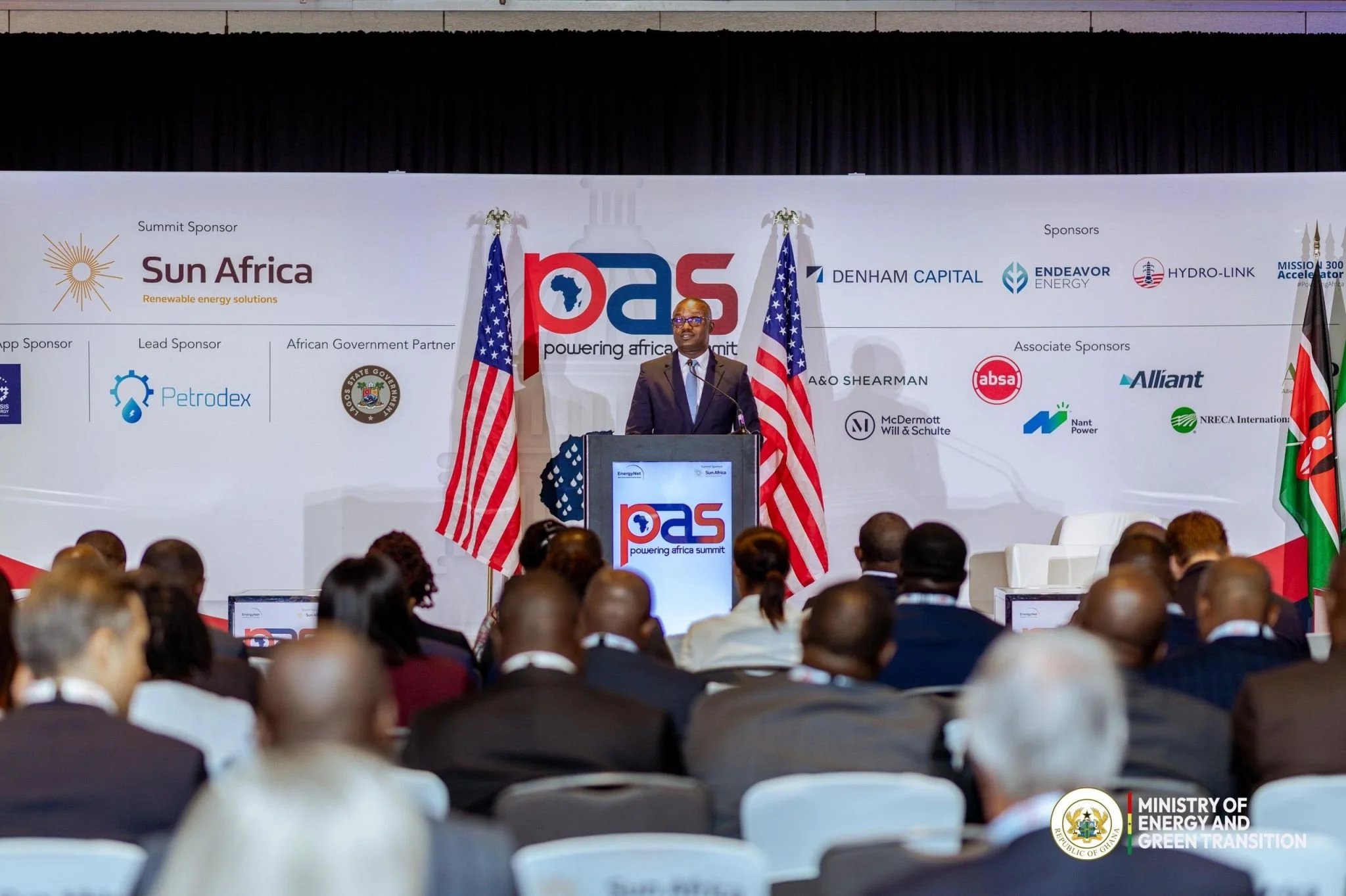
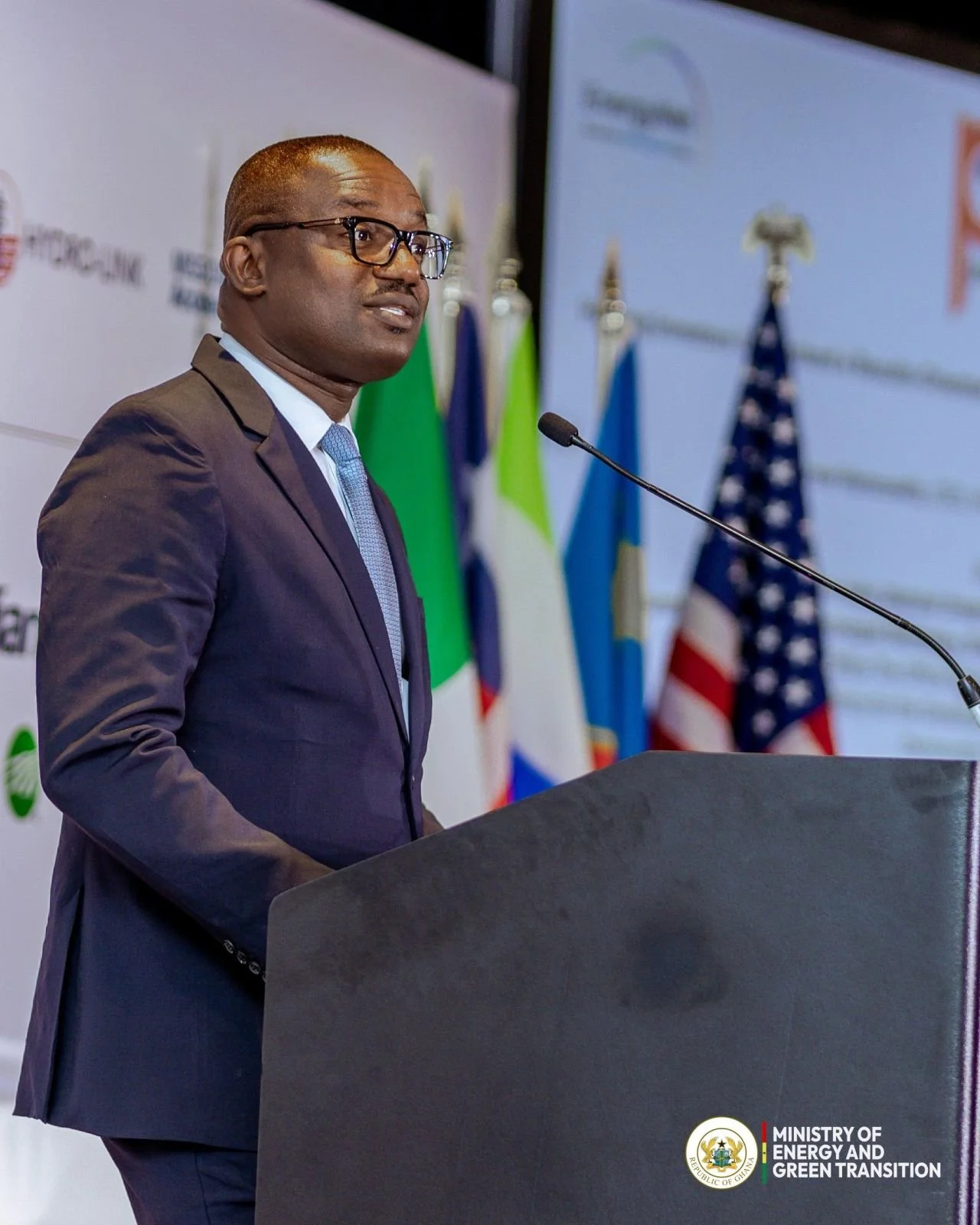
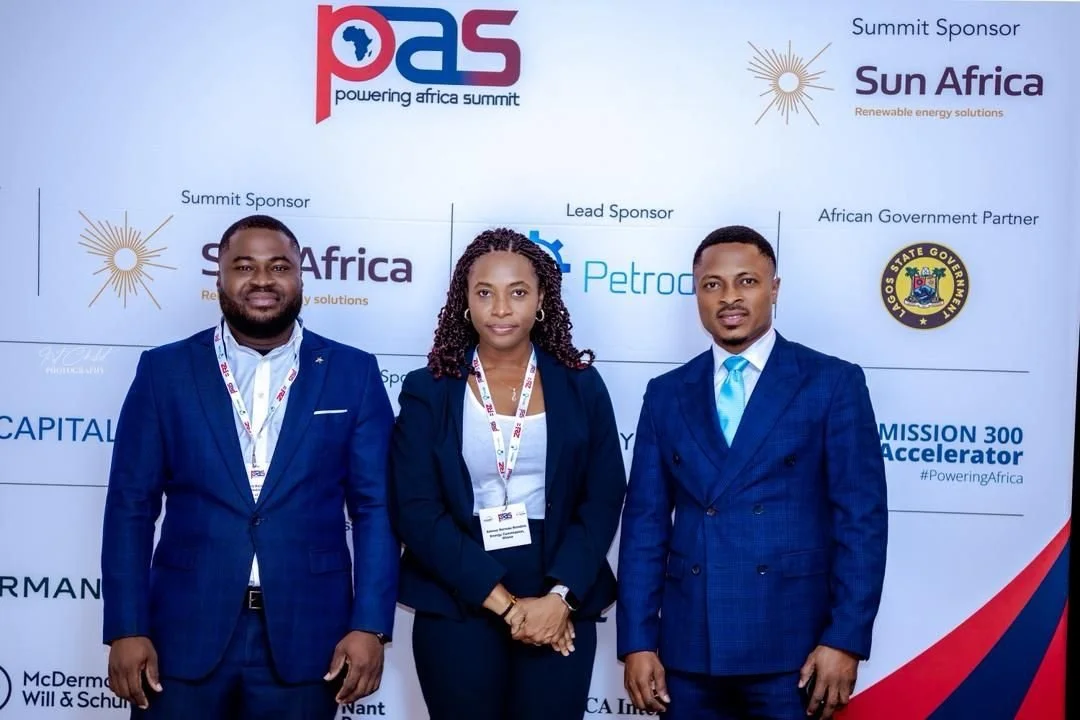
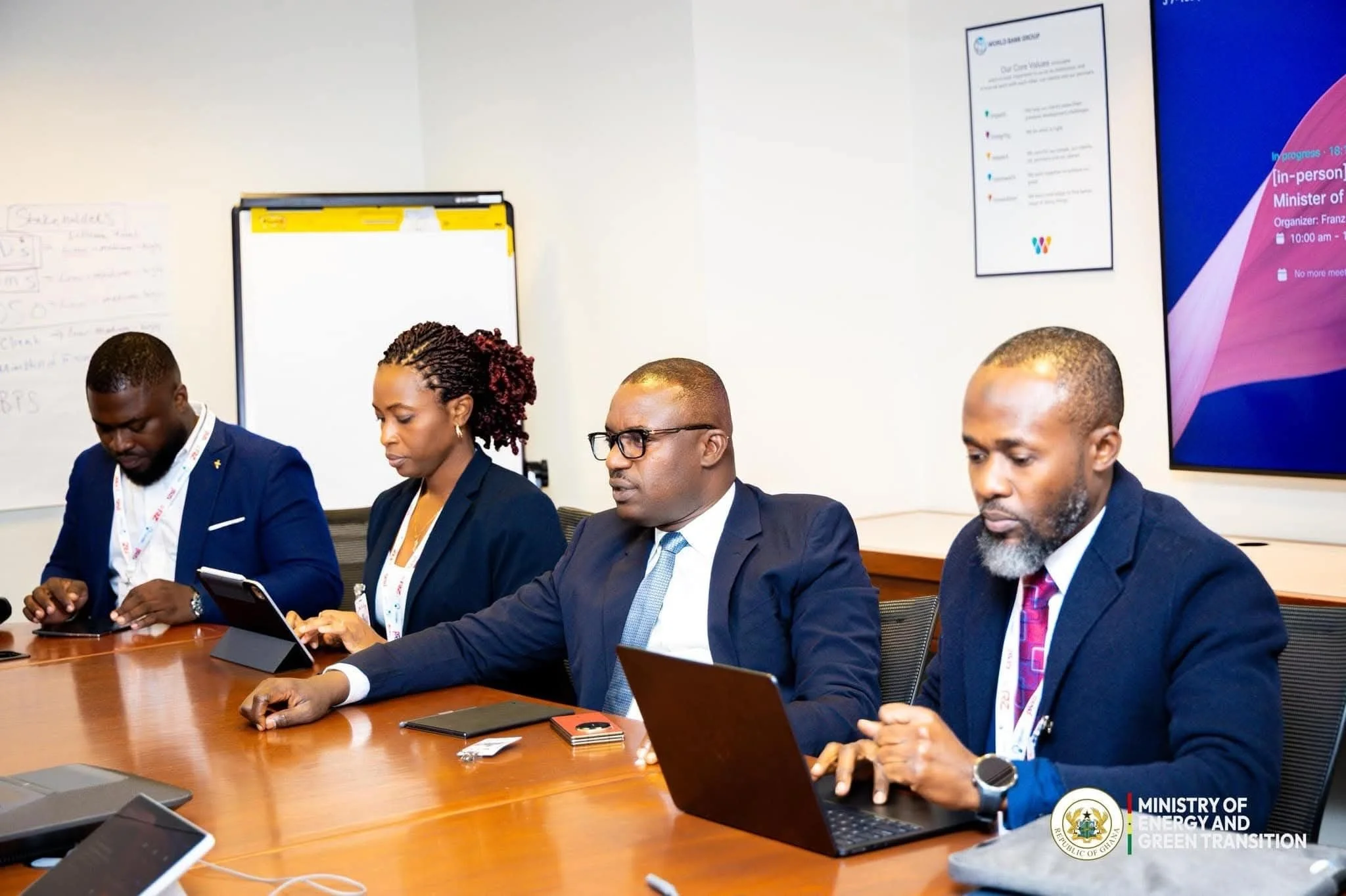
The sequence opened with Ghana’s participation in the Powering Africa Summit (PAS) in Washington, D.C., held from March 19–20, 2026. Representing Ghana were the Minister for Energy and Green Transition, John Jinapor, and the Acting Executive Secretary of the Energy Commission, Adwoa Serwaa Bondzie.
Convened annually in the U.S. capital, PAS brings together African governments, U.S. policymakers and private investors, with a focus on advancing commercially viable energy partnerships. The 2026 edition, held under the theme “Powering the US–Africa Partnership: Energy Infrastructure – Critical Minerals – Investment Strategies,” placed particular emphasis on infrastructure delivery, financing mechanisms and project preparation.
For Ghana, discussions centred on building competitive energy markets and attracting investment into the sector—priorities that have become increasingly urgent as the country seeks to expand capacity while managing fiscal constraints. The summit’s focus on bankable projects and public–private partnerships aligns with broader efforts to de-risk energy investments and accelerate infrastructure development.
Kampala: Toward Regulatory Convergence
The focus then shifted to regulatory cooperation.
On April 10, a delegation from Ghana’s Energy Commission travelled to Kampala for high-level talks with Uganda’s Electricity Regulatory Authority (ERA). The Ghanaian team, led by Deputy Executive Secretary Chris Nana Banyin Yalley and supported by the Acting Director of Inspection and Enforcement, Ing. Ampadu Acheampong, engaged ERA’s leadership under the Chief Executive Officer, Eng. Zaria Tibalwa Waako.
The discussions centred on performance standards, grid infrastructure development and enforcement frameworks—areas that remain critical to improving efficiency and reliability across power systems. Both sides also explored the development of shared regulatory approaches, laying the groundwork for a potential formal partnership.
Such cooperation reflects a growing recognition among African regulators that fragmented frameworks can impede cross-border investment and system integration. Aligning standards and enforcement mechanisms is increasingly seen as a pathway to improving service delivery and strengthening investor confidence.
Accra: Execution Pressures Come into Focus
By April 17, attention had returned to Accra, where a delegation from the Swiss Secretariat for Economic Affairs (SECO) and the Embassy of Switzerland in Ghana paid a courtesy call on the Commission.
The meeting brought into sharp focus the implementation challenges surrounding Ghana’s renewable energy agenda—particularly the Net-Metered Solar PV (NMPV) Project.
During the engagement, Acting Executive Secretary Adwoa Serwaa Bondzie outlined the Commission’s strategic priorities, including the development of an in-house outage management system, ongoing work on grid impact assessments for electric vehicles, and the finalisation of draft EV regulations currently under review by the Attorney-General’s Department.
The Swiss delegation, however, raised concerns about delays in the full implementation of the Net Metering initiative. Deputy Head of Cooperation Magdalena Wust called for accelerated rollout, while SECO’s Daniel Menebhi reaffirmed Switzerland’s commitment to supporting Ghana’s energy transition through technical cooperation and capacity-building. He also stressed the need to remove bottlenecks affecting the Net-Metered Solar PV project.
Bondzie, in response, assured the delegation of the Commission’s continued support for the programme and its commitment to bringing it onstream as soon as possible.
Net Metering and the SREP Framework
The Net Metering initiative sits within Ghana’s broader Scaling-Up Renewable Energy Program (SREP), a national effort to expand access to clean, reliable and affordable electricity—particularly in underserved and off-grid communities.
At its core, net metering is a billing mechanism that allows electricity consumers to generate renewable energy—typically through solar photovoltaic systems—and feed excess power into the grid. These consumers, often described as “customer-generators,” receive credits for the electricity they supply, which are offset against their consumption from the distribution utility. Excess credits may be carried over within a billing cycle, though unused balances lapse at the end of the calendar year.
The model is designed to encourage distributed generation while ensuring that self-generation primarily supplements, rather than replaces, grid supply.
Under the SREP framework, the Net-Metered Solar PV component aims to deploy 12,000 systems across public institutions—including secondary schools, hospitals, police stations and district assemblies—while also supporting solar home systems in off-grid communities. The broader programme targets a 13.5 percent contribution of renewable energy (excluding hydropower) to Ghana’s energy mix, mitigation of 0.72 million tonnes of carbon dioxide emissions, and progress toward universal electricity access by 2030.
It also carries significant socio-economic implications, with projections of over 2,800 jobs, at least 30 percent of which are earmarked for women and youth.
Convergence Under Pressure
Taken together, the Commission’s recent engagements point to a convergence of priorities across three critical fronts: mobilising investment, strengthening regulatory systems and advancing project implementation.
The Washington discussions underscore the importance of attracting capital into bankable energy projects. The Kampala talks highlight the role of regulatory coherence in enabling efficient and reliable power systems. The Accra engagement, meanwhile, brings attention to the practical challenges of delivering large-scale renewable initiatives on the ground.
The interdependence is clear. Investor confidence is shaped by regulatory clarity, while both depend on demonstrable progress in project execution. Delays in flagship programmes such as net metering risk reinforcing bottlenecks across the broader system.
The Test Ahead
What distinguishes this recent sequence is not any single engagement, but the way each addresses a different layer of the energy transition—finance, governance and delivery.
Whether this alignment translates into measurable outcomes will depend on execution. Accelerating the rollout of net metering, advancing EV regulatory frameworks, and sustaining momentum in international partnerships will be critical in the months ahead.
For now, Ghana’s energy diplomacy appears increasingly aligned with its domestic reform agenda. The next phase will test whether that alignment can deliver at scale.
