Scaling Solar, Structuring EVs: Energy Commission Advances Ghana’s Energy Transition
Ghana’s Energy Commission is quietly engineering one of its most consequential energy pivots yet—linking record-scale solar deployment, a maturing electric mobility framework, and a renewed push on efficiency into a single, coordinated transition strategy. From inspecting Africa’s largest rooftop solar installation in Tema to tightening regulatory and operational oversight across the value chain, the Commission’s recent moves signal a shift from policy ambition to system-wide execution.
Gomoa Onyadze, Central Region, Ghana | April 23, 2026 - Ghana’s Energy Commission is tightening its grip on the country’s clean energy transition, advancing a sequence of interventions that span utility-scale solar deployment, electric mobility regulation, energy efficiency, and international climate cooperation. The latest move—a board-level visit to operational solar assets in Gomoa Onyadze—caps a chronology that reveals a regulator shifting from policy formulation into active market shaping.
Industrial Solar as Anchor: The Tema Rooftop Breakthrough
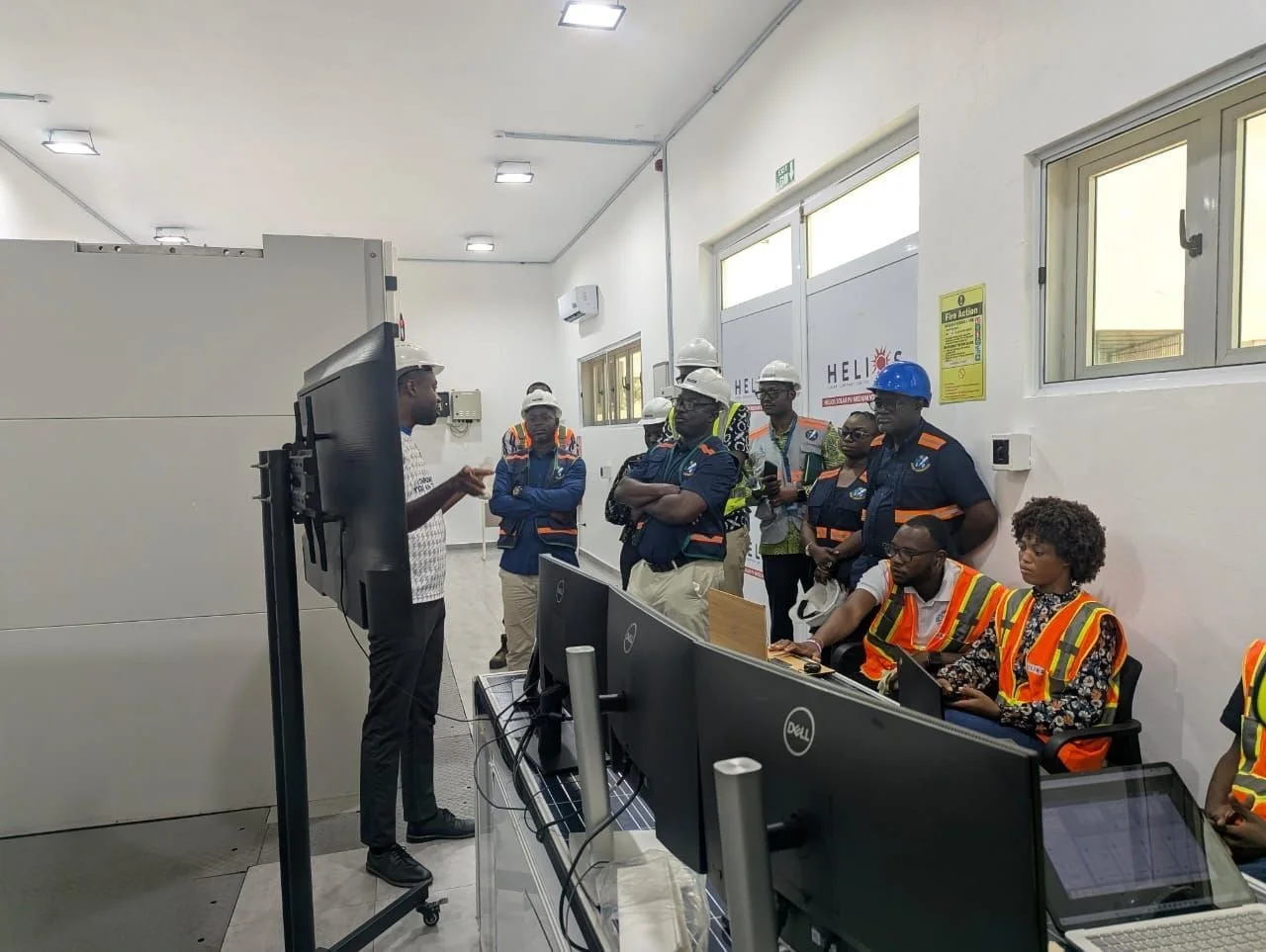
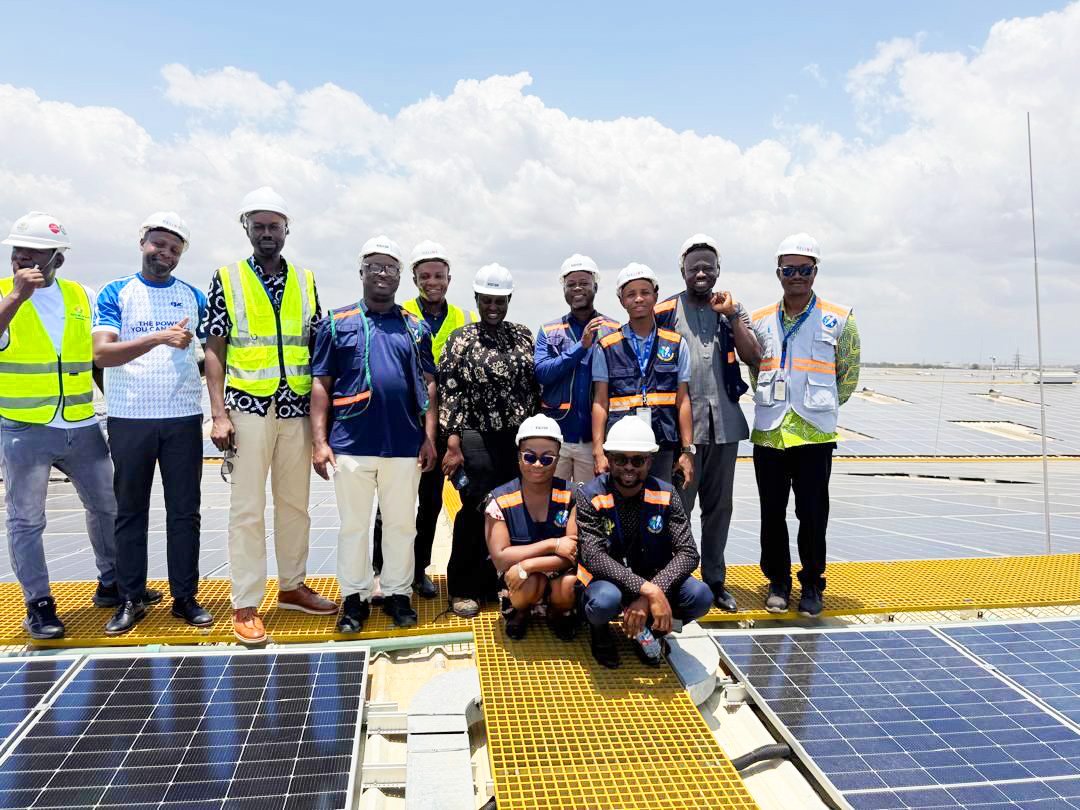
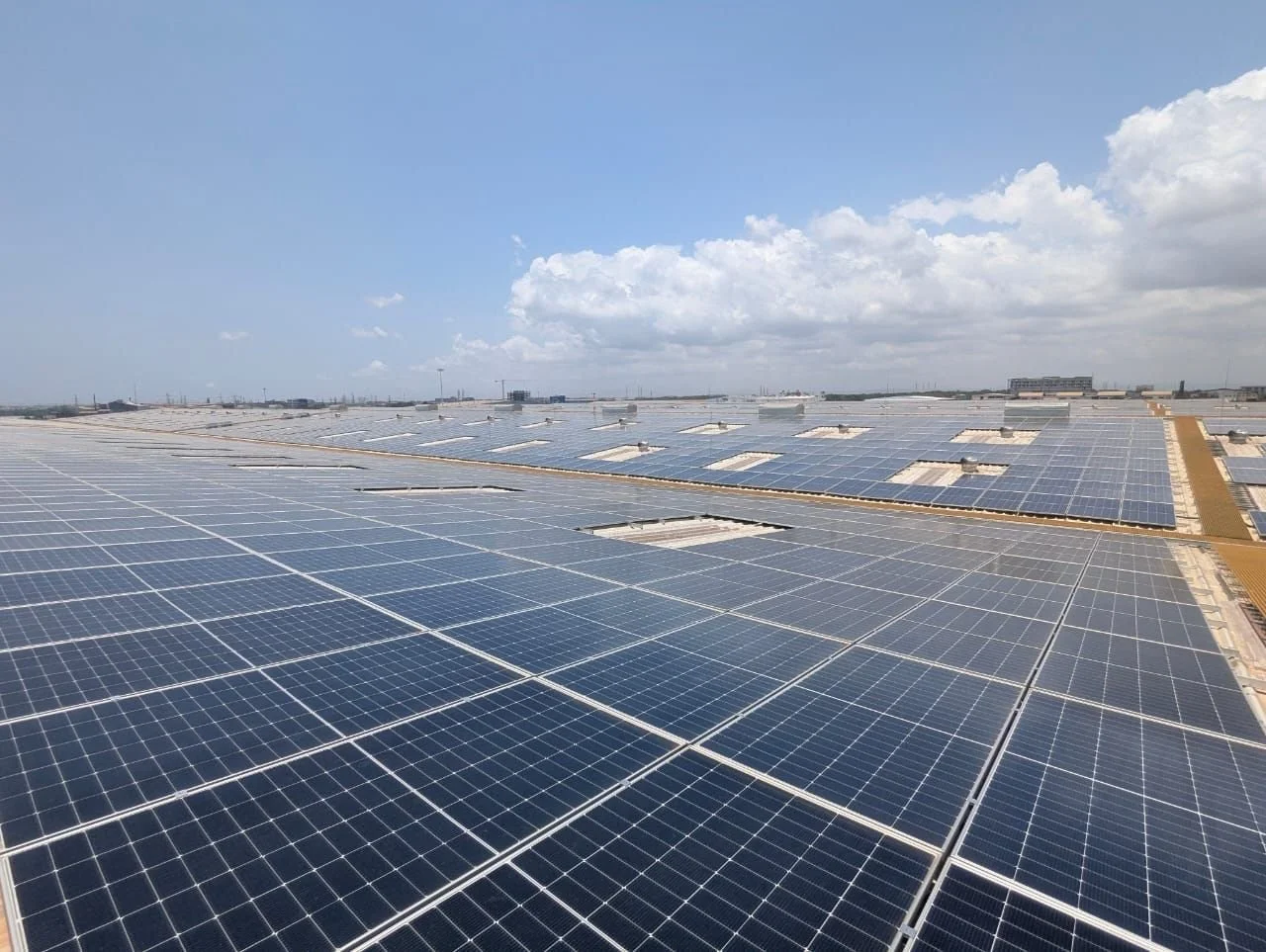
The current arc begins in Tema, where the Commission conducted a pre-operational licensing inspection of the 16.82 MW Mega Warehouse Rooftop Solar PV Project, developed by Helios Solar Company Limited. The scale is without precedent on the continent. Covering approximately 95,754 square metres—about 20 football fields—the installation is positioned as Africa’s largest single rooftop solar plant, with an expected annual output of 24.7 GWh.
The inspection, led by Ing. Ampadu Acheampong, Acting Director of Inspection & Enforcement, marks a critical regulatory checkpoint before commissioning. Once operational, the facility will supply clean electricity directly to industrial clients within the Tema Free Zone Enclave, reinforcing a model of embedded generation that reduces transmission losses while improving supply reliability for heavy users.
The project sits within a broader industrial ecosystem. Helios Solar, incorporated in April 2015 under the Companies Act 1963 (Act 179), operates as a subsidiary of LMI Utilities, which in turn belongs to LMI Holdings—a Ghanaian conglomerate established in 1991 with diversified interests spanning industrial park development, construction, logistics, real estate, utilities, and ICT. Helios Solar’s mandate is explicit: to develop, own, and maintain utility-scale solar PV assets that improve energy security for industrial clients through clean, reliable, and cost-efficient power. Its structural advantage lies in access to a sister off-taker, Enclave Power Company, effectively de-risking demand.
This model aligns with Ghana’s Scaling Up Renewable Energy Program (SREP), which seeks to expand distributed solar, accelerate net metering, and push renewable energy (excluding hydropower) to 13.5 percent of the national mix while supporting job creation and emissions reduction.
From Policy Drafting to Market Signalling: EV Regulation Moves Nationwide
With supply-side gains taking shape, the Commission pivoted to demand creation through transport electrification. Earlier this year, a technical workshop in Ho finalised key elements of the Draft Electric Vehicle Charging Stations and Battery-Swap Systems Regulation. The process has since moved into a nationwide stakeholder sensitisation phase, signalling regulatory intent ahead of formal adoption.
The draft regulation establishes a full-spectrum governance framework covering standards, registration, manufacturing, assembly, importation, installation, certification, and operation of EV charging and battery-swap systems. It formalises the Commission’s role as the central regulator of EV charging infrastructure and lays the groundwork for a structured, scalable electric mobility ecosystem.
This builds directly on Ghana’s Drive Electric Initiative, launched to stimulate electricity demand, reduce transport emissions, and prevent the country from becoming a repository for ageing internal combustion engine vehicles. The regulatory layer now translates that ambition into enforceable rules, with implications for investors, utilities, and transport operators alike.
Efficiency as “First Fuel”: Expanding the Human Capital Base
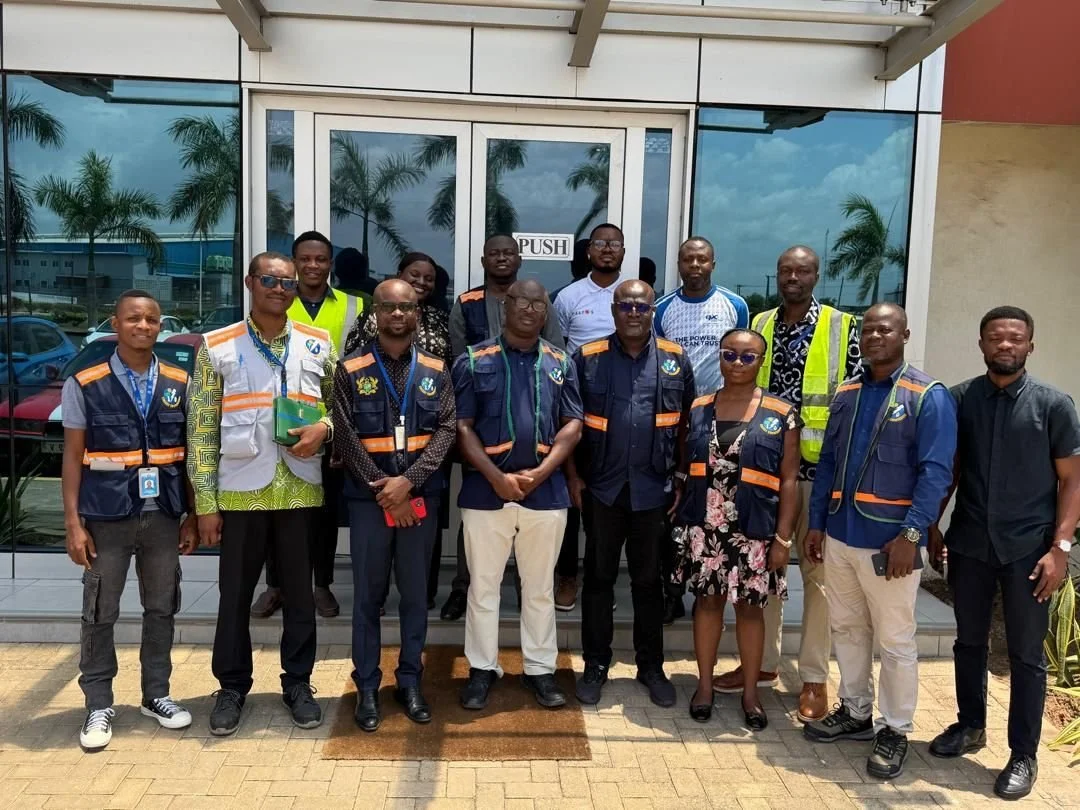
Parallel to infrastructure and regulation, the Commission has been strengthening the efficiency pillar of the transition. At a ceremony held at the Ghana Institution of Engineering, it certified its second cohort of Energy Audit Professionals under the theme “A Greener Ghana: The Role of the Energy Audit Professional.”
The framing was deliberate. Chairperson of the event, Ing. Kwabena Bempong, described the milestone not merely as a graduation but as a “blueprint for national transformation,” pointing to the redesignation of the Ministry of Energy to the Ministry of Energy and Green Transition in January 2025 as evidence of a structural policy shift. He challenged the new professionals to act as “detectives of inefficiency,” identifying energy losses across factories, hotels, and public institutions.
Board Chairman Prof. John Gartchie Gatsi positioned the certification as the starting point of the graduates’ contribution to Ghana’s energy transition, while Acting Executive Secretary Adwoa Serwaa Bondzie underscored energy efficiency as the “first fuel” and the most cost-effective pathway to meeting rising demand. She noted that the anticipated rollout of Energy Performance Certification for buildings will further elevate the role of auditors in shaping sustainable development outcomes.
The programme, supported by partners including the Ghana Institution of Engineering, the Millennium Development Authority under the Ghana Power Compact, and Sustainable Energy Service Centres, is expected to reduce electricity demand, ease pressure on the national grid, and lower energy costs—delivering system-wide benefits that extend beyond individual facilities.
International Alignment: Net-Zero Transport Moves from Concept to Pipeline
The domestic agenda is being reinforced through international collaboration. In preparatory engagements with Deutsche Gesellschaft für Internationale Zusammenarbeit (GIZ), the Commission advanced discussions on the Mobilize Net-Zero II initiative, a multi-country programme running from January 2026 to March 2030 with €5.4 million in funding.
The initiative targets the decarbonisation of the transport sector—one of the largest sources of greenhouse gas emissions—through three core pillars: promotion of electric vehicles and e-mobility solutions, mobilisation of climate finance, and integration of gender-responsive approaches across the transport value chain. It also incorporates an AI-based policy tracking tool to improve transparency and align national transport policies with climate commitments under the Paris Agreement.
“Strong coordination is essential to ensure grid readiness, reliable charging infrastructure, and sustainable EV growth in Ghana,” Bondzie noted during the meeting, highlighting the interdependence between power system planning and transport electrification.
The discussions extended to integrating renewable energy into EV charging systems, developing innovative financing mechanisms to crowd in private capital, building technical capacity for local stakeholders, and unlocking green job opportunities. Ghana’s inclusion in the programme reflects its positioning as a regional testbed for scalable, policy-driven transport decarbonisation.
Closing the Loop: Oversight Shifts to Operational Realities in Gomoa Onyadze
The most recent development brings the Commission’s multi-layered strategy into operational focus. Its Board undertook a working visit to two solar power stations—BXC Company Limited and Meinergy Technology Limited—both located in Gomoa Onyadze.
The visit went beyond inspection. It functioned as a platform for direct engagement with operators on regulatory compliance, operational constraints, and market barriers. The Board interrogated bottlenecks within the current regulatory framework that could hinder efficiency and scalability, while exploring practical pathways to improve the ease of doing business in Ghana’s renewable energy sector.
Prof. Gatsi used the engagement to press for stronger adherence to local content provisions, emphasising that domestic participation is central to building technical capacity, creating jobs, and ensuring long-term sector sustainability. Management of both companies welcomed the intervention as timely and signalled their willingness to collaborate with the Commission in addressing regulatory challenges.
The operators themselves represent distinct segments of Ghana’s evolving energy ecosystem. BXC, a subsidiary of Beijing Fuxing Xiao-Cheng Electronic Technology Stock Co. Ltd, has built extensive local expertise in metering, distribution optimisation, and solar deployment, including a $30 million investment in a 20 MW solar plant at Mangoase and involvement in large-scale grid improvement projects with the Electricity Company of Ghana. Meinergy, with operations spanning mining, power, and photovoltaics, is expanding renewable energy deployment across Africa, including ambitions for gigawatt-scale solar and storage capacity.
From Fragmentation to System: A Transition Strategy Taking Shape
What emerges from this sequence is not a set of isolated interventions but a progressively integrated transition framework. Large-scale and embedded solar projects are expanding supply; EV regulations and international partnerships are shaping future demand; and energy efficiency measures are moderating system pressures. The Commission’s role is evolving accordingly—from regulator to orchestrator of a complex energy transition.
The immediate challenge lies in execution: aligning grid readiness with EV uptake, ensuring regulatory clarity keeps pace with investment, and translating policy ambition into bankable projects. But the direction is increasingly unambiguous. Ghana’s clean energy transition is moving from aspiration to architecture—one inspection, regulation, and partnership at a time.