GOIL in London: Global Dialogue Meets Domestic Market Offensive
GOIL PLC took its strategic recalibration to the global stage at International Energy Week 2026 in London, with CEO Edward Abambire Bawa leading engagements on energy security, financing discipline, and transition strategy. The appearance comes as the indigenous OMC intensifies its domestic market push, deepening mining alliances and sharpening retail competitiveness in a bid to reclaim sector leadership.
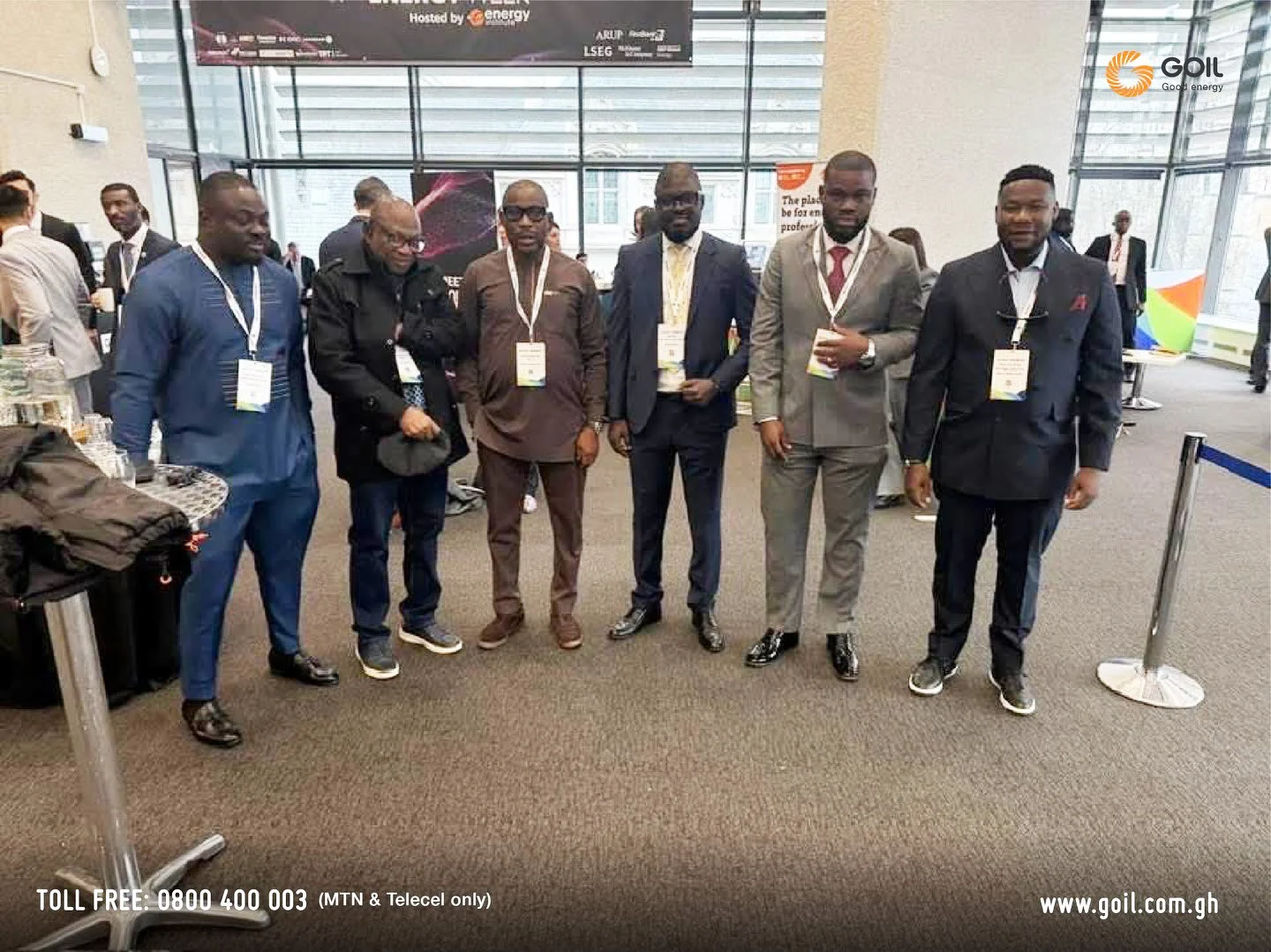
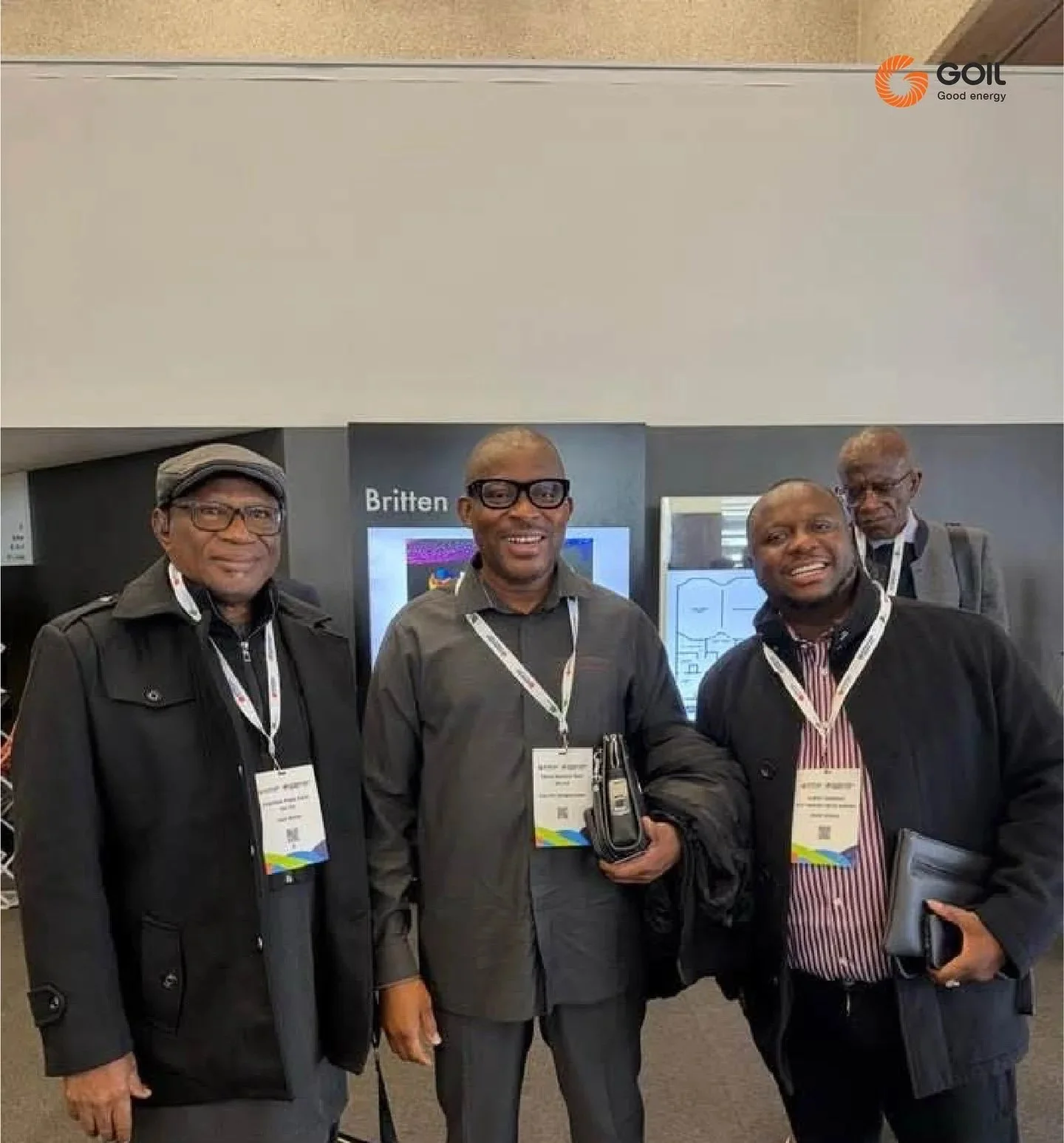
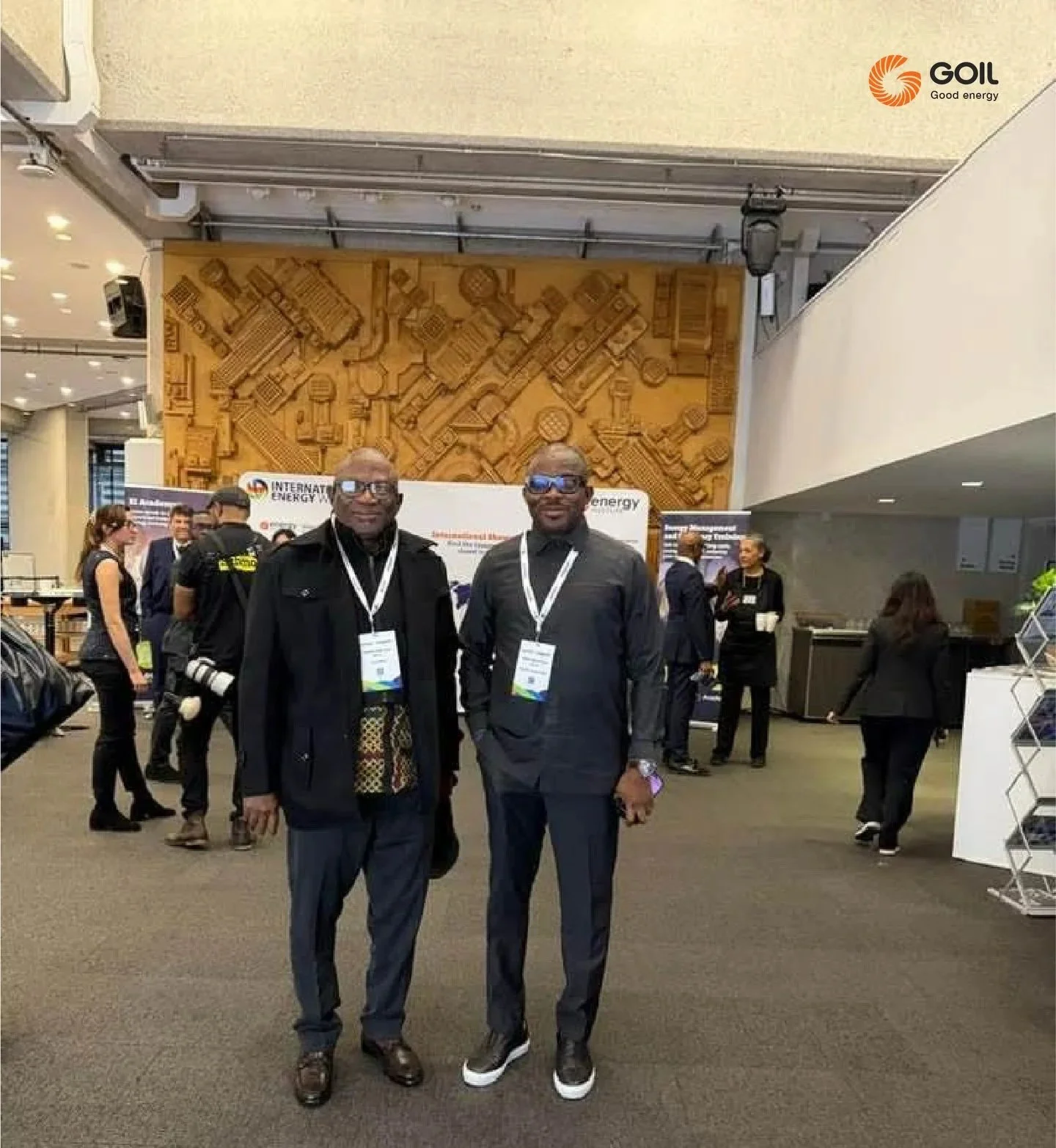
QEII Centre, London, UK | February 12, 2026 - GOIL PLC has stepped onto the international stage at International Energy Week 2026 in London, participating in high-level conversations on energy security, financing frameworks, infrastructure resilience, and innovation in transitioning markets. The company was represented by its Chief Executive Officer, Edward Abambire Bawa, whose presence underscored both executive-level engagement and his stewardship of GOIL during a pivotal phase of strategic repositioning.
The engagement was more than ceremonial diplomacy. It comes as GOIL recalibrates its competitive posture at home, pairing global policy insights with an assertive commercial strategy aimed at regaining market leadership and expanding its footprint in Ghana’s industrial backbone.
At the London forum, discussions orbited around commercially sustainable energy systems, pragmatic transition pathways, and capital discipline in volatile markets. For Ghana’s publicly listed indigenous oil marketing company, the themes are not abstract. They map directly onto a strategic outlook that emphasizes competitive sourcing, structured financing, infrastructure reinforcement, and segment-specific penetration.
From Dialogue to Deployment
Under new management and guided by its 2025 Strategic Outlook, GOIL has made its intentions clear: reclaim the number one oil marketing company position through disciplined pricing and differentiated service delivery.
In recent months, GOIL moved decisively to align pump prices with the regulatory floor set by the National Petroleum Authority, targeting visible relief for drivers while tightening operational efficiency. The move was framed less as a price war and more as a market reset, signaling cost discipline and balance sheet confidence.
Parallel to retail competitiveness, GOIL has been stitching together strategic alliances in high-consumption sectors. Its deepening engagement with Zijin Golden Ridge Limited underscores a sharpened focus on mining, a segment characterized by high-volume, contract-backed demand. Similar ties with Ghana’s military institutions and the US Air Force further diversify its institutional base, reinforcing both market share and quality assurance credibility.
These moves reflect a deliberate portfolio rebalancing. Mining, alongside aviation and autogas, has been identified internally as a priority growth vertical. The rationale is straightforward: longer-dated contracts, predictable volumes, and higher-quality demand provide insulation against retail volatility.
Mining as Strategic Anchor
The Zijin engagement fits squarely within this architecture. Rather than opportunistic diversification, GOIL’s mining push signals a structured pivot toward industrial clients whose fuel demand scales with output rather than sentiment.
For a company seeking to fortify its earnings resilience, the mining sector offers exactly what volatile pump-side competition cannot: stability and forward visibility. As Ghana’s extractive sector recalibrates within global supply chains, fuel security and reliability become commercial leverage points.
Infrastructure and Energy Transition Positioning
GOIL’s London participation also intersects with its domestic infrastructure upgrades. The company has expanded LPG bottling capacity in Tema and Kumasi, automated core business processes, and strengthened risk governance and real-time compliance monitoring
In LPG and autogas, GOIL is positioning itself as both a conventional marketer and a transition enabler. The London dialogue’s emphasis on pragmatic transition pathways mirrors GOIL’s incremental investments in cleaner-burning fuels, particularly autogas as a transport alternative.
This is unfolding within a macro backdrop that has turned more constructive. Ghana’s peaceful political transition and signs of macroeconomic stabilization have reopened planning space for capital-intensive strategies. For GOIL, that space is being filled with calculated risk rather than exuberance.
Strategic Synthesis
International Energy Week 2026 offered a vantage point into how global capital views resilience, system integration, and transition finance. GOIL’s presence signals a desire not only to observe these currents but to align with them.
The company’s domestic posture suggests that the London engagement is part of a broader synthesis: global dialogue informing local deployment, industrial alliances reinforcing retail competitiveness, infrastructure investment underwriting transition positioning.
For a publicly listed indigenous OMC operating in a reforming downstream landscape, the challenge is not simply participation in dialogue, but translation into performance.
GOIL appears intent on doing both.
