
Board Signals Regulatory Reset at Energy Commission as Bondzie Takes Helm
The Board of the Energy Commission has formally welcomed Adwoa Serwaa Bondzie as Acting Executive Secretary, signaling a firmer regulatory posture at a pivotal moment for Ghana’s energy transition. With renewed emphasis on enforcement, technical standards, energy security, and consumer protection, the Commission appears set to recalibrate oversight across renewables, electrical safety, EV infrastructure, and public energy communication.

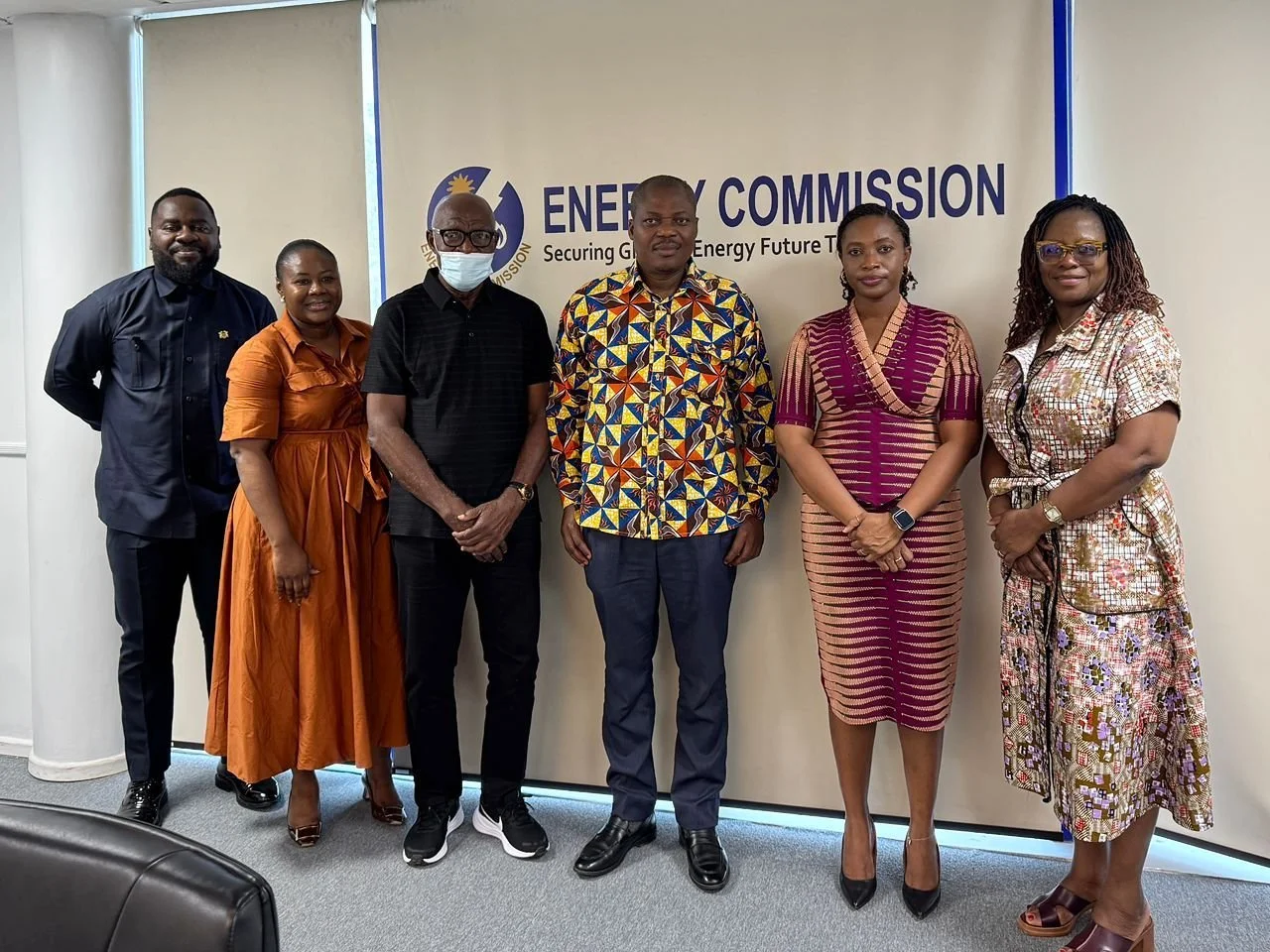
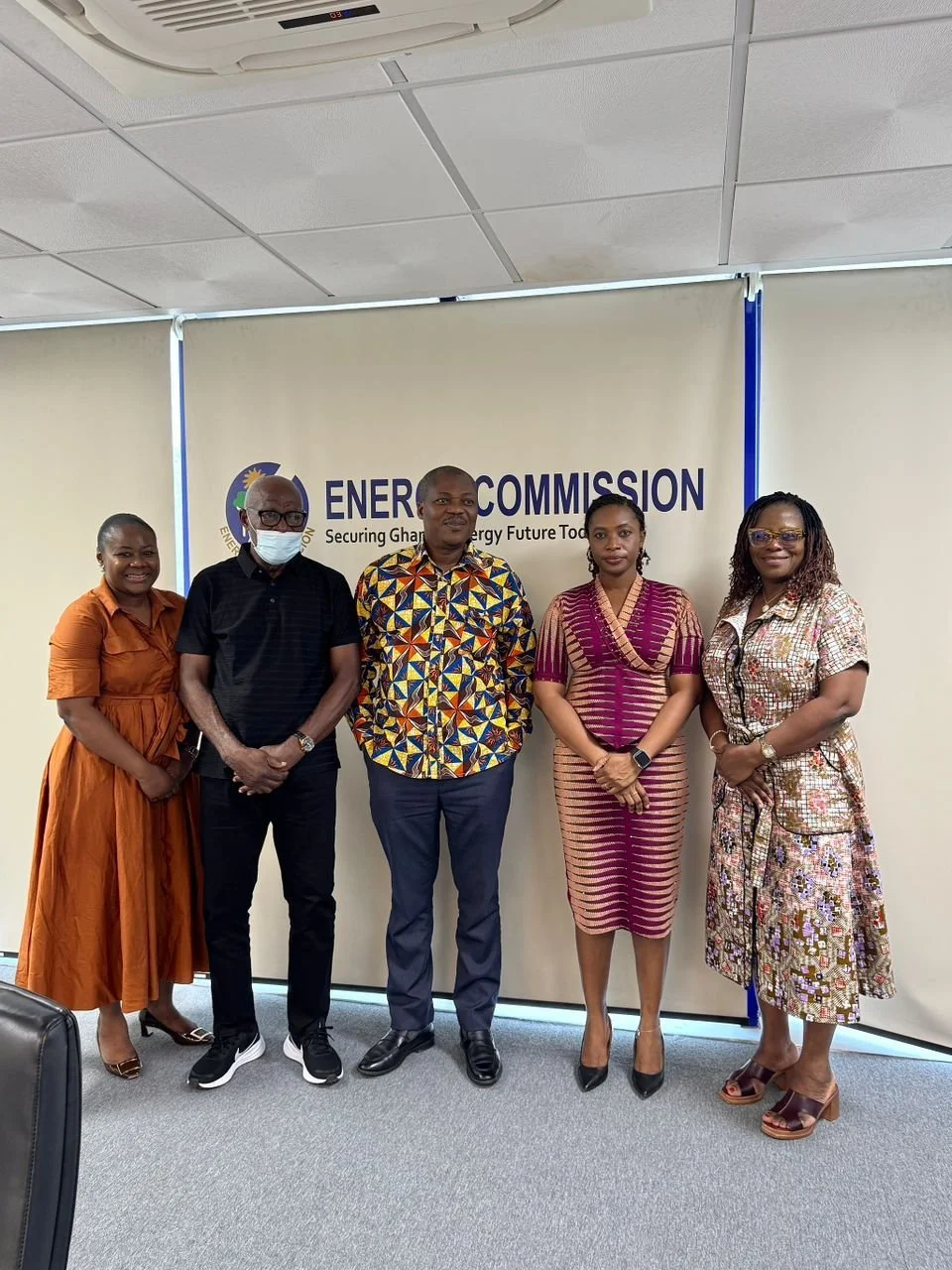
Airport Residential Area, Accra | February 13, 2026 - The board of the Energy Commission, led by Professor John Gatsi, has formally welcomed Adwoa Serwaa Bondzie as Acting Executive Secretary, setting a tone that was less ceremonial than strategic. The message was unambiguous: the Commission must function as an effective regulator anchored in its statutory mandate, with sharper delivery across energy efficiency, renewable energy oversight, EV charging infrastructure, regional electrical wiring standards, and public-facing energy communication.
This was not a routine change of guard. It was a board-level reaffirmation that regulation, properly executed, is infrastructure.
A Mandate Reasserted
In discussions with the board, emphasis fell squarely on core regulatory functions. That includes enforcing technical standards for electrical installations nationwide, strengthening oversight of renewable energy deployment, guiding the rollout of electric vehicle charging stations, and ensuring the public receives clear, reliable information on energy use and safety.
Behind the scenes, the Commission has already been moving. Port inspections, particularly at Tema Port, have intensified in response to concerns about substandard electrical imports that can destabilize the grid and endanger consumers. Compliance audits across segments of the electricity and energy industries have also tightened, reflecting a posture that treats enforcement not as box-ticking but as systemic risk management.
For market participants, the signal is unmistakable: standards will matter, and they will be applied.
More Than an Administrative Shift
Bondzie’s appointment, announced on February 11, 2026, marks what insiders describe as a new chapter for the regulator. The Commission is repositioning itself as both gatekeeper and guarantor, with a renewed focus on energy security, disciplined oversight, and investor confidence.
Her background suggests the board is betting on operational fluency as much as policy acumen.
At Bulk Oil Storage and Transportation Company, now branded BOST Energies, Bondzie built the company’s first trading desk and designed a fuel trading system that reportedly generated approximately $20 million in profit within two years. She also played a role in expanding Ghana’s strategic petroleum reserves from roughly four weeks to twelve weeks, a move that materially strengthened supply resilience.
That blend of commercial structuring and strategic reserves management matters in a regulatory context. It reflects familiarity not only with policy frameworks, but with the mechanics of energy markets under stress.
Academically, she brings an MSc in Public Policy, an MBA, and ICT and project management credentials, a profile that aligns with a regulator increasingly navigating digital systems, data integrity, and complex infrastructure planning.
What This Means for the Sector
For industry actors, the leadership shift suggests three near-term implications.
First, enforcement is likely to become more visible and more consistent. Stricter port controls and reinforced electrical standards are early indicators of a regulator prepared to defend grid stability at the entry point.
Second, energy security is being elevated as a regulatory objective, not merely an operational one. In a context of rising renewable integration and emerging EV infrastructure, technical coherence across systems will be central to maintaining reliability.
Third, investor confidence may hinge increasingly on compliance discipline. A regulator that applies standards predictably can reduce uncertainty, particularly in renewables and distributed energy projects where technical approvals and grid codes are decisive.
In welcoming Bondzie, the board did more than endorse a new Acting Executive Secretary. It articulated a theory of regulation: that consumer protection, market stability, and energy transition credibility are inseparable.
