GOIL Sharpens Its Mining Play as It Deepens Ties with Zijin Golden Ridge
GOIL’s growing relationship with Zijin Golden Ridge Limited places Ghana’s downstream champion at the heart of a global mining value chain. It is a calculated move to anchor fuel demand in capital-intensive operations, as competition intensifies across the retail fuel landscape.
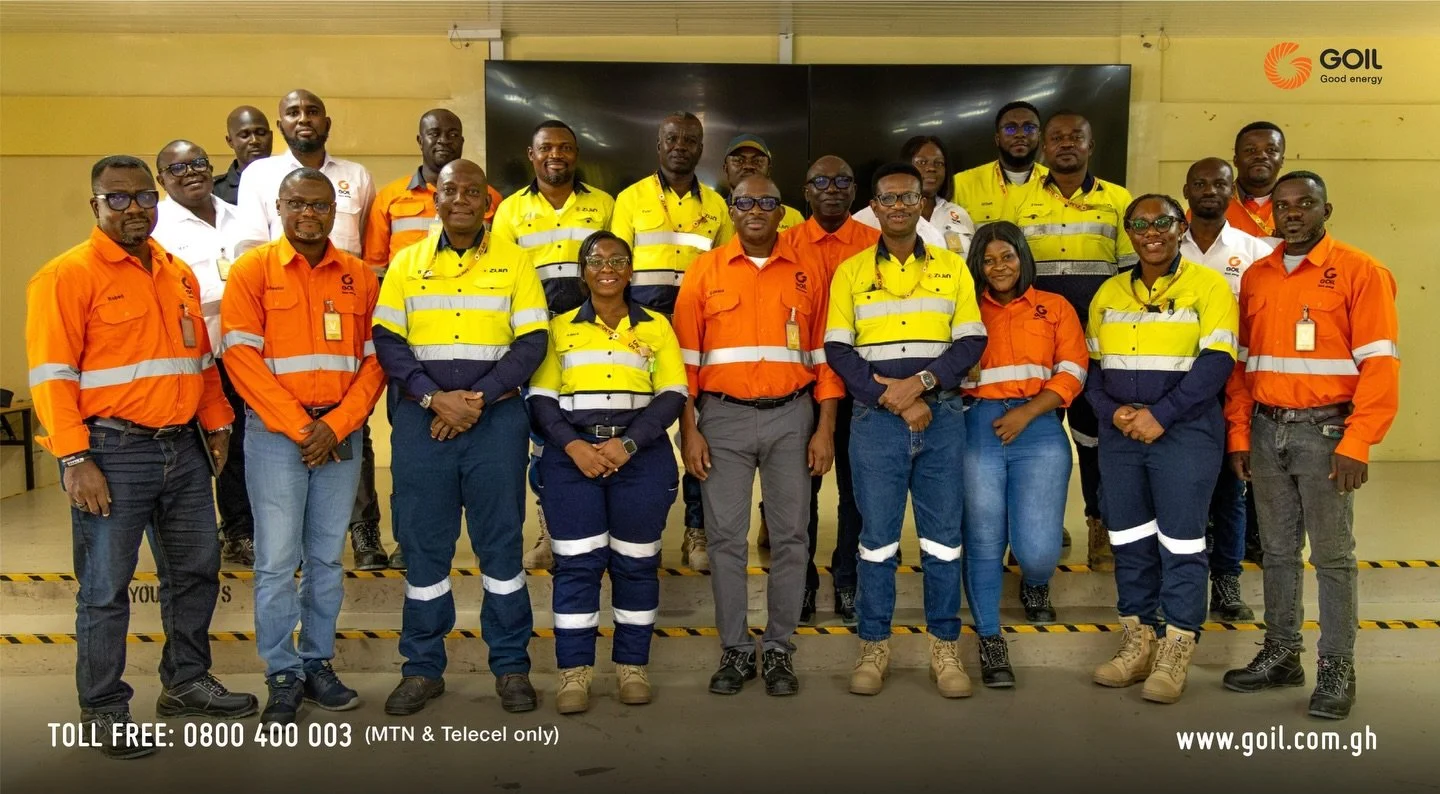
New Abirem, Eastern Region, Ghana | February 9, 2026 - GOIL Plc’s decision to deepen its operational partnership with Zijin Golden Ridge Limited is less a courtesy call and more a statement of strategic intent: Ghana’s indigenous downstream champion is tightening its grip on one of the most fuel-intensive and defensible demand centres in the economy — industrial mining.
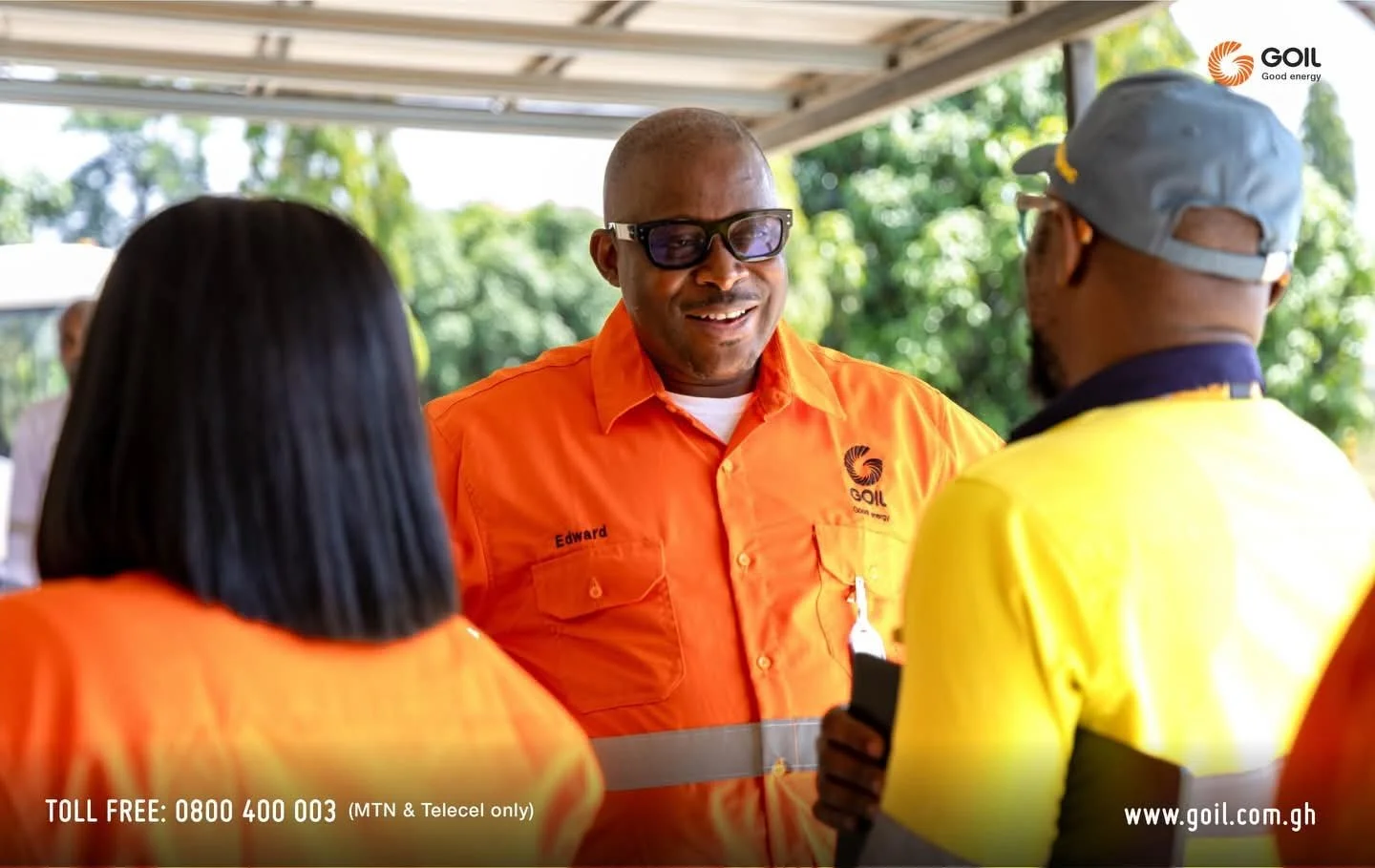
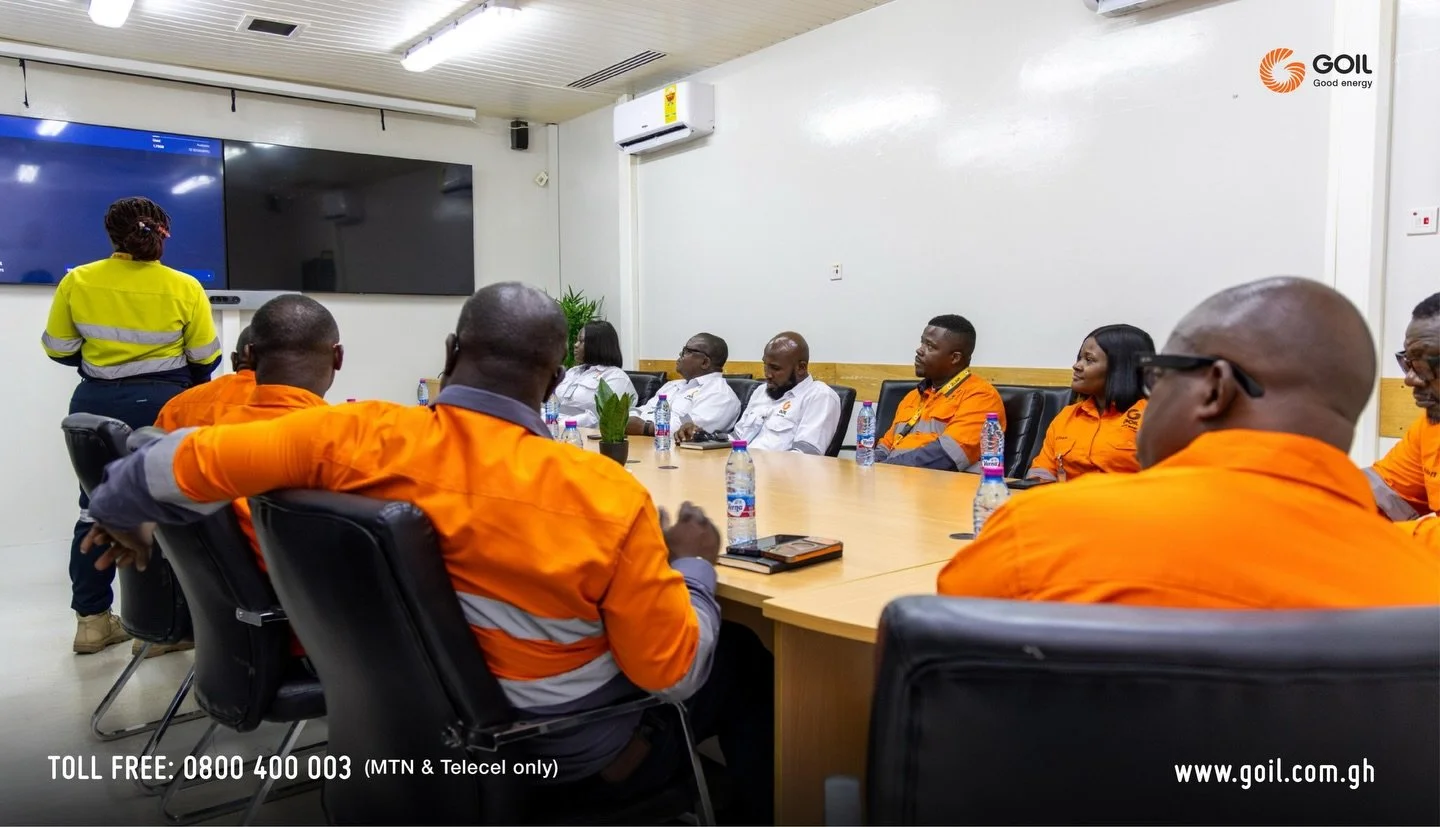
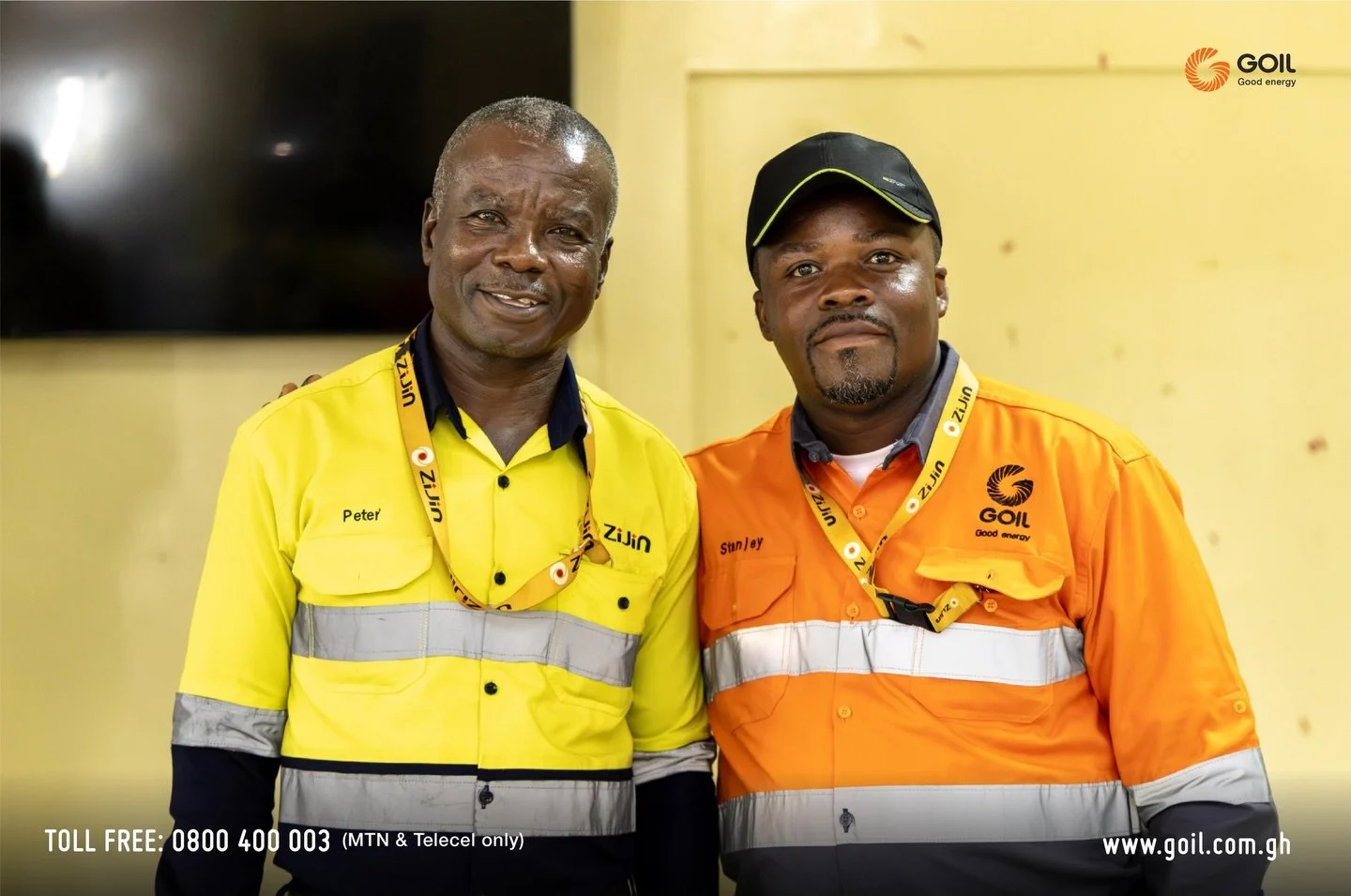
Led by Group Chief Executive and Managing Director Edward Abambire Bawa, GOIL’s management team undertook a working visit to Zijin’s Akyem Gold Mine in New Abirem, engaging mine leadership and inspecting the on-site GOIL fuel depot that supports daily operations. The visit focused squarely on the mechanics that matter in mining logistics — delivery reliability, storage integrity, dispensing systems, and safety compliance.
Zijin’s management response was unambiguous. Satisfaction was expressed with GOIL’s service efficiency and safety standards, reinforcing what both sides describe as a mutually beneficial partnership. In an industry where downtime translates directly into lost ounces and lost revenue, such endorsements are not merely ceremonial.
Why Zijin Matters
Zijin Golden Ridge Limited is no ordinary counterparty. It is the Ghanaian subsidiary of Zijin Mining Group, one of the world’s largest gold and base-metals producers, with operations spanning 18 countries. In the first quarter of 2025, Zijin completed the acquisition of 100 per cent ownership of the Akyem Gold Mine, consolidating control over one of Ghana’s most significant large-scale mining assets. Parliament ratified the mining lease later in August, removing regulatory uncertainty and entrenching Zijin’s long-term operational horizon in Ghana.
For GOIL, the implications are material. Securing fuel supply relationships with globally capitalised miners offers something the retail market increasingly does not: predictable volumes, disciplined off-take, and lower demand volatility. In a downstream environment defined by razor-thin margins and aggressive pump-price competition, industrial clients provide ballast.

Market Penetration, Not Optics
The Zijin engagement fits cleanly into GOIL’s stated 2025 strategic outlook. In its most recent annual disclosures, the company identified mining — alongside aviation and autogas — as a priority segment for deeper market penetration. This was not framed as opportunistic diversification but as part of a deliberate rebalancing of the portfolio toward higher-quality demand and longer-dated contracts.
That pivot is occurring against a favourable macro-political backdrop. Ghana’s peaceful political transition and signs of macroeconomic stabilisation have reopened planning space for capital-intensive strategies. GOIL has paired this context with internal investments — including expanded LPG bottling capacity in Tema and Kumasi, automation of business processes, and an explicit emphasis on risk governance and real-time compliance monitoring.
The mining play, however, stands out for its strategic defensibility. Unlike retail price wars, where gains are quickly arbitraged away, industrial fuel supply rewards operational credibility, safety culture, and balance-sheet resilience — areas where GOIL has been quietly rebuilding ground.
A Pattern of High-Profile Partnerships
The Zijin relationship does not sit in isolation. Over the past year, GOIL has systematically aligned itself with institutions where fuel quality, supply assurance, and compliance are non-negotiable. Partnerships with the Ghana Armed Forces and, separately, the United States Air Force underscore this trajectory. These are not volume plays alone; they are reputational anchors.
Such collaborations serve a dual purpose. They lock in demand while signalling to the wider market — including multinationals and regulated institutions — that GOIL can operate at standards comparable with international suppliers. In an OMC landscape crowded with price-led competition, credibility becomes a differentiator.
Reclaiming Ground in a Fierce OMC Arena
All of this unfolds against the backdrop of one of the most competitive phases in Ghana’s downstream history. The recent price wars, which saw GOIL push petrol prices back into single digits and even align pricing with the NPA’s floor, were widely interpreted as defensive manoeuvres. In reality, they formed part of a broader effort to stabilise volumes, protect network relevance, and prevent permanent erosion of market share.
What the mining strategy suggests is that GOIL is no longer content to fight exclusively at the pump. By consolidating positions in mining, aviation, and institutional supply, the company is attempting to rebuild dominance through segmentation rather than sheer price aggression.
Consolidation Through Strategy
The partnership with Zijin Golden Ridge Limited is therefore best understood not as a standalone corporate engagement, but as a brick in a larger consolidation strategy. GOIL is leveraging Ghana’s extractive backbone, institutional clients, and governance credentials to reassert itself in a crowded and unforgiving market.
If successful, the approach offers a blueprint for indigenous OMCs operating in liberalised downstream markets: compete where operational excellence, not just pricing, determines survival. In that sense, GOIL’s mining play is less about fuel and more about positioning — anchoring relevance where the market is hardest to win, but hardest to lose.
GOIL’s message is clear: in a downstream sector shaped by volatility and competition, disciplined partnerships may yet prove the most durable source of energy.
