CBOD CEO Speaks on Strengthening West Africa’s Petroleum Supply Chain at Argus Forum
At the heart of a volatile global oil market, CBOD CEO Dr. Patrick Ofori laid out a strategic roadmap for West Africa’s petroleum future at the Argus Media West Africa Oil Forum. From tackling import dependence to championing market transparency and the revival of the Tema Oil Refinery, his presentation highlighted how regional collaboration and targeted investments can turn vulnerability into resilience.
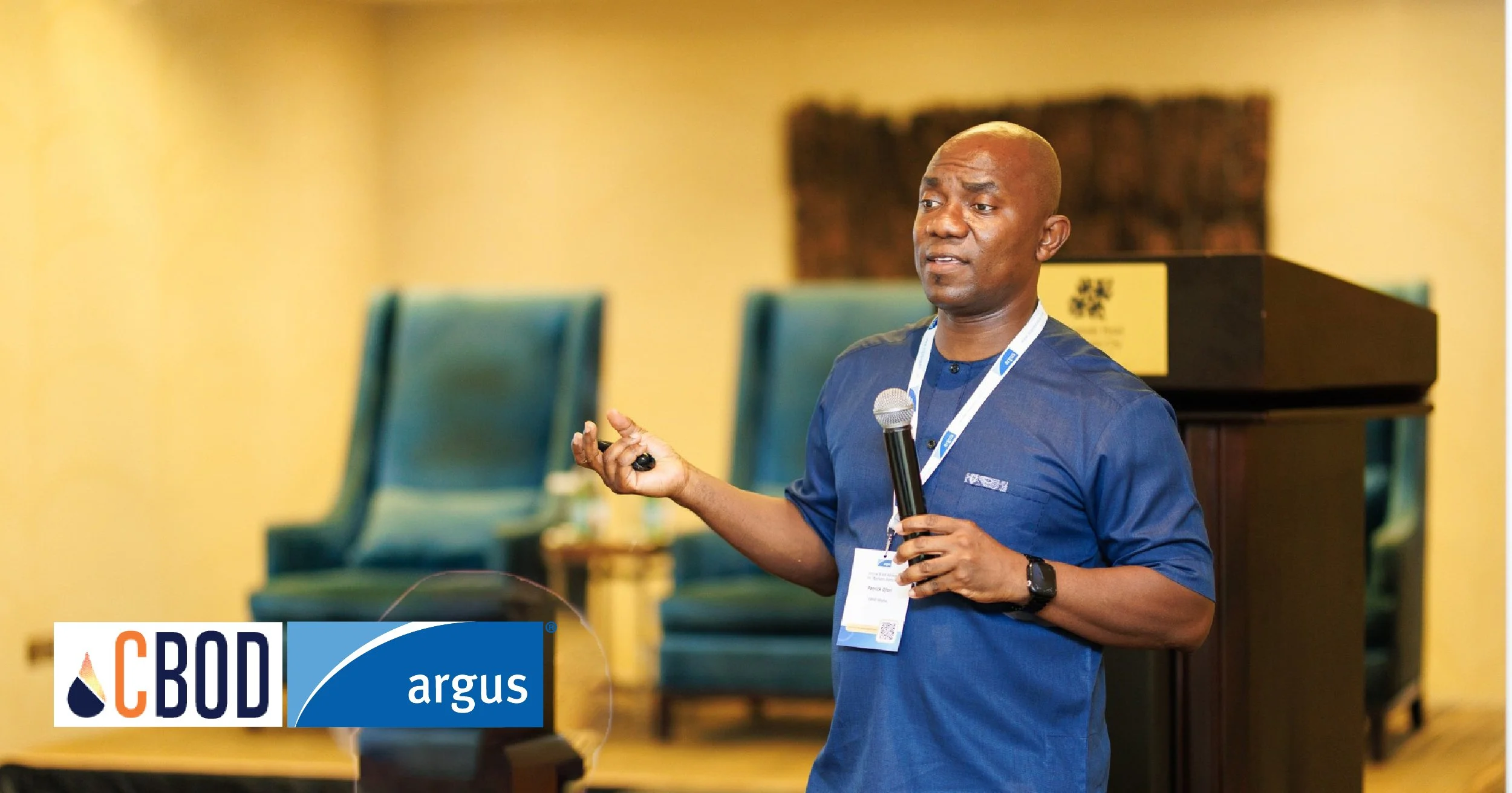
Accra, Ghana | March 19, 2026 — At a pivotal moment for energy markets buffeted by geopolitical upheaval and supply chain strain, CBOD CEO Dr. Patrick Ofori took the stage at the Argus Media West Africa Oil Forum on 10 March 2026 to articulate a strategic vision for stabilising and strengthening West Africa’s petroleum products supply chain.
Dr. Ofori’s address, delivered to industry leaders, policymakers, traders, and analysts gathered in Ghana’s capital, placed the region’s ongoing challenges — from surging demand to systemic reliance on imports — at the centre of a wider debate about energy security, transparency and investment.
Imports, Demand and Market Vulnerabilities
In his presentation, Dr. Ofori highlighted the growing demand for petroleum products across West Africa, driven by population growth, urbanisation, and industrial expansion, while mentioning the region’s continued reliance on imported refined products due to its limited refining capacity.
That dependency, he observed, leaves markets “exposed to global price volatility, foreign exchange pressures, and logistical constraints, which directly impact fuel prices and supply reliability.” Dr. Ofori’s remarks resonated against a backdrop of global crude market disruption, where geopolitical conflict in key transit chokepoints and release of strategic reserves have amplified price oscillations and supply uncertainties.
Data, Transparency and Structural Gaps
A central pillar of the CEO’s argument was the need for market transparency, particularly through “access to timely and accurate data on production, supply flows, demand, stock levels, and pricing”. He positioned this as a critical factor in ensuring energy security and market stability — and a prerequisite for investors and policymakers aiming to reduce systemic risk.
From the podium, Dr. Ofori distilled a multi‑pronged strategy: improving transparency, adopting flexible pricing frameworks, investing in supply infrastructure, enhancing regional collaboration, and leveraging digital solutions to improve data quality and operational efficiency.
Forum Context and Industry Lens
Argus Media, the London‑headquartered market intelligence group hosting the forum, convened its West Africa Oil Forum against this turbulent global backdrop, emphasising its role in illuminating “complex and opaque commodity markets” with price assessments and analytics that are used as trusted benchmarks by governments and trading firms in more than 160 countries.
Attracting a cross‑section of the energy ecosystem, the forum underscored a shared recognition that West Africa’s current refining deficit — particularly acute in Ghana — constrains resilience. While domestic markets adapt to shifting global dynamics, the strategic case for enhanced local refining capacity has gained traction among a growing chorus of stakeholders.

Refining Capacity and Strategic Imperatives
Dr. Ofori’s remarks echoed and reinforced other recent developments in Ghana’s downstream sector. CBOD has publicly praised the revival of the Tema Oil Refinery (TOR), noting its alignment with longer‑term supply security objectives and consistency with the organisation’s own propositions on strengthening local infrastructure.
This acknowledgement of TOR’s strategic importance reinforces the broader industry argument that scaling refining capacity across West Africa is a necessary counterweight to imported supply risks — both economic and logistical. With import dependence still entrenched, stakeholders stress that domestic and regional refining must evolve from policy aspiration to operational reality.
Chronology of Pressures and Responses
The urgency of Dr. Ofori’s message — and the agenda at Argus — cannot be divorced from external pressures that have defined oil markets over the past year. Major geopolitical events, including conflict in the Strait of Hormuz, have rippled through global crude flows, prompting measures such as record releases from strategic petroleum reserves by the International Energy Agency and sharp recalibrations in trading strategies.
Against that backdrop, West Africa’s energy landscape has seen heightened calls for structural reforms and capacity investments. At the same time, forums like Argus provide opportunities for industry and government actors to align on frameworks that marry market transparency with pragmatic solutions.
Looking Ahead
As West Africa seeks to transform its petroleum supply chain from vulnerability to resilience, Dr. Ofori’s presentation at the Argus Forum positions CBOD as a vocal proponent of systemic transparency, smarter infrastructure investment, and regional collaboration. But the real test, analysts suggest, will be translating these imperatives into tangible deliverables — whether through expanded refining capacity, better data systems, or regulatory reforms that can shield markets from the whims of global volatility.
