IEA Unleashes Record 400 Million Barrel Reserve As Hormuz War Shocks Global Oil Markets
A historic 400-million-barrel emergency oil release by the International Energy Agency (IEA) has thrown the spotlight on the fragile arteries of the global energy system after war in the Middle East choked flows through the Strait of Hormuz. As world powers scramble to stabilise markets and avert a prolonged supply shock, the crisis is also reviving a deeper question for Ghana: how exposed the country remains to geopolitical oil disruptions—and whether strategic reserves, stronger refining capacity, and the long-planned Petroleum Hub could finally shift the balance toward energy security.
Accra, Ghana | March 11, 2026 - The world’s energy security architecture has been thrust into action.
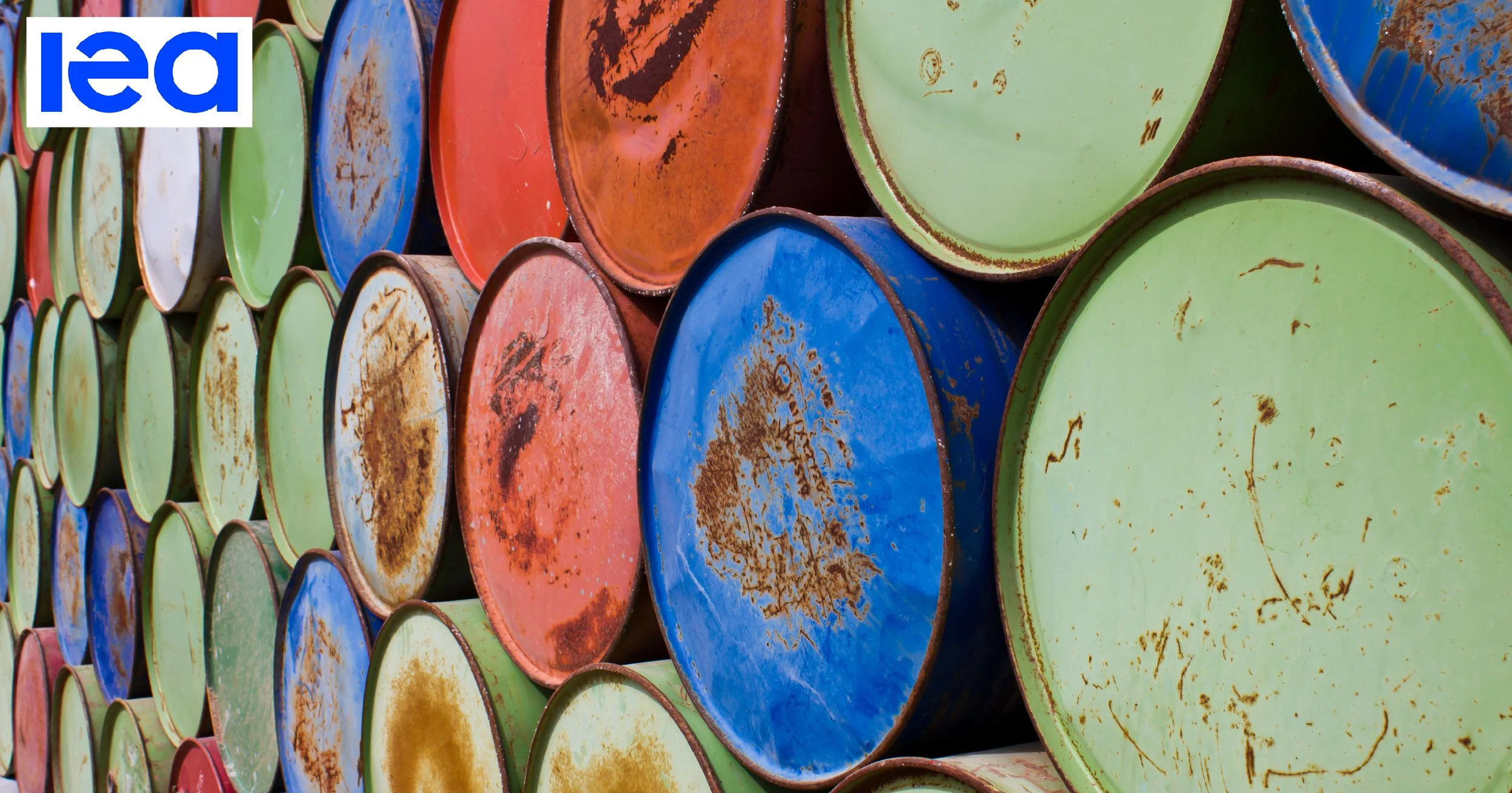
In an extraordinary move aimed at stabilising increasingly volatile oil markets, the 32 member countries of the International Energy Agency (IEA) have agreed to release 400 million barrels of oil from emergency reserves, marking the largest coordinated stock release in the agency’s history. The decision follows an emergency meeting of member governments convened amid escalating supply disruptions triggered by the ongoing Middle East conflict and the effective paralysis of the Strait of Hormuz — one of the world’s most critical oil arteries.
“The oil market challenges we are facing are unprecedented in scale, therefore I am very glad that IEA Member countries have responded with an emergency collective action of unprecedented size,” said IEA Executive Director Fatih Birol.
“Oil markets are global so the response to major disruptions needs to be global too. Energy security is the founding mandate of the IEA, and I am pleased that IEA Members are showing strong solidarity in taking decisive action together.”
The coordinated intervention — only the sixth in the IEA’s history since its creation in 1974 — underscores the severity of the geopolitical shock now rippling through global energy markets.
The war that shook the oil system
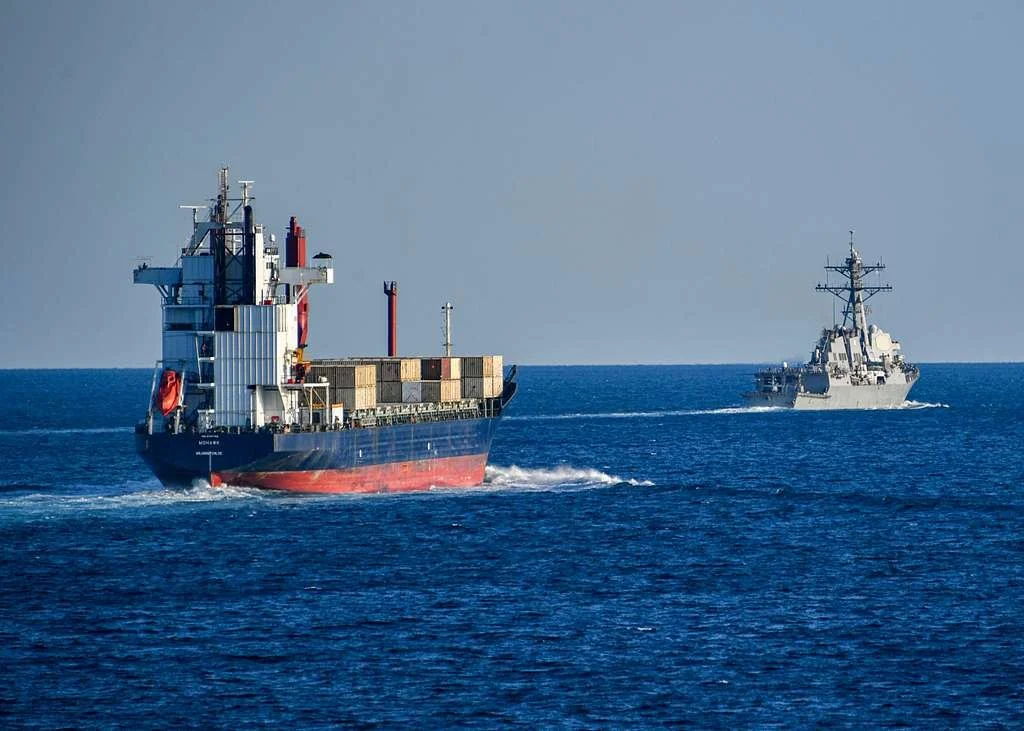
The chain of events now forcing a historic release of emergency reserves began on 28 February 2026, when the escalating conflict between Iran and the US-Israel alliance triggered severe disruptions to shipping across the Strait of Hormuz.
The narrow waterway between the Persian Gulf and the Gulf of Oman has long been regarded as the single most important chokepoint in global energy logistics.
In 2025 alone, roughly 20 million barrels per day of crude oil and petroleum products transited the strait, representing around a quarter of global seaborne oil trade. Few alternative export routes exist at comparable scale.
Since the outbreak of hostilities, however, export flows have collapsed to less than 10 percent of pre-conflict levels, forcing operators across the Gulf to shut in production or sharply curtail output as tanker movements become increasingly risky.
The sudden disruption to such a large portion of global supply immediately sent shockwaves through oil markets.
Brent crude prices surged in the early phase of the conflict as traders scrambled to price in the possibility of a prolonged supply shock. Volatility intensified further as geopolitical headlines continued to reshape expectations for the conflict and the security of shipping lanes.
Market nerves eased slightly earlier this week after remarks from US President Donald Trump suggesting the conflict could soon de-escalate, prompting a sell-off that saw crude prices retreat sharply. Yet analysts note that the underlying structural risk to supply remains firmly in place as long as the Strait of Hormuz remains constrained.
The IEA’s decision to release strategic reserves is therefore designed not merely to calm prices but to physically offset the supply deficit created by the disruption in the Gulf.
Strategic reserves: the system built for supply shocks
Strategic petroleum reserves form the backbone of the global oil market’s emergency response framework.
Following the 1973 oil crisis, industrialised nations created the IEA with a clear mandate: ensure collective energy security against major supply shocks capable of destabilising economies.
Under the agency’s rules, member countries must maintain oil stockpiles equivalent to at least 90 days of net imports. These stocks can be held directly by governments as emergency reserves or maintained through industry under regulatory obligation.
Collectively, these reserves constitute one of the largest strategic buffers in the global energy system.
IEA member countries currently holdmore than 1.2 billion barrels of emergency oil stocks, supplemented by roughly 600 million barrels of industry-held stocks under government obligation.
The coordinated 400-million-barrel release will be deployed over a period determined by individual member states according to their national circumstances.
The IEA Secretariat has indicated that further operational details will follow while it continues to monitor oil and gas markets and advise governments as the crisis unfolds.
Initial caution from the G7
The decision by the broader IEA membership came only after initial caution among the Group of Seven (G7) advanced economies.
Earlier emergency consultations among G7 finance ministers stopped short of announcing a coordinated release of reserves, reflecting concerns about preserving strategic stocks should the conflict escalate further.
The hesitation underscored the delicate balancing act confronting policymakers. Deploy reserves too early and governments risk exhausting a critical buffer. Wait too long and markets may spiral into panic amid fears of sustained supply disruption.
Ultimately, the scale of the Hormuz disruption appears to have convinced the wider IEA coalition that early intervention was necessary to stabilise the market.
Implications for oil-importing economies
For oil-importing countries such as Ghana, the unfolding crisis highlights a structural reality of the global energy system: oil prices are determined internationally, not domestically.
When geopolitical shocks disrupt supply routes, price signals ripple quickly across global markets and ultimately feed into domestic fuel pricing.
Amid rising public concern about the Hormuz crisis, Ghana’s National Petroleum Authority (NPA) has moved to reassure the market that fuel supplies remain secure.
According to the Authority, current stocks in the country are sufficient to meet demand, underscoring the resilience of Ghana’s downstream distribution system even during periods of international volatility.
Yet the crisis has once again reignited policy debate over the country’s long-term energy security strategy.
Unlike many advanced economies, Ghana does not currently operate a formal strategic petroleum reserve system. Instead, the country largely relies on commercial inventories maintained across the supply chain, which typically cover only a few weeks of national consumption.
Energy analysts increasingly argue that such arrangements leave Ghana vulnerable during prolonged global disruptions.
Recent expert commentary has therefore urged policymakers to consider establishing dedicated strategic petroleum reserves capable of covering several months of fuel demand, similar to the frameworks employed by IEA member countries.
Reviving domestic refining capacity
Alongside the question of strategic reserves, the Hormuz crisis has revived longstanding discussions around domestic refining capacity.
Ghana’s refining sector has historically revolved around the Tema Oil Refinery (TOR), commissioned in the early 1960s and designed to process crude into refined petroleum products for the domestic market.
Over the years, operational and financial challenges have repeatedly disrupted the refinery’s operations, forcing Ghana to rely heavily on imports of finished petroleum products.
More recently, efforts have been made to revive and reposition TOR within the country’s downstream energy architecture. These initiatives have included attempts to restructure the refinery’s debt burden, proposals to bring in strategic private partners, and policy discussions aimed at restoring sustained operations after long periods of shutdown.
TOR’s current refining capacity stands at approximately 28,000 barrels per day, about 62% of capacity, and is set to rise to 60,000 bpsd medium-term. Government and industry stakeholders have been exploring ways to modernise the refinery, improve feedstock financing arrangements, and integrate it more effectively into Ghana’s downstream supply chain.
Complementing these efforts is the emergence of Sentuo Oil Refinery, a privately developed facility that has begun contributing meaningfully to the domestic fuel supply chain. According to the NPA, Sentuo’s operations currently account for roughly 30 percent of Ghana’s domestic fuel needs, representing a notable expansion of local refining capacity.
While these developments mark progress, analysts note that Ghana still imports a significant share of its refined petroleum products, leaving the country exposed to disruptions in international supply chains.
Lessons from the Dangote model
The experience ofNigeria’s Dangote Refinery has increasingly become a reference point in discussions about refining capacity across West Africa.
With a processing capacity of 650,000 barrels per day, the Dangote complex is the largest refinery on the continent and among the largest single-train refineries globally.
The facility has the capacity to produce 75 million litres of petrol, 25 million litres of diesel, and 20 million litres of jet fuel daily, positioning Nigeria not only to meet domestic fuel demand but also to supply regional markets.
For Ghana, the project illustrates how large-scale integrated refining infrastructure can significantly alter a country’s energy security profile, reducing exposure to external supply disruptions while strengthening regional trade in petroleum products.
The Petroleum Hub proposition
One of the most ambitious initiatives aimed at reshaping Ghana’s downstream petroleum landscape is the Petroleum Hub Development Corporation (PHDC) project, conceived as a long-term strategy to position Ghana as a major energy processing and trading centre in West Africa.
The proposed petroleum hub, to be located in the Jomoro area of the Western Region, is designed as a large-scale integrated petroleum and petrochemical complex anchored on multiple refineries, petrochemical plants, storage terminals, and export infrastructure. At full build-out, the project envisions several refineries with combined processing capacity exceeding 900,000 barrels per day, alongside extensive tank storage facilities capable of holding millions of barrels of crude oil and refined petroleum products.
Beyond refining, the hub is expected to incorporate petrochemical manufacturing facilities, enabling the production of products such as plastics, fertilisers, and industrial chemicals that add value to crude oil beyond simple fuel refining.
Crucially, the scale of the storage infrastructure envisioned under the project could also create the physical foundation for Ghana’s future strategic petroleum reserves, allowing the country to maintain larger national fuel buffers in times of global supply disruption.
Proponents argue that the petroleum hub could transform Ghana into a regional export platform for petroleum products, serving markets across West and Central Africa while generating significant investment inflows and industrial employment.
In an era defined by intensifying geopolitical uncertainty — from disruptions in the Gulf to shifting global supply chains — infrastructure of this scale could fundamentally strengthen Ghana’s long-term energy security.
A moment of strategic reflection
The unfolding Hormuz crisis reinforces a central reality of modern energy geopolitics: oil markets operate as an interconnected global system where disruptions in one region quickly reverberate across the world.
The IEA’s record-breaking release of emergency reserves demonstrates the scale of coordination required to stabilise markets when a major supply artery is threatened.
For Ghana, the episode provides both reassurance and warning.
Reassurance that the global energy system retains powerful stabilising mechanisms capable of mitigating major supply shocks.
And warning that countries without large strategic reserves, robust storage infrastructure and substantial domestic refining capacity remain particularly exposed when geopolitical tensions disrupt global energy flows.
As the Strait of Hormuz crisis continues to unfold, the policy conversation in Accra is increasingly shifting from short-term supply assurances to a deeper strategic question: how Ghana can strengthen its energy security architecture before the next global shock arrives.
