Tema Oil Refinery: The $10bn Reset Redefining West African Energy
From dormancy to dominance, Tema Oil Refinery (TOR) is spearheading a transformative industrial pivot. Under the ambitious "reset" agenda, TOR aims to slash Ghana’s $10 billion annual fuel import bill and scale capacity toward a 100,000 barrels per stream day (bpsd) petrochemical future, reclaiming its position as West Africa’s downstream crown jewel.
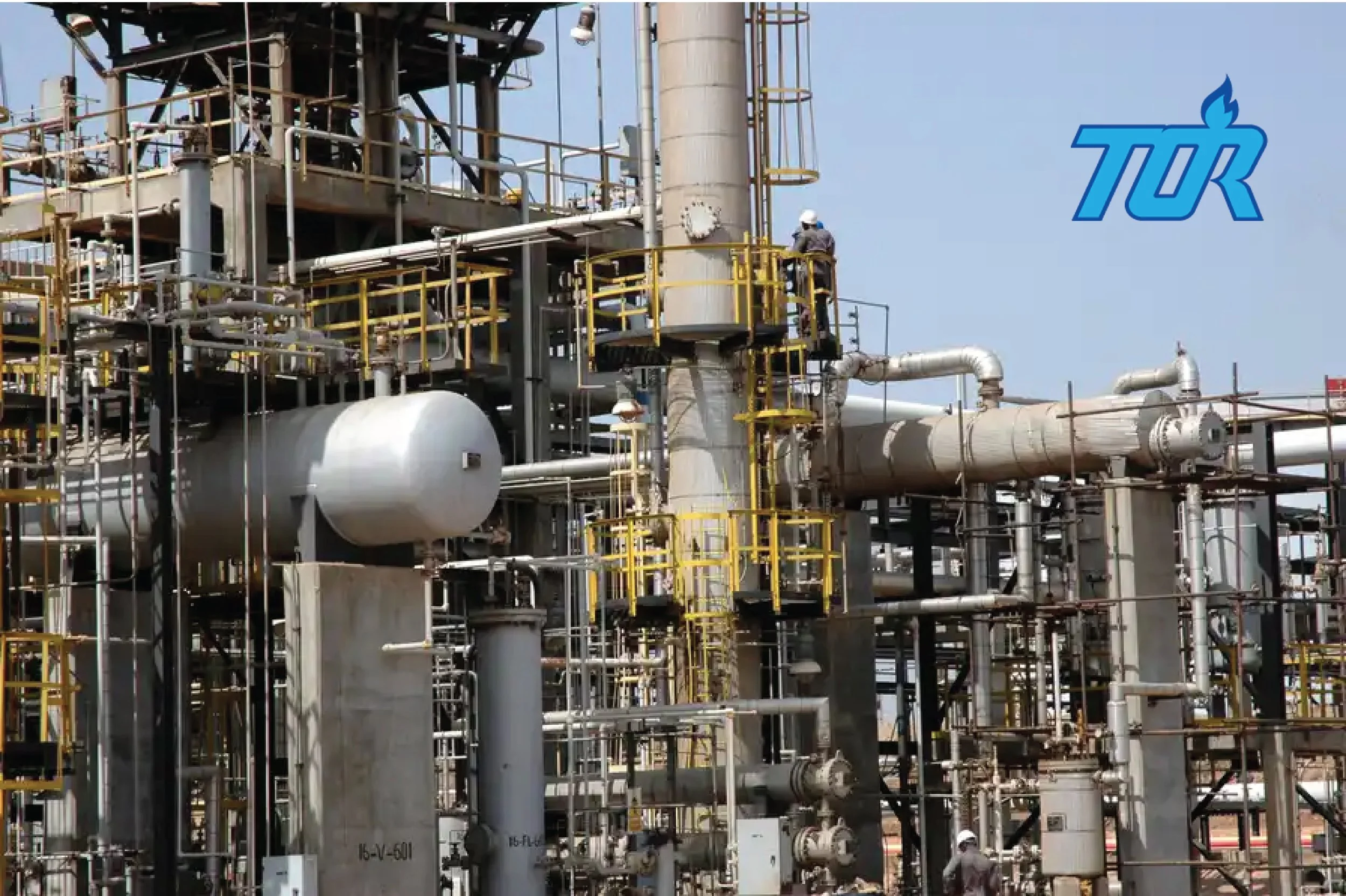
Accra | January 6, 2025 — In a New Year’s memo, TOR Managing Director Edmond Kombat outlined major expansions including a new 100,000 bpsd refinery and petrochemical plant to produce high-value chemicals like ethylene and propylene. Complementary upgrades include the Residue Fluid Catalytic Cracker (RFCC) for increased gasoline yields and a 120-ton boiler with SCADA systems for improved power reliability. These initiatives, part of the reset agenda emphasizing transformation and optimization, follow the refinery’s December 2024 resumption of crude processing after years of inactivity.
TOR’s current 28,000 bpsd output—62% of capacity—is set to rise to 60,000 bpsd medium-term, potentially saving Ghana $400 million monthly on imports and strengthening foreign reserves amid global energy volatility.
2026 Outlook: Expansions and Petrochemical Ambitions
The reset agenda continues with a focus on operational excellence, financial restructuring, and workforce optimization. Kombat’s memo highlights priority projects: RFCC turnaround maintenance to boost premium yields; commissioning the F-61 furnace to achieve 45,000 bpsd capacity; installing the 120-ton boiler, Generator 4, and SCADA systems for real-time steam generation monitoring; upgrades to loading gantry and quality control lab for global standards compliance; and deployment of radar tank gauging and custody transfer flow metering to ensure inventory precision and regulatory compliance.
The centerpiece remains the new 100,000 bpsd refinery and petrochemical complex, designed to integrate downstream value chains by producing industrial feedstocks for plastics and fertilizers, reducing Ghana’s chemical import dependence.
Supporting projects include rehabilitating the MOP Building and Safety Block, constructing staff residences, and developing a modern specialist hospital to boost employee welfare and retention. Kombat called for "professionalism, shared responsibility, and high standards" to make 2026 a year of “greater results and excellence.”
These efforts, funded via government allocations, international loans, and partnerships, mark TOR’s evolution from survival to competitive expansion within West Africa’s refining sector.
2025 Overhaul: Foundations of Revival
The groundwork was laid in 2025 under President John Dramani Mahama’s industrial reset. Kombat, appointed managing director in May with Energy Minister John Abdulai Jinapor’s support, led a crucial three-month Turnaround Maintenance (TAM) of the Crude Distillation Unit (CDU) from August to October, funded internally and completed ahead of schedule.
“This achievement follows the successful completion of major TAM on the CDU within three months,” TOR declared in a December 27 press release, affirming adherence to global safety standards. The National Petroleum Authority (NPA) cleared operations on December 19, enabling the first crude processing in years.
Operating initially at 28,000 bpsd, TOR is stabilizing systems and optimizing performance as part of a phased return to full capacity. Kombat praised the team’s “resilience, professionalism, and dedication,” thanking President Mahama for “visionary leadership” and Jinapor for “technical oversight.” ERP digital integrations improved financial and HR efficiency, phasing out legacy inefficiencies.
A Legacy Marred by Setbacks
TOR’s resurgence contrasts its storied history. Launched in 1963 as Ghanaian-Italian Petroleum Company, it was West Africa’s first refinery with 45,000 bpsd capacity, processing gasoline, diesel, and LPG for domestic and export markets. But decades of neglect culminated in a 2017 CDU fire, halting operations. By April 2019, TOR was reduced to a blending depot amid aging assets, debts, and operational disruptions—exacerbating Ghana’s import dependence and reflecting a broader African refining crisis where outdated facilities struggle against global competition.
Broader Economic Impact and Regional Parallels
A fully operational TOR could process local crude from Jubilee and TEN fields, stabilizing fuel prices, creating hundreds of jobs immediately and thousands more with expansion, and advancing green fuel initiatives. Challenges like crude procurement—given Ghana exports much of its 180,000 bpd production—and debt remain, but government support helps mitigate these.
TOR’s revival mirrors Nigeria’s Dangote Refinery, Africa’s largest at 650,000 bpsd. In early 2026, Dangote debunked shutdown rumors while conducting routine CDU and RFCC maintenance, temporarily pausing crude processing to expand capacity to 700,000 bpd but maintaining daily petrol production of 40–50 million liters. Both reflect West Africa’s drive to reduce import reliance—Dangote as a private mega-project, TOR as a state-led ambition.
Shared challenges—volatile crude supply, regulatory uncertainty, and competition from importers—underscore the need for supportive policies. In a region hungry for energy independence, TOR’s reset agenda signals Ghana’s emergence as an energy-resilient nation, strengthening the downstream ecosystem across sub-Saharan Africa.
