
TOR–Ghana Gas Talks Signal Refinery Gas Switch as Ghana Deepens Integrated Energy Reset
Tema Oil Refinery’s push to restore full operational strength is converging with Ghana’s expanding gas architecture, as TOR’s Managing Director engaged the Chief Executive Officer of Ghana Gas on a pipeline pathway that would shift refinery utilities from fuel oil to natural gas. The talks place refinery modernization inside Ghana’s wider gas-to-industry reset, where infrastructure, supply expansion, and industrial demand are being aligned to anchor energy sovereignty while advancing a lower-emissions operating model for heavy industry.

Ghana’s downstream recovery and gas monetization drive intersected in Tema this week as the Managing Director of Tema Oil Refinery, Mr. Edmond Kombat, Esq., paid a strategic courtesy call on the Chief Executive Officer of Ghana Gas, Judith Adjobah Blay, reinforcing an institutional partnership that is quietly becoming central to the country’s energy system redesign.
The 27 January engagement moved beyond protocol into the operational future of both entities. Representing Ghana Gas alongside the CEO were the Ing. Robert Lartey, Deputy CEO (Technical); Mr. Maxwell Kally, General Manager, Engineering and Maintenance; Mr. Stephen Borteye Jomo, General Manager, Commercial Operations; and other members of the management team. The TOR delegation, led by Mr. Kombat, included key technical and management staff.
At the heart of discussions was infrastructure expansion to enable a dedicated gas pipeline to TOR, a step that would allow the refinery’s Utilities Division to transition from fuel oil to natural gas for boiler operations.
The shift is technical, commercial, and structural all at once. TOR remains the sole receiver and storage facility for condensate from Ghana Gas, making the two institutions interdependent nodes within Ghana’s hydrocarbon value chain. Moving refinery utilities from liquid fuel to gas reduces operating costs, lowers emissions intensity, and aligns refinery operations with the country’s broader gas-first industrial energy strategy.
This is not an isolated conversation. It fits squarely within Ghana’s gas-to-power and gas-to-industry reset, where policymakers and state energy leaders are repositioning domestic gas as the backbone of energy security, industrial competitiveness, and transition-era pragmatism. Recent high-level alignment between the Energy Ministry and the Vice Presidency around large-scale upstream development underscores the supply-side ambition, while downstream and midstream actors are now adjusting infrastructure to absorb that future gas.
For Ghana Gas, the TOR discussions sit alongside ongoing investments tied to the Gas Processing Plant II expansion and intensified engagement with industrial off-takers in Tema. The direction is clear: scale processing, extend transmission, lock in anchor demand. TOR’s potential conversion to pipeline gas for utilities represents precisely the kind of stable, large-volume offtake that strengthens the commercial logic of upstream and midstream expansion.
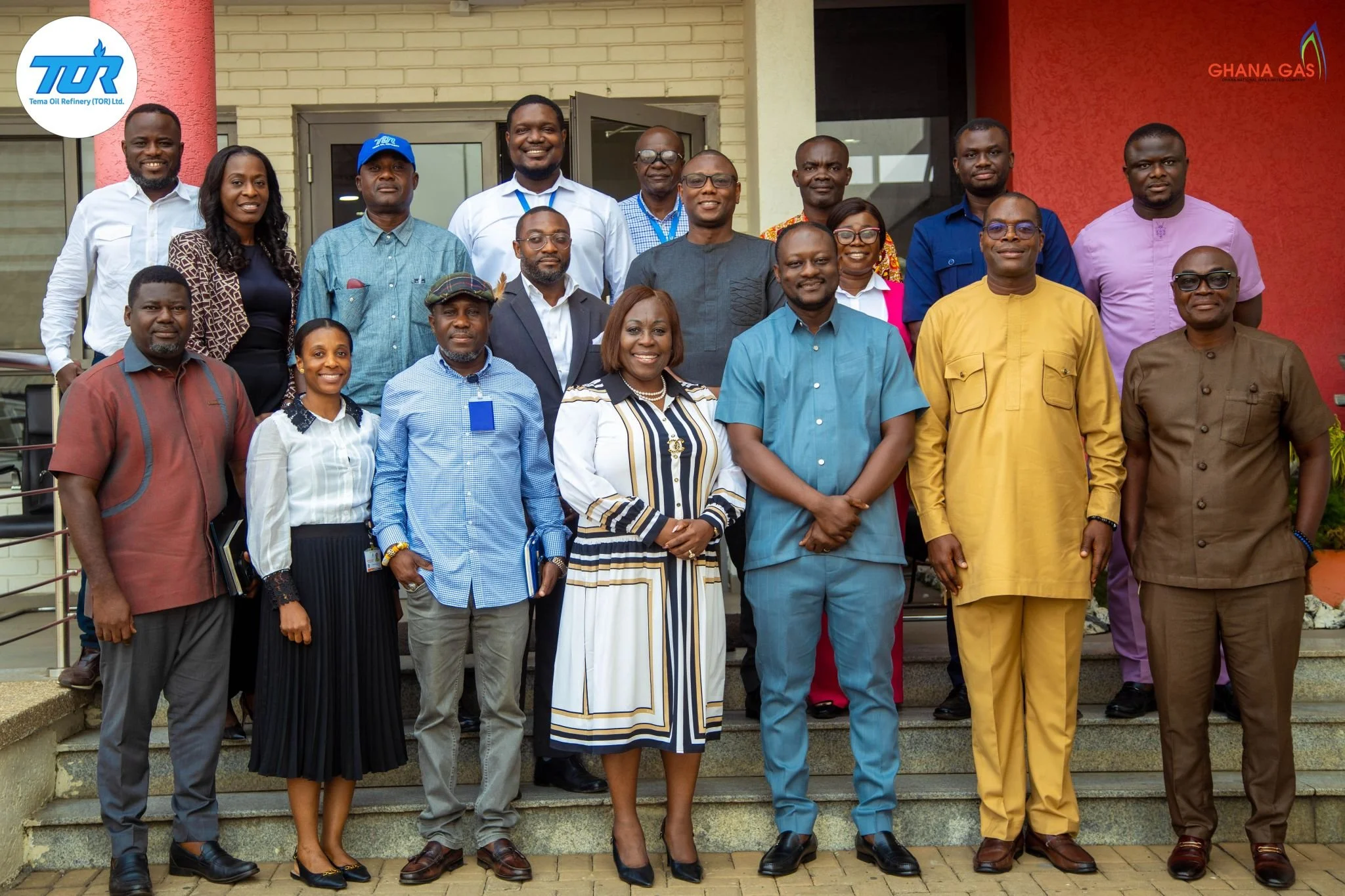
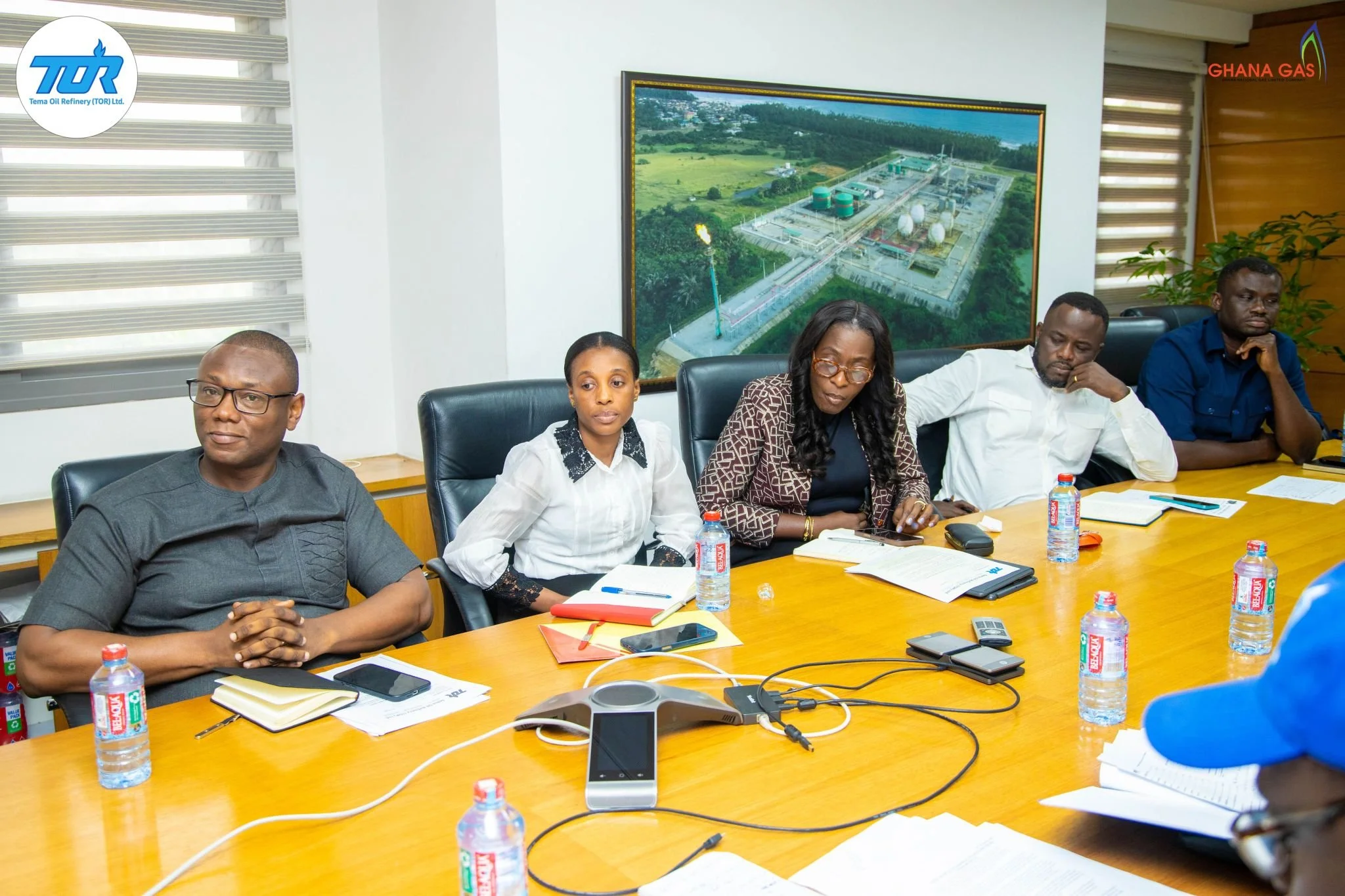
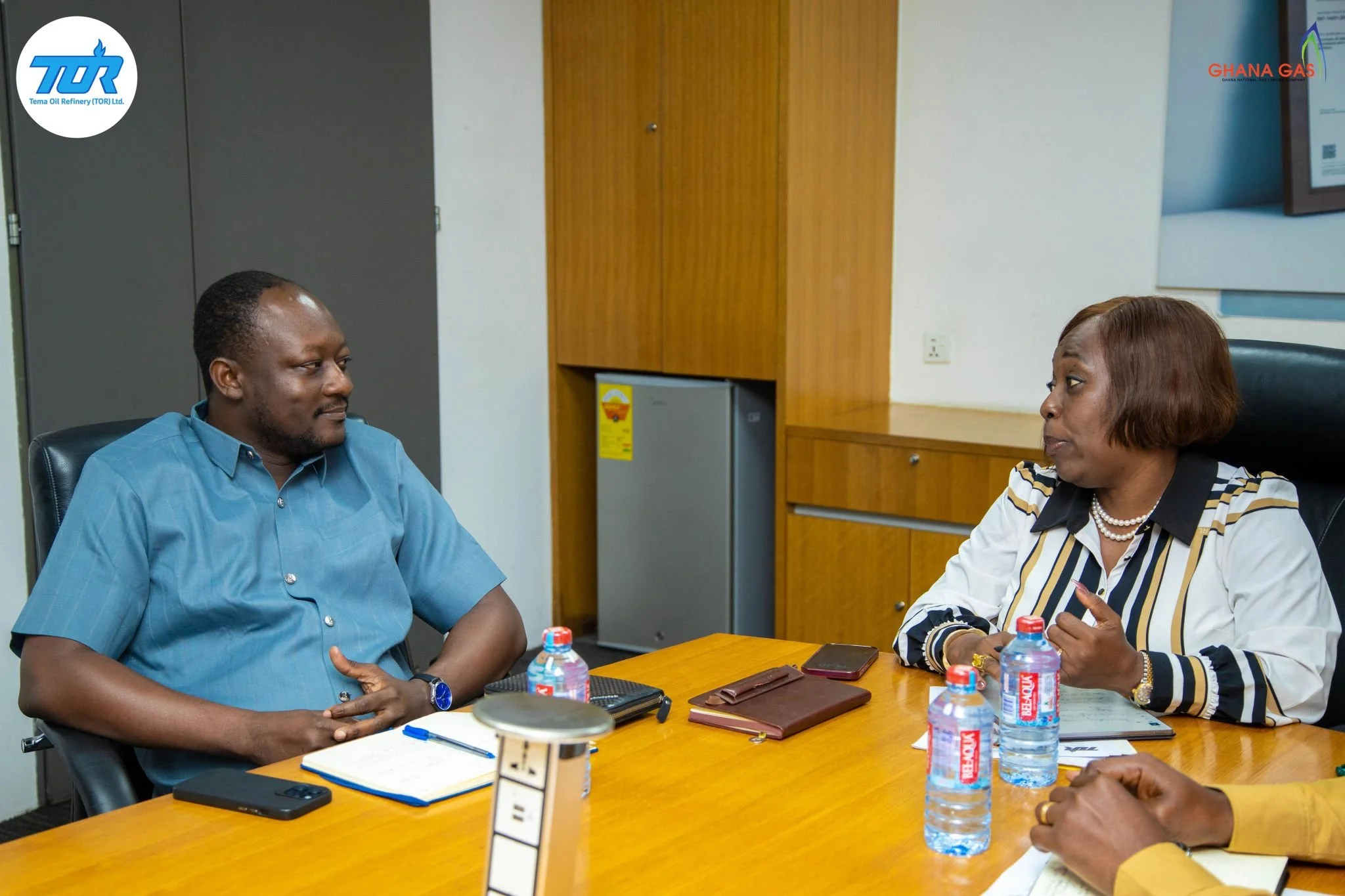
For TOR, the transition carries strategic weight as the refinery works toward restoring full operational capacity. Cleaner fuel for utilities improves process efficiency and environmental performance while signaling that refinery modernization in Ghana will not be divorced from the country’s green transition trajectory. Gas, in this frame, functions as a lower-carbon bridge that enables industrial recovery without locking in the highest-emission pathways.
The composition of both delegations, spanning engineering, maintenance, and commercial leadership, suggests that implementation questions are now sharing the table with policy intent. Pipeline routing, tie-in infrastructure, metering, commercial terms, and supply assurance are the kinds of issues that turn strategic alignment into steel in the ground.
Taken together with upstream push, processing expansion, and growing industrial offtake coordination, the TOR–Ghana Gas engagement illustrates a broader pattern. Ghana is not merely adding projects; it is tightening linkages. Refinery, processing plant, pipeline network, and power and industrial users are being drawn into a more integrated national energy system, shaped by state-owned enterprises that are increasingly operating in concert rather than in silos.
In that sense, the Tema meeting reads as more than a courtesy call. It is a working session in the architecture of a system where gas molecules, infrastructure corridors, and institutional strategy are being aligned to serve energy sovereignty, industrial revival, and a managed transition path.
