Energy Minister, Vice President Align on $3.5bn Upstream Push to Anchor Ghana’s Energy Sovereignty
A high-level engagement between the Energy Minister and Vice President Prof. Jane Naana Opoku-Agyemang has crystallised energy as a central pillar of the government’s Reset agenda, recasting oil and gas policy as a sovereignty and resilience strategy rather than a narrow sectoral fix. At the heart of the discussions is a $3.5 billion upstream expansion drive designed to deepen reliance on indigenous gas, cut exposure to imported fuel volatility, and structurally lower the cost base of power generation. The message from the meeting is clear: energy security is now economic security, and Ghana’s path to stability runs through domestic molecules, disciplined pricing, and long-term control over its own energy destiny.
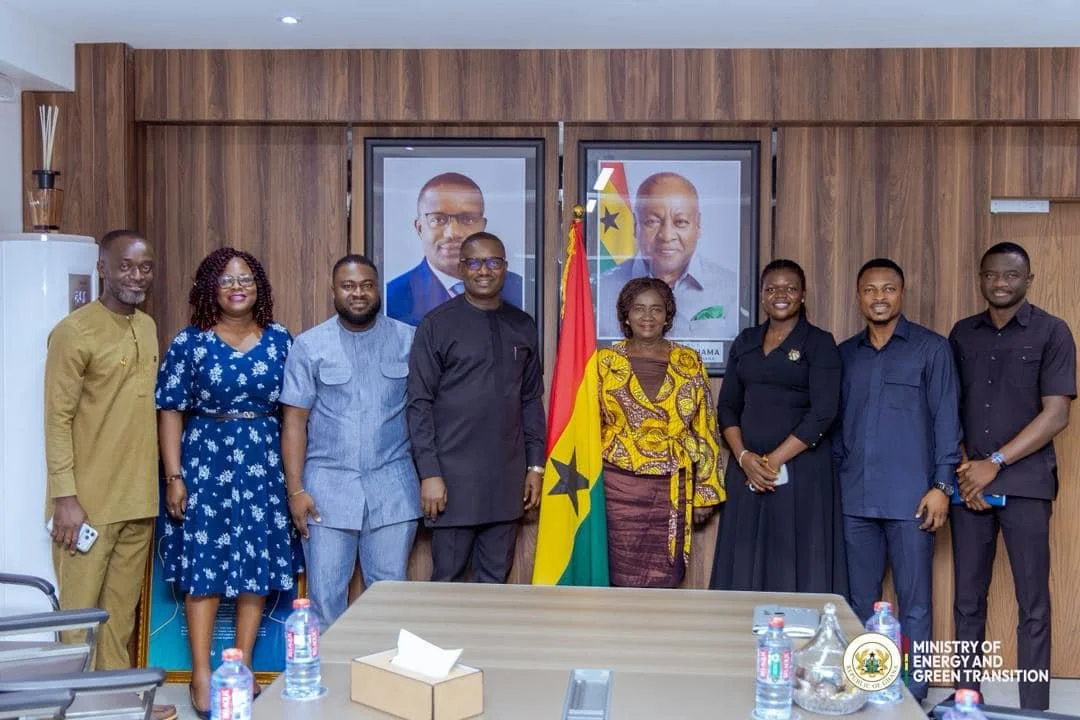
Accra | January 28, 2026 — After half a decade in retreat, Ghana’s upstream oil and gas sector is signalling a strategic pivot from recovery to expansion, anchored in a $3.5 billion capital infusion designed not merely to rescue output, but to bend the cost curve for everyday Ghanaians.
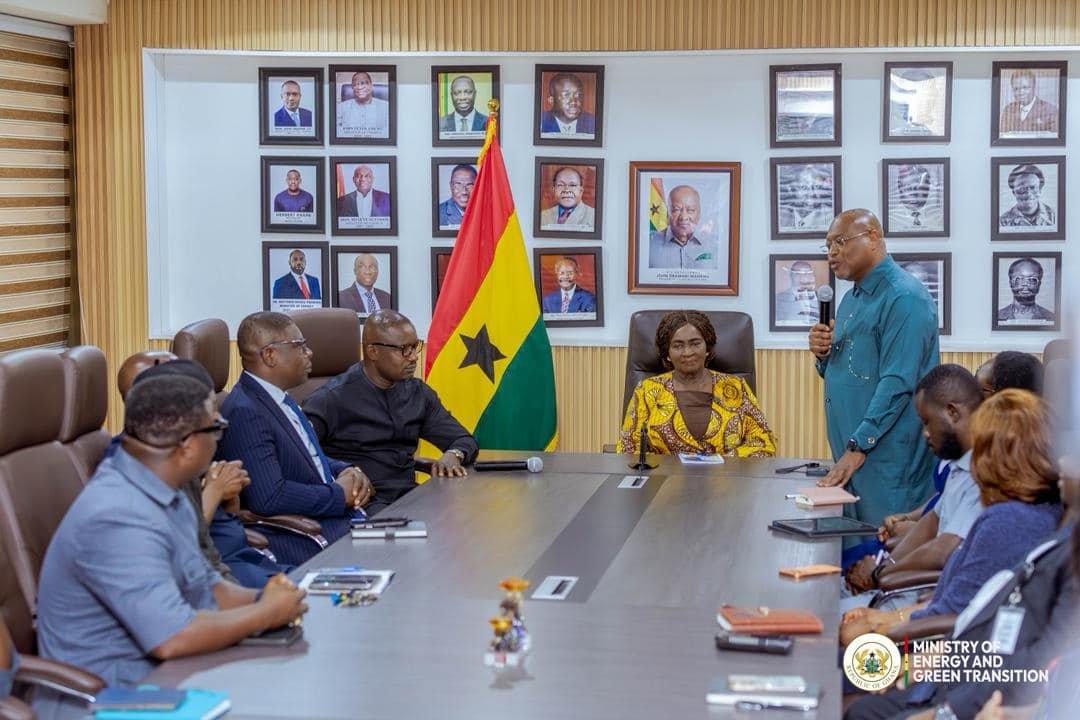
Following a high-level working visit to the Ministry of Energy by Vice President Prof. Jane Naana Opoku-Agyemang on January 27, Accra’s policy circles have interpreted government intent with fresh urgency: this is a campaign not only to revive barrels and cubic feet, but to permanently lower the energy component of living costs.
The Jubilee “Rebound” Deal: $2 Billion for Production and Pricing
At the centre of the strategy is a $2 billion agreement with the Jubilee Partners — Tullow Oil, Kosmos Energy, PetroSA and the Ghana National Petroleum Corporation — now before Parliament for ratification. After years of contraction, this pact is expected to arrest and reverse decline, adding an estimated 70 million standard cubic feet per day (MMSCFD) of gas and materially boosting crude output. More than a volume play, the deal is a pricing lever: by expanding domestic gas supply, Weighted Average Cost of Gas (WACOG) will be driven down from $3.1 to $2.5 per MMBtu, according to the Minister’s January 27 briefing. By easing an acute supply bottleneck, the initiative aims to reshuffle cost structures in the power and industrial sectors, curbing inflationary pressures linked to fuel inputs.
Sankofa Deepening: $1.5 Billion for Long-Term Gas-to-Power
Running parallel is a $1.5 billion investment with the Sankofa Partners — Eni and Vitol — concentrated on deepening the Eban-Akoma fields. This phase prioritises sustainability: securing a resilient “Gas-to-Power” backbone that can displace imported liquid fuels with steadier, cheaper domestic gas. Market watchers see this as a confidence-building move for investors, following the withdrawal of the Afina unitisation directive in early 2025, a policy shift credited with reducing upstream regulatory risk. By solidifying what government officials call the “Western Command” of Ghana’s energy architecture, the Sankofa Deepening positions Accra to weather future price volatility while anchoring long-term supply commitments.
IMF Alignment: Fiscal Discipline as a Risk Shield
Ghana’s energy plans are not being done carelessly or in a vacuum. The country is working under rules agreed with the International Monetary Fund, which recently reviewed Ghana’s program and gave its approval.
One key part of this is how electricity and gas prices are adjusted. Instead of waiting for debts to pile up and then suddenly raising prices, the regulator now reviews tariffs every few months. This allows prices to move gradually based on real costs, especially fuel costs.
Now the important part: if Ghana’s own gas becomes cheaper, around $2.5, the cost of producing electricity also drops. When the regulator does its regular review, those lower fuel costs can lead to smaller increases or even relief, rather than sudden painful hikes. It also means the government does not have to keep using emergency subsidies to cover losses in the power sector.


Deloitte’s “75% Reduction” Metric: Quantifying Resilience
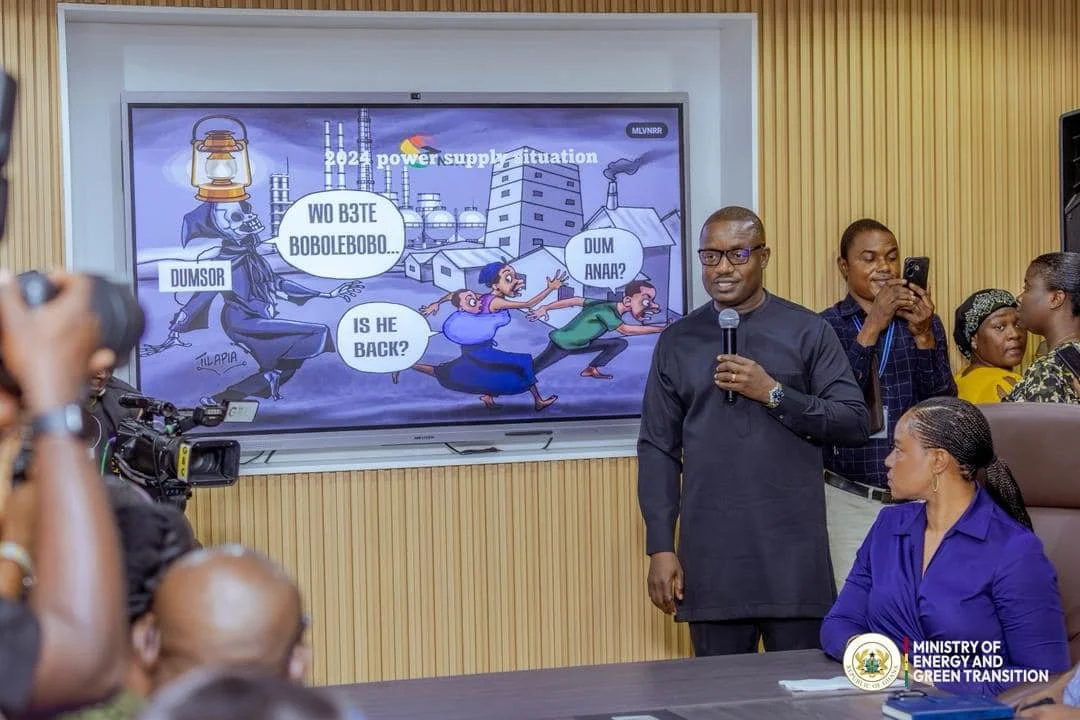
Independent analysis frames this strategy with stark arithmetic. In its 2026 Budget Analysis, advisory firm Deloitte quantified the potential savings from a gas-centered generation mix, estimating up to 75% lower power generation costs compared with reliance on imported light crude. This reduction is not theoretical; it translates into lower production costs for utilities, industries, and ultimately households. In Deloitte’s assessment, utilising domestic resources is the “secret sauce” for energy resilience, with cost efficiencies cascading through the economy and dampening inflation pressures tied to energy inputs.
Backdrop: From Decline to Strategic Reset
Between 2019 and 2024, Ghana’s oil production slid by nearly 40%, a contraction that compounded fiscal pressures and elevated reliance on imported fuels. In late 2025, PURC raised tariffs by 9.8% as high thermal costs squeezed utilities and consumers alike. Against that backdrop, these two major upstream deals, the targeted WACOG adjustment, and IMF-anchored fiscal discipline represent a coordinated response — not just to restore output, but to reshape price dynamics across the energy sector.
Conclusion: Energy Resilience, Reclaimed
Ghana’s current push in the upstream sector marks a structural reset in how the country powers its economy. The focus has shifted toward energy resilience rooted in domestic resources, predictable pricing, and disciplined financing. By anchoring power generation on indigenous gas and unlocking $3.5 billion in private capital, the strategy reduces exposure to imported fuel volatility, currency shocks, and recurring sector debt. This approach strengthens energy sovereignty, keeps more value within the national economy, and builds a system capable of supporting the march toward universal access by 2029 without repeating the cycle of shortages and emergency fixes.
