
Royal Engagement Highlights BOST Energies’ Deepening Commitment to Northern Ghana
BOST Energies’ latest high-level engagement with His Royal Majesty Buipewura Jinapor II signals more than ceremonial diplomacy—it reflects the state-owned petroleum infrastructure giant’s intensifying push to anchor northern fuel security with deeper regional development. As Buipe’s strategic depot operations expand alongside youth empowerment, education and community investments, BOST is increasingly pairing its national energy mandate with broader socio-economic influence, while recent CSR milestones and continental honours reinforce its rising institutional profile.
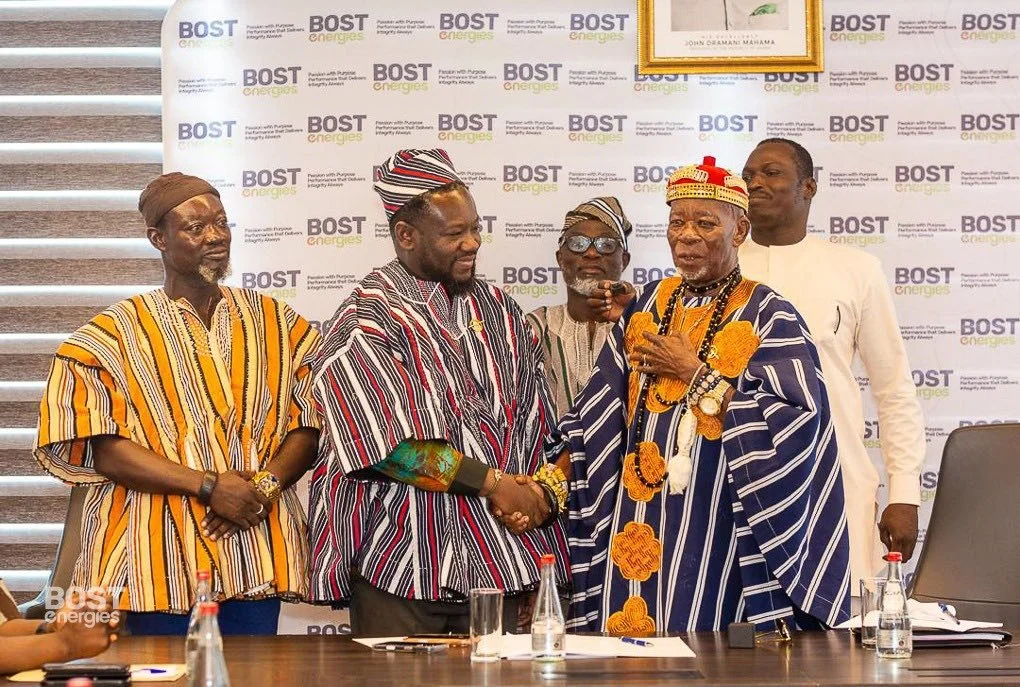
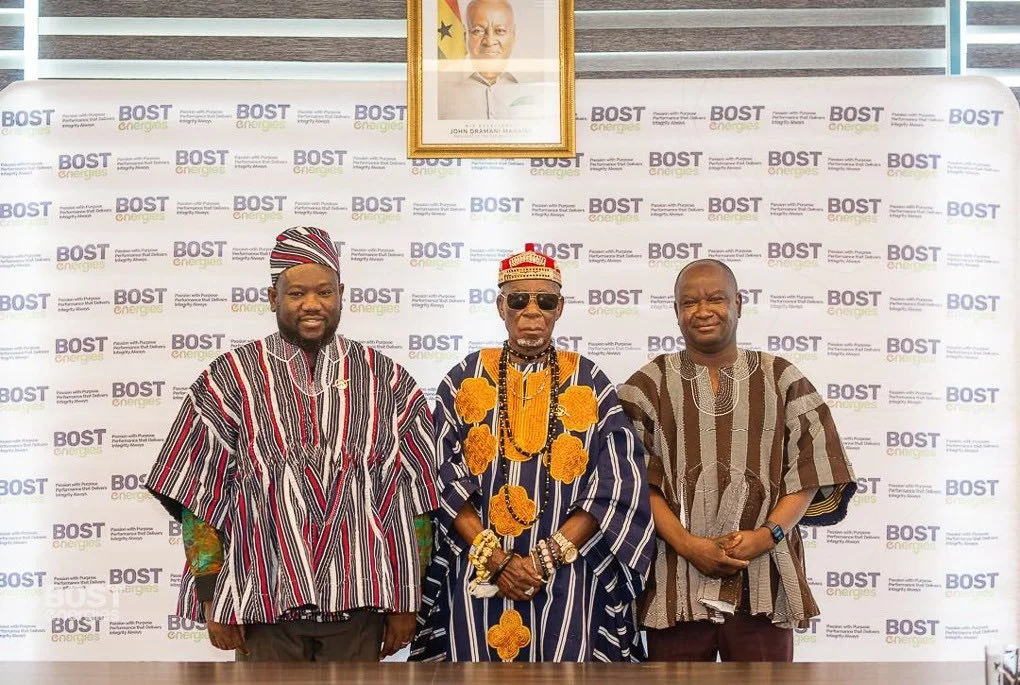
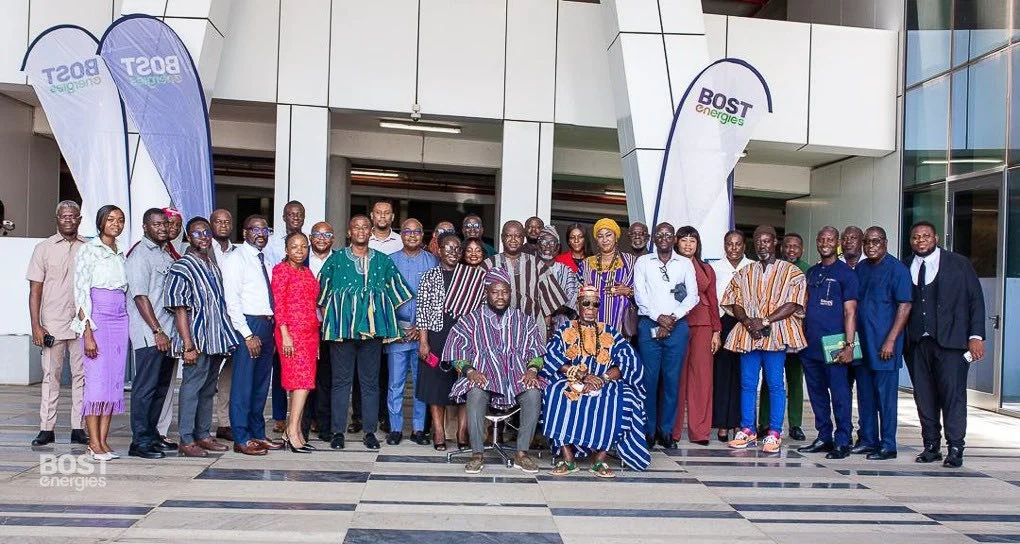
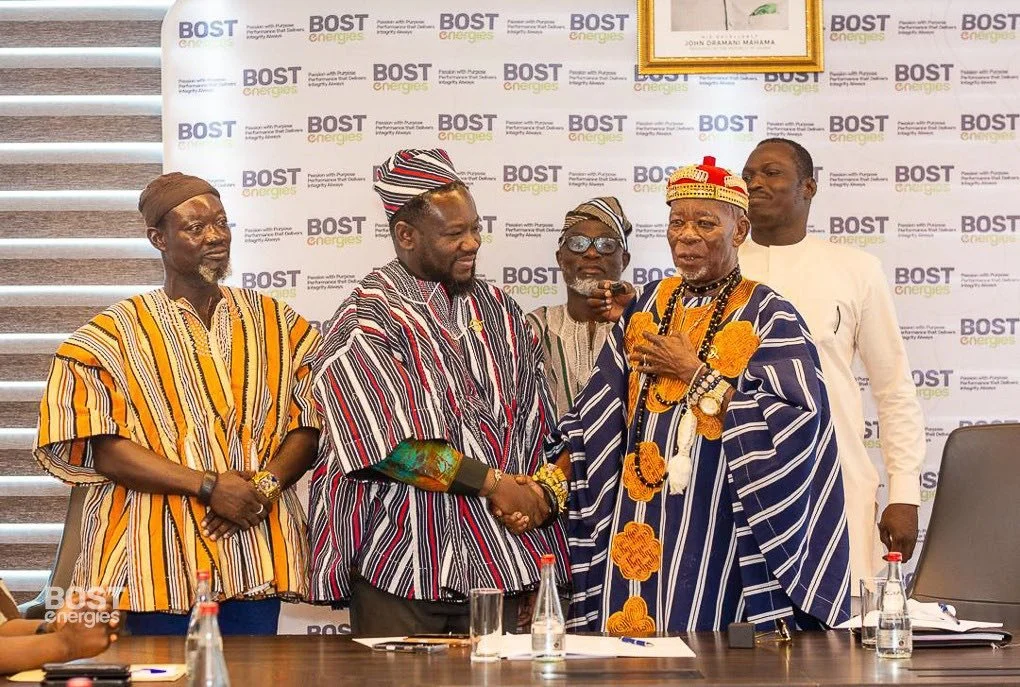
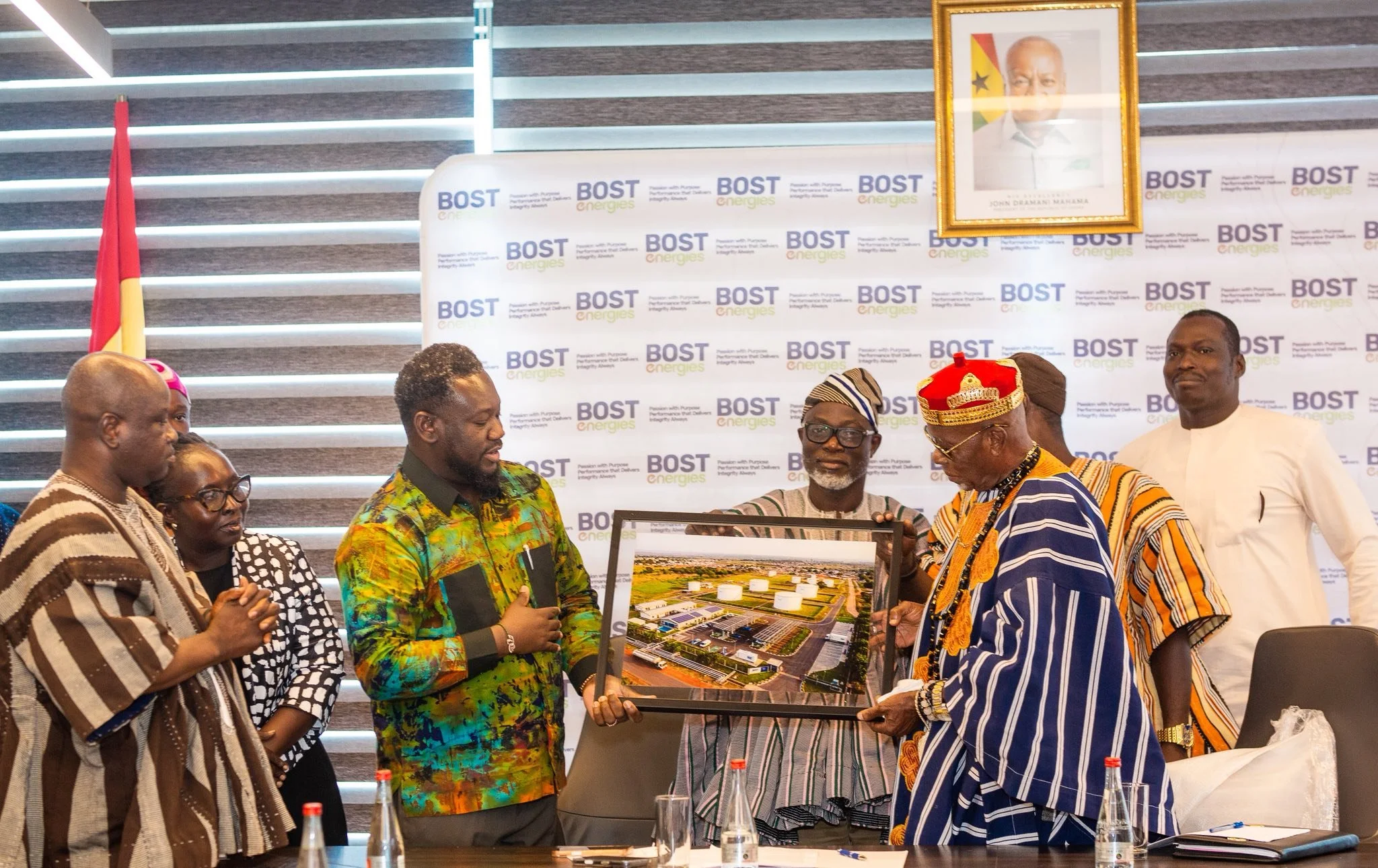
Accra, Ghana | April 29, 2026 - At Ghana’s bulk petroleum logistics backbone, strategic stakeholder engagement took centre stage this week as His Royal Majesty Buipewura Jinapor II paid a high-level courtesy call on BOST Energies’ head office in Accra, reaffirming the deepening relationship between the state-owned downstream infrastructure institution and one of the most strategically significant traditional areas within its northern operational network.
The visit underscored Buipe’s central role in BOST Energies’ northern operations while reinforcing the company’s expanding commitment to combining energy infrastructure with broader community development.
“Buipe is the heartbeat of our northern operations,” the company highlighted, framing the engagement as a reaffirmation of its commitment to Gonja land and the wider northern region.
BOST Energies Expands Northern Footprint Through Infrastructure and Human Capital Investment
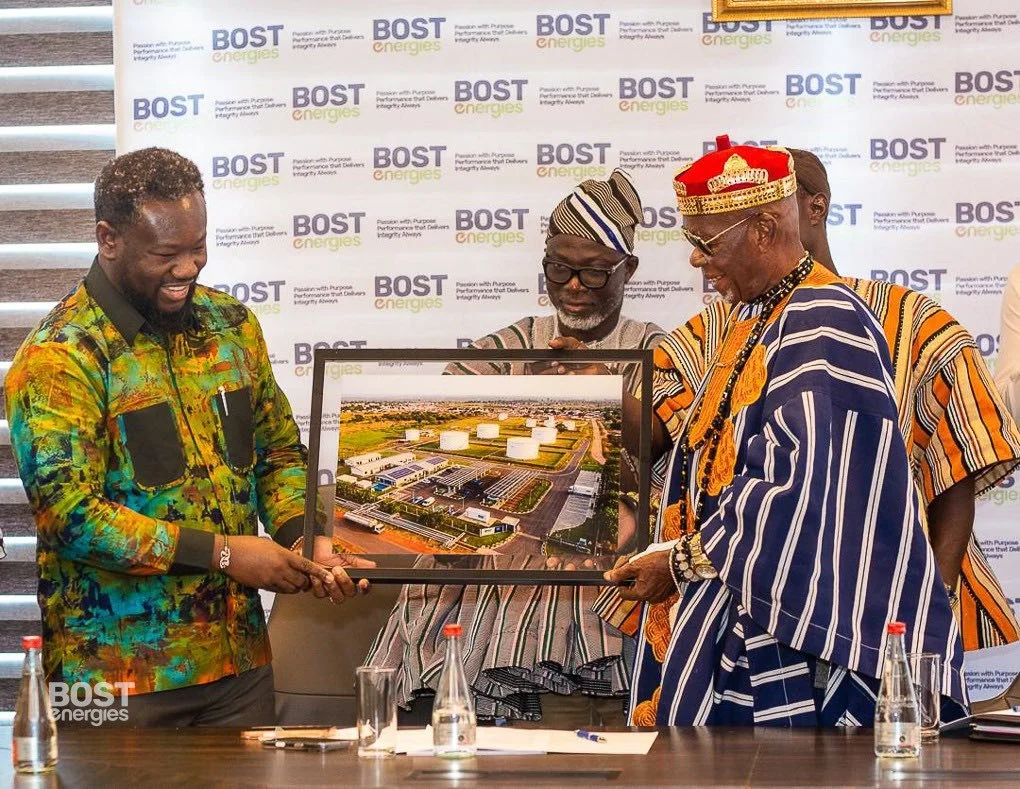
Buipe’s strategic importance within BOST Energies’ national distribution architecture is substantial. With a total storage capacity of 12,000 cubic metres, the Buipe Depot serves as a critical northern fuel logistics hub, handling barge receipts, market loading and pipeline transfers. The facility comprises six tanks for Automotive Gas Oil (AGO/Diesel) and four tanks for Premium Motor Spirit (PMS/Petrol), supplying key markets across the Savannah, North East, Upper East and Upper West regions.
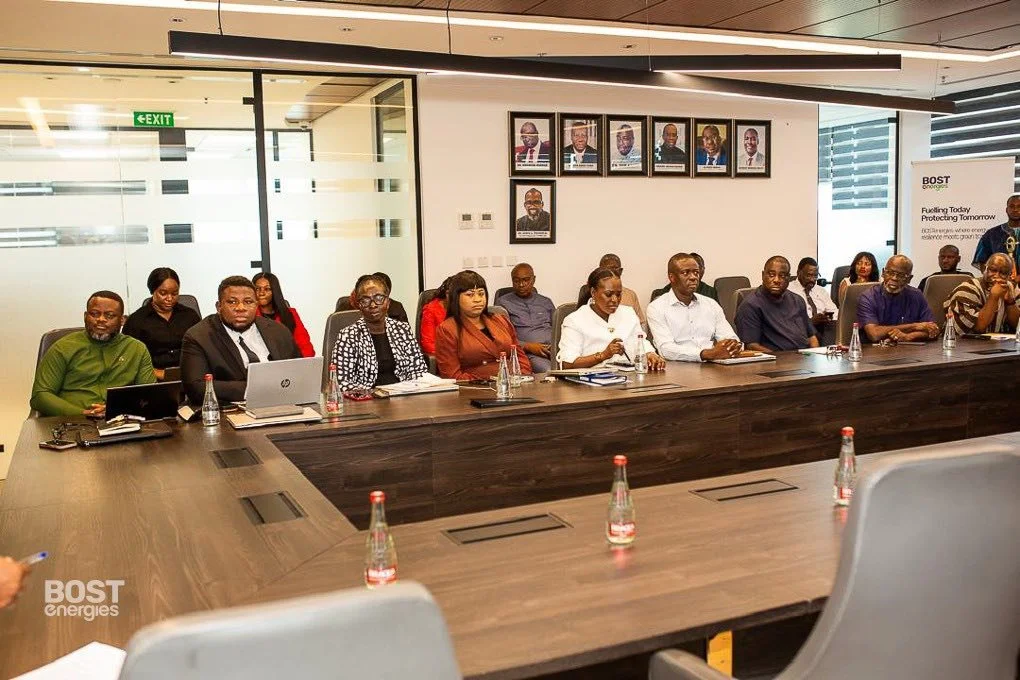
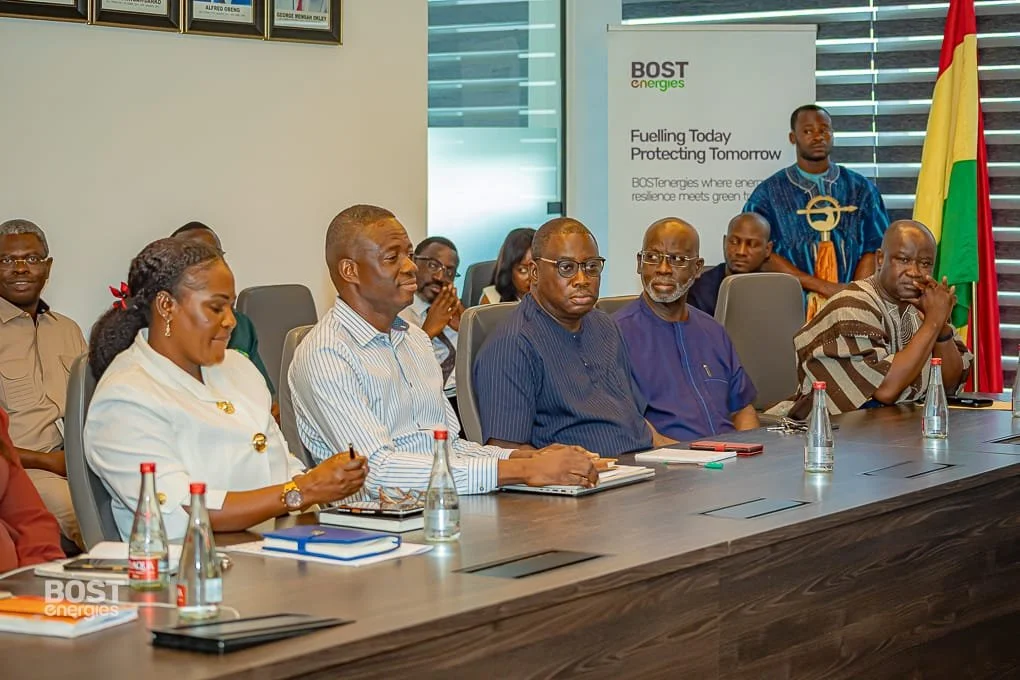
During the engagement, Managing Director Afetsi Awoonor outlined a wide-ranging portfolio of interventions designed to strengthen BOST Energies’ developmental footprint across Buipe and surrounding communities.
These include infrastructure expansion to improve operational capacity and access, the launch of 24-hour operations in Buipe to boost efficiency and create jobs, and the establishment of a state-of-the-art youth training centre in Savelugu.
BOST Energies’ initiatives also extend into education and workforce development through scholarship schemes, National Service recruitment opportunities, ICT empowerment programmes, school renovation planning, support for a new Buipe Community Centre and broader community-led development projects.
Together, these interventions reflect BOST Energies’ growing effort to pair national energy infrastructure with measurable socio-economic investment in host communities.

Traditional Council Support Strengthens Regional Stakeholder Relations
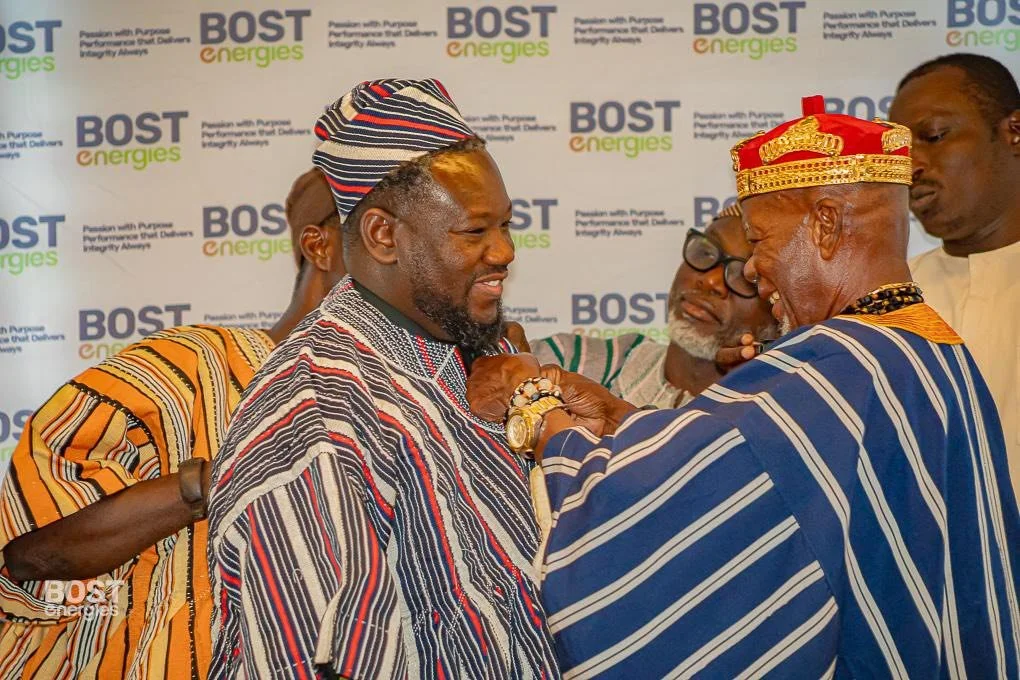
His Royal Majesty Buipewura Jinapor II commended BOST Energies’ leadership and pledged the full support of the Buipe Traditional Council.
This endorsement strengthens BOST Energies’ stakeholder relationships in a region central to its northern logistics operations while reinforcing the company’s community legitimacy as it expands both operationally and socially.
Rather than a purely ceremonial engagement, the visit highlighted BOST Energies’ deliberate emphasis on sustaining strong partnerships with traditional leadership as part of its broader regional presence.
CSR Expansion Demonstrates Broader National Community Impact
The Buipe courtesy call follows BOST Energies’ continued expansion of its corporate social responsibility initiatives beyond northern Ghana.
On April 10, 2026, under the leadership of Deputy Managing Director Nat Salifu Acheampong, BOST Energies commissioned the Hopesetters Autism Centre in Tema after donating learning materials and an eight-bedroom dormitory to support children living with autism.
This intervention broadened BOST Energies’ social investment profile and demonstrated a wider national commitment to community welfare beyond its core petroleum infrastructure mandate.
Continental Recognition Elevates BOST’s Institutional Visibility
BOST Energies’ growing profile has also received continental recognition.
At the African Government Leadership Summit & Awards, the company secured three honours: Best State-Owned Enterprise in Energy Infrastructure Development, Excellence in Corporate Social Responsibility, and Public Sector Leadership in Strategic Infrastructure Expansion.
These recognitions reinforced BOST Energies’ rising institutional visibility and validated its operational, developmental and social impact efforts within Ghana’s public sector landscape.
A Broader Operational and Developmental Footprint
The royal courtesy call, national CSR interventions and continental recognition collectively illustrate a company broadening its footprint beyond petroleum logistics alone.
While BOST Energies remains fundamentally Ghana’s strategic bulk petroleum storage and transportation institution, its recent activities suggest an increasingly deliberate effort to integrate infrastructure development with social investment, regional empowerment and stakeholder engagement.
Strategic Significance for Ghana’s Downstream Sector
At a time when Ghana’s downstream petroleum sector faces rising demands for operational resilience, decentralised growth and stronger public accountability, BOST Energies evolving model carries important strategic implications.
By coupling infrastructure expansion with community investment and stakeholder diplomacy, BOST Energies is strengthening its role not only as a national energy security institution but also as an increasingly visible contributor to broader socio-economic development.
In this framework, safeguarding Ghana’s energy future extends beyond fuel supply chains alone—it increasingly involves fostering durable partnerships, expanding regional opportunity and building institutional trust.
