
Energy Commission Advances Gender Policy Review as Certification Pipeline Expands
As Ghana’s energy sector confronts the dual challenge of widening participation and tightening technical standards, the Energy Commission of Ghana is moving on two fronts—reviewing a draft gender policy to address structural imbalances, while expanding its certification pipeline to reinforce electrical safety and workforce readiness. From a high-level Board session in Takoradi to a national certification stage in Accra, the developments signal a regulator recalibrating both who enters the sector and how it operates, even as these efforts proceed along distinct institutional tracks.
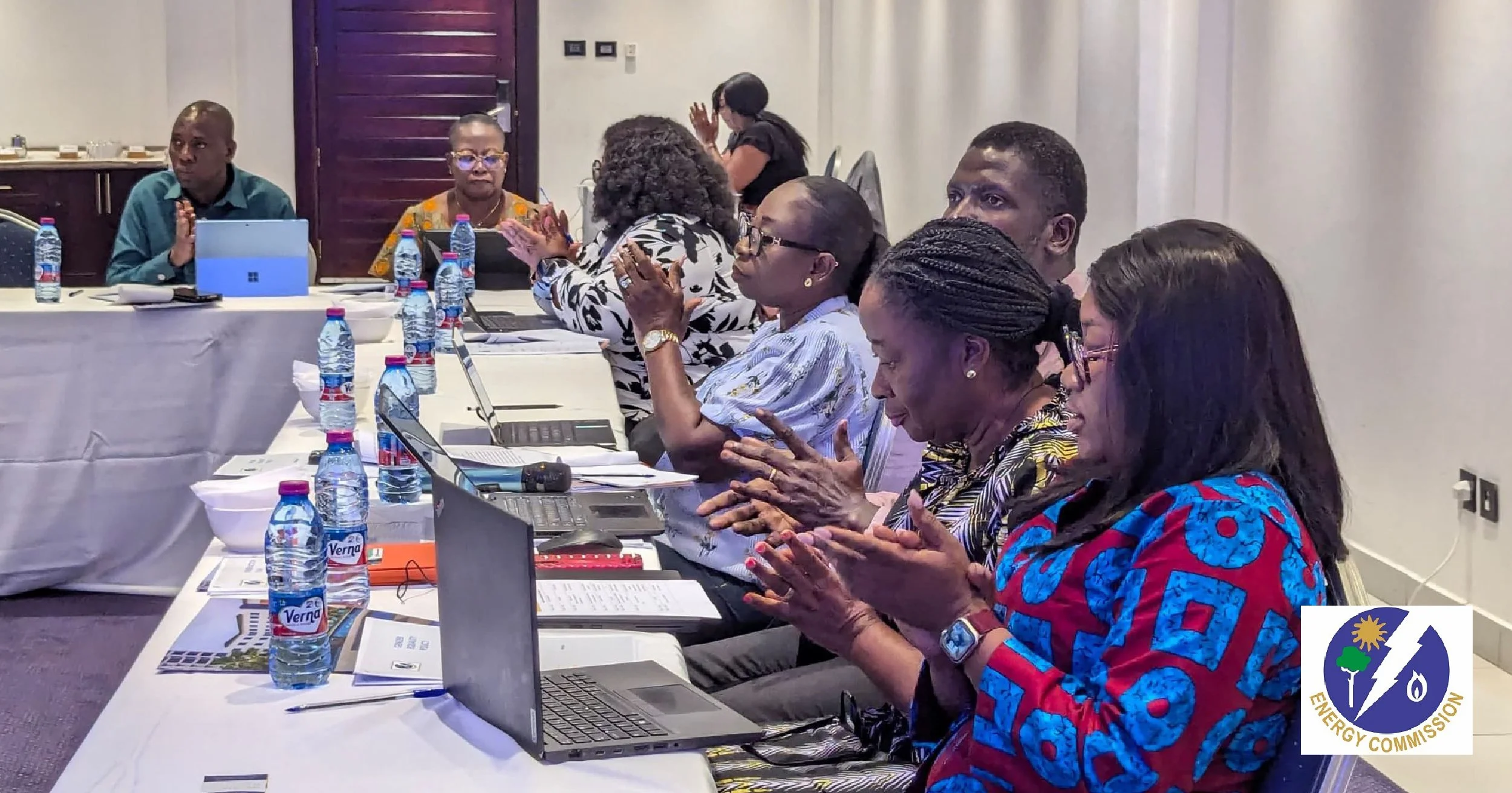
Accra, Ghana | April 28, 2026 - At a moment when Ghana’s energy sector is being pressed to expand both its talent base and its institutional inclusiveness, the Energy Commission of Ghana is advancing two parallel priorities—reviewing a draft gender policy aimed at correcting structural imbalances, while continuing to scale its electrical certification programme to strengthen technical standards. The developments, unfolding across Takoradi and Accra, reflect a regulator increasingly attentive not just to compliance and safety, but to the composition and capability of the workforce it oversees.
Gender Policy Review Takes Centre Stage in Takoradi
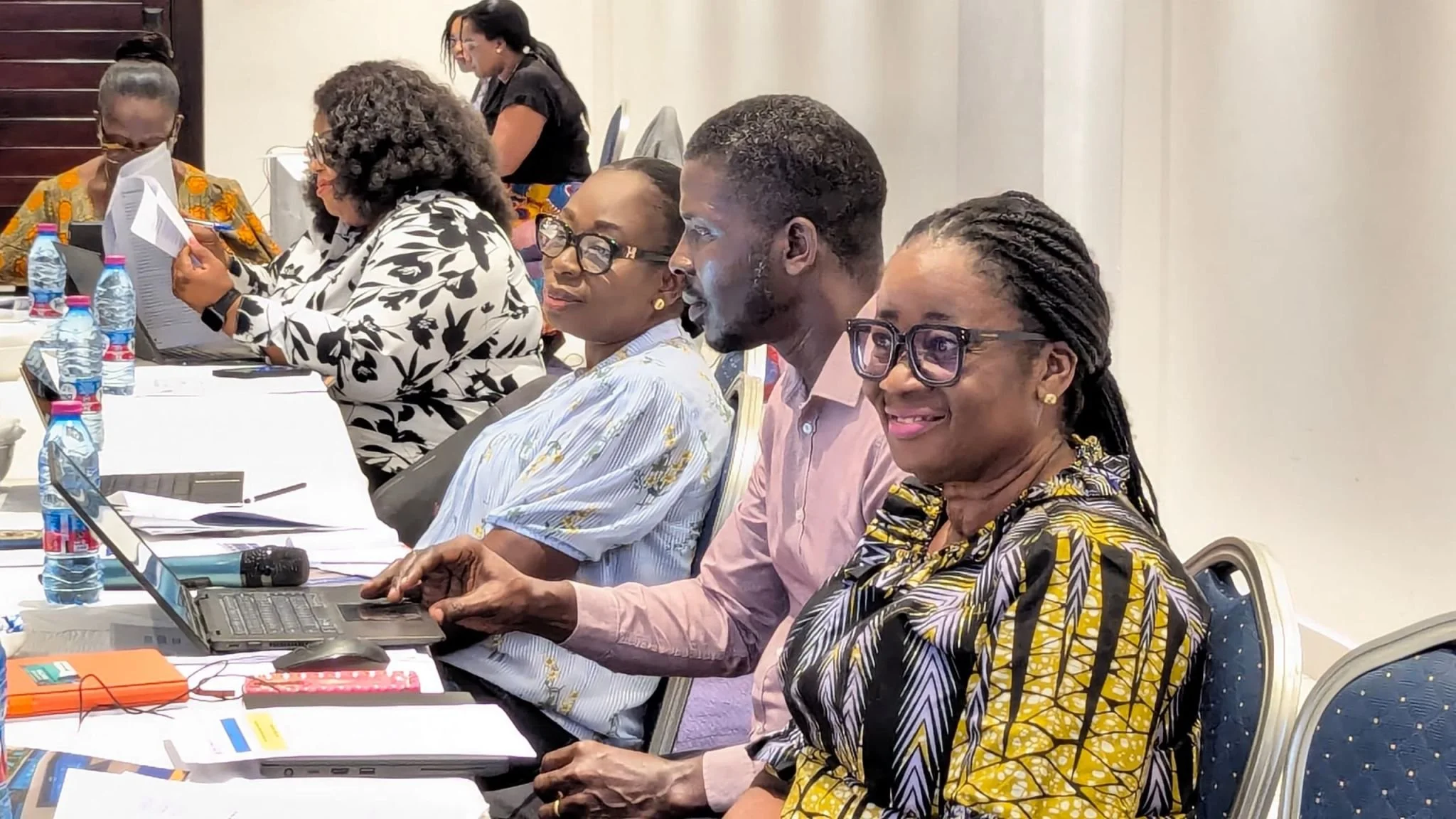
The Energy Commission of Ghana has initiated a critical step toward formalising gender inclusion within its regulatory architecture, convening a special Board session in Takoradi to review a draft Gender Policy and Action Plan.
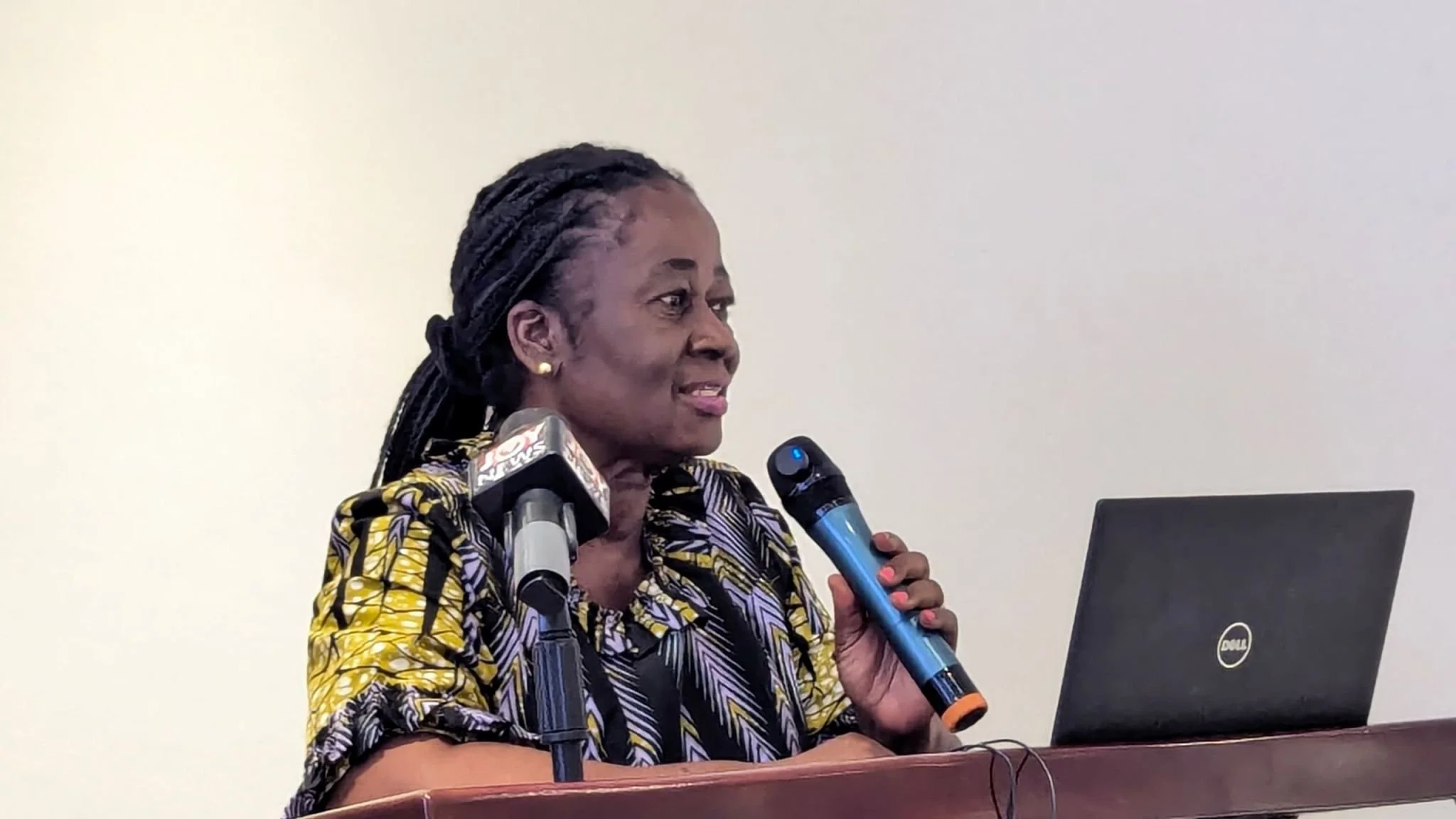
Held at the Western Serene Atlantic Hotel, the meeting examined a framework developed by SUNREF, technical consultant Dr. Rose Mensah Kutin and the Commission’s Gender Working Group. The policy is designed to address persistent inequalities in participation and access within Ghana’s energy sector, aligning with broader national efforts to mainstream gender considerations across public institutions.
It follows closely on Ghana’s recent launch of the Revised National Gender Policy (2025–2034) by the Ministry of Gender, Children and Social Protection, a ten-year national framework unveiled to coincide with the country’s commemoration of International Women's Day. Designed around six strategic objectives, the policy establishes a comprehensive roadmap for strengthening legal and institutional protections, promoting equal participation across economic and political life, addressing gender-based violence, and embedding gender considerations into planning, budgeting, and service delivery. Developed through an extensive consultative process with support from partners, including UNFPA Ghana and UNICEF Ghana, the framework positions gender equality as both a social imperative and a driver of economic development. Officials have emphasised that its success will hinge on implementation discipline—particularly through gender-responsive budgeting and measurable accountability—while reinforcing alignment with existing legislation such as the Affirmative Action (Gender Equity) Act, 2024 (Act 1121).
Joining the session virtually, Acting Executive Secretary Adwoa Serwaa Bondzie emphasised the institutional stakes, cautioning that a regulator that does not reflect the diversity of the sector risks perpetuating structural imbalances within it. Her remarks reinforce a growing policy orientation within the Commission that positions inclusion as integral to effective regulation.
Board-Level Consensus on Strategic Importance
Board Chairman Professor John Gartchie Gatsi underscored the policy’s strategic importance, noting that gender equality remains central to building a more inclusive and efficient energy ecosystem. Board Member Dr. Audrey Smock highlighted the need to account for differentiated experiences across the sector, while Dr. Kutin stressed that embedding gender considerations into energy planning is essential to addressing longstanding disparities, including the underrepresentation of women and unequal access to services.
The Takoradi meeting forms part of a broader consultative process, with further stakeholder engagements expected before the policy is finalised. Once adopted, the framework is expected to shift the Commission from high-level commitments toward structured implementation and measurable accountability.
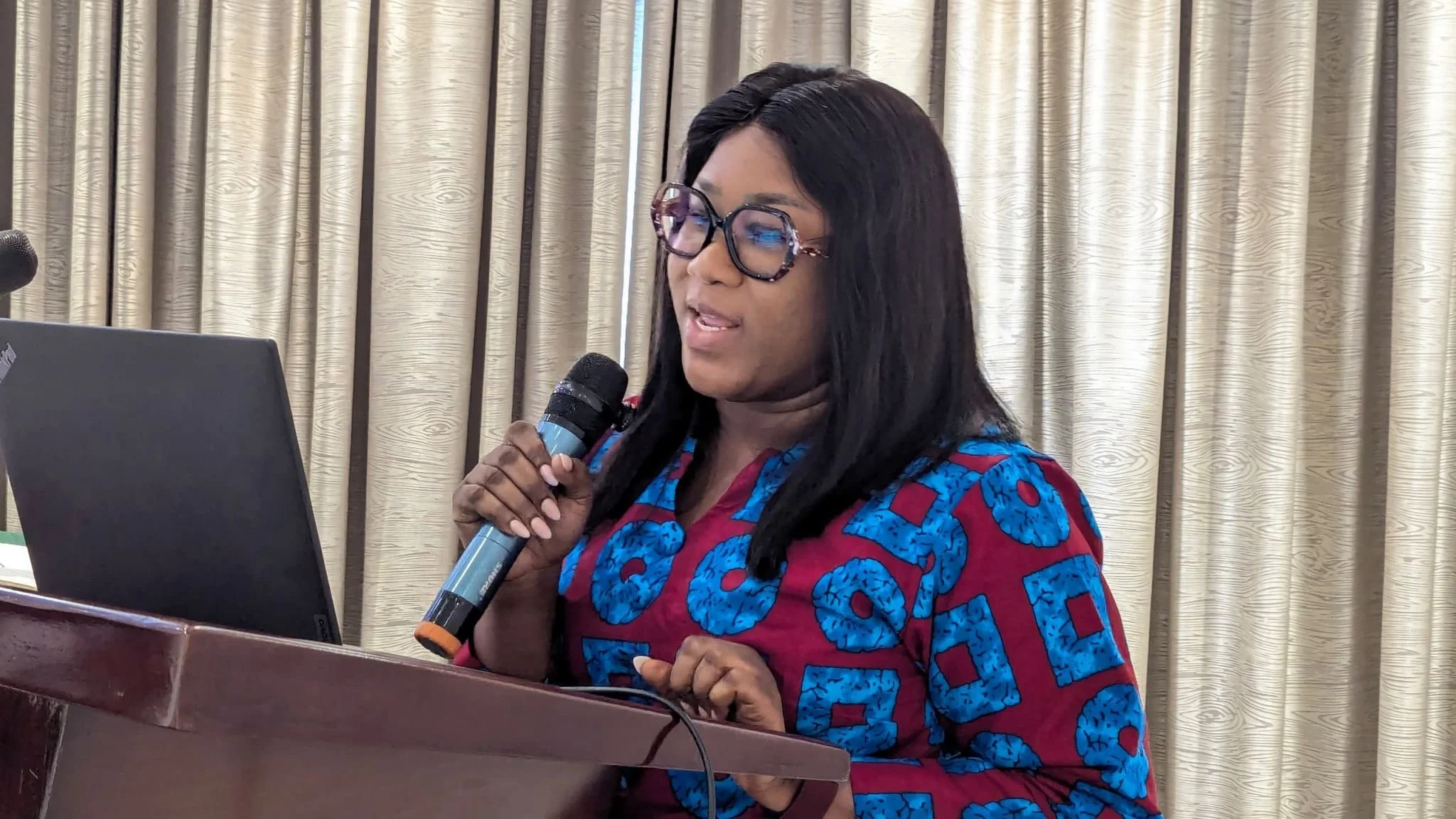
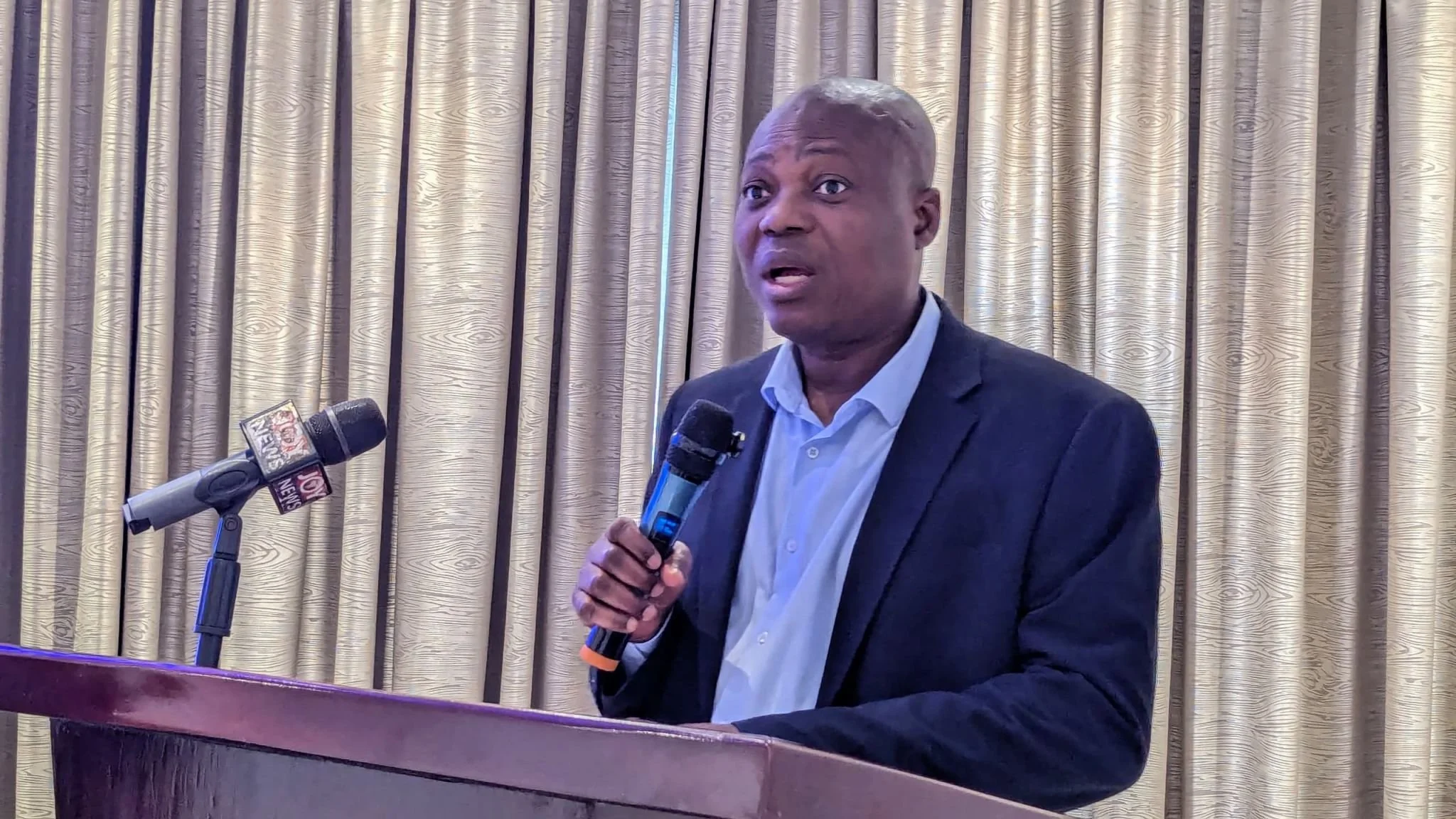
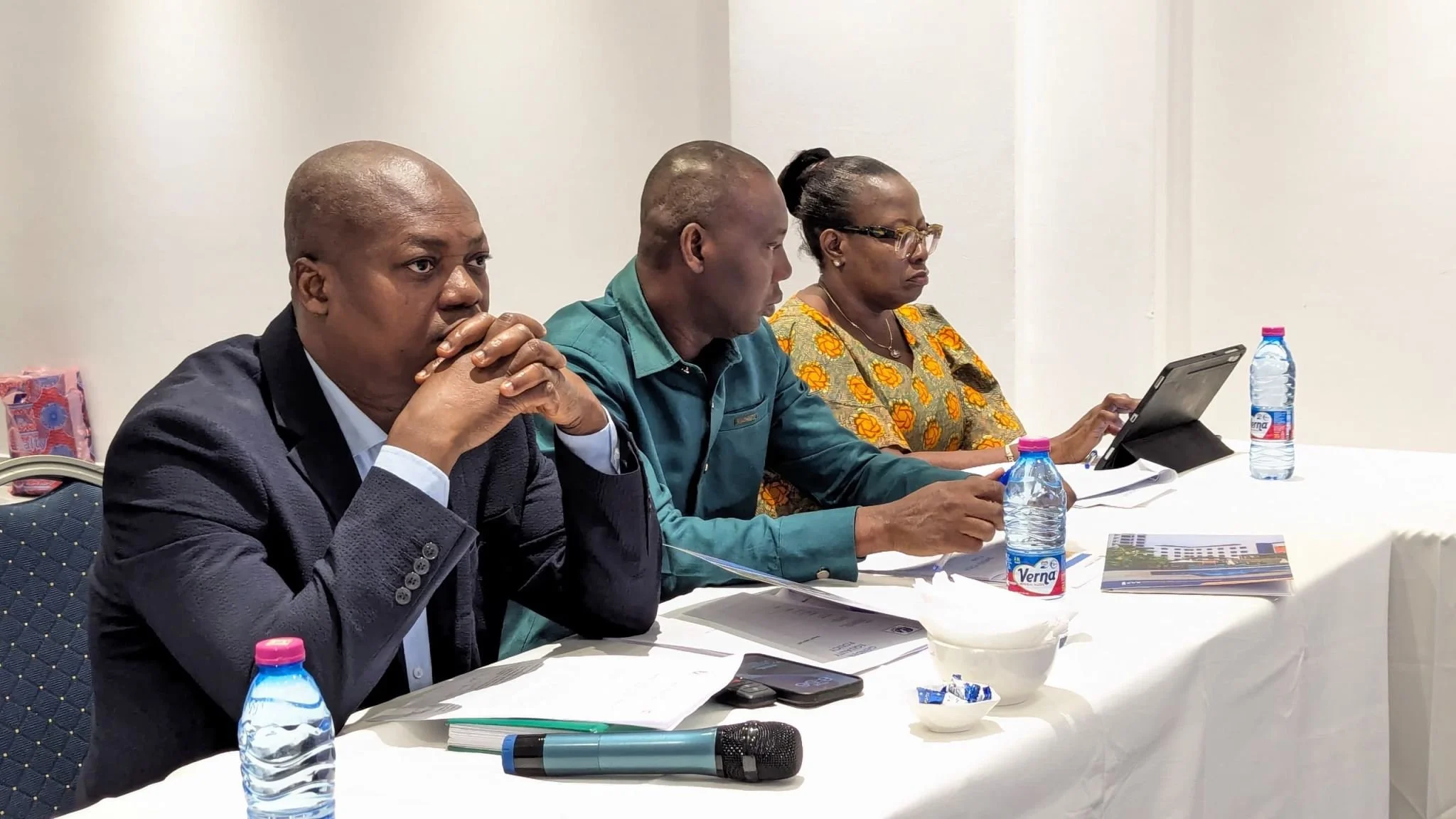
Certification Pipeline Expands at 24th Electrical Wiring Awards Ceremony
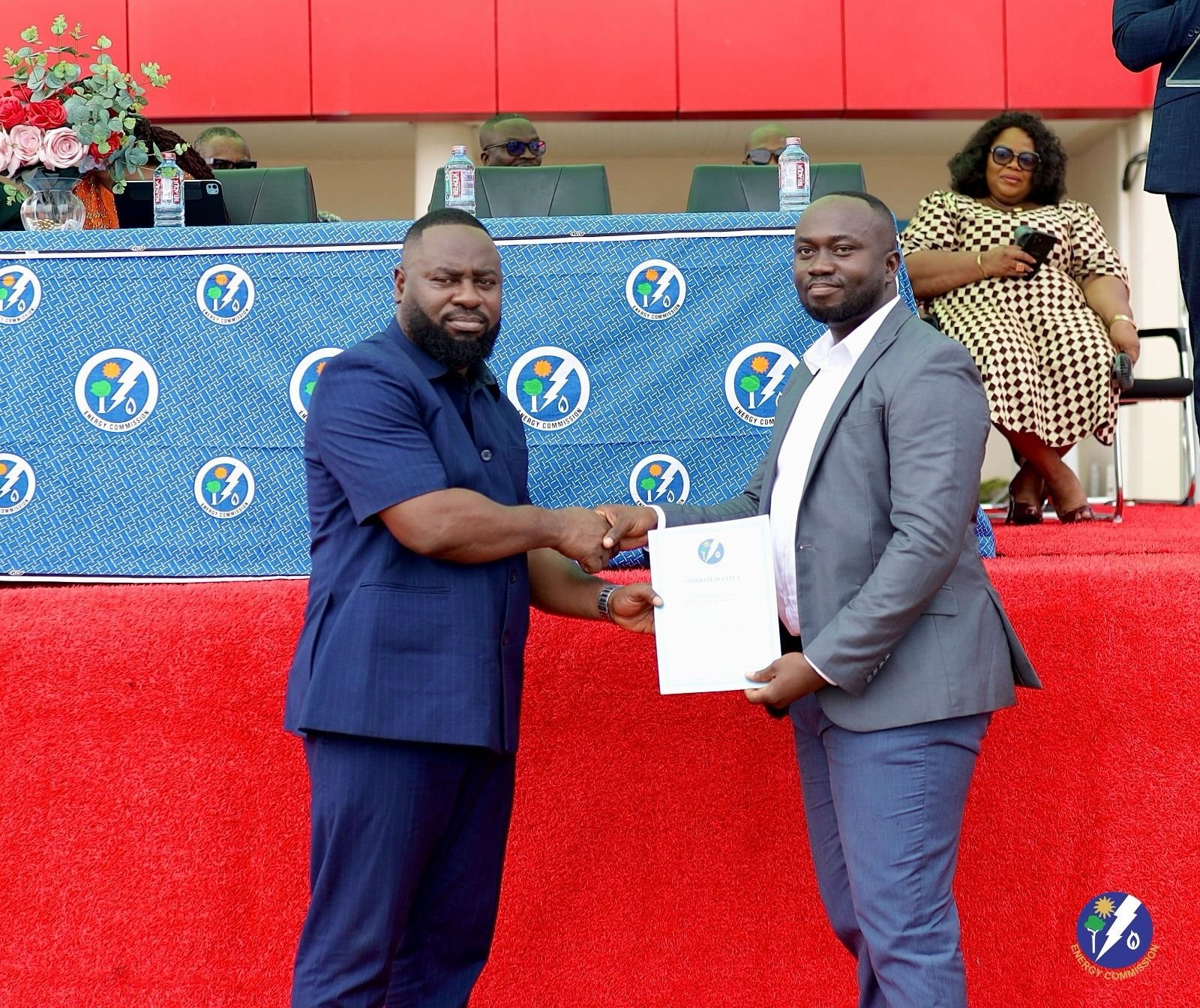
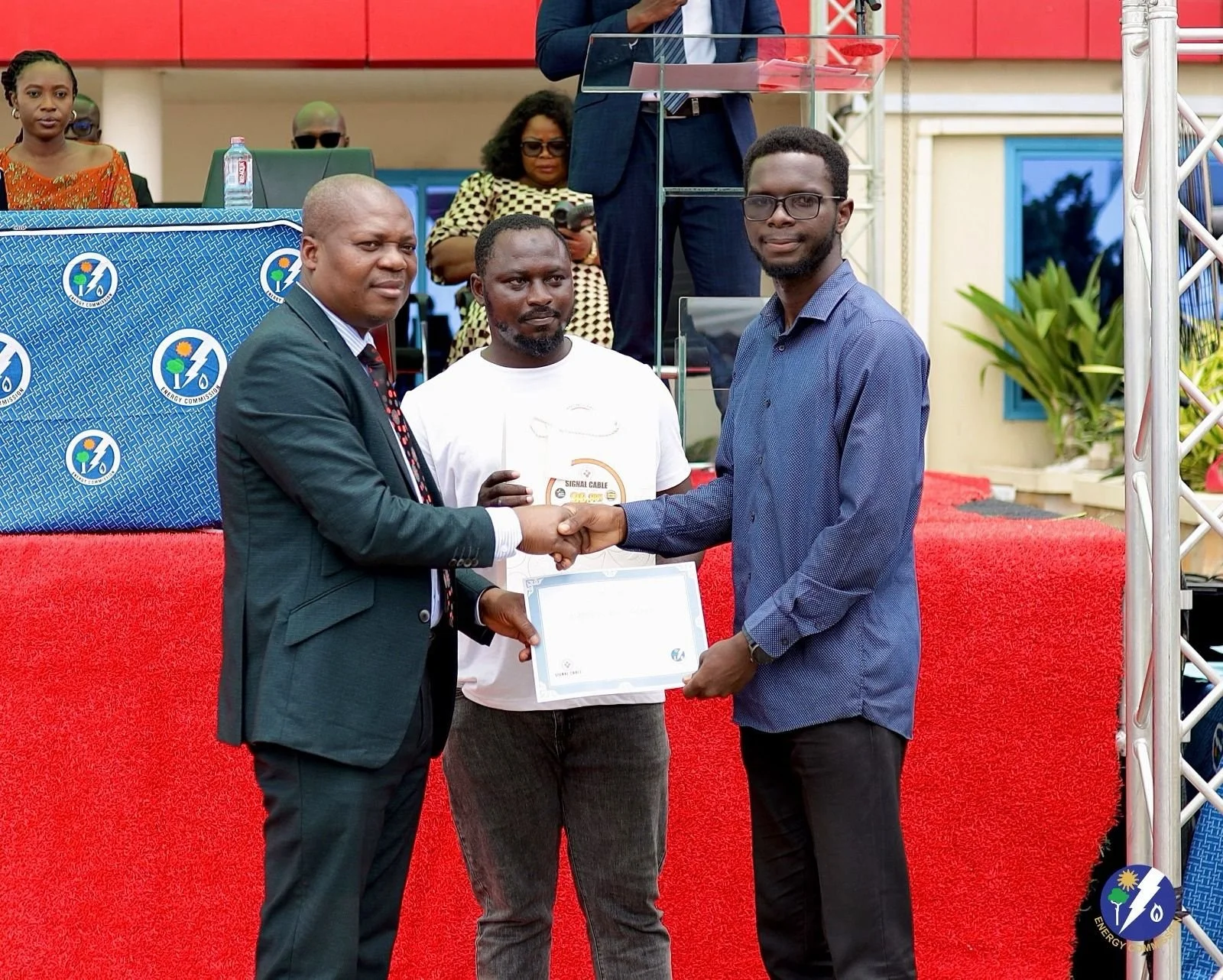
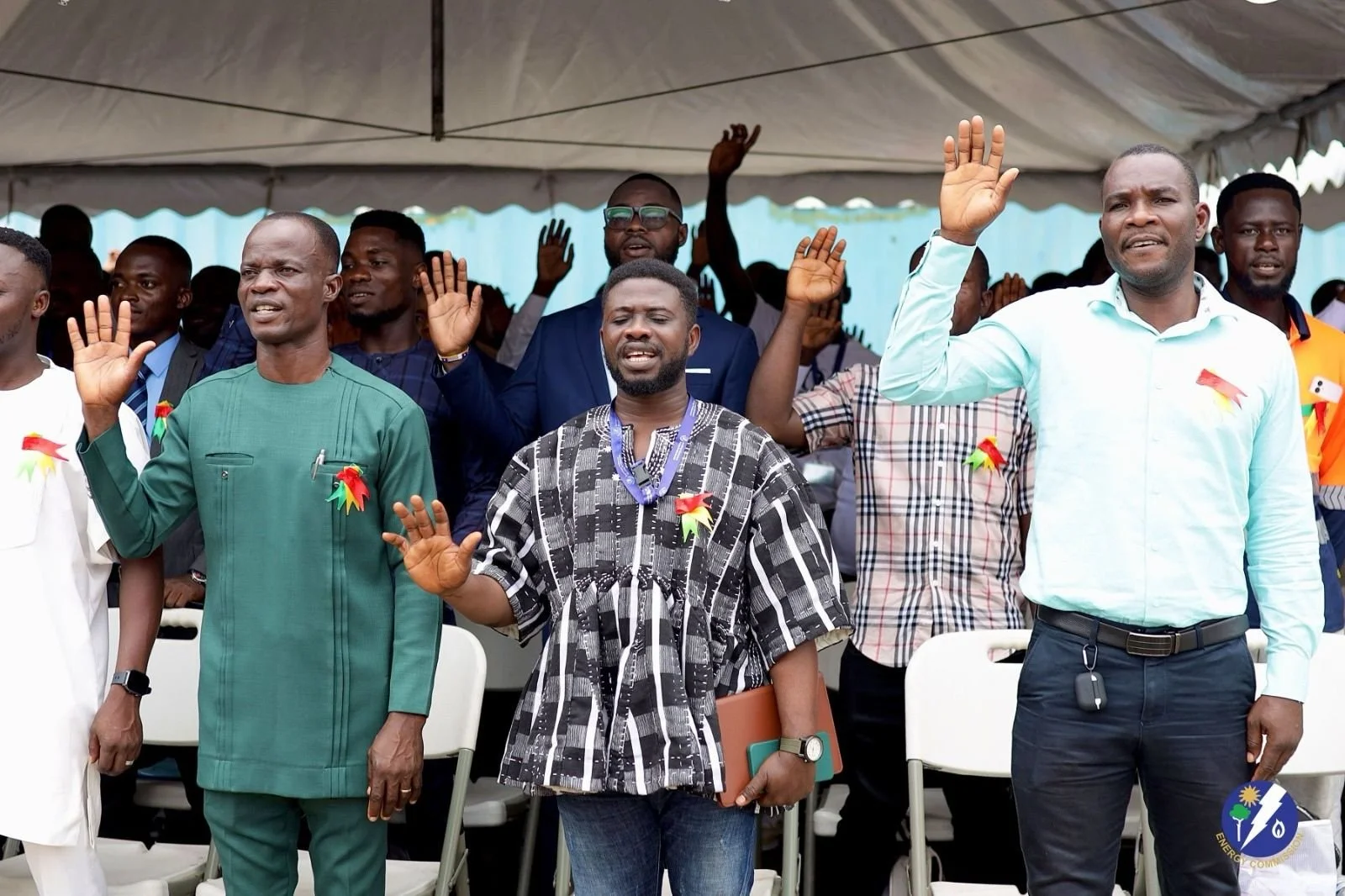
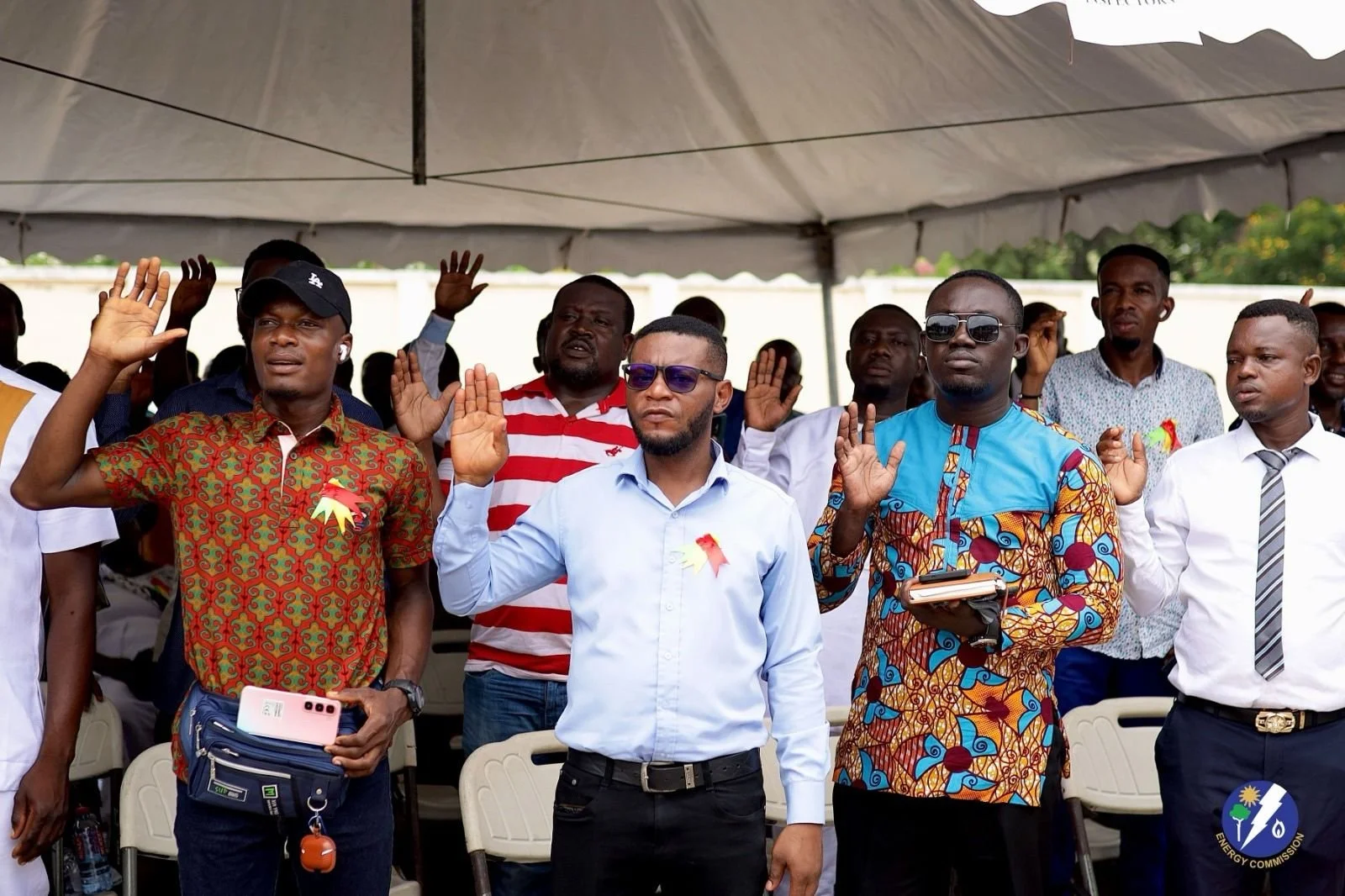
In a separate development, the Commission convened its 24th Electrical Wiring Certification and Award Ceremony at its Head Office in Accra, reinforcing its long-standing role in standardising electrical safety and professionalising the trade.
Held under the theme “Training Today’s Youth, Certifying Tomorrow’s Electrical Experts,” the event brought together industry stakeholders and newly certified professionals entering Ghana’s formal electrical workforce.
Professor Gatsi urged graduates to complement technical expertise with strong communication skills, positioning them for opportunities beyond the domestic market as demand for skilled labour evolves.
Gender Participation Re-emerges in Certification Context
Bondzie, speaking at the ceremony, called for greater female participation in the electrical field and signalled plans to mobilise sponsorship support for certified female electricians—remarks that echo, but are not formally linked to, the Commission’s ongoing gender policy deliberations.

Government Signals Expansion Through Apprenticeship Programme
She also pointed to a key digital milestone, describing the Commission’s Installation Completion Certificate Application (ICCAPP) platform as “the backbone of a fully connected electrical safety ecosystem,” reflecting ongoing efforts to digitise certification processes, strengthen compliance, and improve system-wide traceability. The ICCAPP platform—a specialised mobile application used by certified electricians and inspectors—enables the digital submission of electrical installation data and the issuance of installation completion certificates, streamlining compliance and improving oversight across the certification process.
Guest Speaker George Opare Addo, Minister for Youth Development and Empowerment, announced that the National Youth Authority would partner with the Commission to expand electrical training under the National Apprenticeship Programme. The initiative is expected to provide stipends, starter kits, and formal certification pathways for trainees.
Certification Numbers Underscore Scale
Since the programme’s inception, the Commission has trained and certified 19,633 electrical wiring professionals nationwide, with an additional 1,198 candidates currently awaiting certification. At this year’s ceremony, Odoom Daniel was named Overall Best Candidate, while Oppong Afua Gyapomaa received recognition as Overall Best Female Candidate.
Distinct Tracks, Shared Sector Impact
Taken together, the two developments point to parallel shifts within the Commission’s current agenda—one focused on institutional inclusion, the other on expanding technical certification—both of which bear on participation in Ghana’s energy sector, albeit through distinct channels.
Regulatory Posture Continues to Broaden
While the gender policy review and the certification programme come as independent events, their proximity highlights a broader regulatory posture: one that is simultaneously refining governance frameworks and sustaining the pipeline of skilled professionals required to meet Ghana’s energy and safety standards.
For the Energy Commission, the emphasis is clear. Beyond licensing and compliance, the regulator is incrementally shaping both the structure of participation and the quality of technical practice within the sector—without yet formally binding the two into a single policy framework.
