
Energy Ministry Oversees Accelerated Grid Recovery After Akosombo Switchyard Fire
At a moment when Ghana’s power system faltered under the weight of a crippling switchyard fire, the spotlight turned squarely to the Minister for Energy and Green Transition, Hon. John Abdulai Jinapor.
From ordering urgent restoration at Akosombo to triggering investigations and reshaping leadership at the heart of the grid, his response now defines the government’s handling of one of the most consequential power disruptions in recent memory—and the pace at which stability returns.
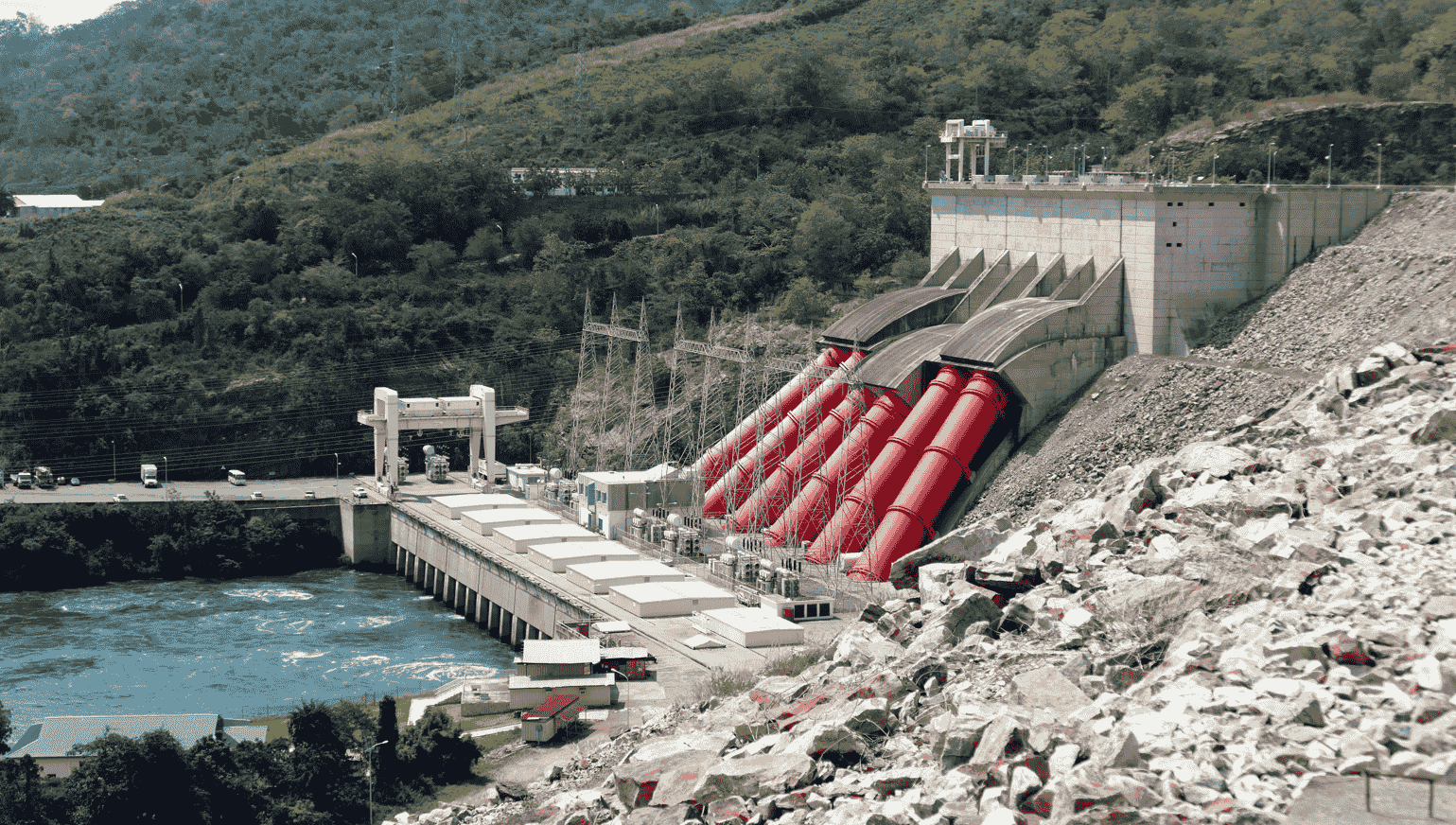
Flagstaff House, Accra | Monday, April 27, 2026 — Ghana’s power system edged back from the brink on Monday as the Minister for Energy and Green Transition, Hon. John Abdulai Jinapor, announced the restoration of two generating units at the Akosombo Hydroelectric Plant, returning roughly 280MW to the national grid in the immediate aftermath of the fire that crippled Ghana Grid Company’s Akosombo Switchyard.
A third unit, he said, is expected to come online shortly, adding another 140MW, with all six units projected to be operational by the close of the week, a timeline that, if met, would mark a swift technical rebound from one of the most disruptive single-point failures in Ghana’s recent power history.
The announcement, delivered at a closely watched Government Accountability Series briefing, capped a turbulent ten-day stretch in which the country’s generation base was abruptly curtailed by over 1,000MW following the fire outbreak at the Akosombo power control centre, triggering cascading outages across the grid.
From Fault Lines to Flashpoint
The current crisis did not emerge in isolation. On April 15, a major technical fault at the Ghana Gas Processing Plant forced an emergency shutdown, curtailing gas supply to thermal plants and tightening generation margins nationwide. GRIDCo warned at the time that the disruption would affect power supply.
Days later, fire engulfed the control room at the Akosombo Switchyard, an incident that effectively knocked out the nerve centre of Ghana’s hydroelectric backbone. The damage was extensive, with the entire control room gutted.
The immediate consequence was severe. Akosombo ceased generation entirely, according to the Ministry’s spokesperson, while the downstream Kpong station, dependent on both water flow and system synchronisation from Akosombo, was also forced offline, shedding an additional 200MW.
What followed was a system-wide shock: over 1,000MW in lost capacity, distribution instability, and rolling outages that rippled through homes, industry, and commerce.
Emergency Response and On-Site Intervention
Within hours of the fire, the Energy Minister, accompanied by his deputy and senior officials, travelled to Akosombo to assess the damage firsthand. Engineers from GRIDCo and the Volta River Authority were already working through the night to stabilise the system.
At the site, the Minister directed that restoration efforts be treated with urgency, acknowledging both the scale of the technical setback and its national implications. A seven-member investigative committee, chaired by Ing. William Amuna and comprising representatives from key regulatory and security agencies, was constituted with a 14-day mandate to determine the cause of the fire and assess systemic vulnerabilities.
Simultaneously, the Minister asked the GRIDCo Chief Executive to step aside pending the outcome of investigations, signalling a shift toward accountability even as recovery efforts continue. The move was paired with a leadership shake-up within the Electricity Company of Ghana’s Ashanti regional operations, suggesting a broader institutional recalibration across the power sector.
Gradual Restoration, Structural Questions
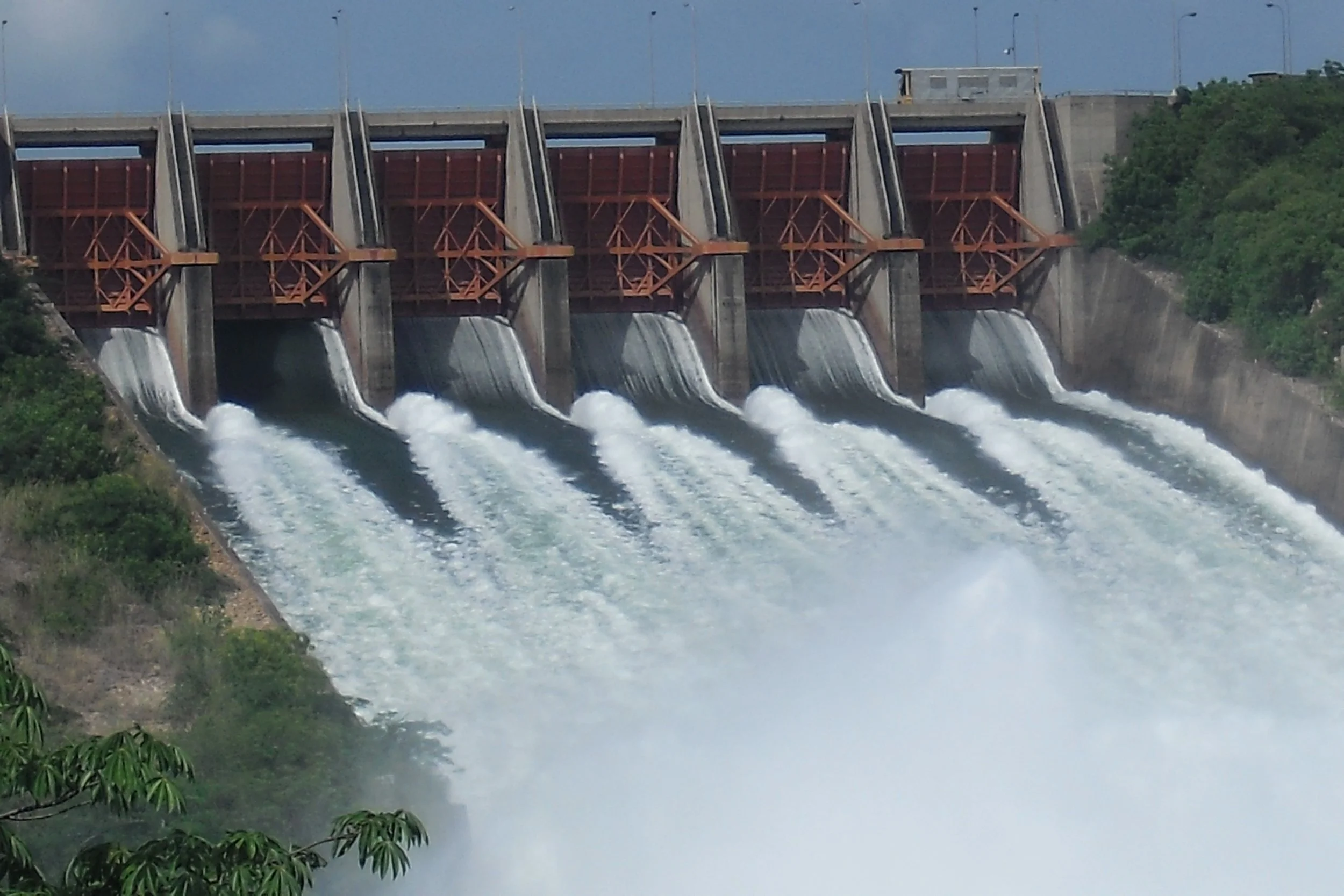
By the weekend, engineers had restored one unit at Akosombo, a development described as significant progress at the time. Monday’s update, confirming two units online and a third imminent, indicates that system recovery is accelerating.
Yet the Minister’s briefing made clear that restoration is only one layer of the response.
On the financial front, he disclosed that the government inherited approximately GH¢80 billion in energy sector debt, with ongoing efforts to settle obligations to Independent Power Producers. In some cases, up to 90 percent of outstanding payments have been cleared, he said, while cautioning that the government would not pursue unsustainable cushioning measures without a structured plan. That had been tried by the previous government, leading to the mammoth-sized problems in the power sector being confronted today.
On infrastructure, the crisis has exposed long-standing transmission constraints, particularly in the Volta Region, where insufficient capacity-carrying lines have contributed to persistent low-voltage issues since independence. Plans are underway to construct a new transmission line to stabilise supply in Ho and surrounding areas, with similar interventions expected in other regions, including Ashanti.
These measures build on parallel efforts by ECG, which earlier this month announced a GH¢3.46 billion programme to reinforce distribution networks, including the installation of 2,500 transformers and replacement of aging infrastructure under its “Operation Keep the Light On” initiative.
Transparency, Investigations, and the Road Ahead
The Minister emphasised that the ongoing investigation into the Akosombo fire will address all dimensions of the incident, including insurance and liability concerns tied to the disruption. He maintained that government has been transparent about the extent of the crisis, even in the face of public frustration.
For now, the grid remains in a delicate phase of recovery, balancing incremental gains in generation against underlying structural and financial pressures.
But with generation units returning, investigations underway, and institutional lines being redrawn, the events at Akosombo are fast evolving from a system shock into a defining stress test of Ghana’s power sector governance, resilience, and reform trajectory.
