
Oil Slides as Eleventh-Hour Iran Ceasefire Signals Reopening of Hormuz Lifeline
A last-minute ceasefire between Washington and Tehran has pulled oil markets back from the edge, triggering a sharp sell-off in crude as traders bet on the reopening of the Strait of Hormuz. But with the truce limited to just two weeks and final terms still under negotiation, the question now is whether this is the start of a durable reset—or merely a pause in a crisis that has already reshaped global energy risk.
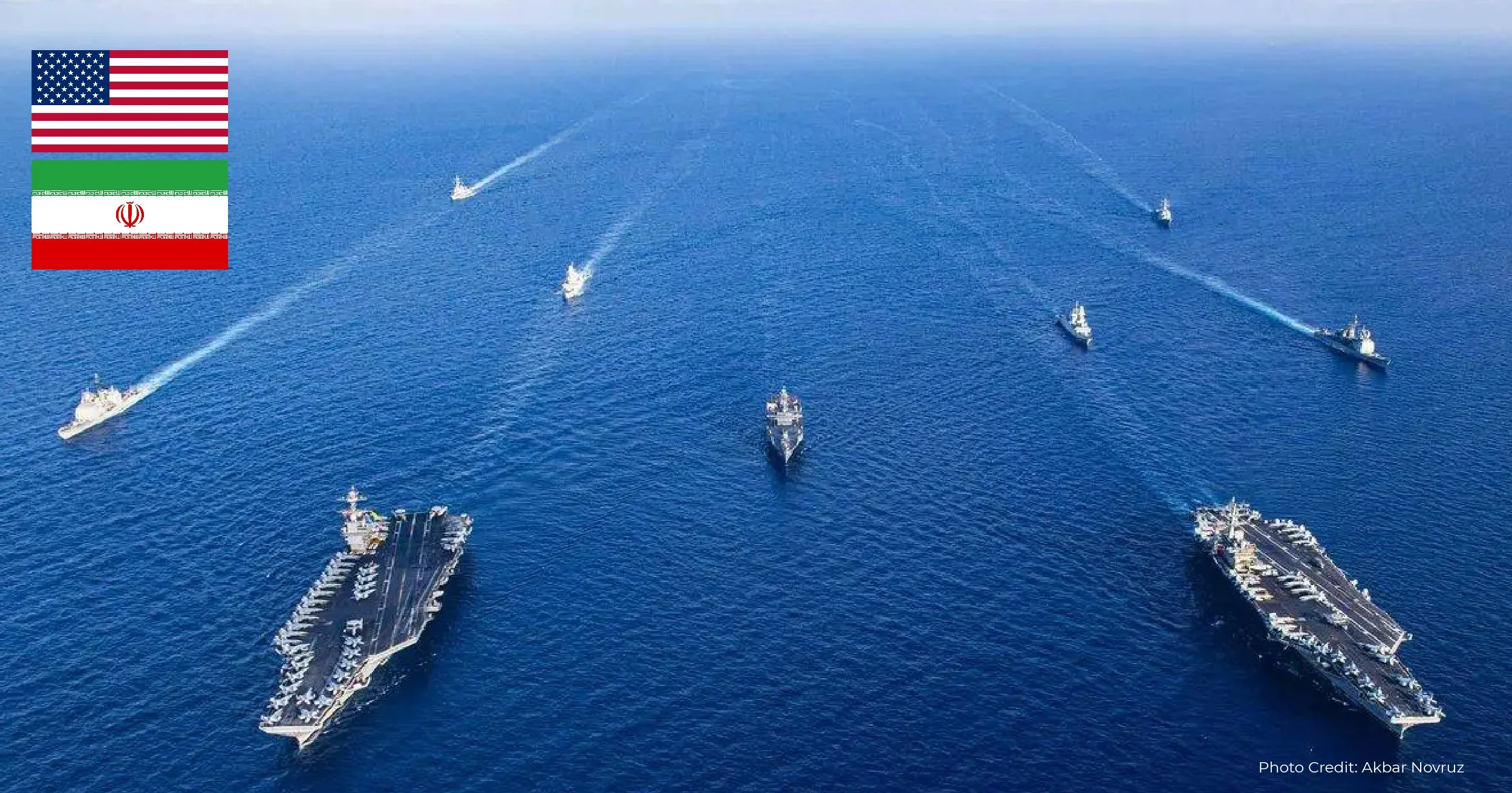
Strait of Hormuz | April 8, 2026 - Oil markets recoiled from the brink on Wednesday after a last-minute ceasefire between the United States and Iran eased fears of a prolonged supply disruption in the Persian Gulf, sending crude sharply lower and lifting broader market sentiment.
The agreement, struck roughly 90 minutes before a military deadline set by Donald J. Trump, establishes a two-week pause in hostilities. Under its terms, Washington will suspend strikes while Tehran allows the “complete, immediate, and safe opening” of the Strait of Hormuz—a chokepoint that typically carries about one-fifth of global oil supply.
Markets reacted swiftly. Brent crude fell about 13% to roughly $95 a barrel following the announcement, though prices remain close to 30% above pre-war levels, reflecting a residual geopolitical risk premium built over more than five weeks of conflict.
From Escalation to Interruption
The ceasefire marks a sharp pivot from an intensifying standoff that had effectively curtailed energy flows through the Gulf. Shipping through the Strait of Hormuz had been largely halted during the conflict, heightening concerns over supply availability and amplifying price volatility across global markets.
In a statement released via official channels, President Trump said he would “suspend the bombing and attack of Iran for a period of two weeks,” conditional on Iran reopening the waterway. He added that the move followed consultations with Pakistan’s leadership and cited progress toward a broader settlement.
Pakistan positioned itself as a facilitator in the de-escalation. Prime Minister Shehbaz Sharif confirmed that both sides had agreed to “an immediate ceasefire everywhere,” and invited delegations to Islamabad for further negotiations aimed at reaching a “conclusive agreement to settle all disputes.”
A Narrow Window for Diplomacy
The truce is explicitly temporary. The two-week pause is intended to allow both sides to finalise a longer-term agreement, which, according to President Trump, is already advanced and based in part on a 10-point proposal from Iran. He said “almost all” major issues of contention had been addressed—an assertion that has yet to be independently verified.
Even with political agreement in place, the operational resumption of flows through Hormuz may not be immediate. Analysts caution that restoring normal shipping patterns could take time, prolonging some degree of tightness in physical markets despite the diplomatic breakthrough.
Risk Repriced, Not Removed
For now, the ceasefire has checked the upward momentum that had driven crude prices sharply higher during the conflict. Markets appear to be pricing in a near-term easing of supply risk as negotiations proceed.
Yet the underlying vulnerability remains. The Strait of Hormuz—narrow, strategically exposed, and indispensable to global energy trade—continues to anchor geopolitical risk in oil markets. Any breakdown in talks could quickly reverse the current reprieve.
For investors and policymakers alike, the episode underscores a familiar reality: in the Gulf, stability can emerge quickly—but rarely without conditions, and seldom without warning.
