NPA Launches Downstream Centre of Excellence as 24-Hour Economy Pact Aligns Regulation and Capacity
Ghana’s push toward a 24-hour economy is sharpening into execution mode. In a single day, the National Petroleum Authority (NPA) and the 24-Hour Economy Authority locked in a regulatory pact to standardise round-the-clock fuel operations, while simultaneously laying the groundwork for a Centre of Excellence to build the sector’s technical and human capacity. Together, the moves signal a coordinated shift from policy ambition to operational delivery—anchoring reliable fuel supply as a non-negotiable pillar of Ghana’s industrial expansion.
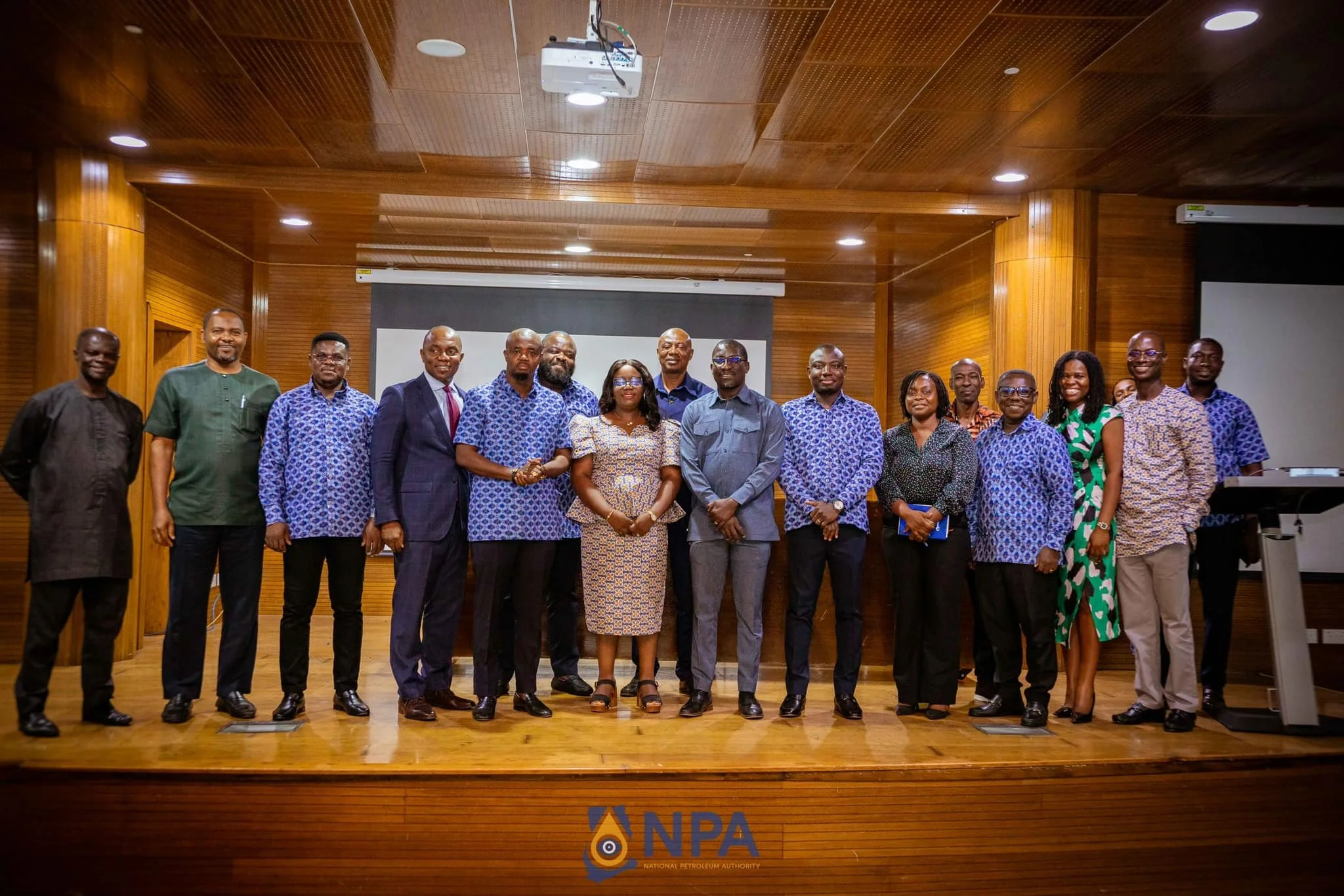
Accra, Ghana | April 1, 2026 - In a coordinated push that tightens the institutional spine of Ghana’s 24-hour economy ambitions, the National Petroleum Authority (NPA) on Tuesday signed a Memorandum of Understanding with the 24-Hour Economy Authority, before moving to inaugurate a multi-stakeholder steering committee to anchor a longer-term capability build-out for the downstream petroleum sector.
The dual-track intervention—policy alignment through the MoU and capacity formation via a proposed Centre of Excellence—signals a deliberate sequencing: first, standardise and secure round-the-clock operations; second, institutionalise the skills and research backbone required to sustain them.
At the core of the MoU is an operational framework that brings regulatory enforcement into direct alignment with Ghana’s broader economic transformation programme. The NPA is mandated to define and enforce 24-hour readiness standards across the downstream value chain—spanning fuel stations, refineries, bulk storage depots and bulk road vehicle operations—with explicit provisions for lighting, security, staffing protocols, digital monitoring and fire safety. In parallel, the 24-Hour Economy Authority assumes responsibility for orchestrating the enabling environment, including security deployments and cross-agency coordination for compliant operators.
The logic is straightforward but consequential: without assured, round-the-clock fuel availability, the industrial logic of a 24-hour economy—whether in agro-processing, manufacturing or logistics corridors—remains structurally constrained.
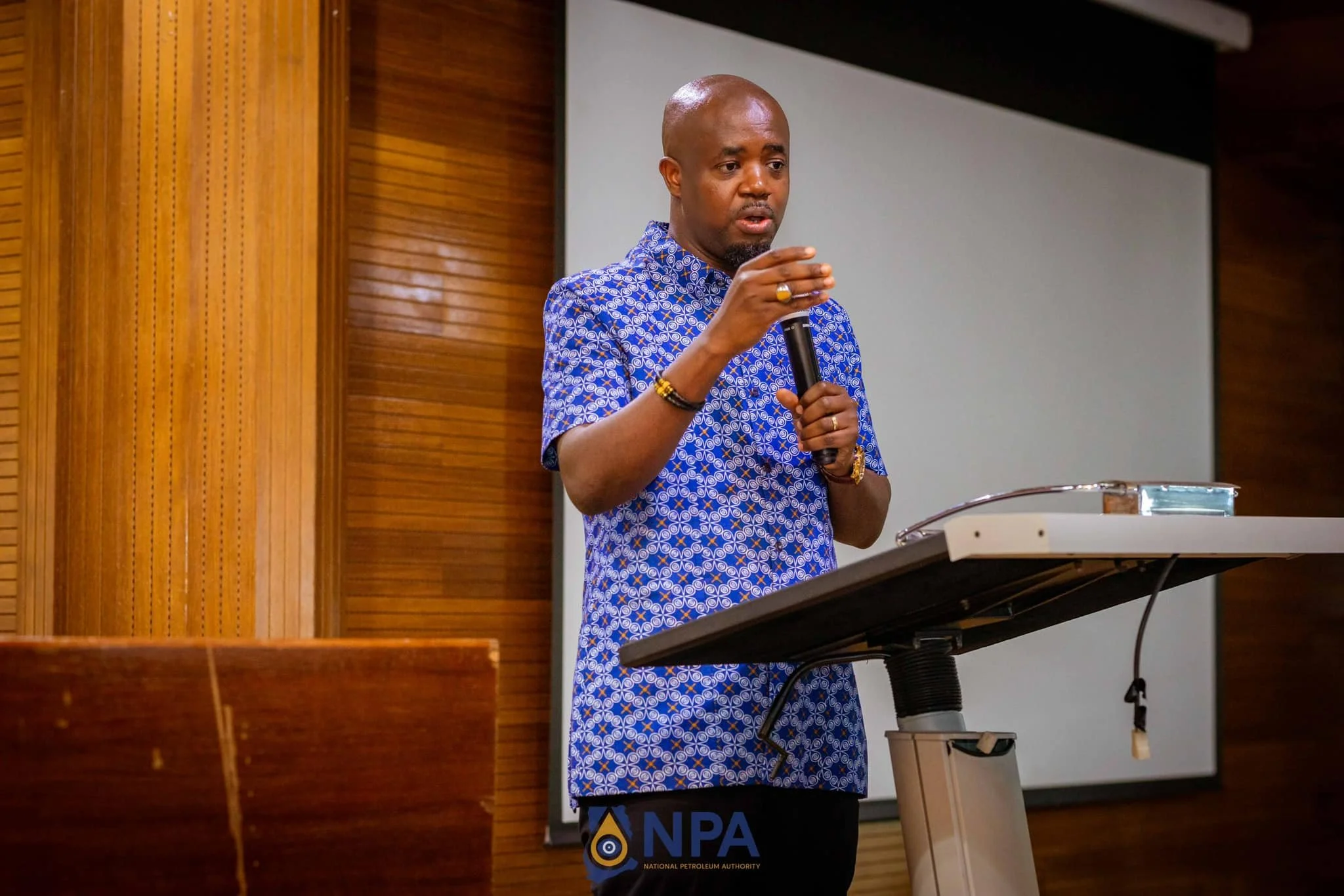
“This agreement aligns the NPA’s regulatory mandate with the national economic transformation agenda,” said NPA Chief Executive Godwin Kudzo Tameklo. “We will ensure that the standards for 24-hour operations are clear, enforceable, and designed to protect workers, consumers, and critical infrastructure.”
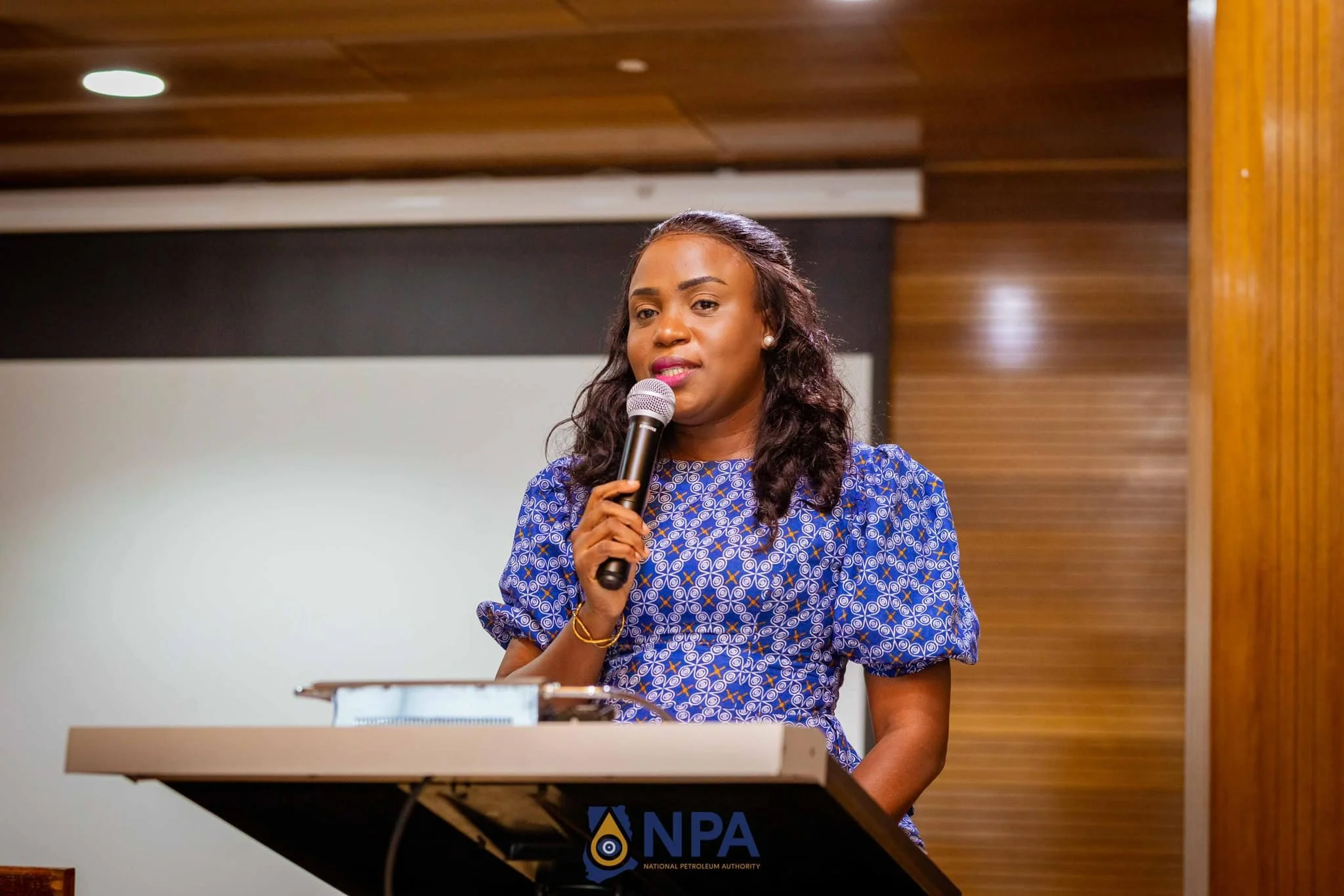
From the programme side, Presidential Adviser Augustus Goosie Tanoh framed the intervention less as an extension of operating hours and more as a demand-led industrial strategy. “The programme is not only asking operators to stay open longer. We are building the enterprises and industrial capacity that will create growing demand for these services,” he said, positioning the downstream sector as a responsive enabler rather than a passive participant.
From pilot to platform
Implementation is set to begin with a nationwide pilot covering roughly 10% of the downstream sector, with security deployment identified as the immediate constraint to be resolved. This follows earlier preparatory work by the NPA, including the constitution of internal steering and technical sub-committees to map operational gaps and readiness thresholds.
The partnership architecture pulls in a wide ecosystem of actors across the petroleum and security value chain: Chamber of Oil Marketing Companies (COMAC), Chamber of Bulk Oil Distributors (CBOD), BOST Energies, the Ghana National Tanker Drivers Union, tanker owners, refineries, the Ghana Police Service, the National Security Secretariat, the Ghana Ports and Harbours Authority, Ghana Petroleum Mooring Systems and the Ghana Revenue Authority, among others. The breadth of participation underscores the cross-cutting nature of 24-hour operations—where compliance, logistics, security and fiscal oversight intersect.

Institutionalising capability
Hours after formalising the MoU, the NPA pivoted to the sector’s longer-term constraint: skills, standards and applied research. Mr. Tameklo inaugurated a 15-member steering committee to drive the establishment of a Centre of Excellence for the downstream petroleum sector—an institutional platform envisioned to support competency-based training and industry-relevant research.
Chaired by Deputy Chief Executive Dramani Bukari, the committee draws representation from within the Authority and across industry bodies, including COMAC, CBOD, the tanker drivers’ unions and the Commission for Technical and Vocational Education and Training. The design reflects an intent to bridge regulatory oversight with operator-level realities, ensuring that standards are not only enforceable but operationally grounded.
Chronology and context
The March 31 developments do not emerge in isolation. They build on a policy trajectory in which the downstream sector has been progressively positioned as a critical enabler of Ghana’s 24-hour economy ambitions. Earlier groundwork—ranging from stakeholder consultations to pilot design—had already identified security, compliance uniformity and workforce readiness as binding constraints. The MoU addresses the first two; the Centre of Excellence is aimed squarely at the third.
Taken together, the moves mark a transition from concept to execution. The immediate test will be the pilot: whether the system can deliver uninterrupted, safe and compliant fuel supply under real operating conditions. The medium-term question is more structural—whether Ghana can embed the institutional capacity required to sustain a genuinely round-the-clock downstream ecosystem.
For now, the signal from Accra is unambiguous: the downstream petroleum sector is no longer a peripheral utility in the 24-hour economy narrative; it is a central pillar, with regulatory muscle and institutional scaffolding being assembled in tandem
