GNPC Deepens Stakeholder Compact Across Saltpond and Jubilee–TEN Operations
The Ghana National Petroleum Corporation (GNPC), alongside its Jubilee and TEN partners, has reaffirmed its commitment to transparency, safety, and sustainable development through high-level engagements with stakeholders across both legacy and producing offshore assets. From discussions on the Saltpond Decommissioning Project with Nkusukum Traditional Authorities to dialogues with Western Region chiefs on Jubilee and TEN operations, the Corporation is deepening collaboration, addressing community concerns, and outlining strategies to sustain production and exploration across Ghana’s upstream sector.
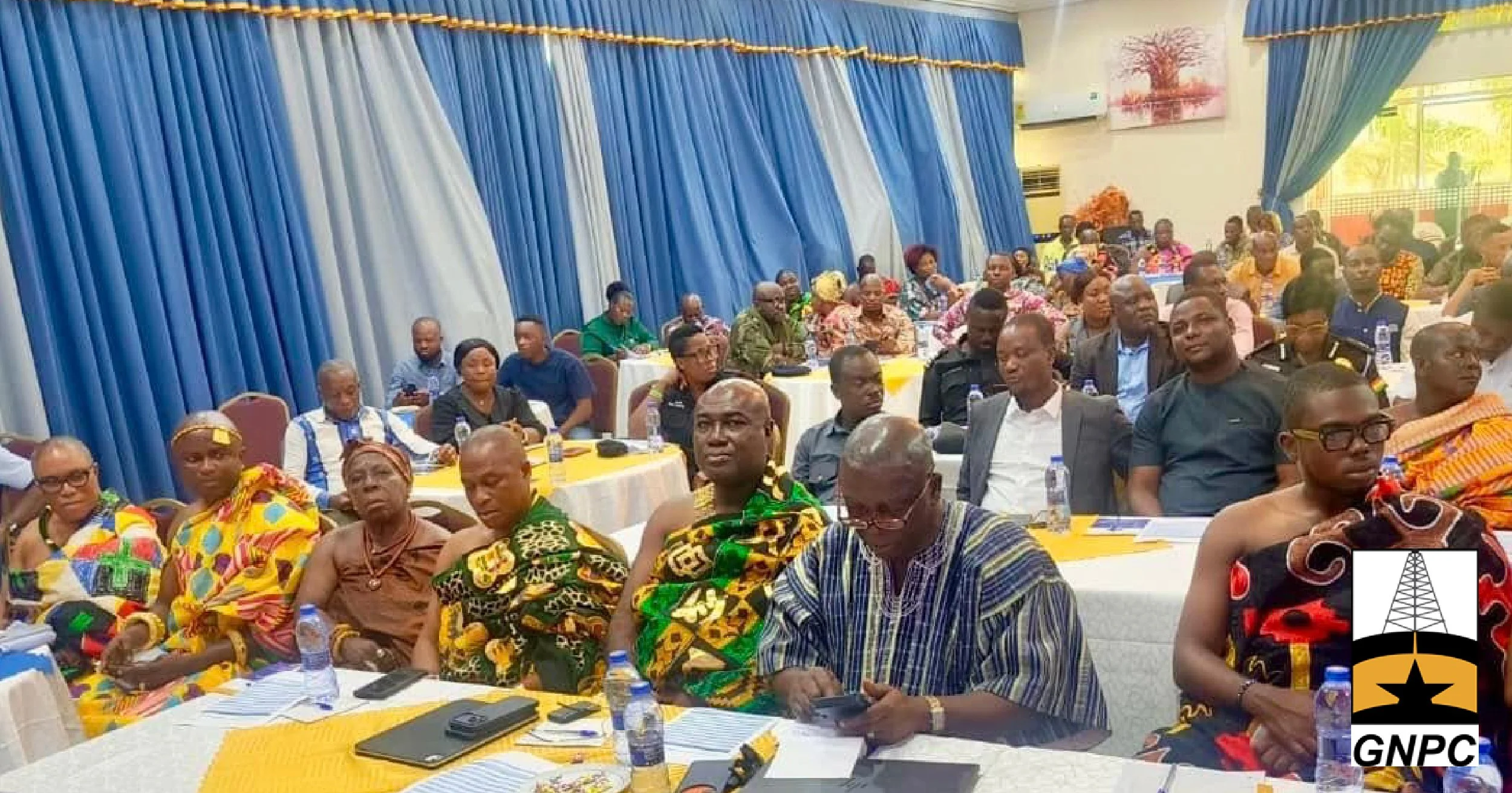
Takoradi, Western Region, Ghana| March 31, 2026 - The Ghana National Petroleum Corporation (GNPC), alongside its Jubilee and TEN partners, is intensifying stakeholder engagement across both producing and legacy asset zones, as it navigates the dual demands of sustaining offshore output and executing complex decommissioning obligations.
The Corporation has expanded its stakeholder engagement efforts through separate high-level interactions focused on the Saltpond Decommissioning Project and offshore operations in the Jubilee and TEN fields.
GNPC engaged traditional authorities of the Nkusukum Traditional Area on developments relating to the Saltpond project, including ongoing decommissioning activities and potential upstream prospects within the area.
In a separate engagement in Takoradi, GNPC, together with its Jubilee and TEN partners, held discussions with traditional leaders in the Western Region, focusing on offshore operations, production outlook, and community-related concerns.
Saltpond: Managing Decommissioning Within Regulatory and Community Constraints
At Petroleum House, GNPC management, led by Deputy Chief Executive for Exploration and Production Michael Aryeetey, met with Paramount Chief Nana Okese Asandoh IX and his delegation to provide updates on the Saltpond Decommissioning Project.
Concerns raised by the traditional authorities centred on project timelines and restricted access to sections of the facility, particularly as it affects local fisherfolk.
Management clarified that the project remains active, noting that delays are linked to contractual processes and cost verification requirements, including mandatory third-party technical assessments. These steps, GNPC emphasised, are necessary to ensure full regulatory compliance and operational safety before the next phase of works proceeds.
“Decommissioning is a complex and highly regulated technical process,” Mr Aryeetey said. “Our responsibility is to ensure it is executed safely, in strict adherence to environmental and regulatory standards, and in a manner that safeguards both the marine ecosystem and the long-term interests of surrounding communities. The project remains a priority for GNPC.”
In industry terms, decommissioning marks a standard phase in the offshore petroleum lifecycle—covering well plugging, infrastructure removal, site rehabilitation and environmental monitoring. GNPC further indicated that, upon completion, technical evaluations will guide environmentally sustainable post-decommissioning options, including potential marine enhancement pathways.
Beyond the decommissioning programme, management also outlined planned seismic acquisition activities within the broader area, forming part of GNPC’s upstream exploration strategy. These activities may progress to drilling and production, subject to regulatory approvals and technical outcomes.
Western Region: Sustaining Production in Mature Offshore Fields
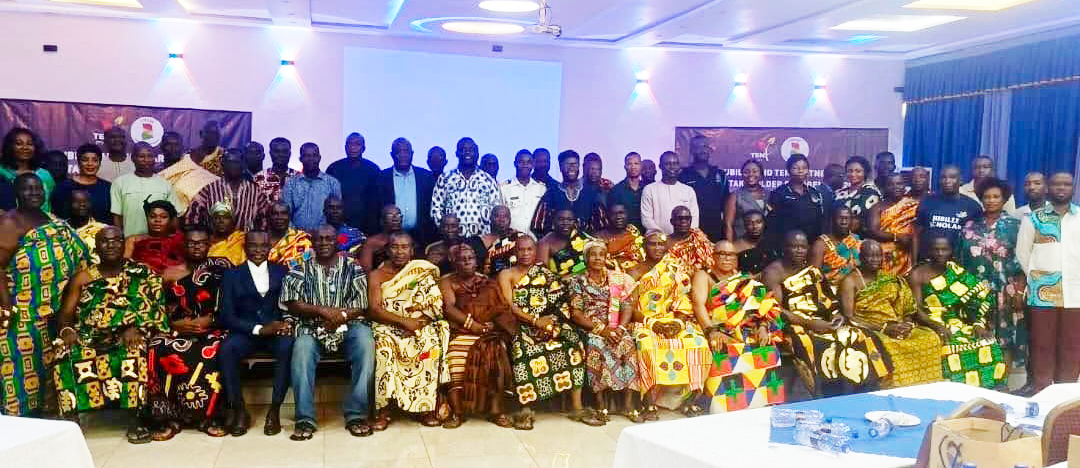
In Takoradi, GNPC and its partners engaged paramount chiefs across the Western Region, including Nana Kobina Nketia V, President of the Western Regional House of Chiefs, alongside representatives of Tullow Oil.
The discussions focused on operations in the Jubilee and TEN fields, updates on social investment programmes, and ongoing safety concerns—particularly the risks associated with canoe incursions into restricted offshore zones.
Stakeholders also engaged the partners on production outlook and measures being pursued to sustain output in the fields.
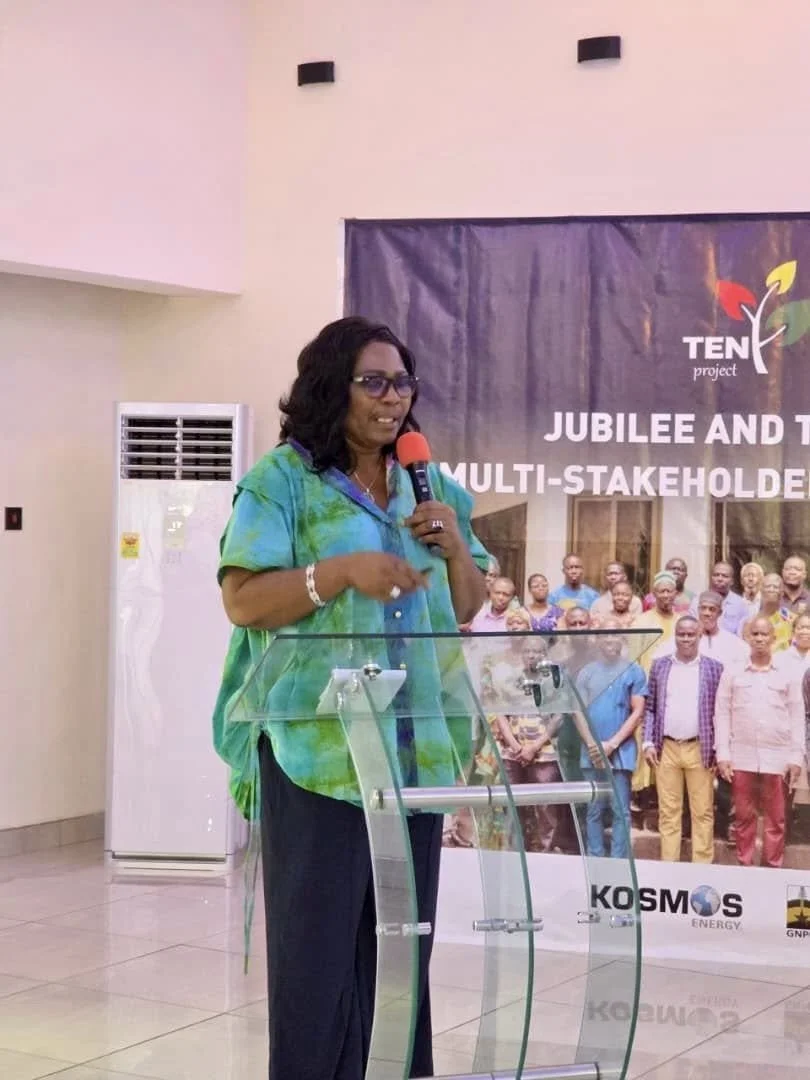
Providing an update on behalf of GNPC, Ms Patience Lartey, Manager for Social Performance, noted that, “like many mature oil fields globally, Jubilee and TEN require sustained investment, advanced technology, and ongoing exploration to sustain long-term production.”
Among the key technical interventions highlighted is the deployment of Ocean Bottom Nodes (OBN), an advanced seismic acquisition technology that enhances subsurface imaging. Compared to conventional methods, OBN enables wider data coverage, improved signal quality, and greater flexibility in complex offshore environments.
These efforts are being complemented by ongoing block promotion initiatives aimed at attracting new investment, alongside continued exploration activity, including work in the Voltaian Basin.
A Longer Investment Horizon, A Wider Social Compact
Both engagements unfold against a shifting policy backdrop. The recent extension of Jubilee and TEN licences to 2040 has reset investor expectations, creating space for long-term capital deployment and enhanced recovery strategies.
Within this extended horizon, the structure of the joint venture remains central. The fields are operated by Tullow Oil, alongside Kosmos Energy, GNPC, and PetroSA—with GNPC’s equity position set to increase by an additional 10% from 2036.
That impending shift subtly rebalances control toward the state, even as technical and financial risk remains shared.
Aligning Operations with Stakeholder Expectations
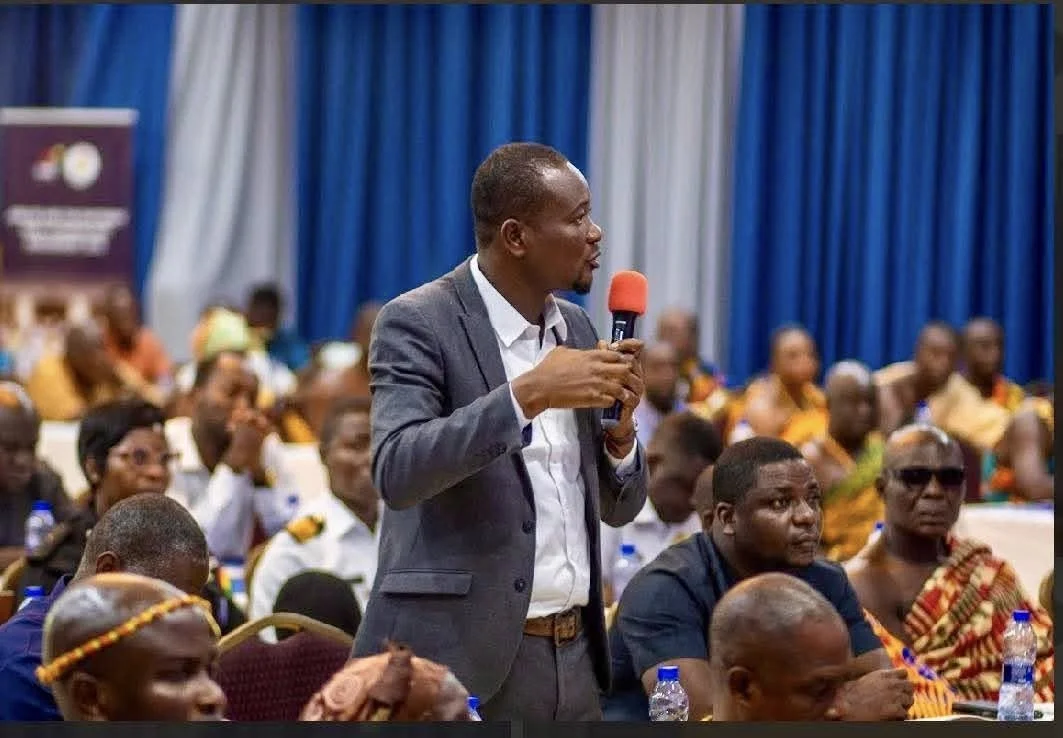
Across both engagements, a consistent emphasis was placed on maintaining open dialogue with host communities and traditional authorities.
At Saltpond, this includes planned follow-up engagements with fisherfolk and community leaders through GNPC’s Social Performance team. In the Western Region, it takes the form of continued interaction with traditional leadership on offshore operations and community development initiatives.
Both engagements concluded with commitments from stakeholders and the Corporation to sustain dialogue, support safe and responsible petroleum operations, and advance development initiatives within host communities.
As Ghana’s upstream sector balances mature field management, decommissioning obligations, and new exploration activity, these engagements reflect the operational importance of stakeholder alignment alongside technical execution.
