GNPC Engages Emerging Talent at Ashesi’s 2026 Career Fair
In Ghana’s upstream petroleum sector, where long-term competitiveness increasingly hinges on the depth of local expertise, Ghana National Petroleum Corporation (GNPC) is moving upstream in its talent strategy. Its Gold-tier presence at the 2026 career fair hosted by Ashesi University signals a deliberate shift from episodic recruitment to early-stage pipeline building—engaging high-potential students before they enter the labour market and positioning human capital as the sector’s most critical asset.
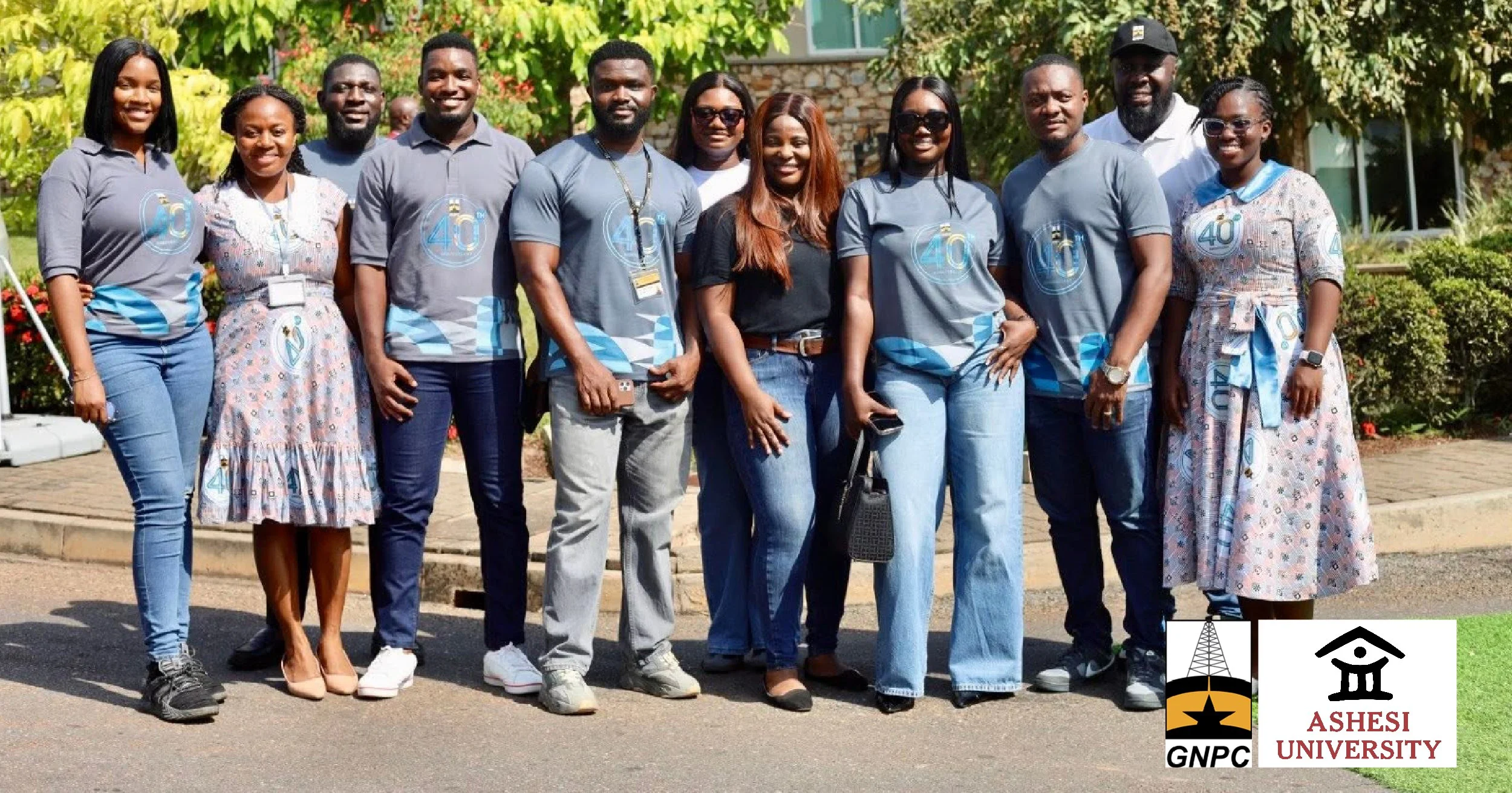
Ashesi University, Berekuso, Ghana, March 31, 2026 - At a moment when Ghana’s upstream ambitions are increasingly tethered to the quality of its human capital, Ghana National Petroleum Corporation (GNPC) is sharpening its presence where that talent is first identified. Its participation in the 2026 career fair at Ashesi University on 18 March signals a deliberate escalation in how the Corporation courts, evaluates, and ultimately cultivates the next generation of energy professionals.
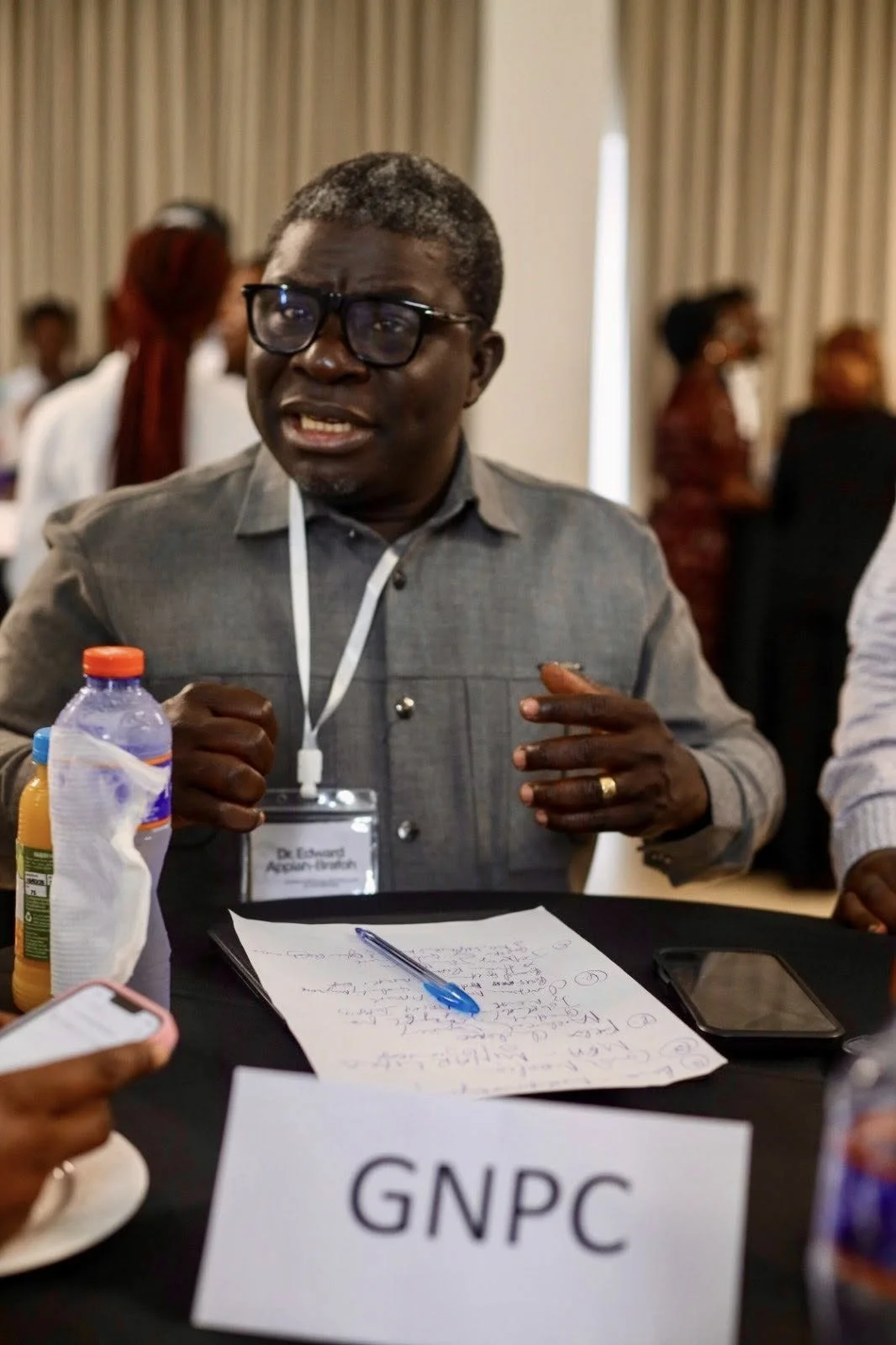
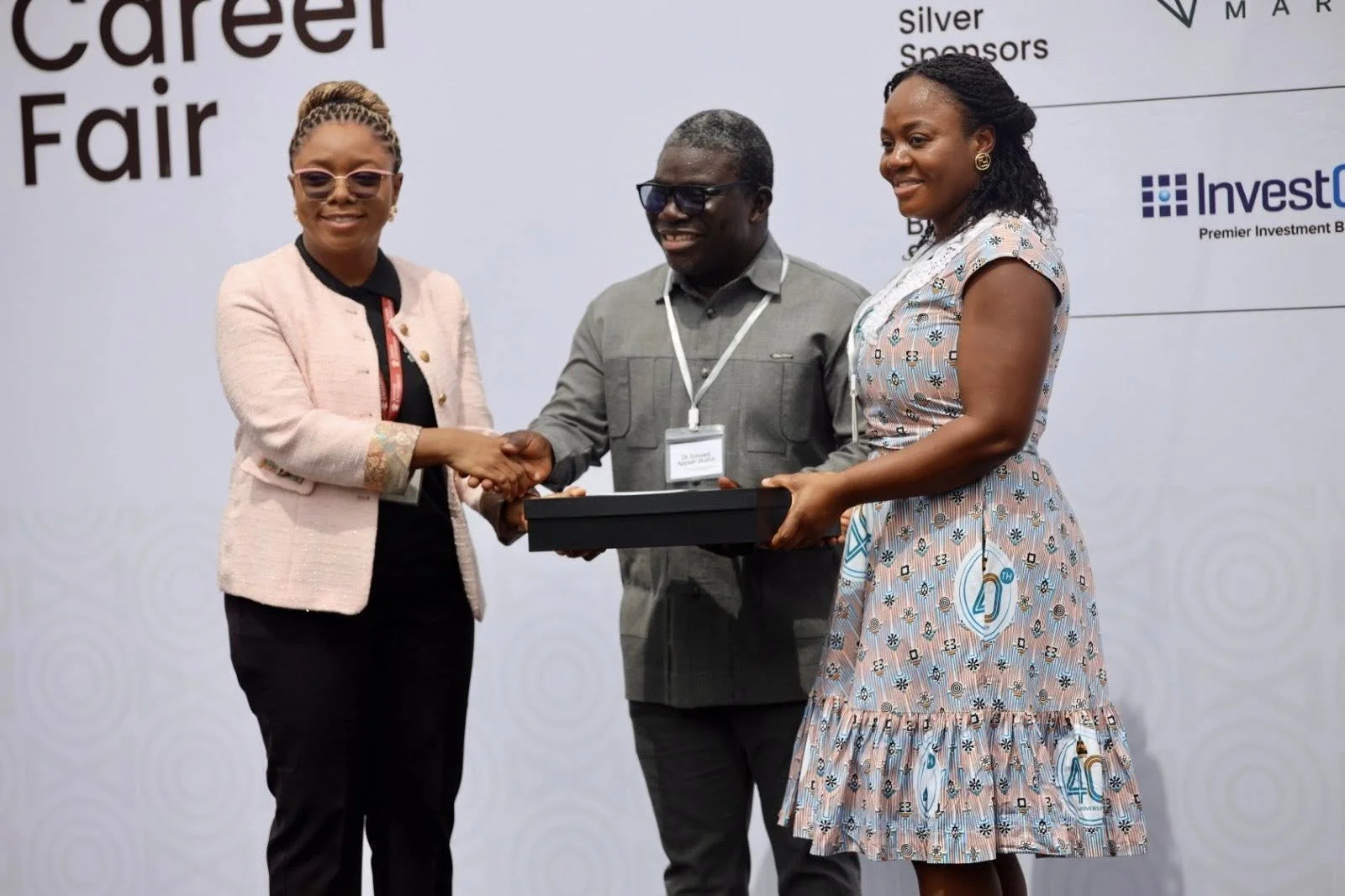
As a Gold Sponsor—Ashesi’s top-tier partnership category conferring premium booth placement, expanded recruitment access, and continued on-campus engagement—GNPC positioned itself not merely as an employer of interest, but as a long-term stakeholder in the talent pipeline. The delegation, led by Dr. Edward Appiah-Brafoh, underscored a strategic through-line: workforce development is no longer ancillary to sector growth; it is foundational.
“Platforms such as this provide valuable opportunities to connect with young people whose talent, discipline, and potential will shape the future of our sector and the nation,” Dr. Appiah-Brafoh noted, framing the engagement as both a recruitment exercise and a capacity-building intervention.
From Campus Interface to Talent Pipeline
At Ashesi, GNPC’s engagement architecture was intentionally layered. Beyond traditional booth interactions, the Corporation deployed structured one-on-one sessions, speed interviews, and pre-scheduled engagements via the Career Fair Plus platform. The objective was precision: identify high-potential candidates early, assess alignment with organisational needs, and offer clarity on pathways into internships, national service placements, and long-term careers.
Students, in turn, gained a granular view of GNPC’s operating model—less an abstract national oil company, more a multidisciplinary enterprise integrating geoscience, engineering, commercial strategy, and corporate governance. For many, this translated into a recalibration of expectations. One participant, Princess Acheampong, described the interaction as “a very insightful session… [that] helped me better understand the opportunities available at GNPC and how to prepare for a professional environment of that caliber.”
The Ashesi fair itself—now nearing two decades—has evolved into a continental interface between elite African talent and forward-looking employers. GNPC’s Gold-tier presence, therefore, situates it within a competitive employer landscape, where visibility and early engagement increasingly determine access to top graduates.
A Broader Strategy Taking Shape
The Ashesi engagement did not occur in isolation. Just days earlier, GNPC had deployed a similarly structured, though more programmatically intensive, engagement at the 2026 career fair hosted by the University of Energy and Natural Resources (UENR) in Sunyani, held from 11–13 March.
There, the messaging was more explicit: human capital precedes hydrocarbons in the hierarchy of national development priorities.
Delivering the keynote, Agatha Amos articulated the Corporation’s internal doctrine with clarity: “At the core of GNPC’s mission is empowering dreams… the future of our society, industries, and economy depends on those we prepare today.” The emphasis was not rhetorical. It was operational.
Across the three-day programme, GNPC embedded itself into multiple layers of the fair’s architecture. A keynote framed human capital as the primary driver of sector sustainability, while panel participation—including geophysicist Phillipa Ofori-Akoto—translated classroom theory into industry realities. Technical showcases by reservoir and facilities engineers connected subsurface expertise to production outcomes, and direct HR engagement sessions clarified recruitment expectations and organisational culture.
The Corporation also introduced an aptitude assessment on the final day—a notable escalation from passive engagement to active talent filtering. Supervised jointly by HR and technical teams, the exercise reflects a shift toward early-stage identification of high-potential candidates, effectively extending GNPC’s recruitment funnel into the undergraduate phase.
Continuity, Not Episodic Engagement
Taken together, the Ashesi and UENR engagements illustrate a maturing talent strategy—one that is continuous, multi-institutional, and increasingly data-driven. GNPC is not simply attending career fairs; it is institutionalising them as feeder systems into its long-term workforce planning.
This approach aligns with parallel initiatives, including scholarship and capacity-building programmes linked to the Jubilee and TEN partnerships, which collectively reinforce the Corporation’s dual mandate: resource stewardship and capability development.
The underlying logic is difficult to dispute. Ghana’s upstream sector—capital-intensive, technologically complex, and globally benchmarked—cannot outpace the competence of its workforce. Infrastructure and reserves may define potential; people determine execution.


The Stakes Ahead
For GNPC, the question is no longer whether to invest in talent, but how early and how systematically. The answer, increasingly, lies in engagements such as Ashesi’s career fair—platforms that compress the distance between academia and industry, while allowing firms to shape expectations before graduates enter the labour market.
As the Corporation expands its footprint across tertiary institutions, the emphasis remains consistent: exposure, access, and structured opportunity. The aim is not merely to recruit, but to influence the formation of the very talent pool it will depend on.
In that sense, GNPC’s presence at Ashesi and UENR was less an event than a signal of intent or of direction, and of a growing recognition that in the contest for energy sector leadership, the decisive resource may not lie beneath the ground, but within the people prepared to develop it.
