Mahama Commissions Sahara LPG Vessel in Korea - A Strategic Value Addition
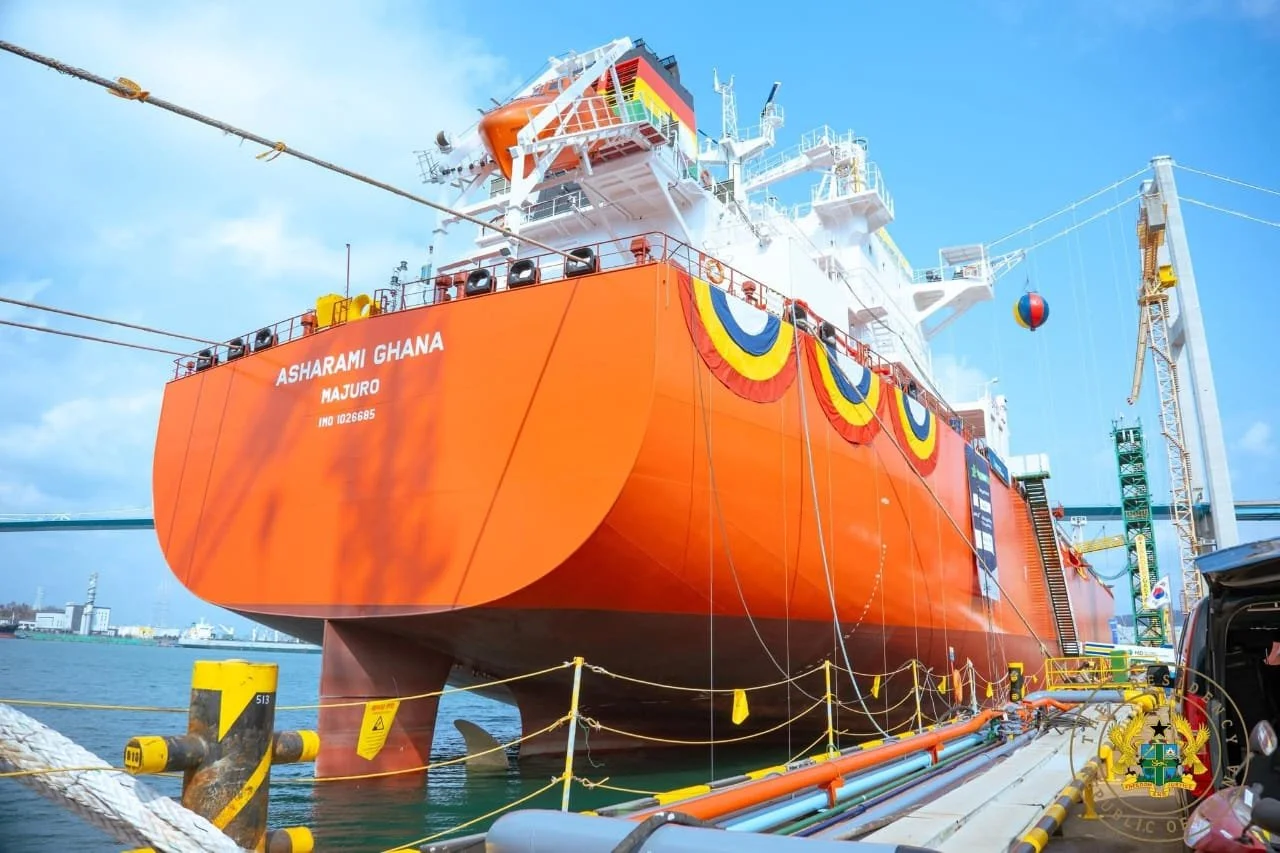
The commissioning of the LPG carrier MT Asharami Ghana by His Excellency, John Dramani Mahama in Ulsan, South Korea, underscores a critical but often overlooked pillar of Ghana’s gas strategy: logistics. As Ghana deepens its push toward a gas-led energy transition, the addition of new LPG shipping capacity highlights how infrastructure—from offshore production to maritime transport—is becoming central to securing supply, stabilising markets and expanding access to cleaner fuels across West Africa.
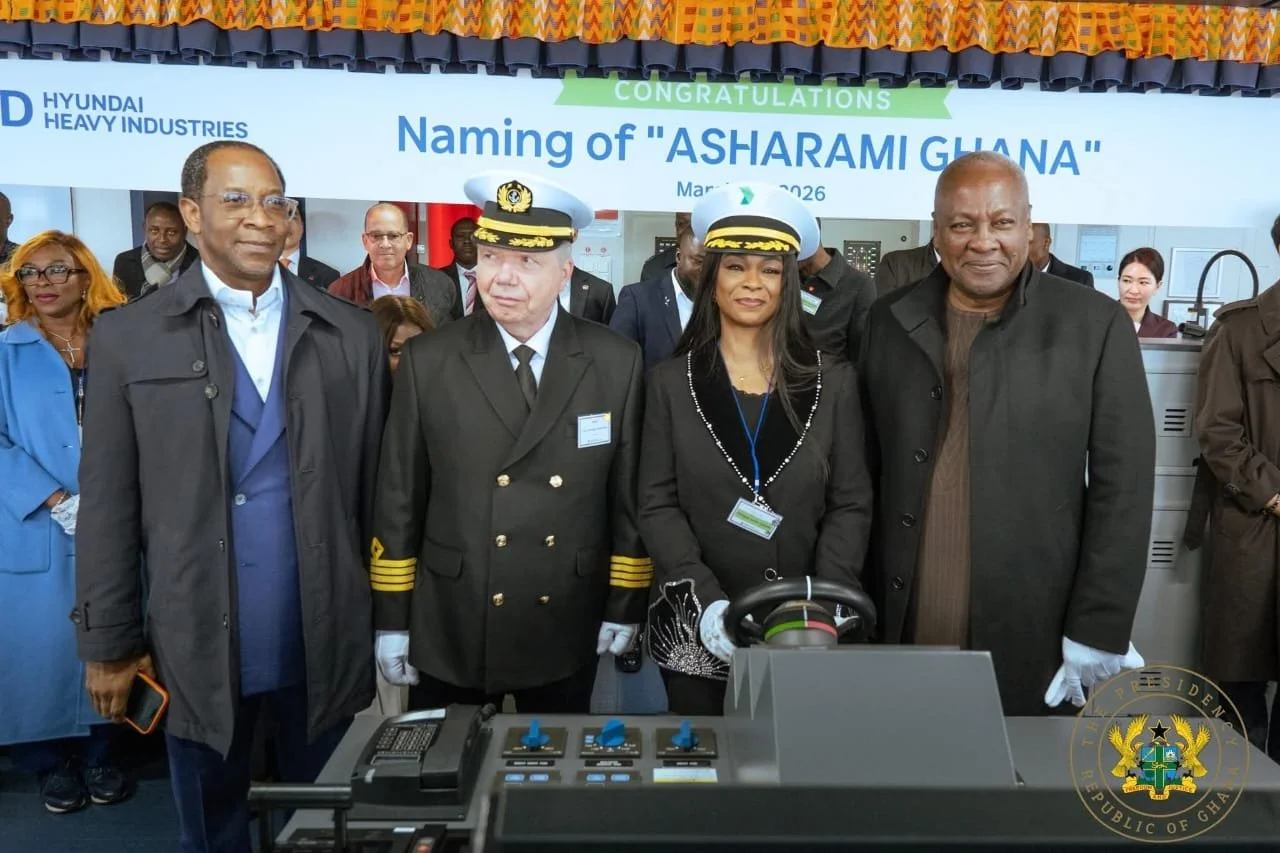
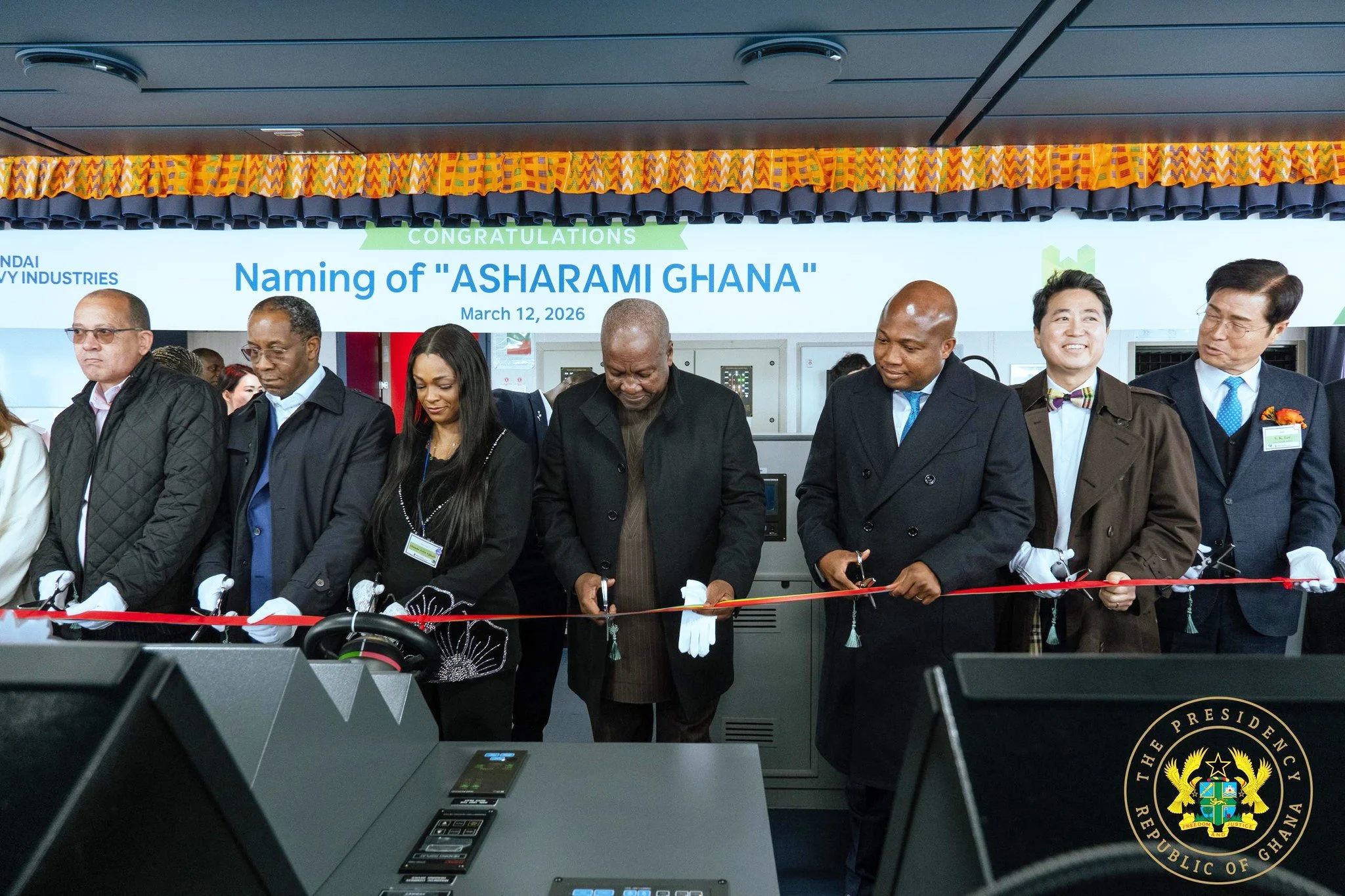
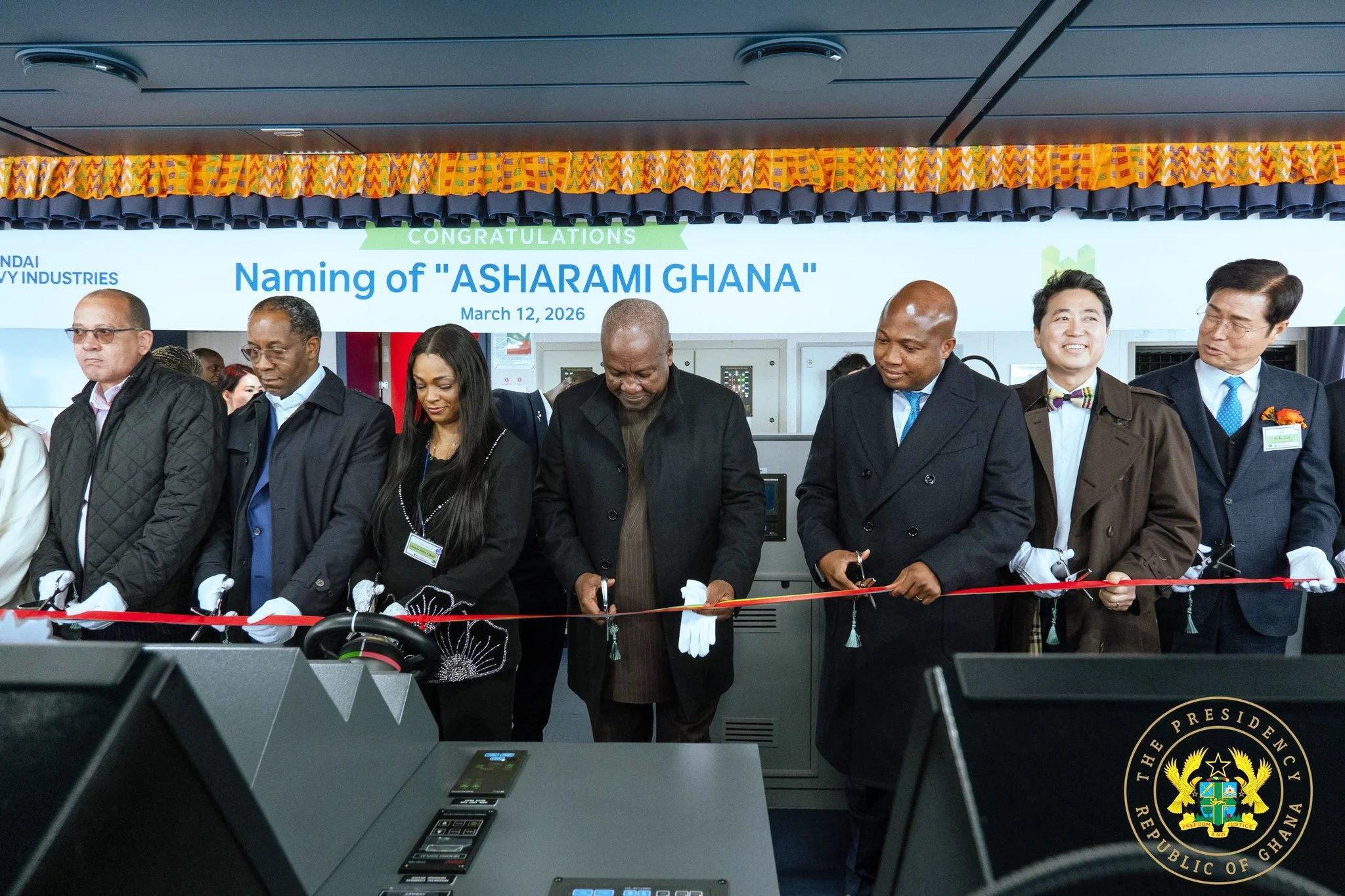
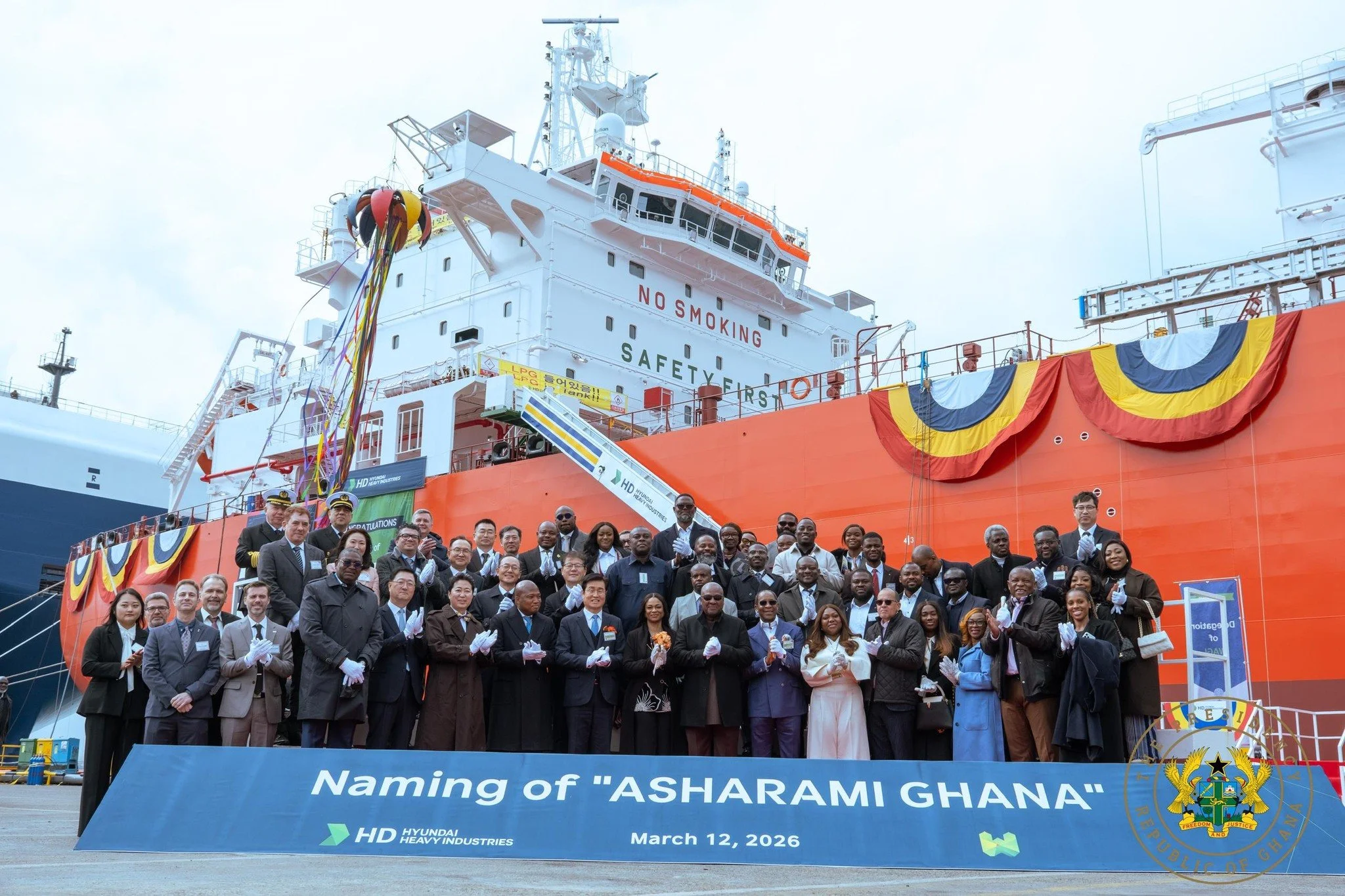
Ulsan, South Korea | March 12, 2026 - President John Dramani Mahama on Thursday commissioned the LPG carrier MT Asharami Ghana, a move the government says strengthens the logistical backbone supporting Ghana’s growing gas economy and its broader transition toward cleaner energy.
The commissioning ceremony took place in the Republic of Korea on March 12, 2026, during the President’s working visit aimed at deepening cooperation between Ghana and Korea in trade, technology and industrial development.
For Accra, the unveiling of the vessel represents more than the addition of another ship to the global fleet. It forms part of a broader effort to reinforce the infrastructure that enables liquefied petroleum gas to move efficiently across international markets—an increasingly critical element in West Africa’s evolving energy landscape.
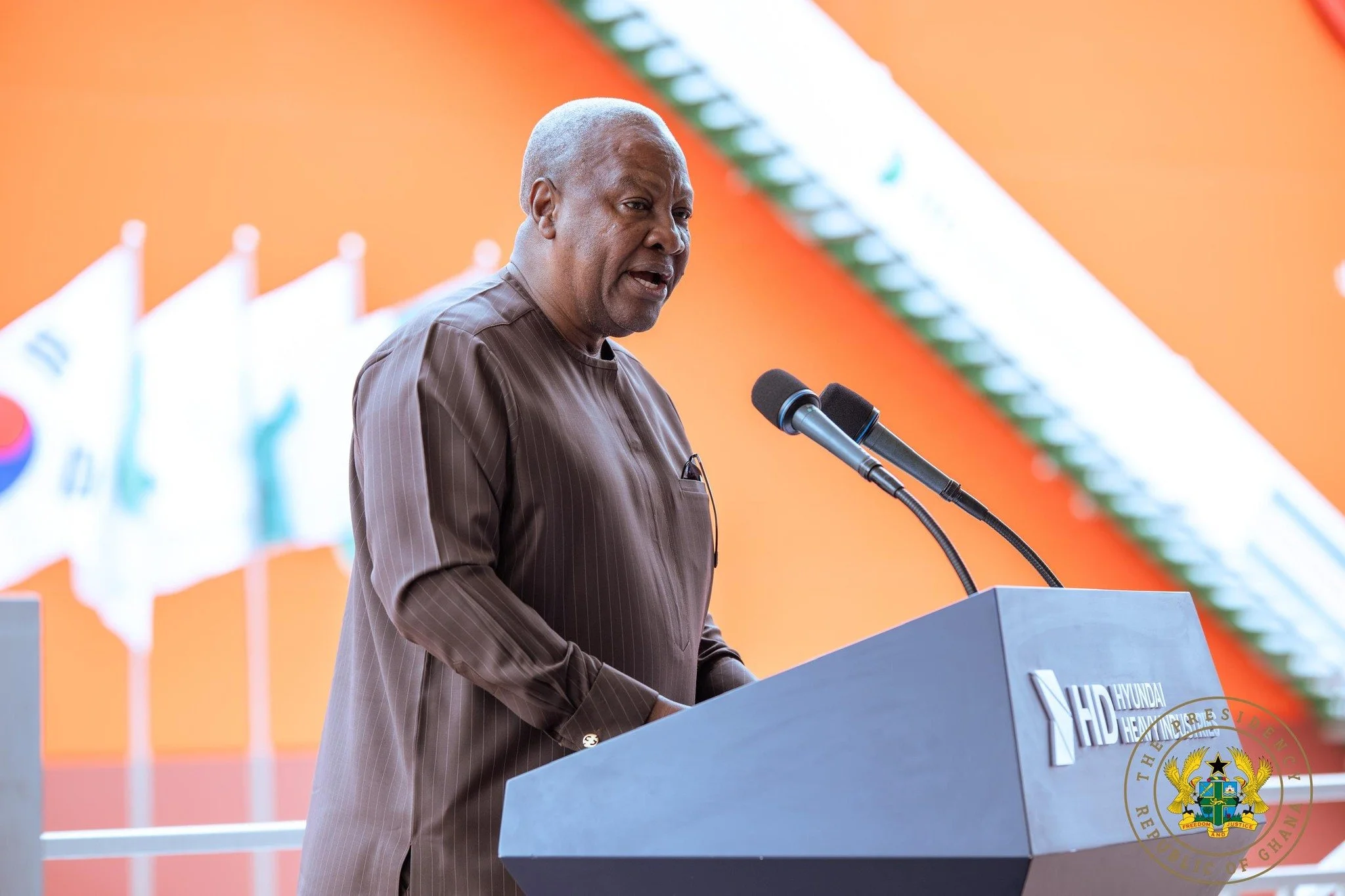
Describing the occasion as far more than ceremonial, President Mahama told participants that the development represents “a significant milestone in strengthening the infrastructure that underpins the global liquefied petroleum gas supply chain.”
Strengthening Regional LPG Logistics
The new carrier, developed under the West Africa Gas Limited (WAGL) Energy initiative with backing from Sahara Group and other partners, is expected to enhance LPG transportation capacity across West Africa.
In practical terms, that additional capacity could improve the reliability of LPG shipments across regional markets while helping smooth supply bottlenecks that occasionally disrupt deliveries.
For Ghana in particular, the logistics dimension carries strategic importance.
Despite expanding domestic gas resources, the country still depends partly on imports to meet LPG demand. President Mahama revealed that Ghana currently produces about 50 per cent of its LPG requirements locally, with imports filling the remainder.
In such circumstances, maritime transportation capacity becomes a critical component of supply security.
The President explained that expanding global LPG shipping capacity helps importing countries strengthen supply reliability, diversify sources across international markets and stabilise prices through more efficient logistics.
“Energy access and the transition to cleaner energy sources remain among the defining challenges of our time. Liquefied Petroleum Gas plays a vital role in this transition,” he said during the commissioning.
LPG as a Bridge Fuel in Africa’s Energy Transition
Across much of sub-Saharan Africa, LPG is increasingly positioned as a bridge fuel—cleaner than traditional biomass fuels such as charcoal and firewood, yet more accessible than many emerging energy technologies that require costly infrastructure.
President Mahama highlighted this transition role, noting that broader LPG adoption could reduce deforestation and indoor air pollution while improving public health outcomes across the continent.
He added that wider access to LPG could support socio-economic development by providing households and businesses with more reliable and modern energy services.
The MT Asharami Ghana, he noted, represents part of a growing effort by governments and private investors to build the infrastructure required to support that transition.
The WAGL Energy Initiative
The vessel forms part of a wider investment framework led by West Africa Gas Limited, a regional initiative designed to deepen LPG supply networks across the sub-region.
The programme focuses on strengthening infrastructure across the LPG value chain, including shipping capacity, storage facilities and distribution networks capable of serving emerging markets in West Africa.
For partners such as Sahara Group, the initiative reflects a broader strategy to expand downstream energy logistics across Africa.
The company has steadily built a presence across trading, midstream infrastructure and fuel distribution markets, positioning itself as a key player in the continent’s evolving petroleum supply chains.
President Mahama commended Sahara Group, WAGL and their partners for what he described as a demonstration of how private sector investment can help bridge infrastructure gaps across Africa’s energy markets.
International Partnerships and Energy Development
Beyond the vessel itself, the President also used the occasion to emphasise the importance of international cooperation in advancing Africa’s energy development agenda.
He stressed that partnerships between African economies and global investors remain critical to mobilising the capital and technology required to expand infrastructure across the continent.
Projects such as the MT Asharami Ghana, he said, illustrate how collaboration built on mutual respect and shared prosperity can support sustainable development.
Ghana’s Expanding Gas Strategy
The commissioning arrives at a time when Ghana is intensifying its focus on natural gas as the backbone of its energy strategy.
In recent months, the government has accelerated several initiatives aimed at expanding gas production, strengthening infrastructure and increasing the role of gas across power generation, industry and transportation.
Domestic supply has already begun to rise.
Production from the Offshore Cape Three Points (OCTP) project has increased from roughly 240 million standard cubic feet per day to about 270 million. Meanwhile, associated gas supply from the Jubilee Field Ghana and TEN Field Ghana has climbed to approximately 130 million standard cubic feet per day, up from around 110 million previously.
Additional agreements are expected to bring another 150 million standard cubic feet per day into the system in the coming years.
To accommodate the rising volumes, the government is also fast-tracking the development of a second processing facility - GPP II - by Ghana National Gas Company, which would process additional offshore gas and deliver it to domestic power plants and industrial users.
If realised, the expansion could reverse Ghana’s recent production decline while reinforcing domestic gas as the anchor fuel for electricity generation—displacing costlier liquid fuels and reducing pressure on electricity tariffs.
Gas Expanding Into New Sectors
Beyond power generation, the government has begun pushing gas into new areas of the economy.
Ghana recently witnessed the launch of its first compressed natural gas hub by TetraCore, marking an early step toward introducing gas into the transport sector as part of a broader shift toward a gas-use economy.
Parallel discussions are also underway around deeper integration between gas supply and the downstream petroleum sector, including potential utilisation of gas at the Tema Oil Refinery.
At the diplomatic level, Ghana Gas has intensified engagement with international partners to attract new upstream investment into the gas sector.
Those discussions form part of a broader strategy aimed at mobilising up to $35 billion in upstream investment to reinforce the country’s long-term energy security.
Infrastructure as the Missing Link
Against this backdrop, the commissioning of the MT Asharami Ghana highlights a parallel effort to strengthen the logistical infrastructure required to move gas products efficiently across regional markets.
For policymakers in Accra, the message is increasingly clear: production, processing, distribution and transportation must evolve together if the gas economy is to scale.
President Mahama underscored that point during the ceremony, noting that the vessel’s addition to the global LPG fleet reflects a growing commitment among governments, investors and industry partners to expand access to reliable and cleaner energy across West Africa and the wider African continent.
In his words, the project demonstrates how “innovation, investment and strategic partnerships” can strengthen regional energy systems while unlocking new economic opportunities.
