CBOD CEO Calls for Tougher Crackdown on Illicit Fuel Operations Amid Rising Enforcement Push
The CEO of the Chamber of Bulk Oil Distributors has sounded the alarm on illicit fuel operations and below-cost selling amid Ghana’s ongoing downstream fuel price war. His call for stronger regulatory enforcement and investigations comes as the sector navigates fierce competition, raging policy debates over the price floor, and a regulatory crackdown aimed at restoring market integrity.
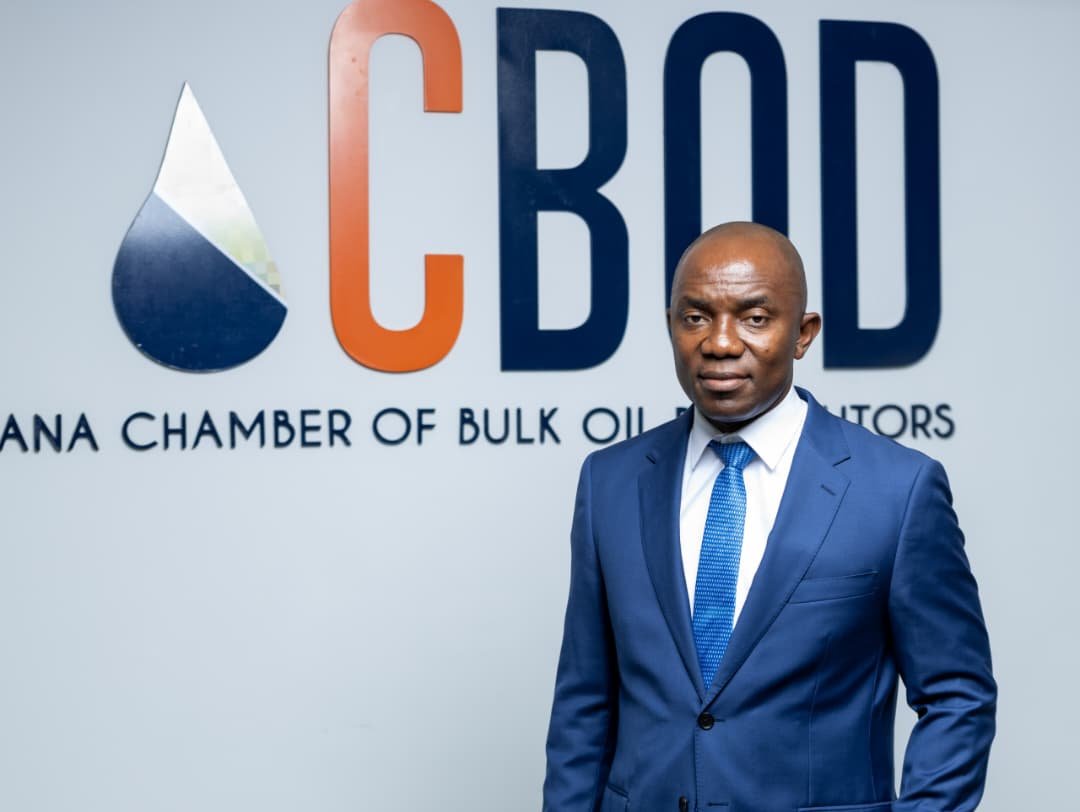
Accra, Ghana | January 20, 2026 - The CEO of the Chamber of Bulk Oil Distributors (CBOD) has called for intensified regulatory action against illicit fuel operations in Ghana’s downstream petroleum sector, emphasizing the need for stronger enforcement amid ongoing market price pressures.
Speaking on the evening edition of Business Live, he disclosed that about 15 percent of the downstream fuel market is estimated to be controlled by non-compliant and illicit operators, presenting significant challenges to market integrity and consumer safety. This sizable illicit presence threatens legitimate businesses and undermines the sector’s overall stability.
In addition to illicit operations, he raised concerns about fuel being sold below cost during the current price war. He called for investigations to determine whether such pricing practices conceal financial manipulations aimed at masking non-compliance, further destabilizing the market.
Since December’s second pricing window, Ghana’s fuel market has experienced a sharp decline in prices, dropping ~ 30 percent year to date. Oil marketing companies (OMCs) have aggressively competed for market share, driving pump prices into single digits for the first time since 2022.
Leading this intense battle are Star Oil and GOIL, whose CEOs have clashed publicly over regulatory policy. Star Oil’s CEO, Philip Kwame Tieku, has called for the abolition of the price floor policy, arguing it hampers competitive pricing and market efficiency. In response, GOIL’s CEO Edward Abambire Bawa, has pushed back, emphasizing the importance of the price floor in maintaining market stability and protecting legitimate operators from destructive undercutting.
The National Petroleum Authority (NPA), Ghana’s downstream regulator, on the other hand, has firmly dismissed the calls for scrapping the price floor, insisting that it is crucial for the protection of a downstream market in the throes of evolution. This ongoing debate underscores the complex tensions within Ghana’s downstream sector amid efforts to balance fair competition and regulatory oversight.
Under the leadership of Godwin Edudzi Kudzo Tameklo, the National Petroleum Authority (NPA) has prioritized enforcement and institutional strength to combat illicit activities in the downstream value chain. These efforts seek to create a fair and transparent market environment that protects both consumers and compliant industry players.
The National Petroleum Authority, recently empowered under Article 88(4) to prosecute offenders, has recently shifted from issuing warnings to actively preparing legal actions against entities involved in fuel smuggling, adulteration, illegal importation, and bunkering. This move represents a decisive step in closing regulatory gaps that have allowed illicit trade to persist.
The call for the crackdown, as well as the moves by the NPA over the past year do make one thing clear: industry and regulator are in lockstep when it comes to the threats to Ghana’s downstream and that the scene is moving from talk, to consensus, to decisive action.
