
GRIDCo Completes Generation and Transmission Master Plan to Steer Ghana’s Power System Through 2040
Ghana’s power sector planning framework has taken a decisive step forward with the completion of the Generation and Transmission Master Plan (2025–2040) by the Ghana Grid Company (GRIDCo). The strategic blueprint—designed to guide investment in power generation, transmission expansion and renewable energy integration—comes as electricity demand accelerates and policymakers push to raise renewable energy’s share of the national generation mix to 10% by 2030. By aligning with broader planning instruments such as the Integrated Power Sector Master Plan and the Ghana National Energy Compact, the new roadmap positions the national grid at the centre of the country’s long-term energy transition and reliability strategy.
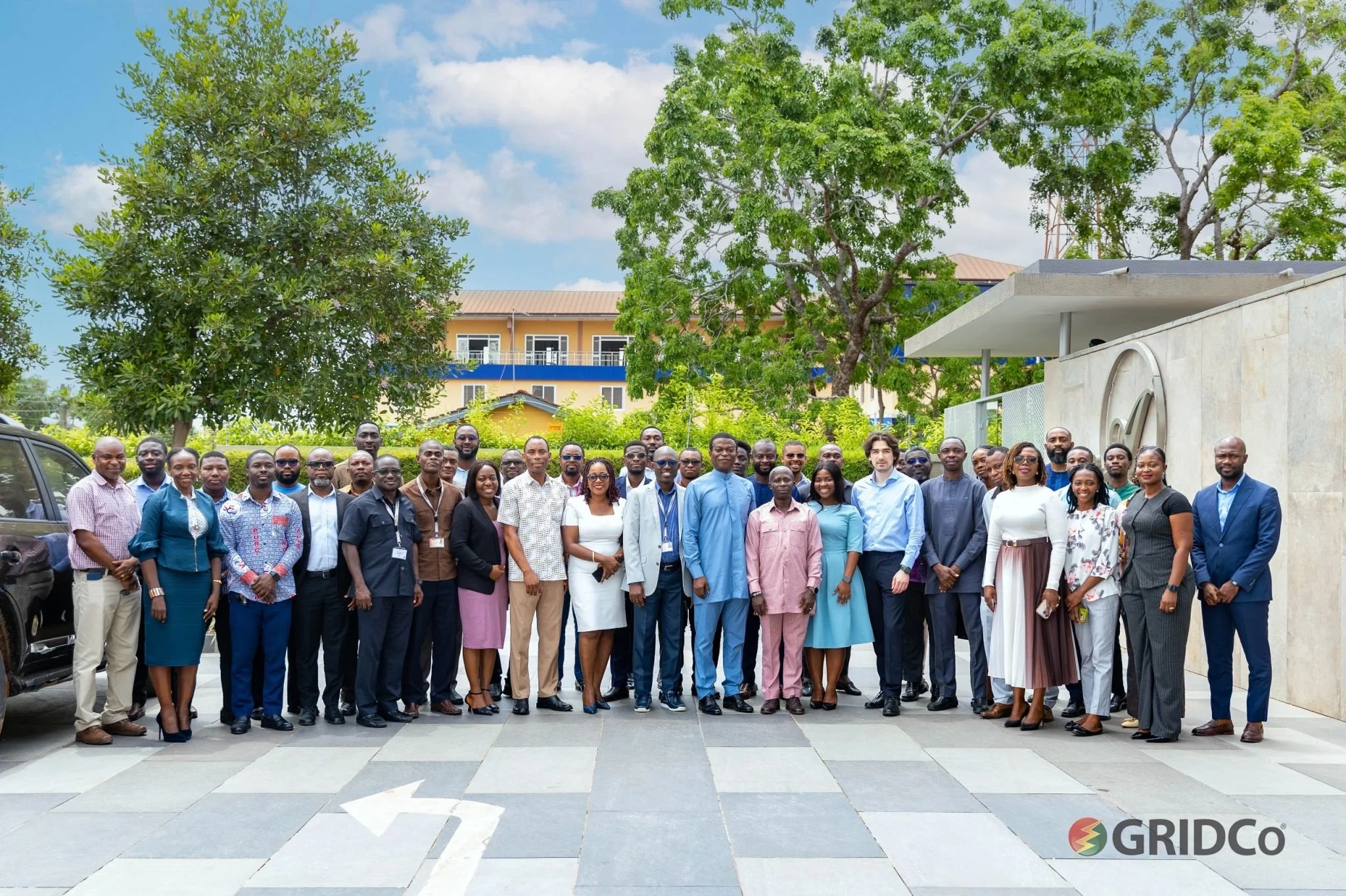
Accra, Ghana| March 11, 2026 - Ghana’s power system planning architecture has entered a decisive new phase after the Ghana Grid Company (GRIDCo) completed the Generation and Transmission Master Plan (2025–2040)—a strategic blueprint designed to guide capacity expansion, transmission upgrades, and the integration of renewable energy into the national grid over the next decade and a half.
The plan arrives as Ghana faces the dual pressures of rapid electricity demand growth and intensifying climate commitments, placing the grid operator at the centre of efforts to maintain reliability while transitioning toward cleaner power sources.
According to GRIDCo, the newly completed framework is intended to anchor investment decisions and operational planning across the electricity value chain.
“Work has concluded on the Generation and Transmission Master Plans (2025–2040) to meet Ghana’s growing electricity demand and expand Renewable Energy (RE) to 10% of the generation mix by 2030,” the company announced.
“This updated strategic document sets the road map to guide critical decisions to ensure Ghana’s Power System continues to deliver reliable electricity for the country’s future.”
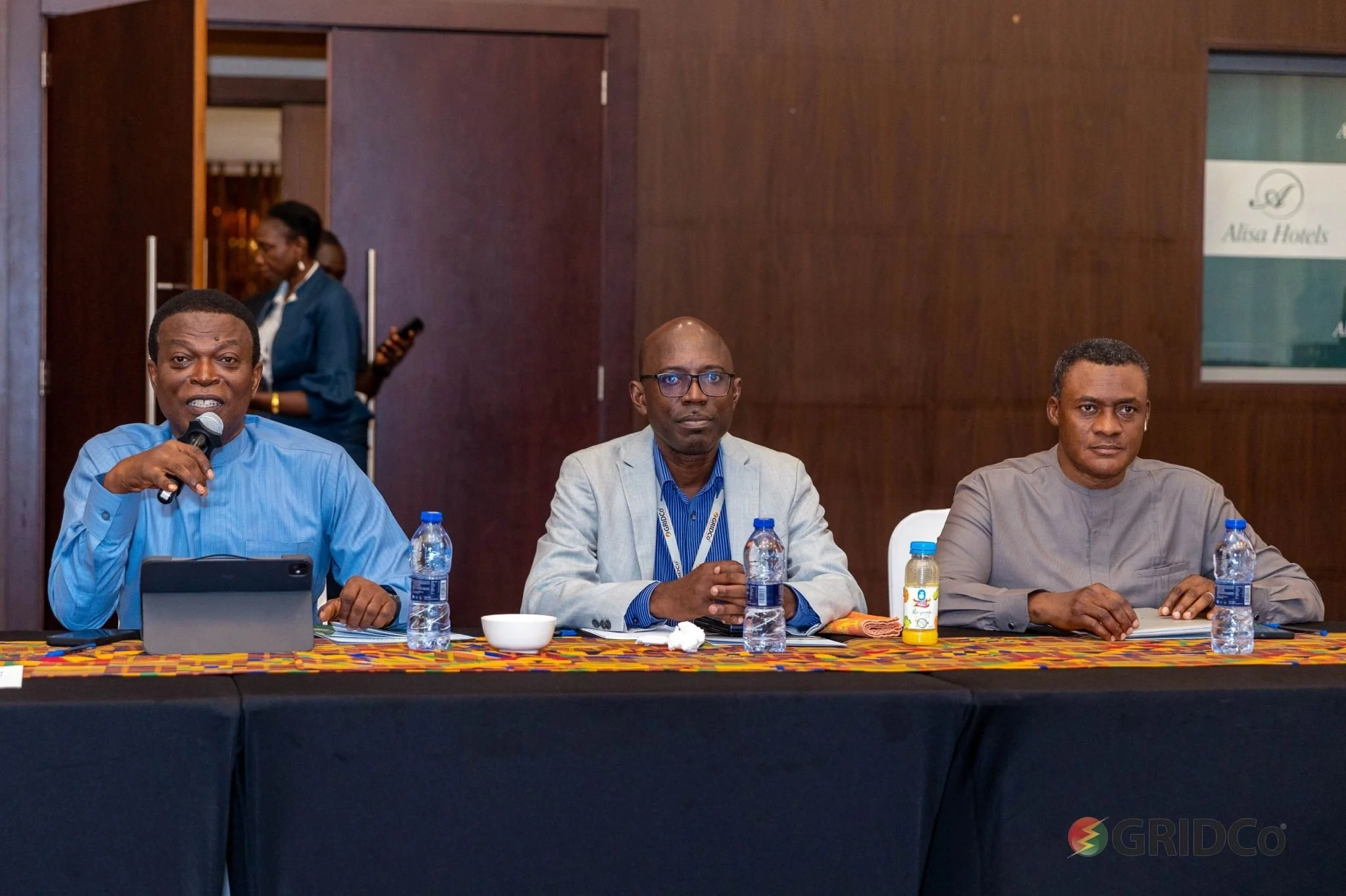
The planning process involved close engagement with key institutions across the power sector and GRIDCo Chief Executive Ing. Mark Baah to align priorities around network expansion and the evolving generation mix.
Planning the Grid for an Energy Transition
The completion of the master plan represents the latest step in a series of policy and planning initiatives aimed at recalibrating Ghana’s power system for the coming decades.
At the centre of this architecture sits the 2023 Integrated Power Sector Master Plan (IPSMP)—the country’s overarching blueprint for generation capacity expansion and system optimisation.
While the IPSMP mapped out long-term supply and demand trajectories for the sector, it also underscored the need for more granular technical planning around the transmission network, particularly as renewable energy becomes a larger component of the generation mix.
“Additional studies, however, is needed to fully assess the impact of grid integration of renewables, including the need for ancillary services, in light of policy goals and the expected cost decline of specific technologies,” the IPSMP noted.
To operationalise that recommendation, the plan called for authorities to “prepare a Transmission System Master Plan consistent with the IPSMP.”
GRIDCo’s newly completed Generation and Transmission Master Plan effectively fills that gap—translating high-level policy direction into an engineering and investment roadmap for the national grid.

Aligning with Ghana’s Energy Compact
The new master plan also aligns closely with Ghana’s broader international and domestic energy transition commitments, particularly the Ghana National Energy Compact, which sets out a reform and investment agenda developed with development partners and private-sector stakeholders.
The compact identifies renewable energy expansion as a central pillar of the country’s future power system.
It outlines four transformative objectives, including “increasing the share of renewable energy in the generation mix by prioritizing solar, wind, biomass medium hydropower, battery energy storage, and hydrogen integration.”
In parallel, the government has committed to pushing electricity access levels to 99% of the population by 2030, while raising the renewable share of generation from 4% to 10% over the same period.
Achieving that shift will require a combination of utility-scale renewable projects, distributed energy solutions and grid infrastructure capable of integrating intermittent power sources.
“Utility scale solar, wind and hydro capacity additions combined with distributed renewable energy solutions will be required to meet this target,” the compact states.
The document also emphasises that lowering generation costs—and ultimately electricity tariffs—will depend on least-cost power planning and efficient dispatch across the system, both of which hinge on robust transmission infrastructure.
Demand Growth Driving Urgency
Behind the growing emphasis on grid planning lies a fundamental structural reality: Ghana’s electricity demand is expanding rapidly.
Energy Commission projections in the Renewable Energy Masterplan estimate annual electricity demand growth of roughly 10%, a trajectory that requires sustained capacity additions across the power system.
The Commission estimates that around 200 megawatts of new capacity must be added annually to keep pace with rising consumption.
Demand projections illustrate the scale of the challenge. Electricity consumption was expected to reach about 23,000 GWh by 2020, climbing to approximately 40,000 GWh by 2030.
Such growth has profound implications for the transmission network, which must expand in parallel with generation to maintain system stability and deliver power reliably across the country.
From Planning to Implementation
Taken together, the IPSMP, the Renewable Energy Masterplan and the Ghana National Energy Compact form the strategic scaffolding for the country’s energy transition.
GRIDCo’s Generation and Transmission Master Plan now provides the technical bridge between policy ambition and physical infrastructure, translating national targets into specific network expansion and system management strategies.
As Ghana pursues both universal electricity access and a higher renewable share in the generation mix, the effectiveness of this planning framework will be tested in the years ahead.
For the grid operator, the stakes are clear: ensuring that the country’s transmission backbone evolves quickly enough to support rising demand, integrate cleaner power sources, and maintain reliability across an increasingly complex electricity system.
