Ghana Courts Strategic Allies to Reinforce Energy Sector Stability
Ghana’s Energy Minister is intensifying high-level diplomatic engagements with key international partners, signalling a renewed push to mobilise technical cooperation, investment, and policy alignment to stabilise and modernise the country’s energy sector.
Accra, Ghana | March 10, 2026 - Ghana’s Energy Minister is ramping up international engagement as part of a broader effort to mobilise partnerships capable of supporting stability, investment and long-term transformation across the country’s energy value chain.
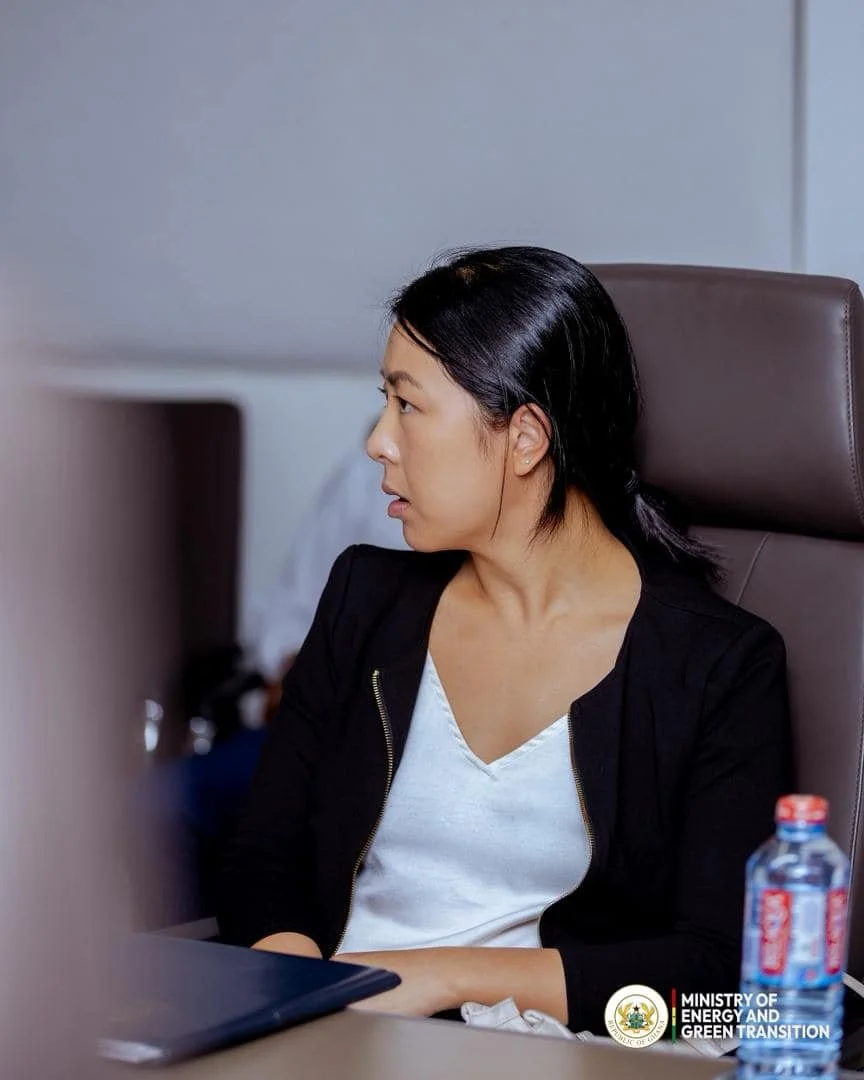
In recent days, the minister has held separate discussions with senior representatives from the United States and France, underscoring a deliberate strategy to deepen cooperation with long-standing development and diplomatic partners at a time when Ghana’s energy sector faces mounting financial, operational and transition pressures.
The engagements form part of a wider push by the government to strengthen external partnerships that can support reforms, improve sector efficiency, and unlock financing for critical infrastructure.
Renewed Cooperation with the United States
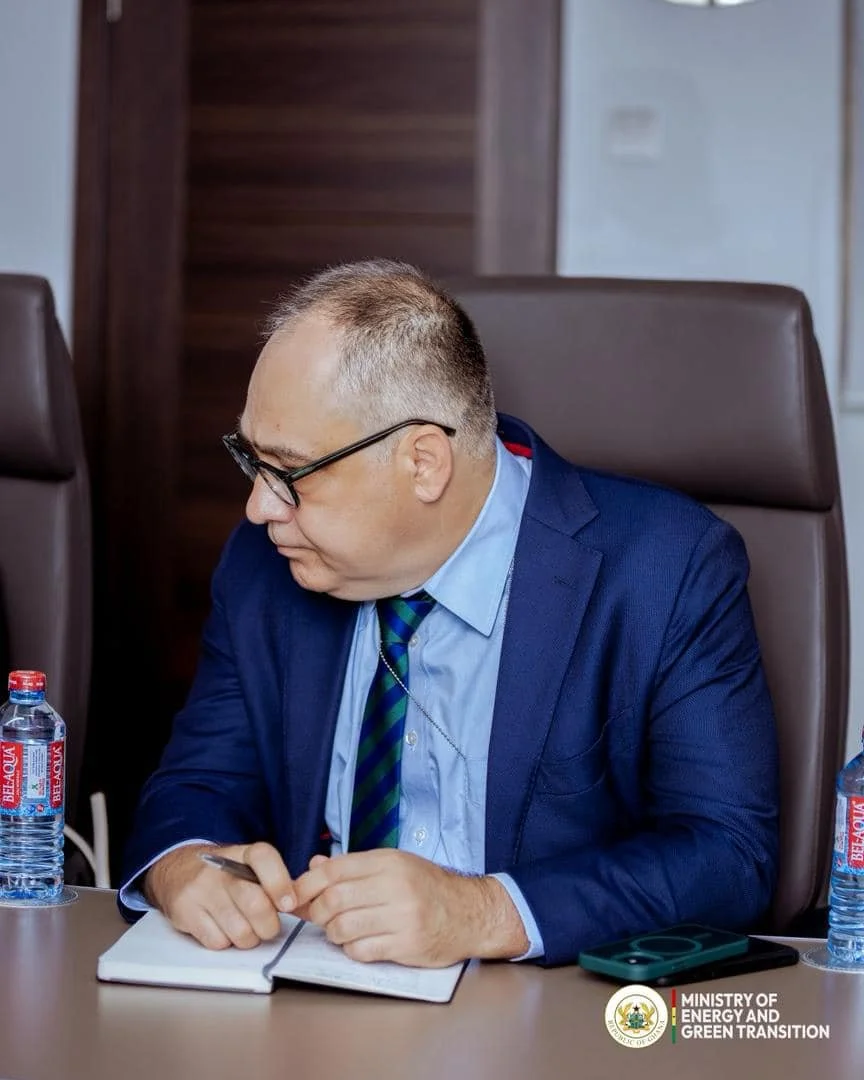
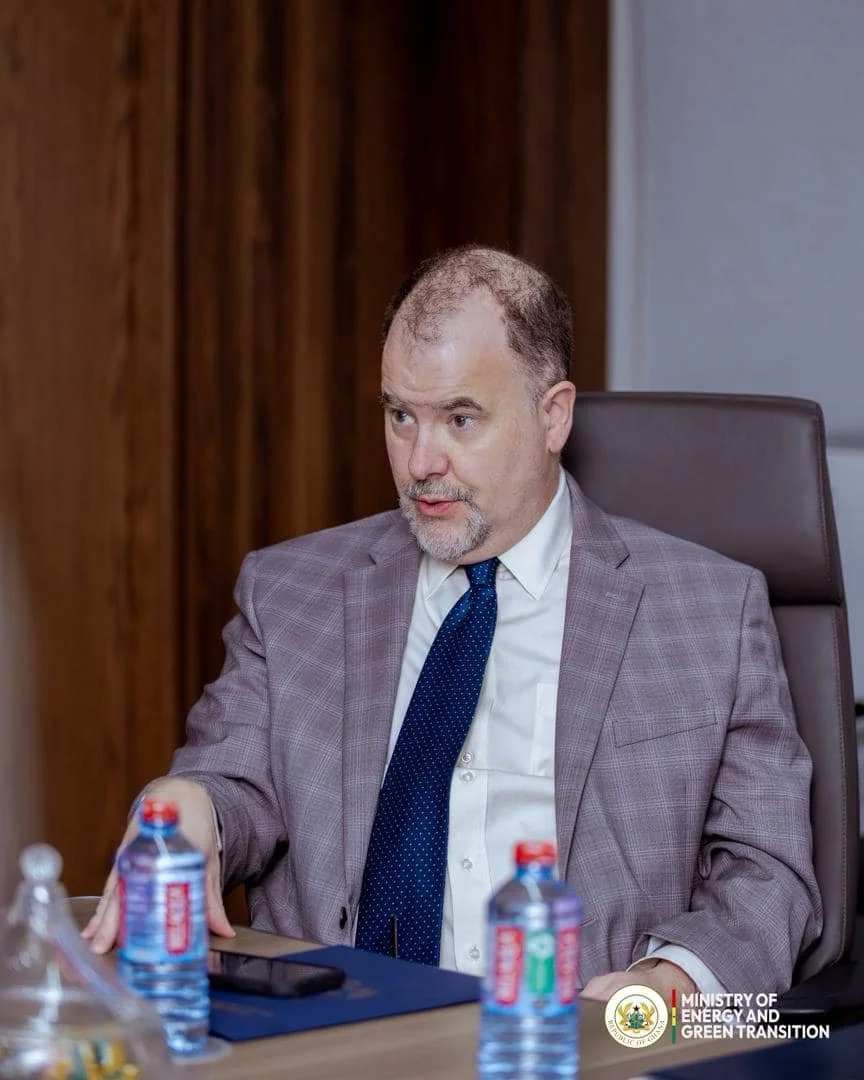
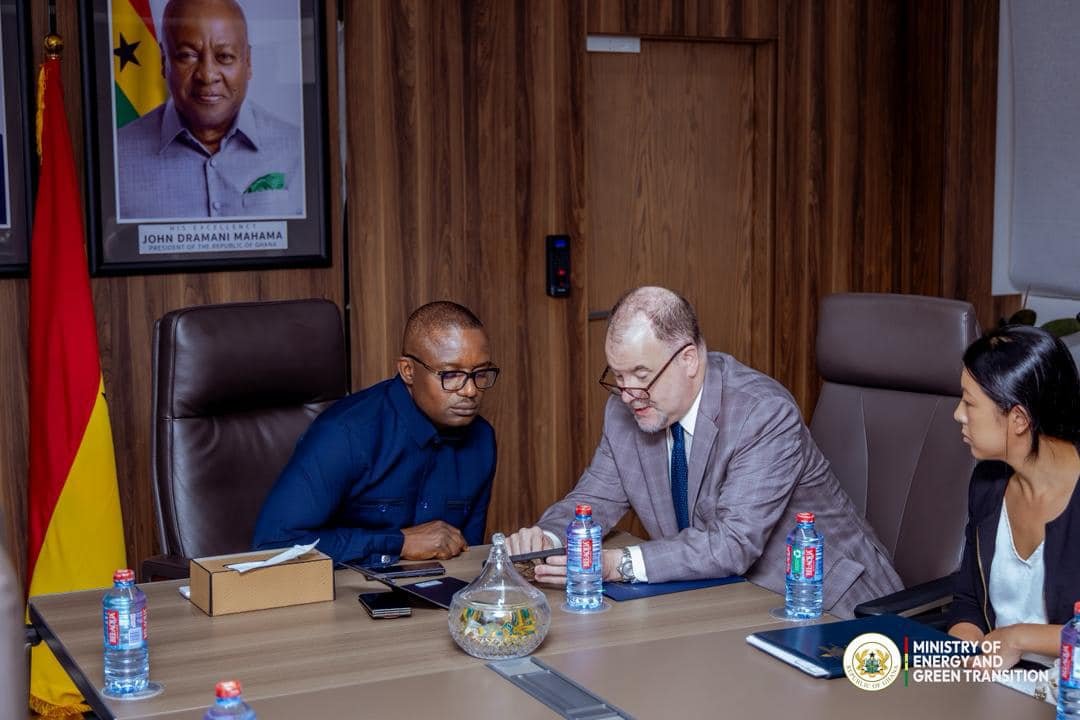
In Accra, the minister welcomed a delegation from the U.S. Embassy led by Chargé d’Affaires Ambassador Rolf Olson, where discussions focused on strengthening bilateral cooperation in the energy space.
The meeting explored avenues for expanding collaboration across areas of shared interest, with both sides reaffirming their commitment to advancing initiatives that promote sector stability, economic growth and long-term energy security.
Ghana and the United States have maintained extensive cooperation in the energy sector over the past decade, spanning regulatory reform, technical assistance, and power sector development under programmes such as Power Africa.
While details of specific initiatives emerging from the meeting were not disclosed, the engagement signals continued alignment between Accra and Washington on efforts to strengthen governance and attract private investment into the sector.
France’s Development Arm Signals Continued Support
The minister also held talks with representatives of Agence Française de Développement (AFD), the French government’s development finance institution, which has played a long-standing role in supporting Ghana’s energy infrastructure and sector reforms.
During the discussions, the minister commended AFD for what he described as the depth and consistency of its partnership with Ghana, particularly in advancing projects aimed at strengthening energy access, reliability and sustainability.
AFD has been involved in financing several energy-related initiatives in Ghana, including power distribution upgrades and renewable energy development programmes designed to support the country’s broader energy transition objectives.
Both sides signalled interest in further strengthening collaboration as Ghana seeks to modernise its energy system while maintaining reliability and affordability for consumers.
Diplomacy as an Energy Policy Tool
The twin engagements highlight how international diplomacy is increasingly becoming a central instrument in Ghana’s energy policy strategy.
Beyond domestic reforms, the government is relying on partnerships with development finance institutions, foreign governments and international investors to help address persistent challenges in the sector—from infrastructure financing gaps to the transition toward cleaner energy systems.
With Ghana’s power sector still grappling with financial sustainability concerns and rising demand, deepening cooperation with external partners is seen as critical to mobilising both capital and technical expertise.
If sustained, the minister’s growing roster of international engagements could help position Ghana to secure the partnerships needed to stabilise the sector in the near term while laying the groundwork for longer-term transformation