GOIL Courts Japanese Capital to Deepen LPG Infrastructure and Accelerate EV Ambitions
As Ghana’s energy transition inches from policy rhetoric to infrastructure reality, GOIL is looking east. In high-level talks with Japan’s trade promotion agency, the market-leading oil marketing company signalled fresh intent to expand LPG storage capacity and position its nationwide forecourt network for electric vehicle charging — a dual-track strategy that blends supply security with future-facing mobility.
Accra, Ghana | March 3, 2026 - In a season defined by deliberate courtships and calibrated expansion, GOIL PLC is widening its aperture beyond pump price skirmishes to something more structural: infrastructure, electrification and capital partnerships with geopolitical heft.
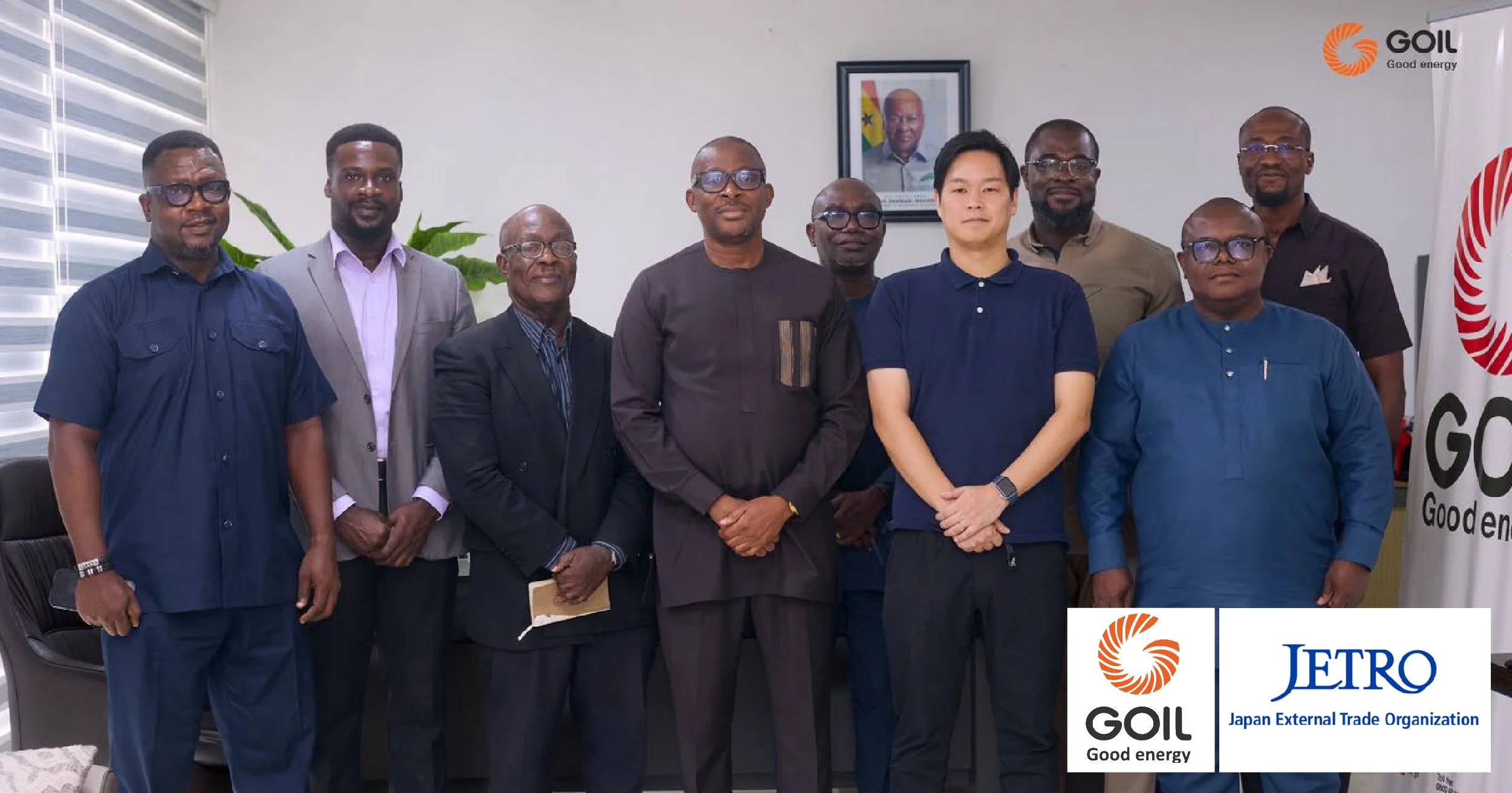
Its latest interlocutor is Japan External Trade Organization (JETRO), the government-related body established in 1958 to promote Japanese trade and investment globally, and now increasingly focused on facilitating outward investment and cross-border industrial linkages. At a strategic meeting in Accra, GOIL’s Group CEO and Managing Director, Mr Edward Abambire Bawa, hosted a three-member JETRO delegation led by Director-General Mr Tsubasa Nakagawa, in discussions that ranged from LPG storage to electric vehicle charging infrastructure.
The optics matter. But the substance matters more.
Infrastructure as Competitive Moat
At the centre of the dialogue was Liquefied Petroleum Gas (LPG) storage. For one of Ghana’s largest indigenous oil marketing companies and market leader in LPG retail, storage capacity is not merely a logistical concern; it is a balance-sheet lever and a national security variable.
Mr Bawa reiterated GOIL’s interest in a potential joint venture to expand LPG storage infrastructure. The logic is straightforward: larger and more modern storage reduces supply volatility, strengthens procurement flexibility, improves throughput efficiency and ultimately cushions consumers from avoidable price dislocations. In a market where import timing and global benchmarks drive margins, storage is strategy.
This ambition is not new. At Africa Energy Week 2025, GOIL publicly flagged plans to expand LPG storage to bolster energy security, including investments tied to its Tema and Kumasi bottling plants under the Cylinder Recirculation Model. Those facilities, with a combined capacity of 1,200 metric tonnes, form part of a broader 2025 outlook aimed at deepening market penetration while embedding automation and risk governance into the company’s operating model.
For Ghana, expanded LPG infrastructure intersects with policy objectives: cleaner household energy, reduced reliance on biomass and improved supply reliability. The macro case is compelling. The execution will require disciplined structuring, clear risk allocation and regulatory alignment.
Charging the Transition
If LPG is about fortifying today’s core, electric vehicle (EV) charging is about staking a claim on tomorrow.
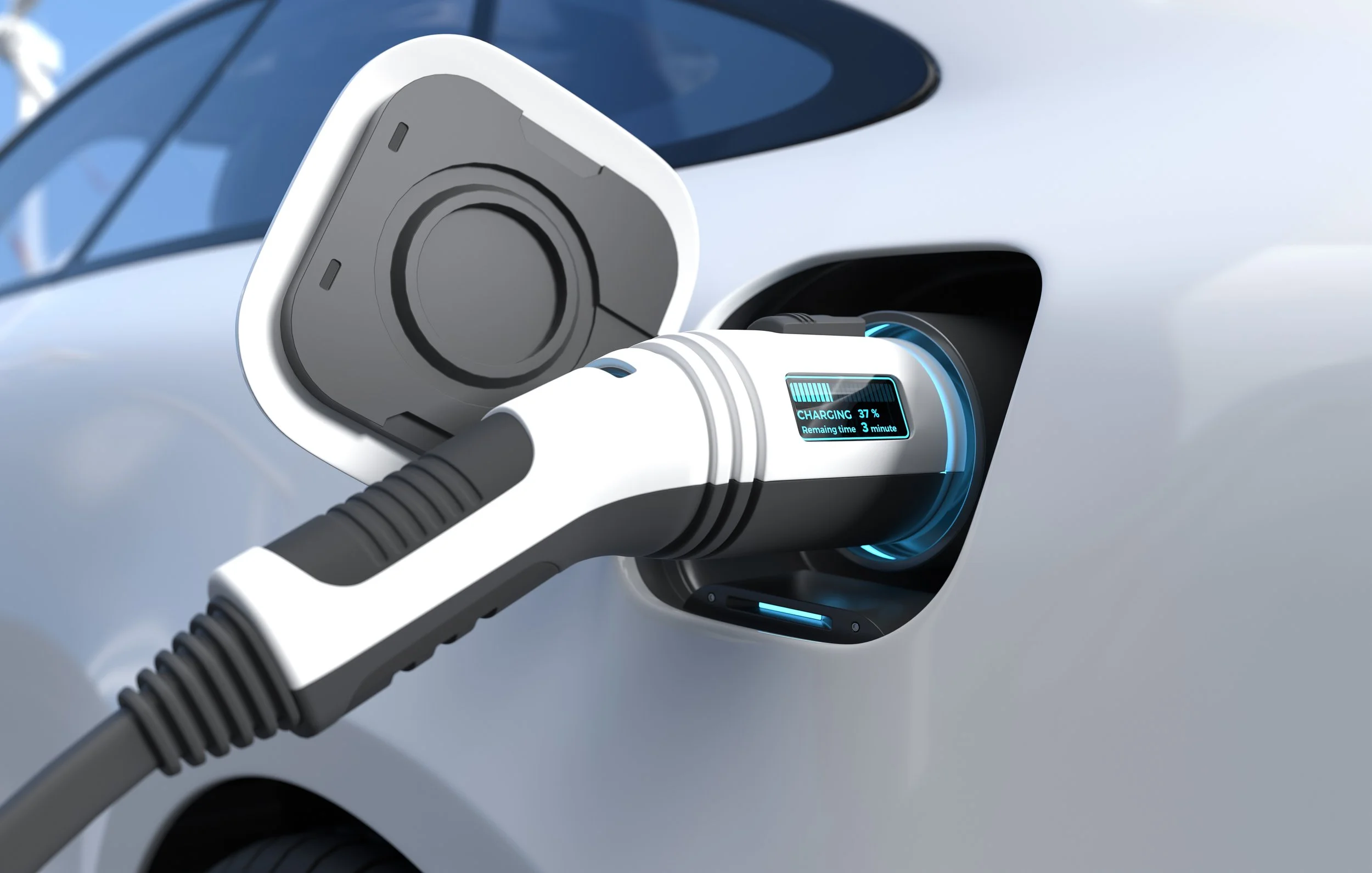
The Accra discussions also explored cooperation in EV charging infrastructure. Here, GOIL’s structural advantage is its footprint: over 400 service stations nationwide. Few entities are as well-positioned to convert legacy forecourts into hybrid energy hubs that dispense both hydrocarbons and electrons.
Ghana’s EV ecosystem remains nascent, though early signals are emerging. The commissioning of the country’s first solar-powered EV charging station underscores a growing policy and private-sector appetite for cleaner mobility solutions. Still, scale will depend on grid integration, tariff design, vehicle penetration and consumer incentives.
GOIL’s play, therefore, is pre-emptive positioning. By embedding charging points within its existing network, the company could lower entry barriers, accelerate utilisation once EV adoption gains pace, and future-proof assets that might otherwise face long-term demand erosion.
Critically, this is consistent with the company’s 2025 strategic focus: embedding innovation and technology into its corporate DNA, while maintaining robust governance and risk oversight. EV infrastructure, if sequenced properly, becomes a measured extension of that thesis rather than a speculative detour.
A Pattern of Strategic Alignments
The JETRO engagement sits within a broader lattice of partnerships that GOIL has been constructing.
The company has strengthened supply and operational ties with Ghana’s military, a move that consolidates institutional demand and reinforces fuel quality confidence. It has also engaged with the U.S. Air Force on aviation fuel supply frameworks, positioning itself deeper within the aviation value chain. In the mining sector, GOIL has sharpened its play through closer collaboration with Zijin Golden Ridge, aligning with one of the country’s major gold producers.
These are not isolated announcements. They reflect a deliberate strategy: secure anchor clients in aviation and mining; fortify domestic institutional relationships; upgrade infrastructure; and court international partners capable of transferring capital and technology.
The market appears to be pricing in that narrative. GOIL reported a 95 per cent share growth in 2025, with momentum extending into early 2026. As at 17 February, its share price stood at GH¢3.60, signalling sustained investor confidence in management’s direction, operational efficiency and market positioning.
Between Ambition and Delivery
Yet ambition must clear operational hurdles.
Joint ventures in storage infrastructure demand rigorous feasibility studies, environmental assessments and structured financing. EV charging requires clarity on grid stability, regulatory frameworks and demand forecasting. Japanese participation, should it crystallise into formal agreements, will hinge on commercial viability and policy certainty.
What distinguishes the Accra meeting is not that it promises immediate capital inflows. It is that it situates GOIL within a transnational conversation about energy transition and infrastructure resilience.
In a stabilising macroeconomic environment and amid a peaceful political transition, 2025 presents a window for calculated expansion. GOIL appears intent on using that window to shift from being merely a fuel retailer with scale to an integrated energy infrastructure player with strategic depth.
The discussions with JETRO are thus less about ceremonial diplomacy and more about optionality — the ability to secure storage when supply tightens, to dispense electrons when mobility shifts, and to anchor growth in partnerships that extend beyond Ghana’s borders.
For a company intent on deepening market penetration while embedding innovation and risk discipline, that optionality may prove its most valuable asset.
