PHDC Deepens Civil Society Engagement as Petroleum Hub Momentum Builds Across Government and Industry
Ghana’s Petroleum Hub project is entering a decisive phase. A high-level engagement between the Petroleum Hub Development Corporation and more than 25 civil society organizations in Accra signals a shift from planning to national mobilisation, as government backing, institutional alliances, and early infrastructure partnerships begin to align around the Jomoro megaproject.
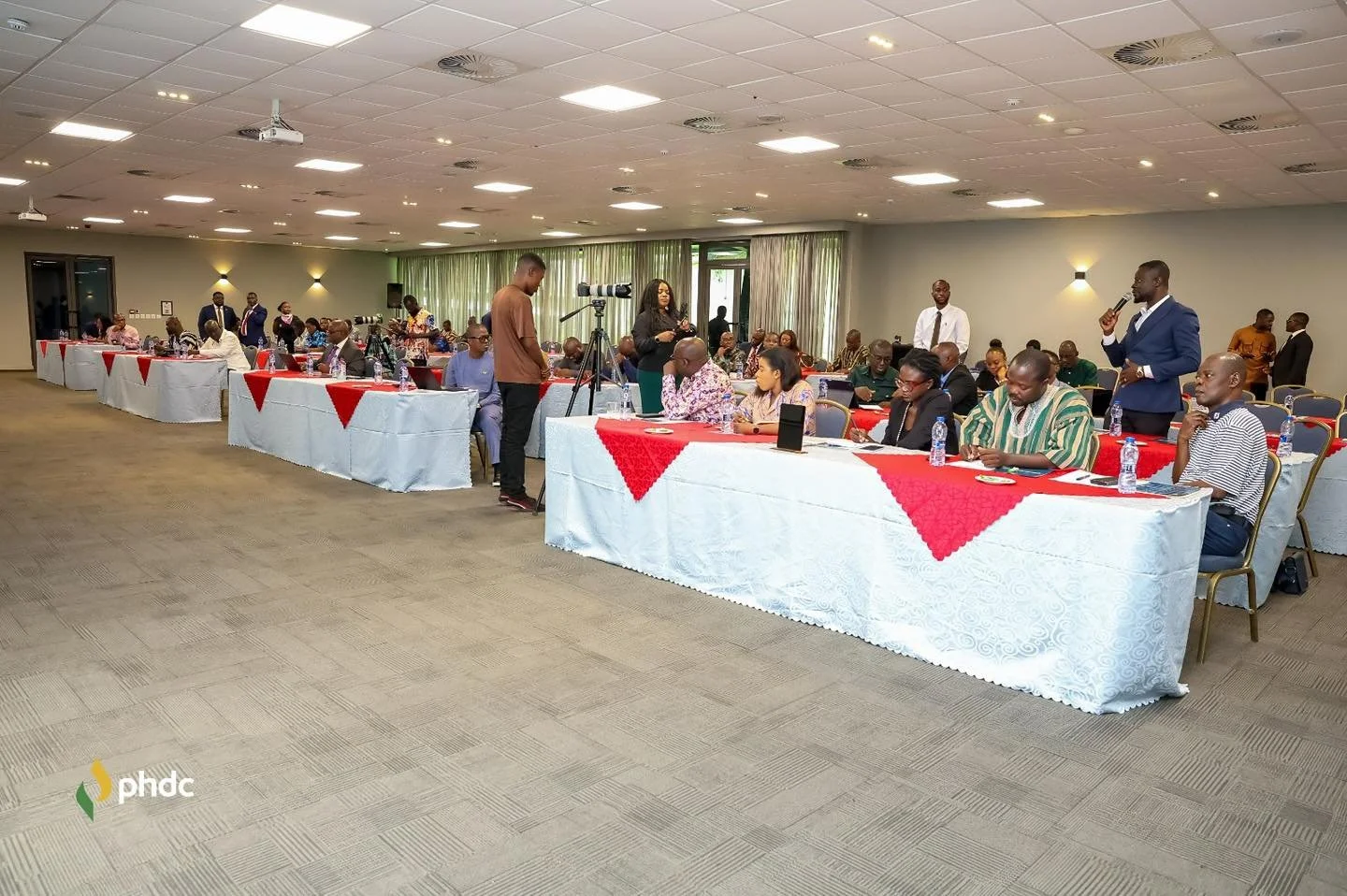
Fiesta Royale Hotel, Accra, Ghana | March 4, 2026 - The Petroleum Hub Development Corporation (PHDC) has stepped up its stakeholder diplomacy with a major strategic engagement with civil society organizations, a move that signals the project’s transition from conceptual ambition to structured national mobilisation.
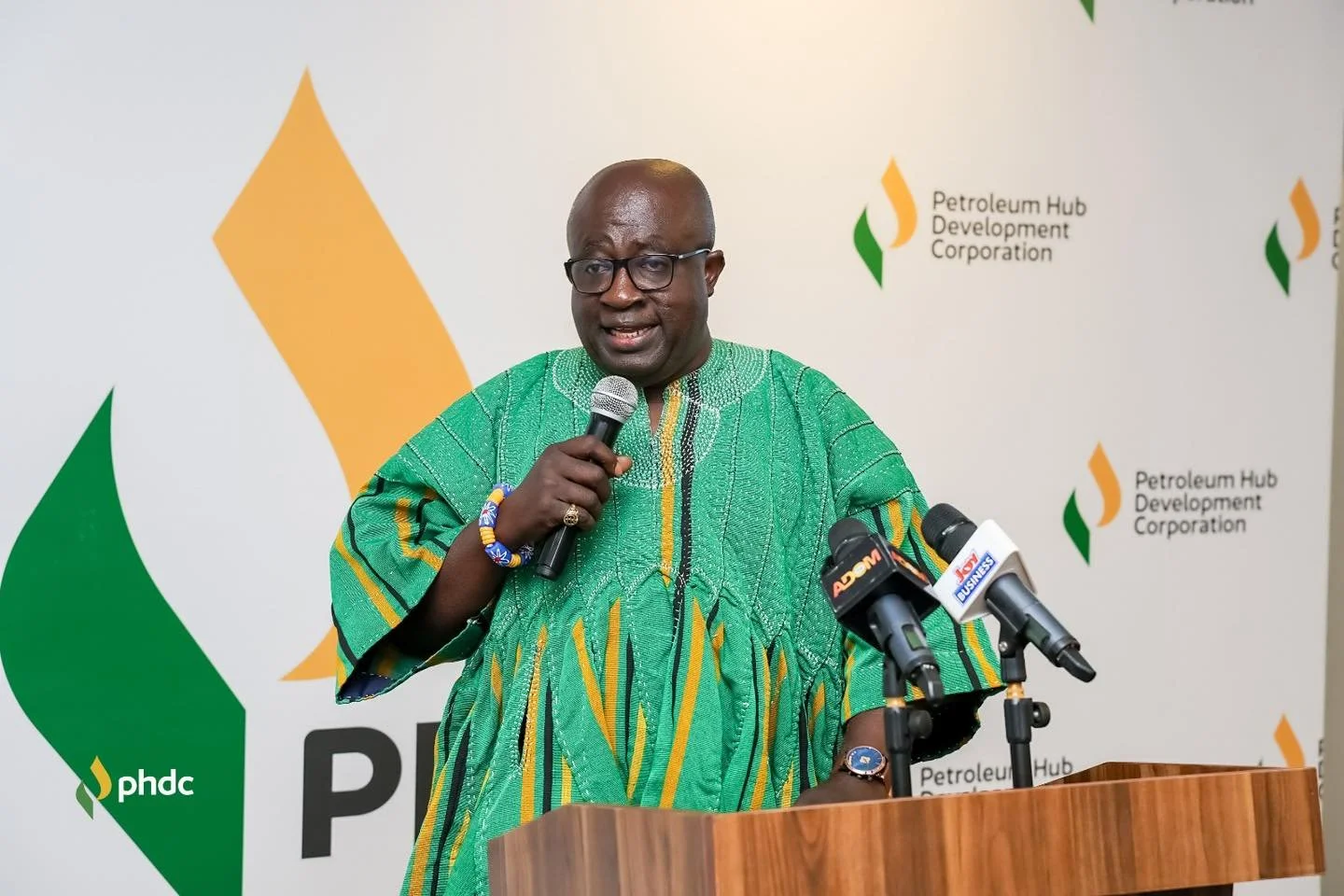
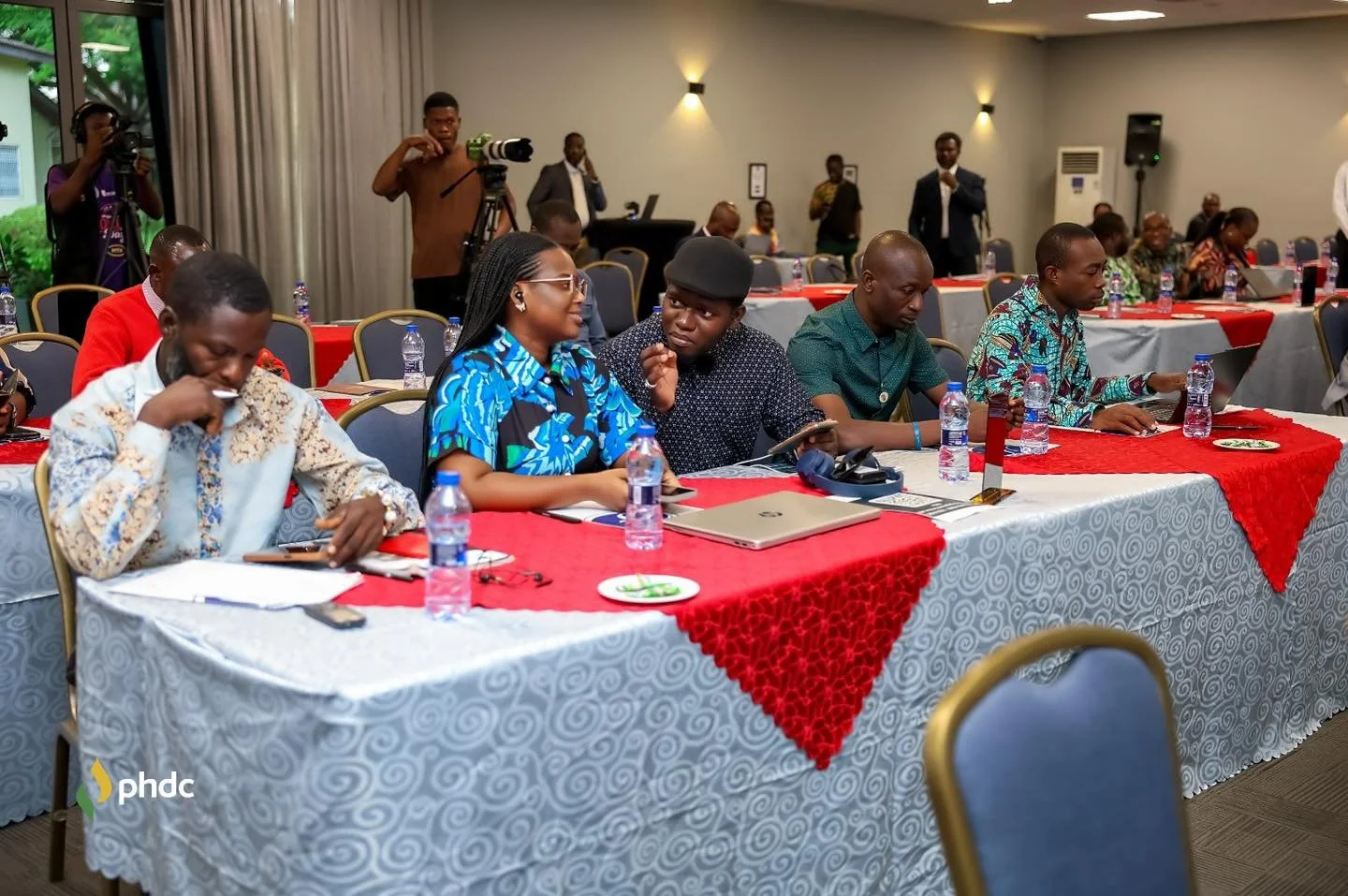
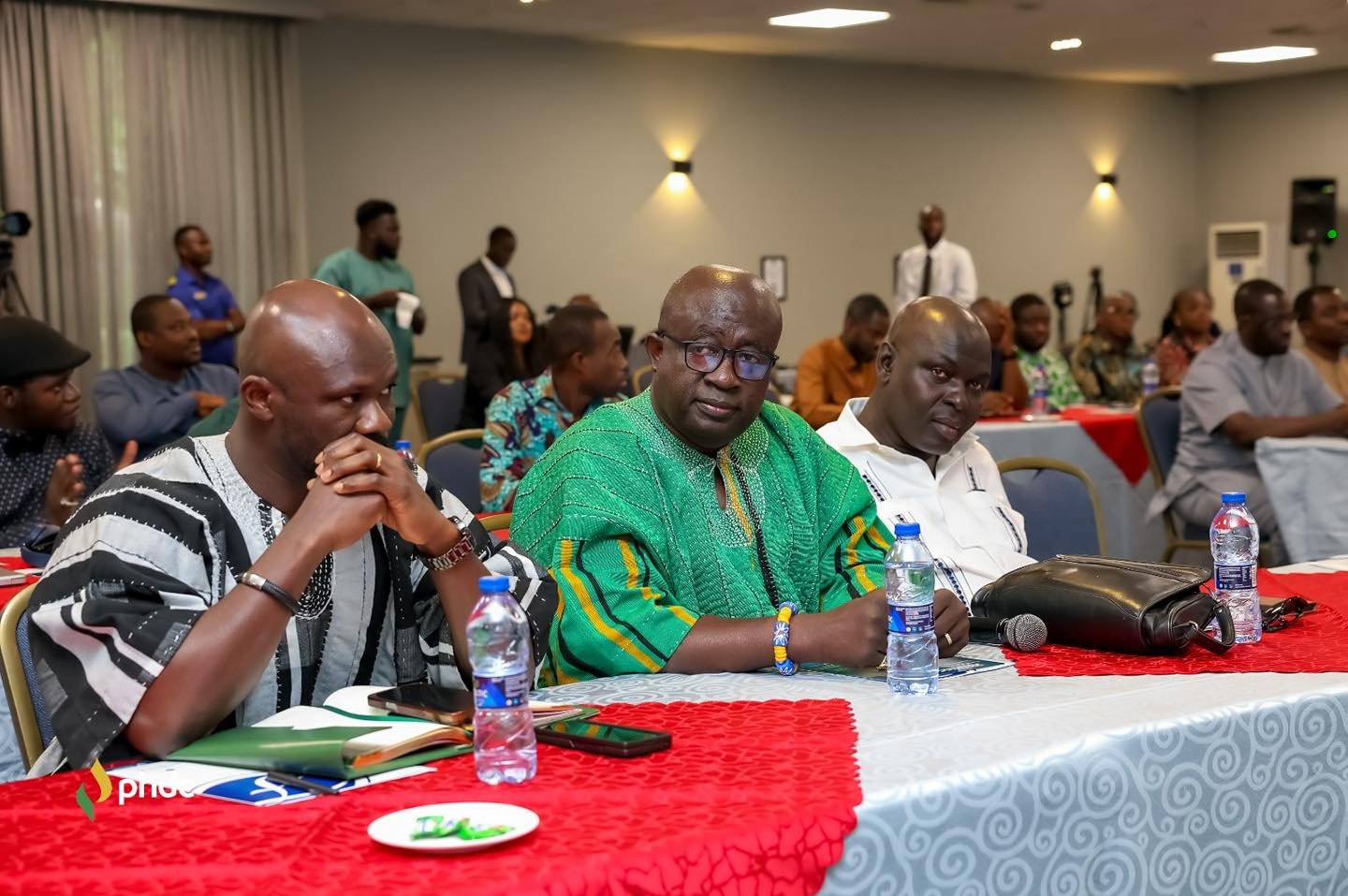
On March 4, 2026, PHDC convened more than 25 civil society organizations at the Fiesta Royale Hotel in Accra for what the corporation described as a “highly productive and successful strategic engagement.” The meeting, led by Chief Executive Officer Dr. Toni Aubynn, sought to deepen public understanding of the Petroleum Hub project and establish an enduring dialogue between the corporation and Ghana’s civil society ecosystem.
The session marked the most direct engagement yet between the project’s leadership and organizations that traditionally scrutinise large national infrastructure initiatives. It comes at a moment when the government has framed 2026 as a decisive year of action for advancing the long-delayed Jomoro-based development.
“We at PHDC firmly believe that no major national infrastructure project can succeed without public trust, transparency, and continuous dialogue with the communities it serves. Your presence here today is something we value deeply,” Dr. Aubynn told participants.
The Petroleum Hub project, envisioned as a multi-billion-dollar energy and petrochemical complex in the Western Region, is designed to anchor Ghana’s long-term energy security while catalysing industrial growth. For PHDC, building early trust with civil society is increasingly seen as essential to sustaining political legitimacy and social acceptance for a project of such scale.
“As a leader with over two decades in the extractive sector, one lesson stands out: projects do not fail due to engineering or financing challenges alone,” Dr. Aubynn noted. “They fail when communities are not heard, when stakeholders are excluded, when social and environmental concerns are sidelined, and when policy decisions diverge from the core pillars of sustainable development.”
Civil society actors, he added, serve as a critical bridge between policymakers, communities and industry.
“Civil Society Organizations play a pivotal role in national development. Positioned between policy formulation and the people, you amplify community voices, scrutinise public projects, and ensure development delivers tangible human outcomes—protecting livelihoods, promoting equity, and safeguarding the environment.”
The meeting provided a platform for PHDC management to address detailed questions from participants on issues ranging from land use and environmental safeguards to governance transparency, livelihoods and long-term socio-economic impacts.
According to the corporation, the organizations present welcomed the open dialogue and indicated that the engagement had strengthened their understanding of the initiative and their role in shaping its trajectory.
The gathering forms part of PHDC’s broader strategy to secure inclusive stakeholder buy-in as the project enters a more active implementation phase.
Government Backing Strengthens
The civil society outreach follows a sequence of policy and institutional developments that have accelerated the project’s momentum.
On February 26, 2026, Ghana’s Minister for Lands and Natural Resources, Hon. Emmanuel Armah-Kofi Buah, delivered one of the most emphatic government endorsements of the project to date during a courtesy call by a PHDC delegation led by Dr. Aubynn.
“I now firmly believe in the Petroleum Hub project,” the Minister said, adding that he would deploy “every available resource and influence” to realise the vision of transforming Jomoro into the “Rotterdam of Africa.”
The endorsement carries particular significance because land acquisition and compensation have long been among the most sensitive aspects of the project’s development.
Mr. Buah acknowledged that compensation concerns had previously constrained confidence in the project’s feasibility but noted that recent progress under the current administration had renewed his conviction.
He pledged to work with the Lands Commission to accelerate land processes and revealed that the government is advancing supporting infrastructure, including road networks and other essential facilities, to prepare the site.
For PHDC, the ministerial backing represents a crucial alignment between the corporation and the state institutions responsible for land administration and resource governance.
Responding to the endorsement, Dr. Aubynn described the minister’s support as a major confidence boost for the corporation, investors and the Jomoro community.
Institutional Alliances Take Shape
Earlier in February, the corporation had already moved to deepen collaboration within Ghana’s energy ecosystem.
On February 19, 2026, PHDC and the Ghana National Petroleum Corporation (GNPC) announced the formation of a ten-member joint working committee aimed at identifying areas of cooperation that could strengthen Ghana’s energy security while creating new employment opportunities.
The committee is co-chaired by PHDC’s Deputy CEO for Operations and Technical, Onasis Rosely, and GNPC’s Executive Director for Exploration and Production, Michael N. A. Aryeetey.
Mr. Rosely described the partnership as a necessary alignment at a time when Ghana is pursuing both energy security and industrial expansion.
“With Ghana setting its sights on achieving energy security and embarking on a massive industrialisation drive, collaboration and synergy among institutions within the energy sector cannot be overemphasised,” he said.
Mr. Aryeetey, speaking for GNPC, indicated that the national oil company views PHDC as a strategic partner in its own institutional evolution.
“GNPC, in its bid to establish itself as a fully-fledged energy institution, has identified PHDC as a valuable partner in achieving this objective,” he noted.
Project Architecture Emerging
Beyond policy alignment and institutional partnerships, PHDC has also begun assembling the commercial and technical building blocks of the project.
The corporation has already signed three key memoranda of understanding that sketch the project’s early operational architecture. These include a GH₵300 million agreement with Mannschaft to support preparatory works, a planning and design collaboration with Surbana Jurong, and the Chemexa–Afdat storage tank agreement, which anchors participation in the project’s bulk infrastructure segment.
Together, these agreements signal that the Petroleum Hub’s initial ecosystem of infrastructure, planning expertise and industrial participation is gradually taking shape.
The Long View
For Ghana, the Petroleum Hub represents one of the most ambitious industrial infrastructure proposals in its post-independence history.
Planned for the Jomoro Municipality in the Western Region, the integrated complex is expected to include refineries, petrochemical plants, storage facilities, and export infrastructure designed to position the country as a major energy processing and trading center for West Africa.
PHDC estimates that the Lot 1 project will generate sustainable livelihoods for more than 30,000 Ghanaians, while strengthening national energy security and anchoring broader industrialisation.
Yet the scale of the undertaking means its success will depend not only on financing and engineering but also on institutional coordination and public trust.
The March 4 engagement with civil society suggests that PHDC’s leadership is keenly aware of that reality. By bringing scrutiny into the room early, the corporation appears to be attempting something that large infrastructure projects in the region have historically struggled to achieve: building legitimacy before the concrete is poured.