GOIL Anchors Corporate Reset in University of Ghana Renovation, Expands Social Footprint Amid Competitive Recalibration
GOIL’s handover of renovated offices to the University of Ghana’s Department of Sociology places educational infrastructure at the center of the company’s evolving corporate identity, framing social investment as a parallel track to its competitive repositioning in Ghana’s downstream market. The intervention, set against expanded community health outreach and youth-facing engagements, signals an effort to anchor commercial recalibration in institutionally grounded development impact.
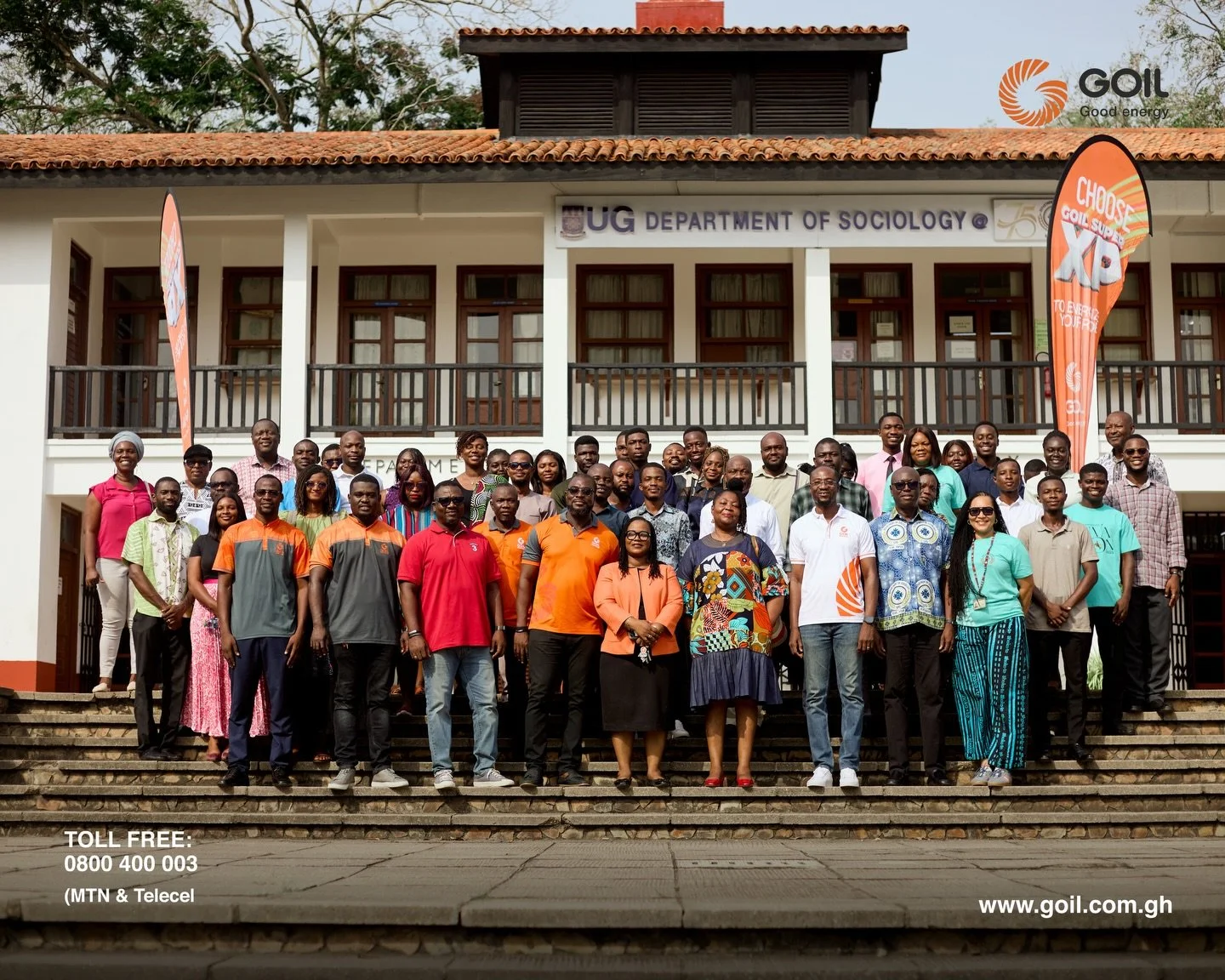
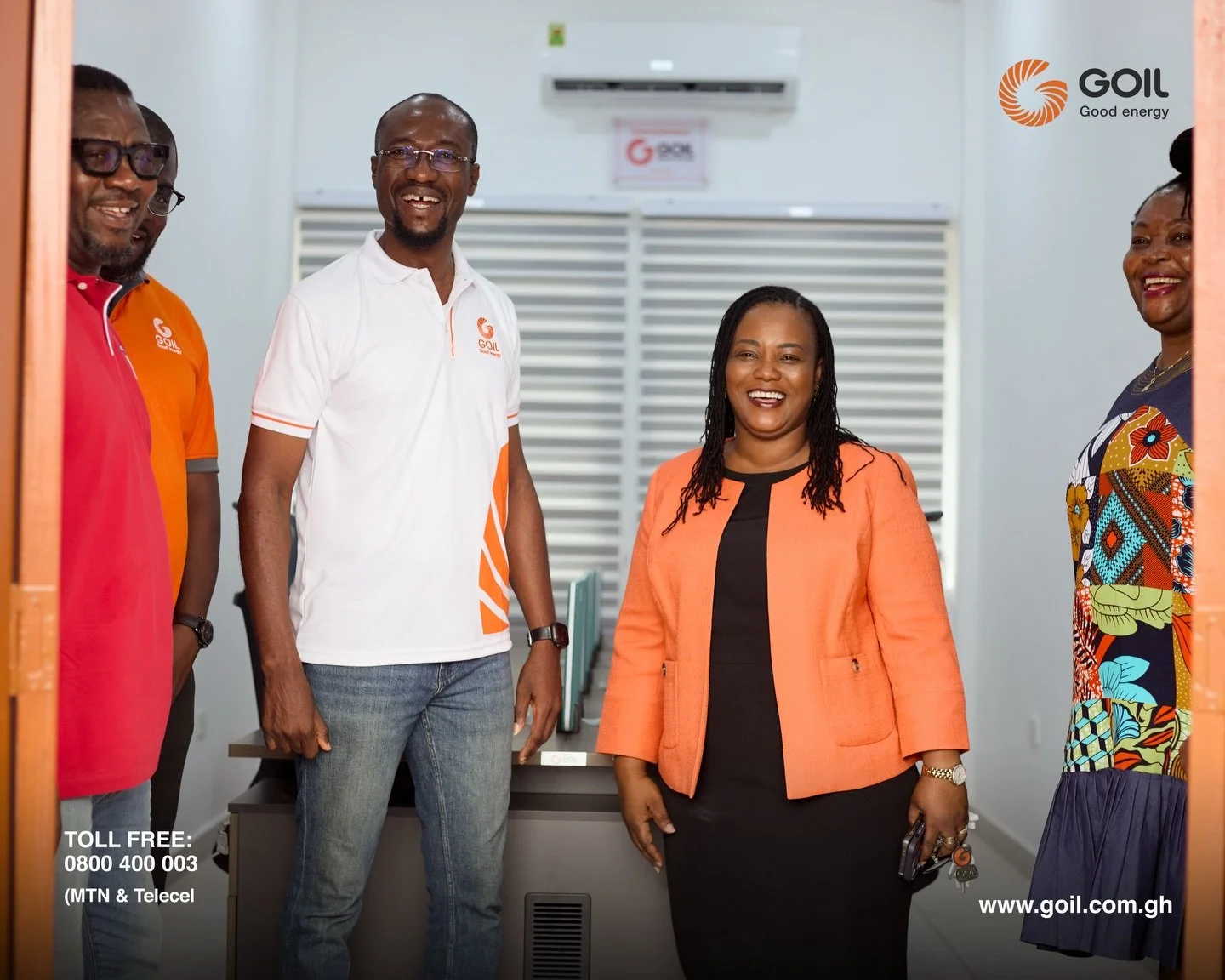
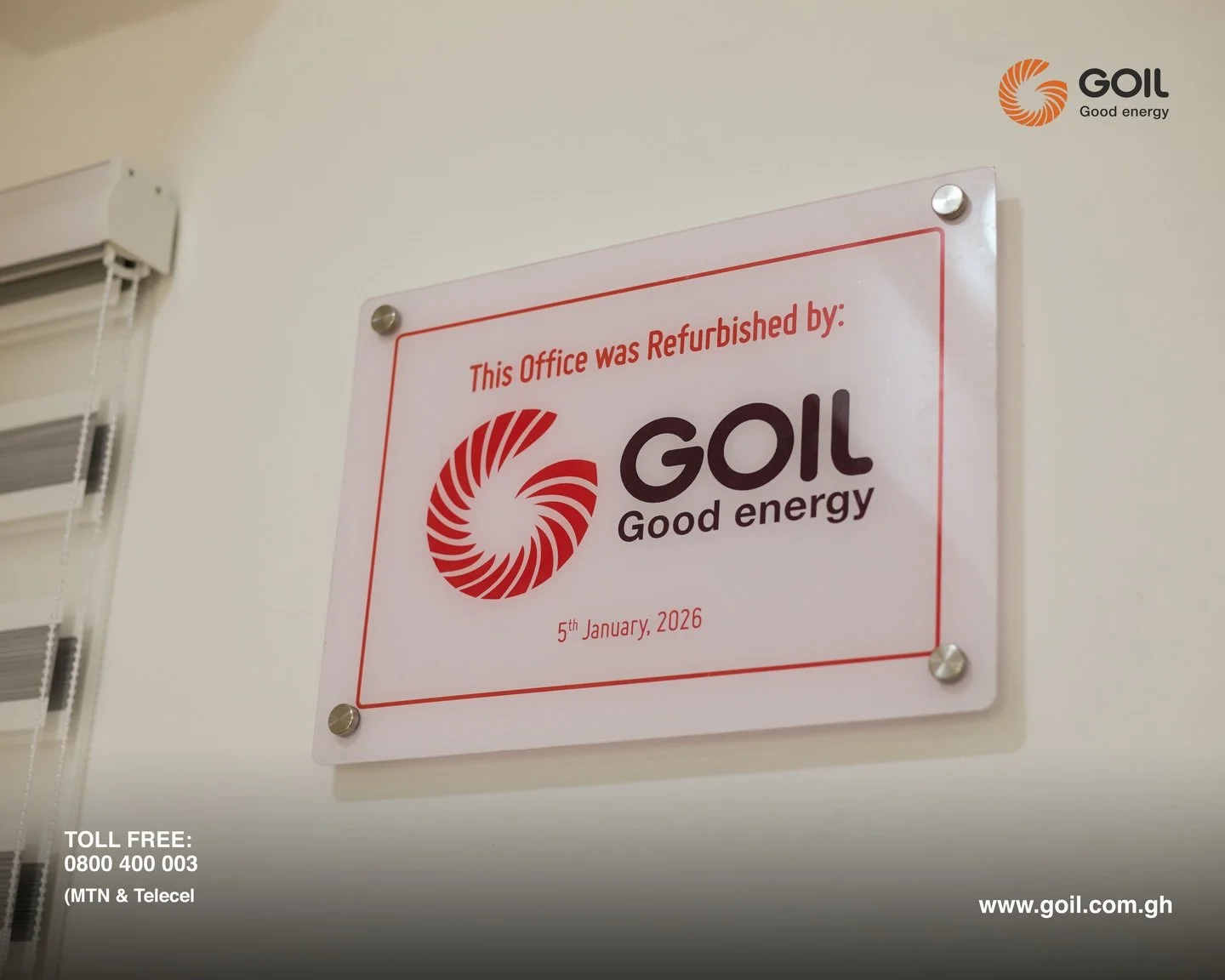
University of Ghana, Legon | January 26, 2026 - GOIL PLC has handed over two newly renovated offices to the Department of Sociology at the University of Ghana, a targeted intervention the company positions as part of a broader corporate recalibration that pairs market competitiveness with visible social investment. The refurbishment, delivered under GOIL’s Corporate Social Investment framework, is aligned with Sustainable Development Goal 4 on access to quality education and marks one of the firm’s most institutionally grounded education sector interventions in recent years.
While corporate social responsibility gestures in Ghana’s downstream petroleum space often take the form of episodic donations, the University of Ghana project is structurally different in two respects. First, it is embedded within a public tertiary institution that serves as a national research and policy pipeline. Second, it focuses on academic infrastructure rather than ceremonial sponsorship, placing GOIL’s brand in the long-cycle ecosystem of teaching, research, and social policy scholarship. In practical terms, the renovated offices expand functional workspace for faculty and administrative activity within a department central to social research, governance analysis, and development studies.
The timing is notable. GOIL is navigating an operational environment defined by intensified price competition in the downstream market and internal repositioning under new management. In that context, the education intervention functions as a signal of continuity in social investment even as the company adjusts its commercial posture. Rather than operating as a reputational afterthought, the University of Ghana handover is being presented as part of the company’s institutional identity, linking national development, knowledge production, and corporate citizenship.
This education focus sits within a wider pattern of community-facing activity that, taken together, outlines GOIL’s current social investment architecture. In northern Ghana, the company supported a large-scale medical outreach in Wiaga-Chiok organised by the Biyalsis Guritaaba Social Club. The exercise delivered consultations, screenings, and surgical assessments to more than 400 residents, with dozens of patients scheduled for follow-up surgical procedures. GOIL’s contribution covered medicines, equipment, and volunteer logistics, with surplus supplies transferred to the local health facility. The intervention addressed an access gap in a rural health setting where distance and cost often constrain care, reinforcing healthcare access as a secondary pillar of the firm’s CSR profile.
In a different register, GOIL has also provided support to the AIS Motorcycle Team during its West Africa tour, an initiative that aligns more with youth engagement, mobility culture, and regional visibility than with core welfare services. While less structurally anchored than the university or medical outreach interventions, the sponsorship extends the company’s presence into youth-oriented and cross-border public platforms, broadening brand association beyond fuel retail alone.
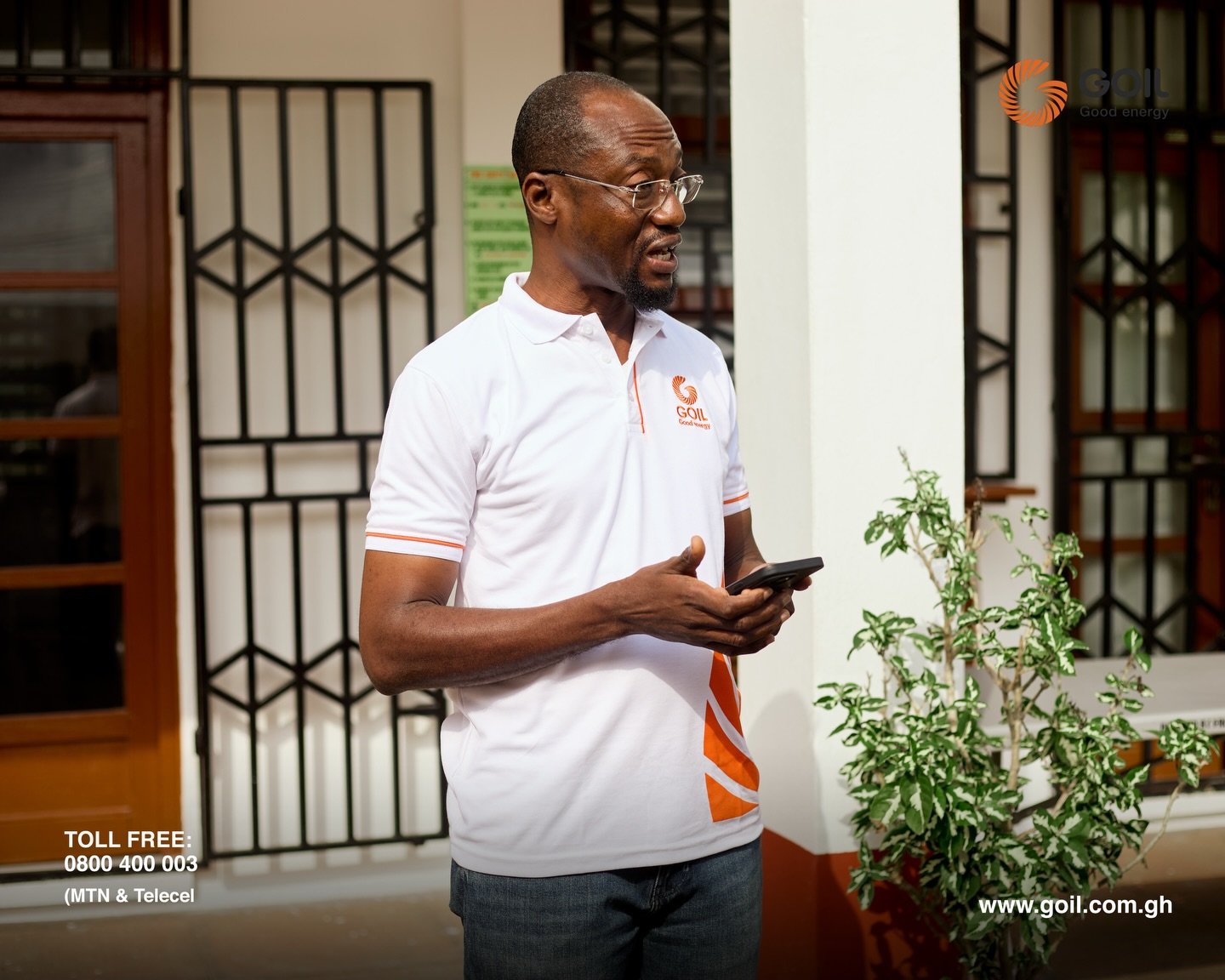
Taken together, these activities map onto three distinct CSR vectors: educational infrastructure, community health access, and youth or sports engagement. The University of Ghana renovation stands out as the most institutionally embedded of the three, linking the company directly to a national academic institution whose outputs shape policy discourse, social research, and human capital formation.
This social footprint is unfolding alongside a period of commercial recalibration. GOIL has been active in the ongoing fuel price competition that has pushed pump prices back into single-digit territory at various points, reflecting aggressive downstream dynamics and shifting consumer sensitivities. At the retail level, the company has also been expanding customer-facing services, part of a broader effort to reposition GOIL not only as a legacy state-linked marketer but as a more agile, service-oriented operator.
In that light, the University of Ghana intervention reads less as an isolated philanthropic gesture and more as a reputational anchor during transition. As the company competes on price, service, and network presence, it is simultaneously tying its public narrative to education and community welfare. For an energy marketer operating in a sector often scrutinised for margins, regulation, and market conduct, that dual track strategy seeks to balance commercial assertiveness with visible social legitimacy.
Whether this alignment between competitive repositioning and institutional social investment proves durable will depend on consistency rather than symbolism. For now, the Sociology Department renovation offers a concrete case study in how GOIL is attempting to define its role not only at the pump, but within the civic and knowledge infrastructure of the country.
