Tetracore Launches Ghana’s First CNG Hub in Tema - Heralding the Gas-Use Economy
Ghana’s energy transition is taking a decisive step downstream. With the commissioning of Tetracore Gas Ghana’s Compressed Natural Gas facility, the first of its kind in Tema, attended by the Minister for Energy and Green Transition, natural gas is moving beyond pipelines and power plants into factories, fleets, and commercial operations. The project adds a new layer of infrastructure that lowers fuel costs, expands access to cleaner energy for industry, and tightens the link between Ghana’s gas resources and the real economy.
Tema, Ghana | January 26, 2026 - Ghana’s energy transition often gets discussed in megawatts, offshore fields and billion-dollar infrastructure. This week in Tema, the story turned to something more grounded, and potentially more transformative for everyday industry: how gas physically reaches the end user.
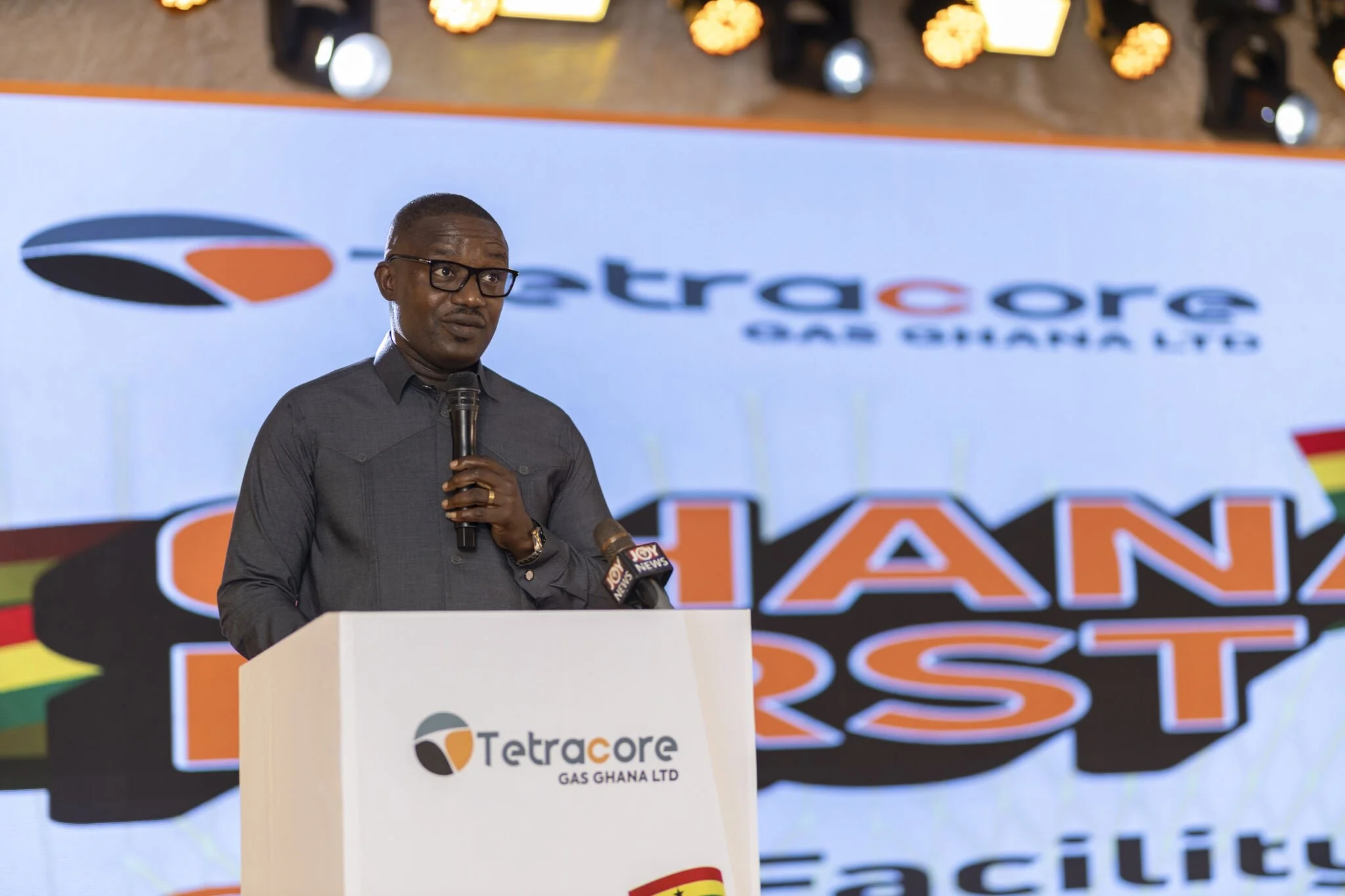
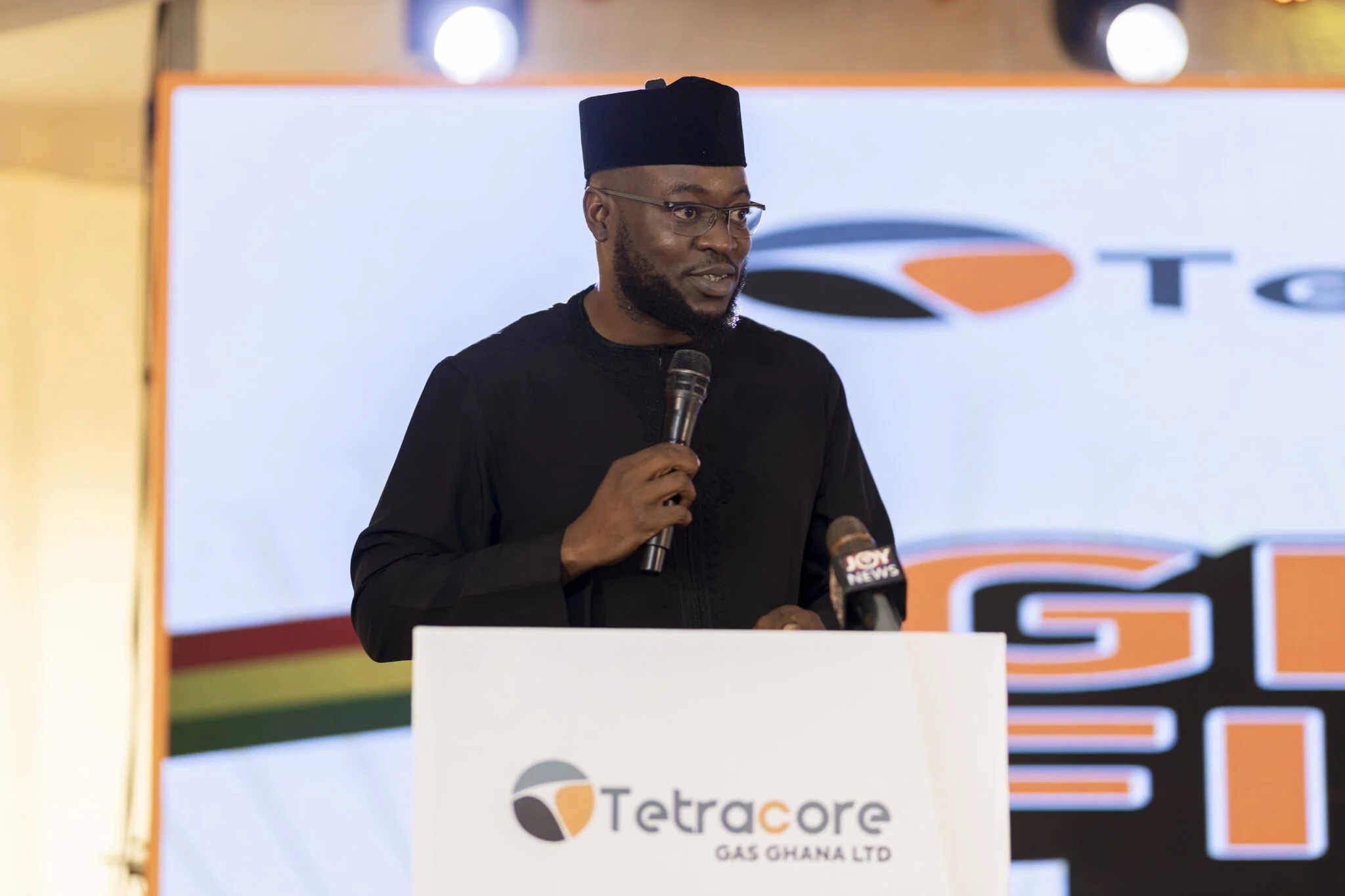
The commissioning of Ghana’s first Compressed Natural Gas facility by Tetracore Gas Ghana Limited in the Tema Industrial Area marks a structural shift in the country’s downstream gas architecture. The event, attended by the Minister for Energy and Green Transition, signals official recognition that the transition conversation is no longer only about producing gas or generating power, but about delivering cleaner fuel directly to factories, fleets, and commercial users.
Moving Gas Beyond Power Plants
Until now, Ghana’s natural gas story has been dominated by upstream production from Jubilee, TEN and Sankofa, and by pipelines feeding thermal power plants in enclaves such as Tema and Aboadze. Gas has primarily been a power sector fuel.
Tetracore’s project expands that logic.
Anchored by a 5.1 MMSCFD(Million Standard Cubic Feet per Day) CNG Mother Station, supported by a 10 MMSCFD Pressure Regulating and Metering Station (PRMS) and a dedicated pipeline link, the facility compresses natural gas to high pressure for transportation by road to end users. In effect, it creates a “virtual pipeline” system, supplying customers who are not physically connected to Ghana’s fixed gas pipeline network.
That is a quiet but important infrastructure leap. It means gas is no longer confined to where steel pipelines happen to run.
What CNG Actually Is
CNG is natural gas that has been compressed to a small fraction of its volume, making it easier to store and transport. Chemically, it is mostly methane, the same gas used for cooking in some homes and for generating electricity in power plants. The difference is that, instead of moving through a pipeline at low pressure, it is compressed, loaded into specialized containers, and trucked to where it is needed.
What makes it significant is what it replaces.
CNG can substitute for diesel, heavy fuel oil, and in some cases LPG in industrial boilers, furnaces, generators, and vehicle fleets. Compared with these fuels, natural gas burns cleaner, produces fewer particulates and lower carbon emissions, and often delivers a more stable combustion process for industrial equipment.
Why This Matters for the Economy
For industry, energy is not an abstract concept. It is a line item that can determine survival.
Fuel is one of the largest operating costs for manufacturers in sectors such as cement, agro-processing, food and beverage, textiles, and chemicals. When firms rely on diesel or heavy fuel oil, they are exposed to volatile international oil prices, foreign exchange pressures, and high local logistics costs.
CNG introduces a lower-cost and more price-stable alternative. That can translate into reduced production costs, greater competitiveness of locally made goods, more predictable operating margins and a stronger case for industrial investment in Ghana
In short, this is not only an energy project. It is an industrial policy enabler, delivered through infrastructure rather than subsidies.
A New Layer in Ghana’s Gas Value Chain
From a systems perspective, the plant deepens Ghana’s gas value chain. Instead of gas moving from offshore fields to power plants and stopping there, it now has a structured pathway into distributed industrial and commercial use.
This diversifies demand for gas, improves overall utilization of national and imported supplies, and reduces the economy’s dependence on liquid fuels that are costlier and more carbon-intensive. It also aligns with Ghana’s green transition agenda by promoting a fuel that, while still fossil-based, represents a lower-emissions bridge compared with oil products.


Local Content and Regional Linkages
The project’s local content framework, which engaged Ghanaian professionals and suppliers, adds a domestic economic layer, embedding skills and operational experience in a segment that is likely to grow. At the same time, the facility strengthens the logic of regional gas integration, reinforcing the practical value of cross-border gas flows and intra-African energy collaboration.
What It Means in Plain Terms
The implications are indirect but real.
When factories pay less for fuel and operate more efficiently, they are better able to stay open, expand, hire, and keep prices in check. When trucks and industrial users shift from dirtier fuels to gas, urban air quality improves at the margins. When the country uses more of its gas for productive activity, it strengthens energy security and economic resilience.
The Tetracore CNG facility does not change Ghana’s energy story overnight. What it does is add a missing link: a practical mechanism for taking natural gas out of the narrow corridor of pipelines and power plants and placing it into the broader bloodstream of the economy.
That is how transitions actually happen, not only through grand projects, but through infrastructure that quietly rewires how energy reaches the real economy.
