Ghana’s Petroleum Commission Showcases 2026 Upstream Business Outlook Report at Stakeholder Workshop
Ghana’s upstream oil sector is entering a decisive stress test. A sharp six-year production decline, tightening global capital conditions, and renewed geopolitical risk around key energy chokepoints are converging just as the Petroleum Commission Ghana moves to reposition its investment narrative through its 2026 Upstream Petroleum Business Outlook. Unveiled in preview at a stakeholder workshop, the report is being framed as both a roadmap for indigenous participation and a signal to international investors—an effort reinforced by Ghana’s outreach at CERAWeek 2026, where the country is pitching reform, partnerships, and deeper upstream collaboration in a rapidly fragmenting global energy order.
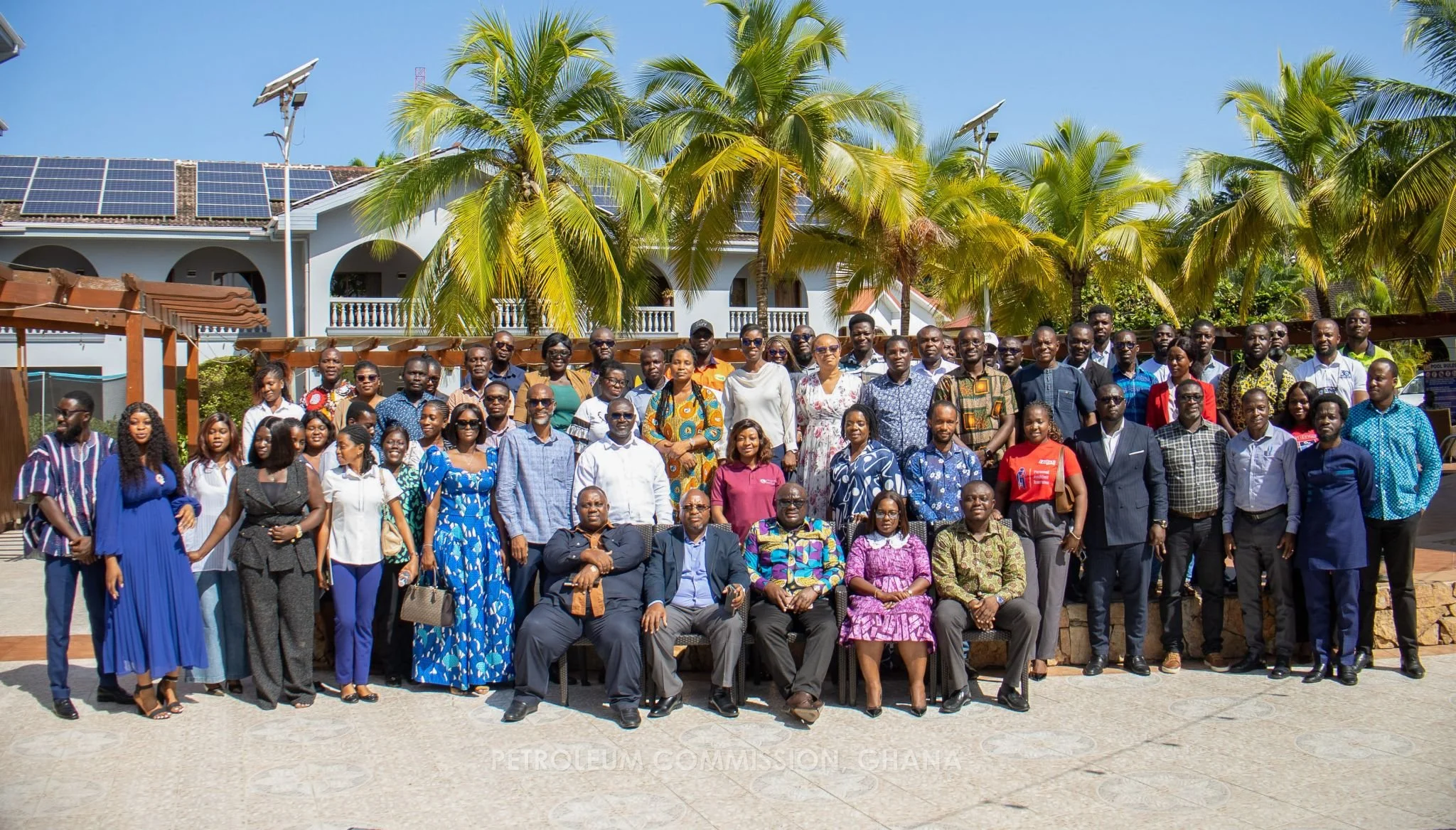
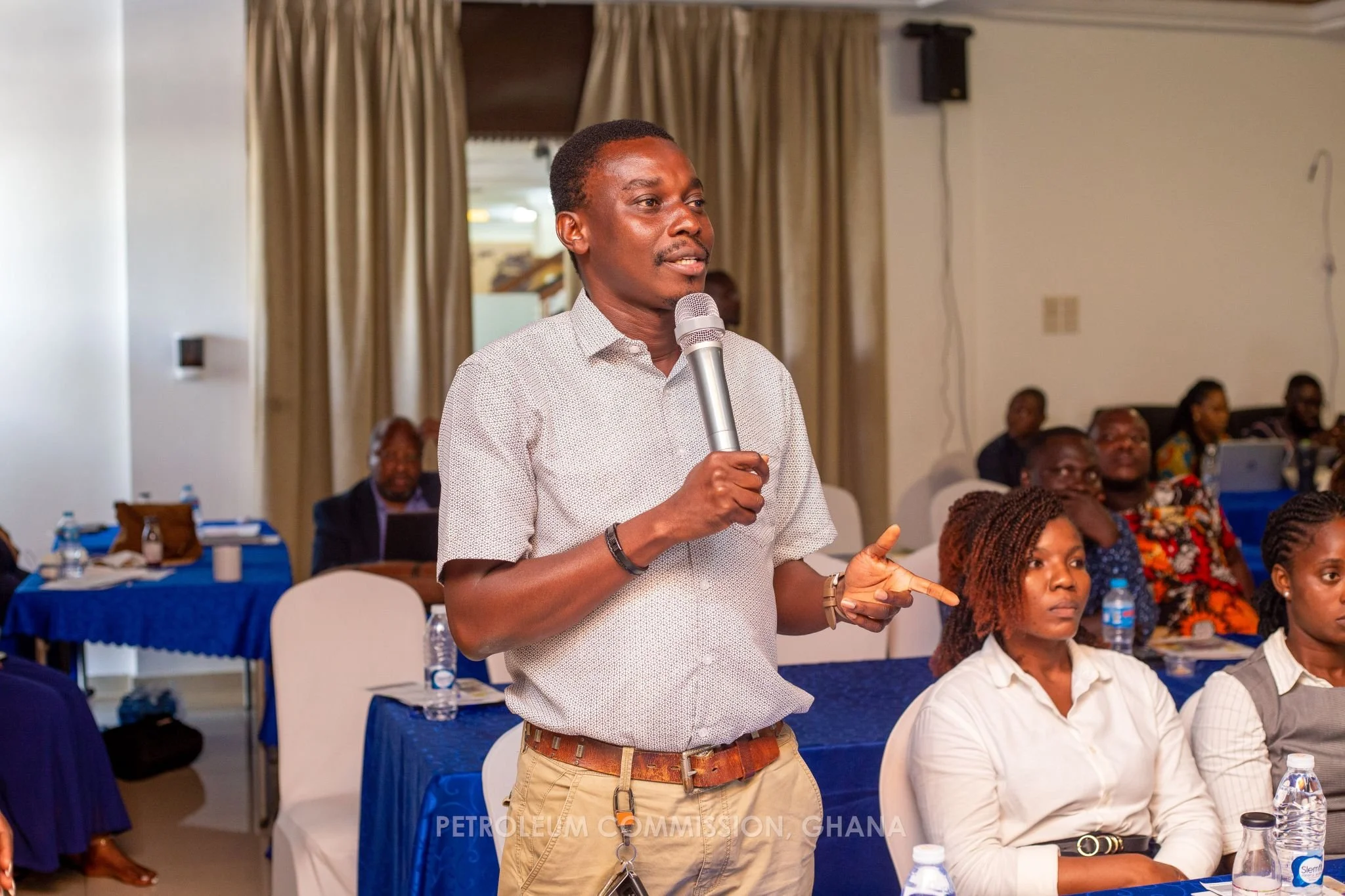
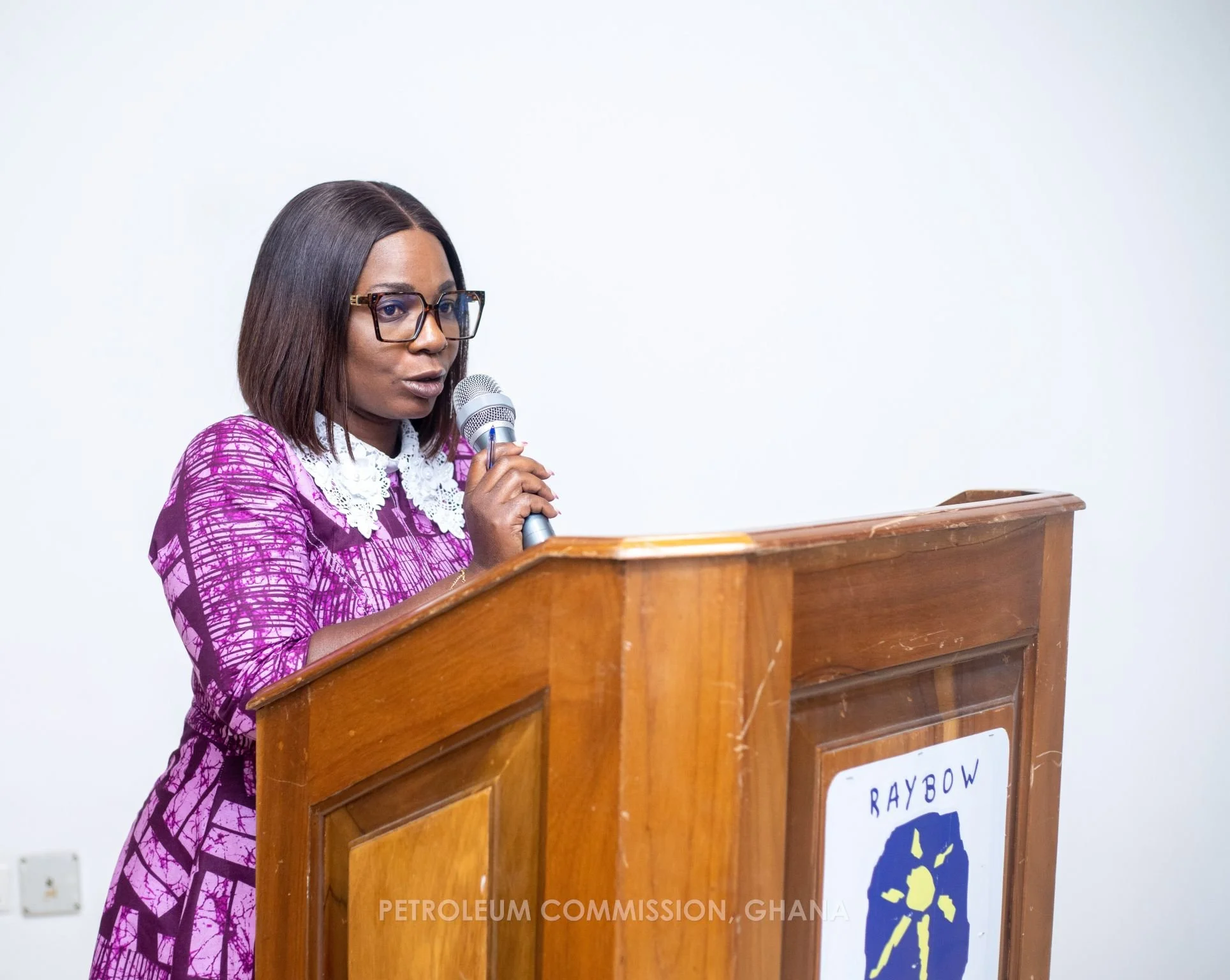
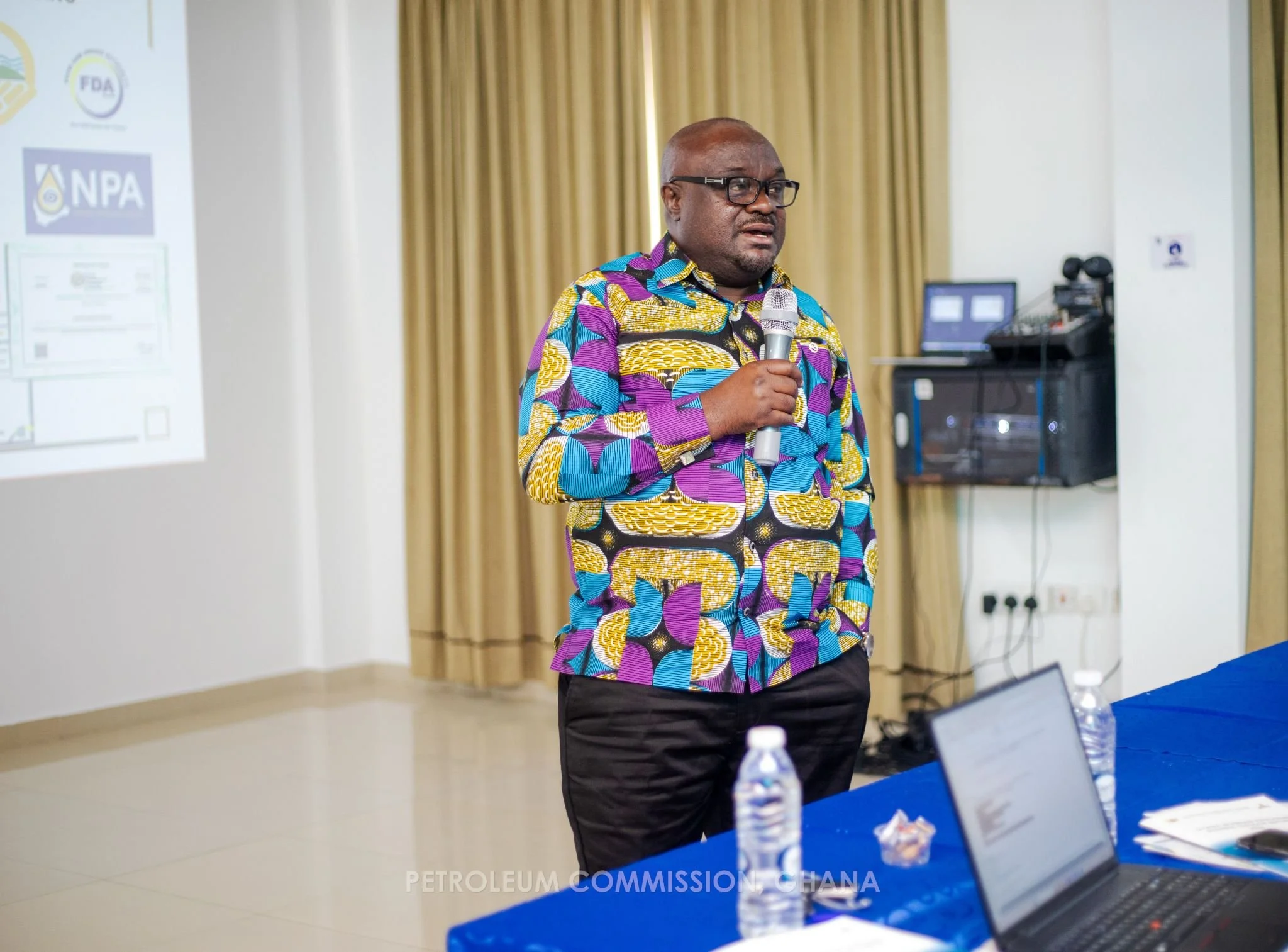
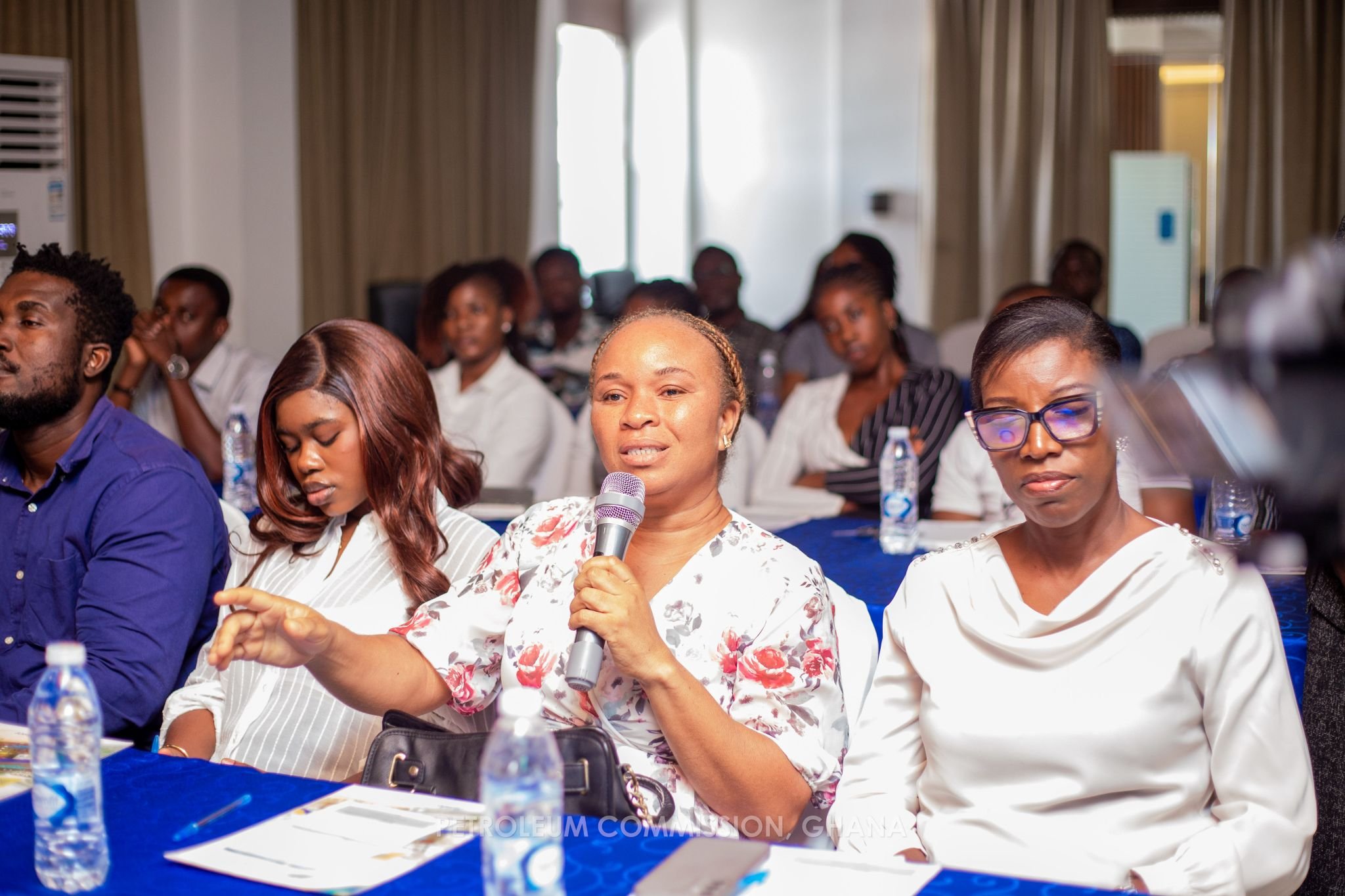
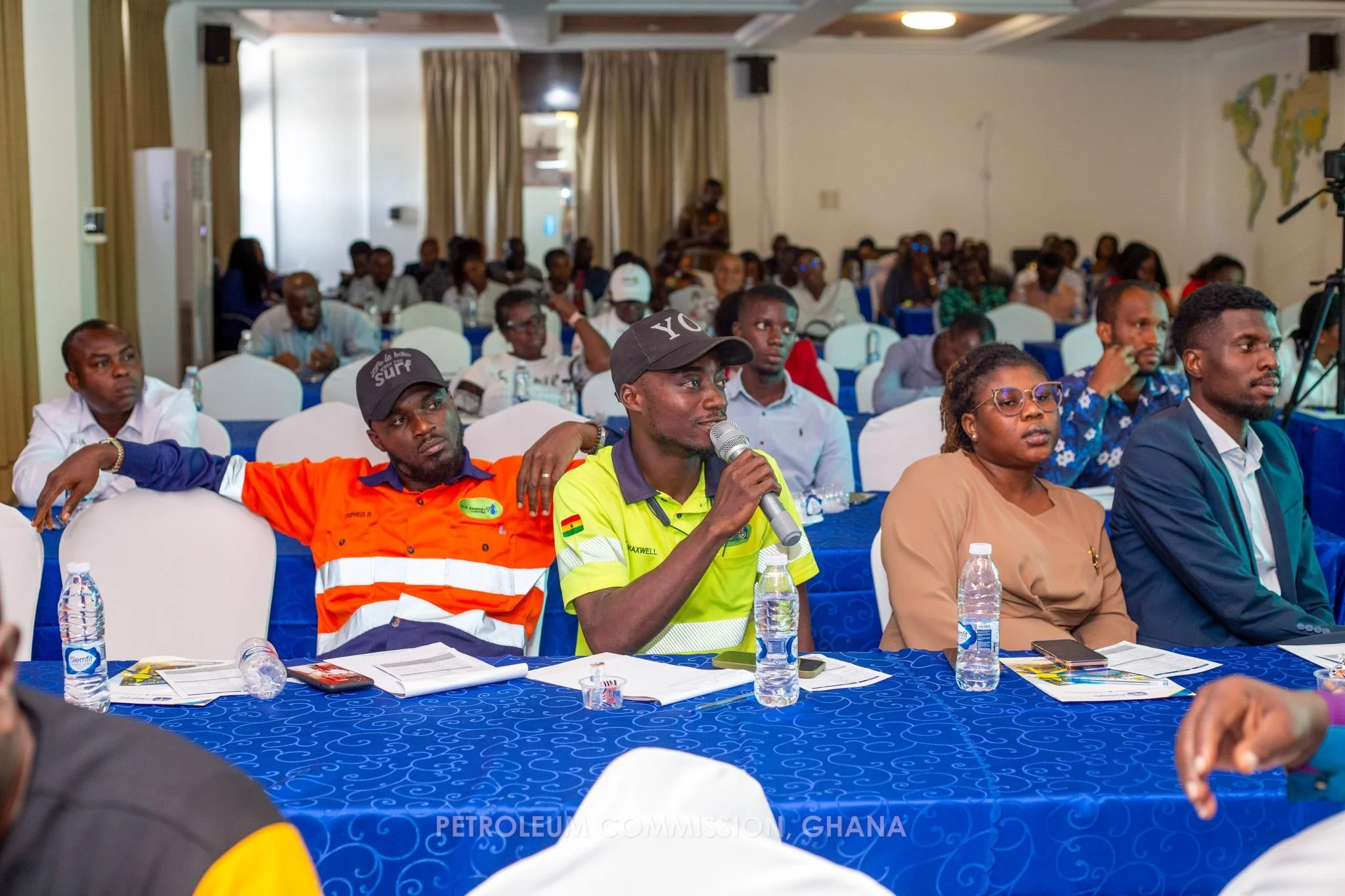
Accra, Ghana | April 14, 2026 - The Petroleum Commission last Thursday convened a Workshop for Industry Stakeholders to preview its forthcoming 2026 Ghana Upstream Petroleum Business Outlook Report—casting the document as both a market signal and a coordination tool for indigenous firms and investors navigating an increasingly volatile global energy order.
The timing is notable. The workshop—and the early framing of the yet-to-be-published report—lands amid heightened geopolitical tension around a key global energy chokepoint, the Strait of Hormuz, and Ghana’s parallel effort to deepen investment engagement at CERAWeek 2026 in Houston.
A sector under structural pressure
The urgency of Ghana’s upstream recalibration is underscored by domestic production trends.
According to the Public Interest and Accountability Committee (PIAC) in its 2025 Annual Report, Ghana’s crude oil output has now recorded its sixth consecutive annual decline. Production fell to 37.3 million barrels in 2025, down sharply from 71.44 million barrels in 2019—effectively halving output over a six-year period.
The trajectory adds structural weight to the Commission’s renewed push for investment attraction, regulatory reform, and basin revitalisation, as the country seeks to arrest declining yields while remaining competitive in a tightening global capital environment.
Positioning the Outlook: signalling in a constrained market
While the 2026 Outlook Report has not yet been released, its framing—previewed at the stakeholder workshop—suggests continuity in function rather than guaranteed continuity in outcomes.
Previous editions, including the 2025 report, provided detailed mapping of exploration and production activity, procurement opportunities, subcontracting pipelines, and broader industry trends. That edition also reflected confidence in improving operational activity, while acknowledging persistent regulatory and investment bottlenecks.
The 2026 preview, however, is being introduced into a markedly different context: declining domestic production, rising geopolitical risk, and intensifying competition for upstream capital globally. In that sense, the report is less a projection of stability than an instrument designed to reassert investment visibility in a sector under pressure.
Houston and Ghana’s investment pitch
That external pressure was evident at CERAWeek 2026, chaired by Daniel Yergin and organised by S&P Global, which convened more than 11,000 participants under the theme “Convergence and Competition: Energy, Technology and Geopolitics”.
Leading Ghana’s delegation, Acting CEO Emeafa Hardcastle engaged investors on the sidelines of the conference, emphasising both reform momentum and the country’s upstream potential.
“As you are well aware, Ghana’s upstream sector offers strong resource potential and attractive returns for investors, underpinned by fiscal and regulatory terms that are currently being reviewed to enhance competitiveness and investor appeal,” she said.
She further highlighted the structural constraints of frontier deepwater development. “We recognise that very few companies have the technology, financial resources and risk appetite required to operate in the deep to ultra-deep waters. We are open to companies working together in a consortium…”
Investor responses were broadly receptive but conditional, with engagement hinging on the finalisation of regulatory and fiscal reforms expected by the fourth quarter of 2026.
Geopolitics, convergence and market risk
CERAWeek’s central themes provide the broader interpretive frame for Ghana’s strategy.
The conference was shaped by two reinforcing dynamics: the convergence of energy with digital technology—particularly surging electricity demand from AI and data infrastructure—and intensifying geopolitical competition affecting supply chains, capital allocation, and energy security.
Within this environment, tensions involving Iran and associated risks to the Strait of Hormuz featured prominently in discussions. While not a single-point “crisis,” the risk premium attached to such routes continues to influence freight costs, insurance pricing, and global supply expectations.
For Ghana, these dynamics cut both ways. External volatility transmits through imported inflation and fiscal exposure, but it also strengthens the strategic case for diversified upstream supply from politically stable jurisdictions—provided those jurisdictions can demonstrate credible reform trajectories.
Recent groundwork and basin repositioning
Alongside its global diplomacy, the Commission has been pursuing technical de-risking initiatives. One such effort includes collaboration with seismic data firm TGS, anchored by the Ramform Hyperion campaign, aimed at improving subsurface data quality and enhancing investor confidence in Ghana’s sedimentary basins.
These initiatives complement the broader policy push reflected in both the Outlook Report framework and the ongoing regulatory reform agenda.
A sector at an inflexion point
Taken together, Ghana’s upstream sector is operating at a clear inflexion point: declining production at home, intensifying competition abroad, and a global energy system increasingly shaped by geopolitical fragmentation and technological convergence.
Against that backdrop, last week’s workshop is best read not as a routine stakeholder engagement, but as part of a coordinated repositioning effort—one that seeks to stabilise investor perception, unlock new capital pathways, and arrest structural decline through a combination of data, diplomacy and reform signalling.
Whether that strategy translates into a production turnaround will depend less on outlooks and conferences and more on execution in a market where capital is scarce, selective, and increasingly unforgiving.
