The Cedi and the Barrel
Ghana's Energy Security Challenge in a Volatile Week
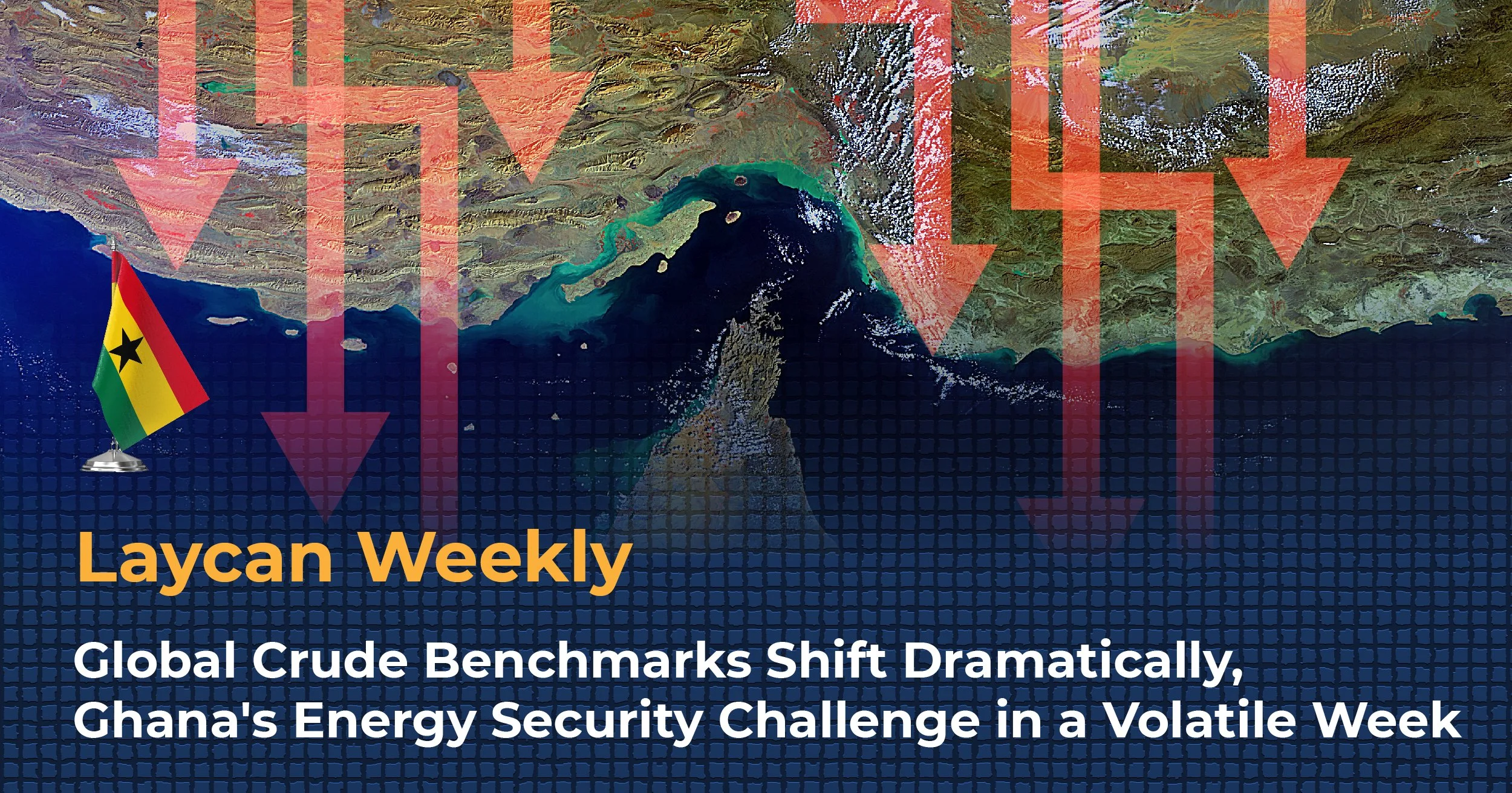
Energy markets moved sharply this week, with West Africa feeling the ripple effects of global disruptions. The closure of the Strait of Hormuz sent Brent crude surging more than 28 percent in just seven days, exposing the vulnerability of import-dependent economies like Ghana to geopolitical shocks thousands of miles away.
Domestic Fuel Prices Under Pressure
Domestically, fuel prices as of March 6, 2026, reflect the tension between regulatory floors and market realities. GOIL and Star Oil set petrol prices at the NPA-approved floor of GH¢10.46 per litre, though GOIL limits this rate to 200 selected stations. In the diesel market, Star Oil prices at GH¢11.97, which is above the GH¢11.42 floor. GOIL maintains a higher flat rate of GH¢12.53, and some competitors reach GH¢12.88.
The liquefied petroleum gas market shows similar fragmentation. Despite the LPG price floor dipping to GH¢9.38 per kilogramme, retail projections place pump prices near GH¢13.87 per kilogramme. This fragmented pricing landscape concludes on March 16, 2026, when the NPA enforces a ban on selective discounting to ensure uniform rates across all retail networks. The interbank exchange rate stood near GHS 10.77 per US dollar.
Global Crude Benchmarks Shift Dramatically
Global crude benchmarks shifted dramatically. Brent traded near $70 per barrel on February 27 and surged above $90 by March 6following the Strait of Hormuz closure.
Following the military escalation in Iran on February 28, authorities announced the closure of the Strait of Hormuz, which normally carries 16 to 20 million barrels daily. Flows through the Strait of Hormuz slumped to approximately 4 million barrels per day from the usual 16 to 20 million barrels per day, representing roughly a 75 percent reduction in crude exports through the critical waterway. More than 200 vessels remained stranded in the Persian Gulf. Shipping costs for crude carriers increased to about $16 per barrel equivalent.
Nigeria Faces Parallel Crisis
Nigeria remains Africa's largest oil producer but continues to face electricity shortages. Crude production reached 1.459 million barrels per day in January 2026, and including condensates, total liquids approached 1.63 million barrels per day. Yet national grid generation fell to roughly 3,940 megawatts on March 5, with thermal plants receiving about 652 million standard cubic feet of gas daily against a demand of 1.588 billion, meeting only 41 percent of requirements. Fuel prices rose sharply in Nigeria. Dangote refinery increased petrol from ₦774 to ₦874 per litre on March 2, 2026

LNG Disruptions Ripple Through Global Markets
Qatar's Ras Laffan LNG complex, responsible for roughly 20 percent of global exports, experienced operational disruption. European gas prices climbed 57 percent within one week. World oil demand now averages around 105 million barrels per day according to the International Energy Agency.
Ghana's Energy Transition Accelerates
Against this volatile backdrop, Ghana's government is accelerating its energy diversification strategy. President John Mahama announced a national solar rollout for public institutions during the 2026 State of the Nation Address in February 2026, aiming to reduce electricity costs and reliance on thermal generation. The initiative represents a long-term hedge against the kind of price volatility that has defined this week.
The Path Forward
The week underscored the fragility of Ghana's energy security. A single chokepoint disruption moved global crude prices more than $20 in days, transferring billions in foreign exchange abroad. For import-dependent economies, every spike in the barrel translates into immediate pressure on the cedi. As Ghana ramps up solar capacity and maintains domestic production, policymakers face the dual challenge of managing short-term market shocks and pursuing long-term energy resilience. The current market reality highlights the urgency for structural energy interventions.
This week's events confirm that energy strategy in Ghana and the region is no longer about supply alone. Currency stability, infrastructure investment, and geopolitical awareness now sit at the core of economic policy.