The Energy Commission in Q1 2026: Setting the Tone for Energy Standards Enforcement
Ghana’s energy sector is moving with renewed focus, guided by the Energy Commission’s intensified approach to compliance, market oversight, and sustainable technology adoption. The transition to Acting Executive Secretary Adwoa Serwaa Bondzie has reinforced the institution’s mandate, bringing heightened rigour to regulatory enforcement while building on the strong foundations laid by her predecessor. Across safety, market engagement, and emerging technology regulation, the Commission is demonstrating that governance is central to a reliable and sustainable energy system.
Leadership in Motion
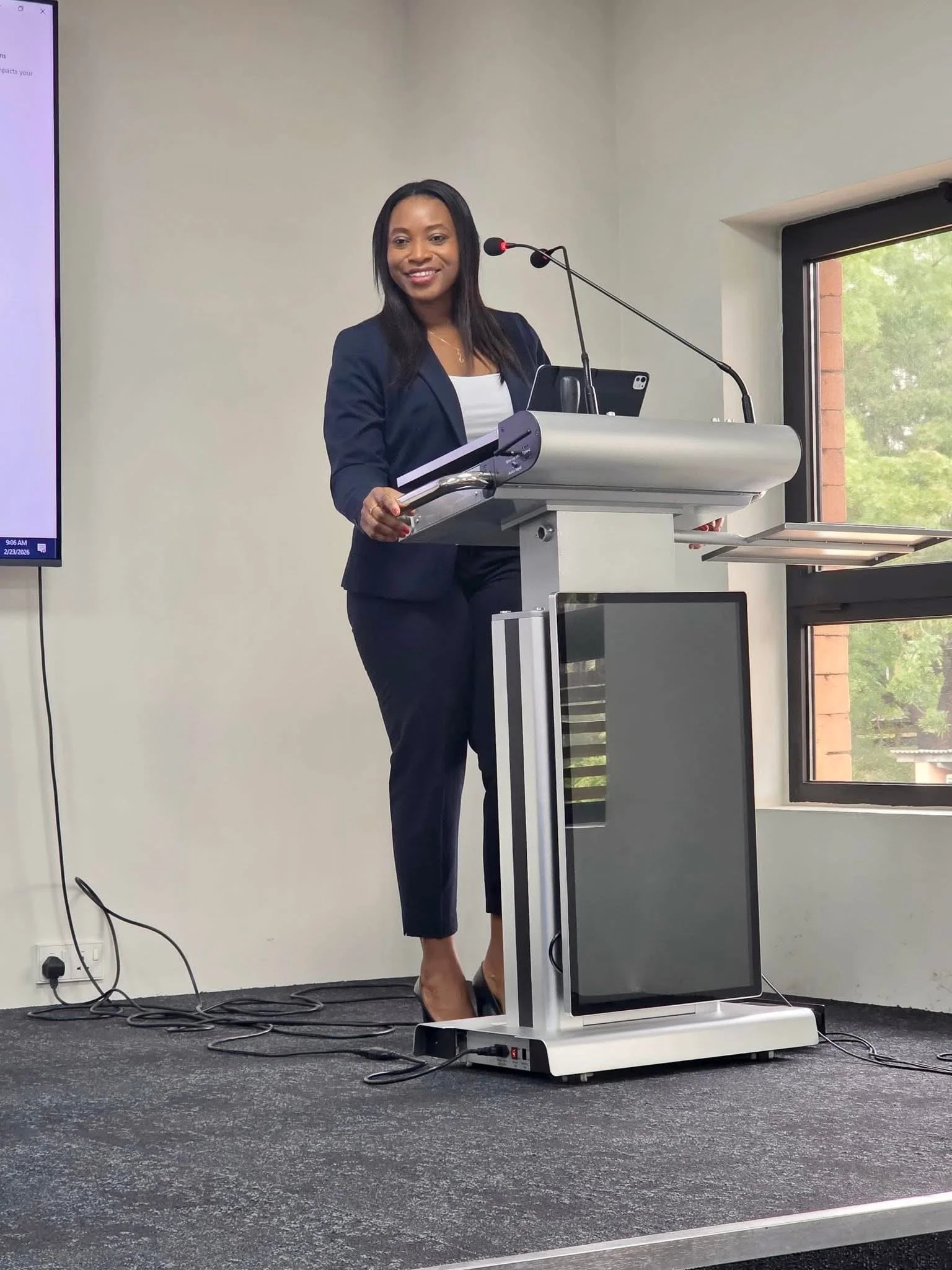
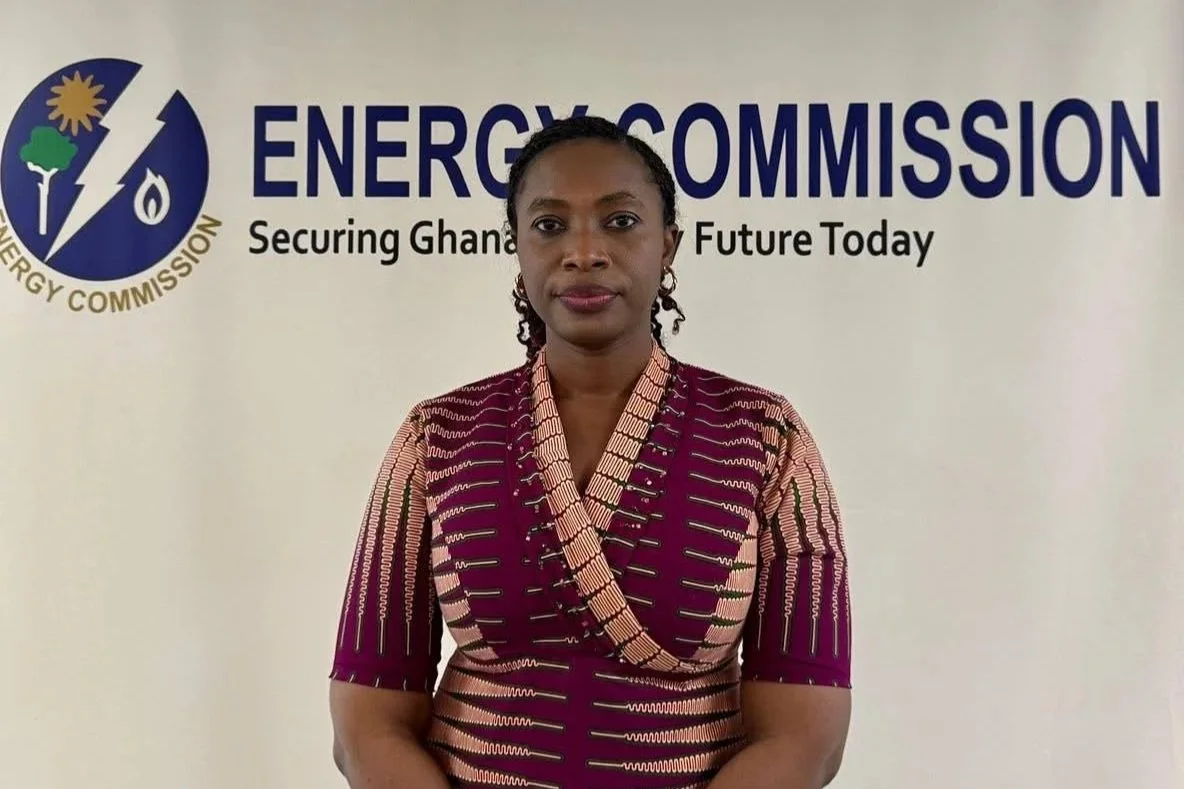
Bondzie assumed her role on February 11, 2026, immediately signalling a period of assertive stewardship. Her professional trajectory—from establishing the Bulk Oil Storage and Transportation Company Limited (BOST) (Now BOSTEnergies) Trading Desk and managing strategic petroleum reserves, to delivering multi-million-dollar engineering projects internationally—equips her to strengthen regulatory discipline while advancing operational efficiency. At her staff durbar on February 23, 2026, she emphasised professionalism, merit-based growth, and open-door leadership, calling on the Commission to intensify enforcement, support responsible investment, and deepen its national impact.
Port Inspections and Compliance Enforcement
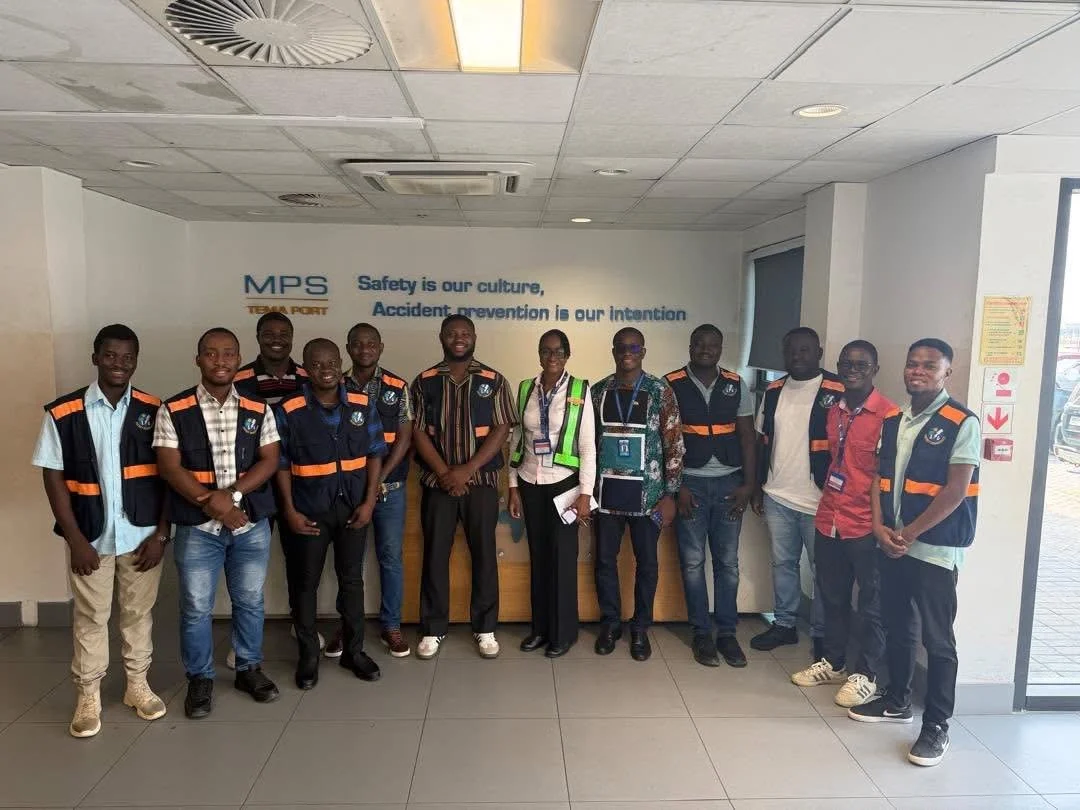
Enforcement was front and centre in Q1 2026, beginning with a board inspection at Tema Port. The Commission reviewed compliance with licensing and energy efficiency requirements for imported electrical and renewable energy appliances. Conducted in collaboration with the Ghana Revenue Authority (Customs Division) and port authorities, the inspection ensured non-compliant materials were intercepted before entering the market, protecting consumers, safeguarding state revenue, and reinforcing Ghana’s electricity infrastructure.
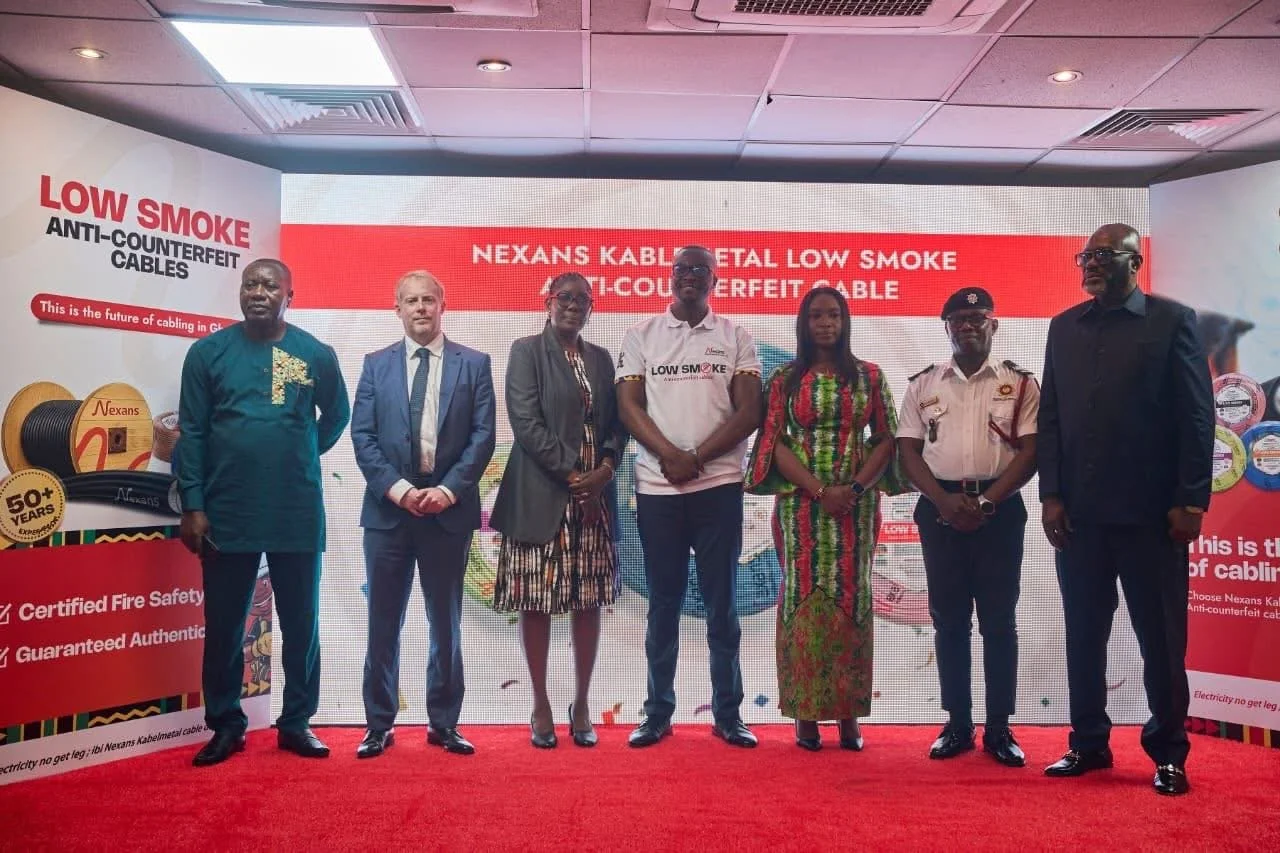
This vigilance continued with the February 26, 2026, launch of Nexans Kabelmetal Ghana Ltd’s Low Smoke Anti-Counterfeit Cable under the Electrical Wiring Cables and Accessories Regulations, 2023 (Legislative Instrument 2478). The Installation Completion Certificate Application Platform (ICCAPP) enhances transparency and accountability, ensuring traceable, standards-compliant electrical products reach consumers.
Driving the EV Transition
On February 21, 2026, the Commission’s board convened in Ho to review the Draft Electric Vehicle (EV) Charging Infrastructure and Battery Swap Systems Regulations. The framework establishes safety, licensing, and operational standards for residential, workplace, public, and commercial EV charging stations. Coordinators of the Drive Electric Programme highlighted the importance of transparency, stakeholder engagement, and regional sensitisation, positioning Ghana to meet climate targets while avoiding the import of obsolete internal combustion engine vehicles.
Market Engagement and Tariff Reform
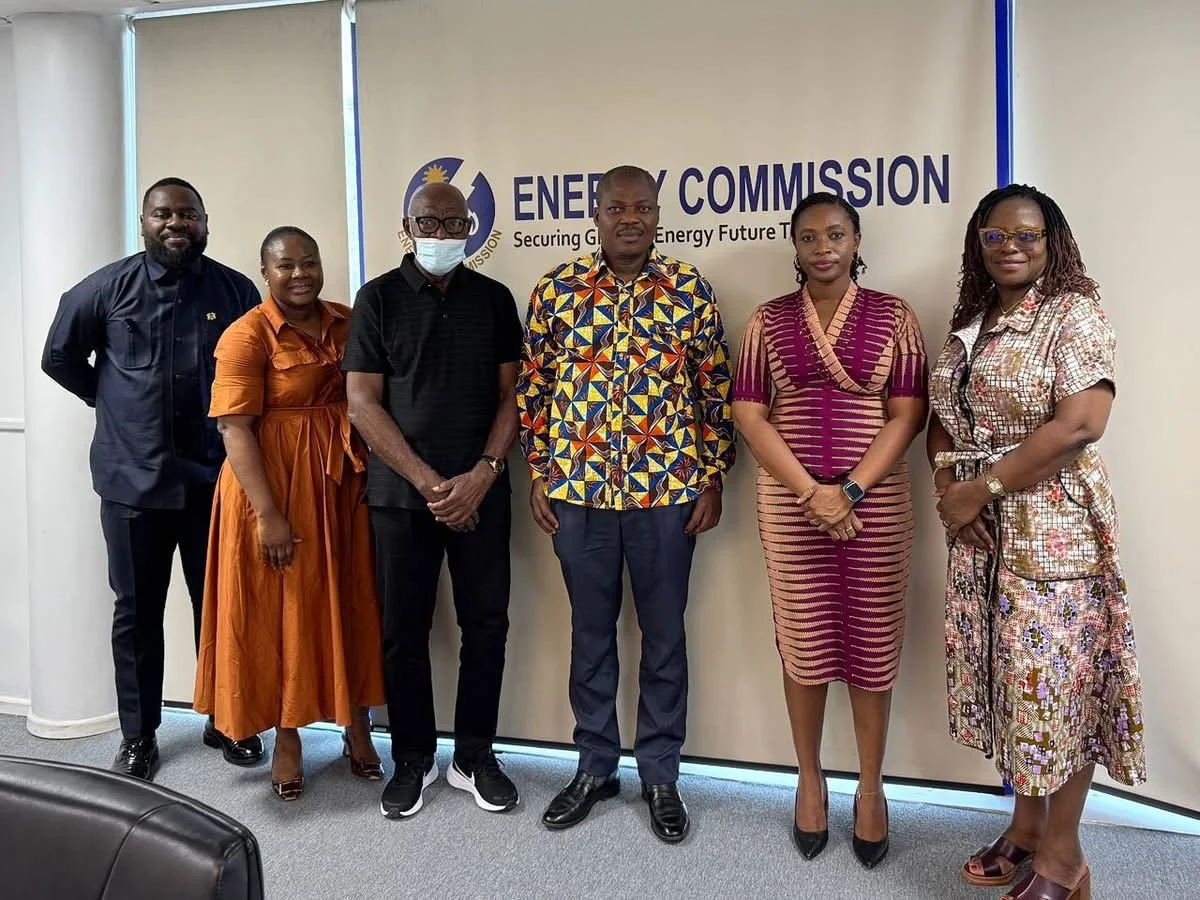
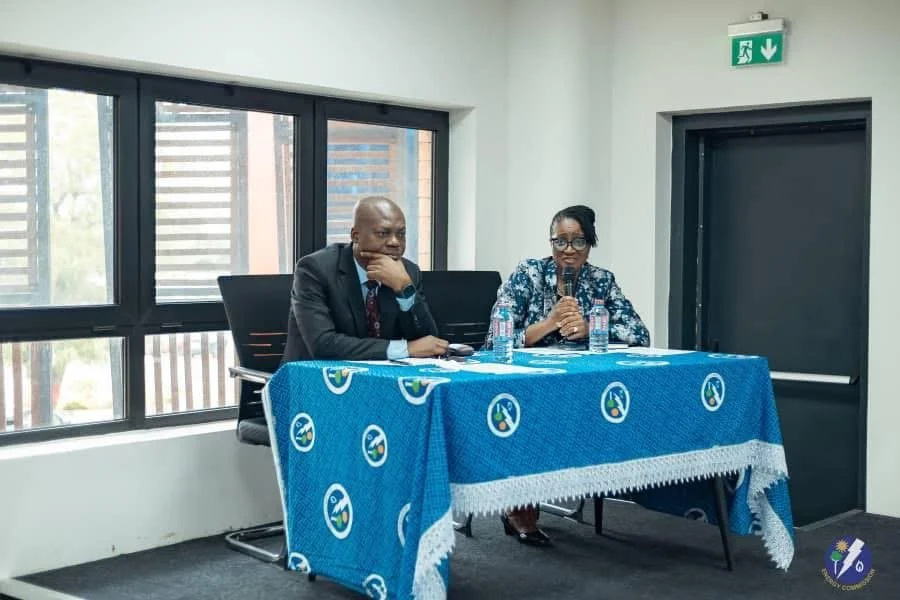
Electricity market realities were addressed on February 12, 2026, when bulk electricity consumers engaged the Commission, calling for tariff adjustments, service reliability improvements, and differentiated treatment for high-volume users. Chaired by the Electricity Market Oversight Panel (EMOP) and supported by the Commission, the engagement led to commitments for technical tariff reviews, service-quality benchmarks, and joint guidance with the Public Utilities Regulatory Commission (PURC) and Electricity Company of Ghana (ECG). These measures demonstrate that regulatory discipline and market responsiveness are complementary tools in maintaining an efficient and reliable electricity system.
Championing Energy Efficiency
Earlier in February, the Commission advanced Ghana’s energy efficiency agenda through the Energy Efficiency Revolving Fund (EERF) in partnership with the United Nations Development Programme (UNDP). The EERF finances low-Global Warming Potential (GWP) cooling technologies in hotels, supermarkets, and cold-chain logistics with low-interest loans. Repayments are recycled to fund future projects. This initiative exemplifies the Commission’s commitment to measurable energy savings, climate-aligned technology adoption, and sustainable infrastructure development.
A Regulator at the Nexus of Governance and Innovation
From port inspections to EV regulation, tariff reform to energy efficiency, Q1 2026 illustrates the Energy Commission’s intensified mandate delivery under Bondzie’s leadership. By strengthening enforcement, advancing sustainable technologies, and enhancing transparency, the institution is safeguarding Ghana’s energy system while shaping its future. Continuity meets focus in this new phase—building on past achievements while setting a higher standard