
Marginal Fuel Price Increase for Second Pricing Window of February - February 16–28, 2026 Outlook
International crude prices have firmed, the cedi has softened slightly, and Ghana’s second February pricing window is tilting upward. Market analysis by the Chamber of Bulk Oil Distributors signals a measured adjustment at the pump for February 16–28, 2026, driven by global product rebounds and a mild 1% currency depreciation.
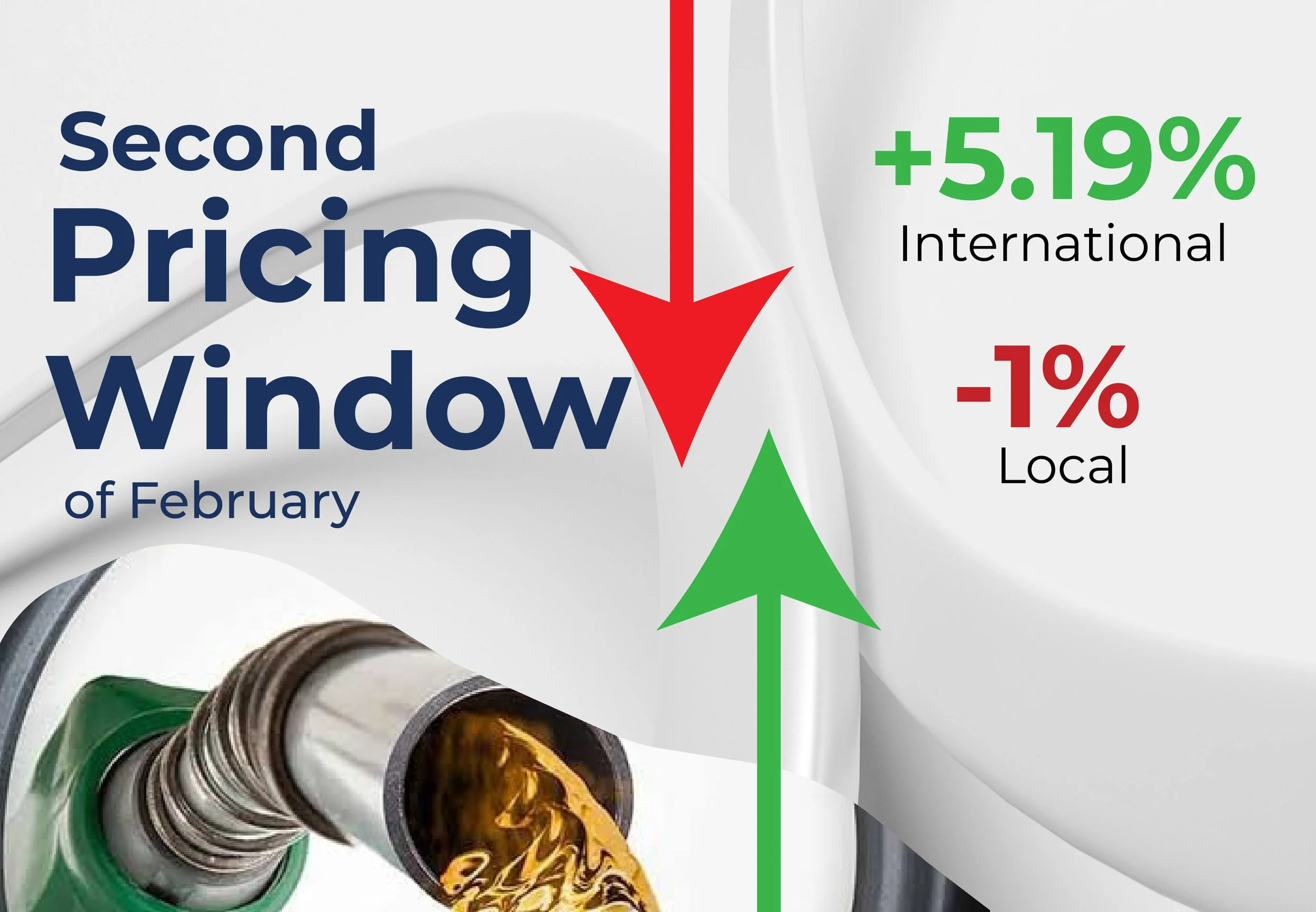
Accra, Ghana | February 16, 2026 - Ghana’s second pricing window for February 2026 opens under firmer international oil conditions and a slightly softer cedi. International crude prices rose by approximately 5.19% between 27th January and 11th February, with benchmark prices crossing USD70 per barrel for the first time in seven months. The gains were largely attributed to renewed geopolitical tensions between the United States and Iran, as well as continued sanctions affecting Russian crude trade flows. Refined petroleum products followed suit, reflecting upward adjustments across petrol, diesel and LPG benchmarks.
According to market analysis by the Chamber of Bulk Oil Distributors (CBOD), these external pressures are expected to translate into marginal increases at the pump in the February 16–28, 2026 pricing window. The projected adjustments are market-driven, anchored in international product price movements and foreign exchange dynamics.
Petrol, Diesel and LPG are projected to record marginal increases, as a result of a rebound in global refined prices and the mild depreciation of the cedi, estimated at around 1% over the period, rather than from a specific numerical projection.
The FuFeX30 rate, which represents the 30-day forward exchange rate agreed with oil-financing banks for credit fuel transactions, is benchmarked at GHS11.30 per dollar, slightly above the GHS11.10 spot rate used for cash sales, reflecting mild depreciation expectations and adding modest upward pressure to ex-refinery pricing. Even so, the broader macroeconomic narrative remains relatively stable compared to the volatility of 2023 and 2024, when sharp currency depreciation and global supply shocks drove pronounced pump price escalations.
In effect, the February 16–28 window signals a controlled upward correction rather than a structural shift in pricing. Petrol, diesel and LPG are expected to edge up marginally. The adjustment reflects global market fundamentals and currency movements, not regulatory intervention.
