GOIL Bolsters Maternal and Child Care with Strategic Healthcare Investment in Upper East Region
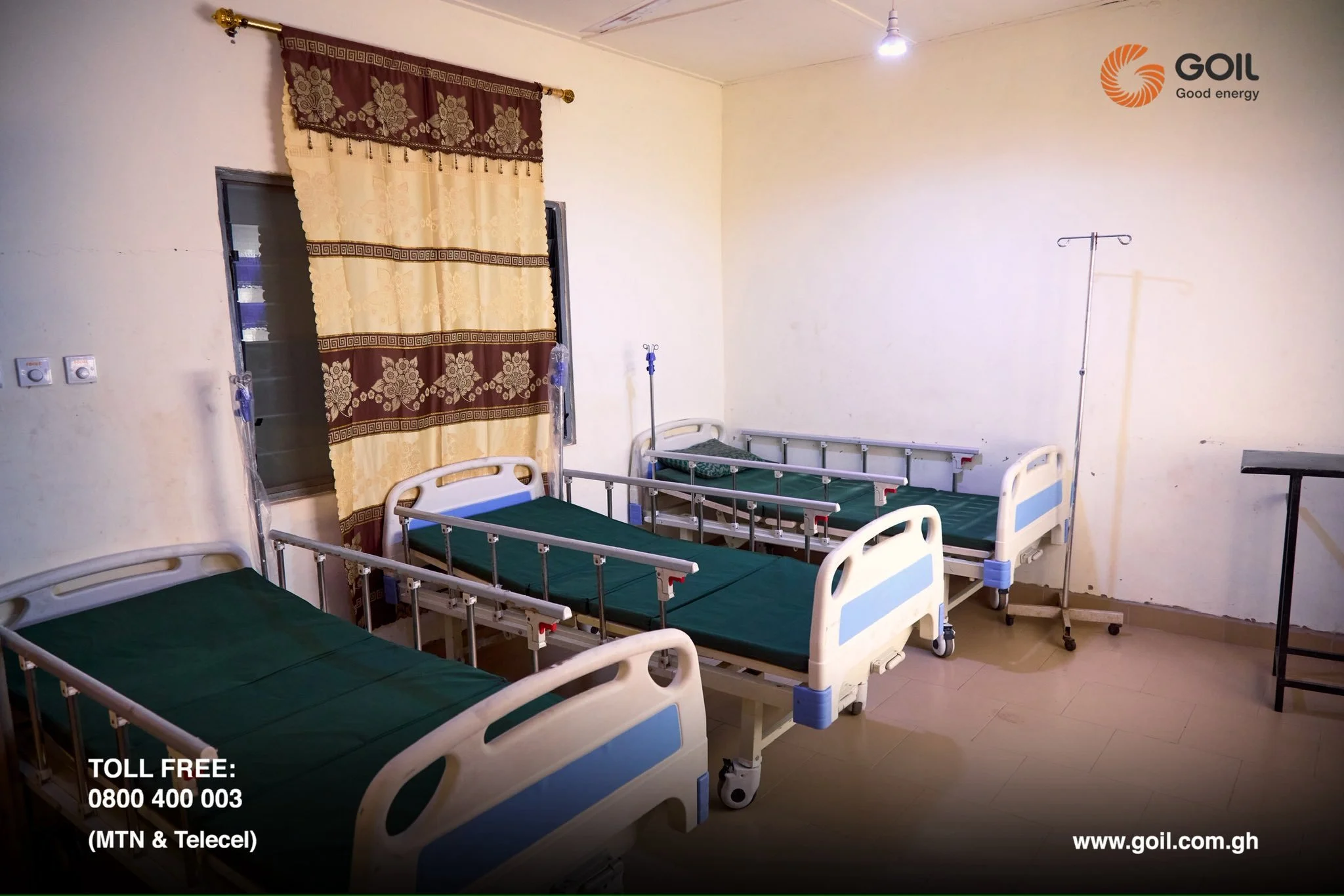
GOIL PLC is extending its corporate footprint beyond the downstream fuel market into frontline social infrastructure, donating hospital beds to the Feo Clinic in the Upper East Region as part of a widening corporate social investment drive focused on health and education. The intervention, aimed at strengthening maternal and child healthcare capacity, comes amid a broader recalibration of the company’s CSR architecture toward institutional and community service delivery rather than episodic philanthropy.
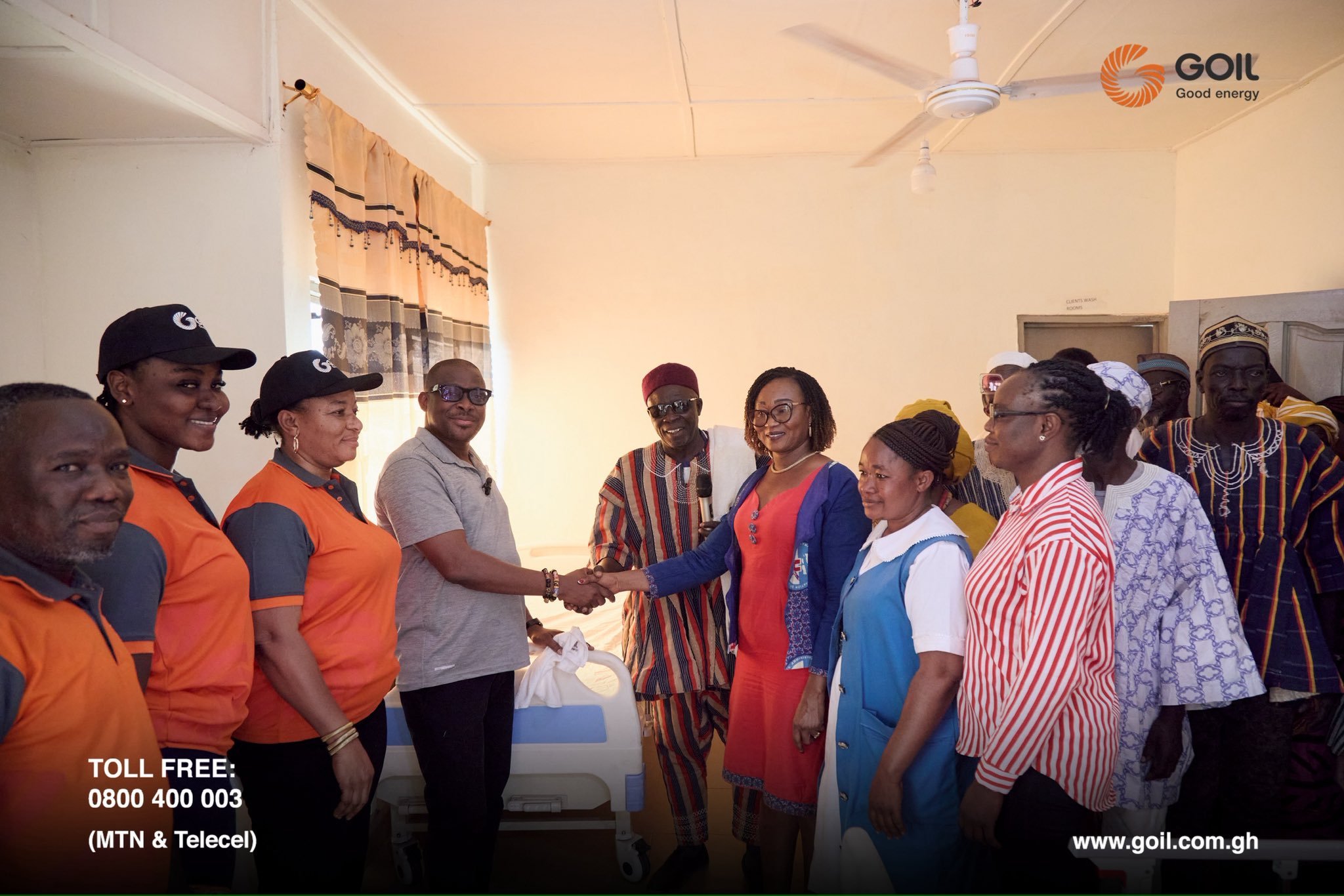
Feo, Ghana | February 3, 2026 — GOIL PLC’s recent donation of hospital beds to the Feo Clinic in the Upper East Region marks the latest in a series of community investments by one of Ghana’s leading energy firms seeking to extend its social impact beyond fuel retailing. The beds, presented during a durbar held in honour of GOIL’s Group Chief Executive Officer, Mr. Edward Abambire Bawa, are intended to strengthen maternal and child healthcare services in a community where access to quality care remains uneven.
This intervention sits squarely within GOIL’s long-standing Corporate Social Investment programme that maps onto United Nations Sustainable Development Goal 3 — good health and well-being — and reflects a broader pattern of company activity designed to buttress service delivery gaps in communities across Ghana.
The Feo Clinic beds are not a standalone goodwill gesture. Some of the equipment is earmarked to support adjacent facilities in Akunduo, suggesting a calibrated approach to asset deployment rather than symbolic gifting. Local health officials and community leaders have hailed the timing and utility of the support, citing strains on both maternal wards and pediatric services that often go unaddressed in rural health infrastructure planning.
Earlier this year, on January 2, the company also backed a medical outreach in the Wiaga-Chiok community that delivered care to more than 400 residents and identified 70 patients for surgical intervention, underscoring a pattern of targeted health support in underserved areas.
More importantly, this health sector engagement arrives on the heels of a series of GOIL-led interventions aimed at lifting community welfare across sectors — notably in education and institutional infrastructure.
Education and Institutional Support: From Lecture Halls to Community Spaces
Last month, GOIL’s social investment narrative extended into the education sector with the handover of renovated office spaces to the Department of Sociology at the University of Ghana, Legon. Unlike episodic contributions, this refurbishment project retools academic infrastructure within a policy-relevant faculty that feeds Ghana’s research and governance ecosystem. It signals an evolution of the company’s CSI framework toward deeper institutional engagement in education, aligned with SDG 4 on inclusive and quality education.


A Strategic CSR Architecture Amid Competitive Pressures
Viewed in totality, GOIL’s recent CSR momentum transcends perfunctory philanthropy. In an operating environment where downstream fuel marketing faces intensifying competitive pressure — with price dynamics and service upgrades squeezing margins — social investment is being reframed as part of an institutional identity rather than a reputational afterthought.
This strategic reframing matters. It suggests a dual track for GOIL: competing on price and service in a recalibrating energy market while anchoring its public narrative firmly in social legitimacy. In rural clinics, upgraded academic spaces, and community-level interventions, the company stakes claims not just to market share but to a more embedded civic presence.
Beyond the Durbar: Practical Impacts and Expectations
For beneficiaries at Feo and beyond, hospital beds and refurbished offices are more than PR moments; they are material improvements to spaces where critical life outcomes hinge on infrastructure quality. Whether these interventions catalyse wider investments or simply plug persistent service gaps depends on consistent follow-through and measurable impact tracking.
In shaping its CSR story this way, GOIL reflects a broader corporate reckoning in Ghana’s energy sector: social investment is no longer an appendage to profit pursuits, but a structural complement to them. That recalibration, if sustained beyond ceremonial walls and campaign cycles, could tip CSR from checkbox exercise to societal leverage point.
