
Ghana Locks Into $40m UN Cooling Fund, Pivots to Refrigerant Transition and Local Assembly
Ghana is converting climate obligation into capital deployment. As part of a US$40 million UN-backed Energy Efficiency Revolving Fund, the Energy Commission of Ghana and the Environmental Protection Agency are advancing refrigerant transition, technician upskilling and local assembly of efficient cooling systems, anchoring treaty compliance under the Kigali Amendment in bankable financing for SMEs.

Airport Residential Area, Accra | February 3, 2026 - Ghana is moving from policy intent to financial execution in its sustainable cooling agenda.
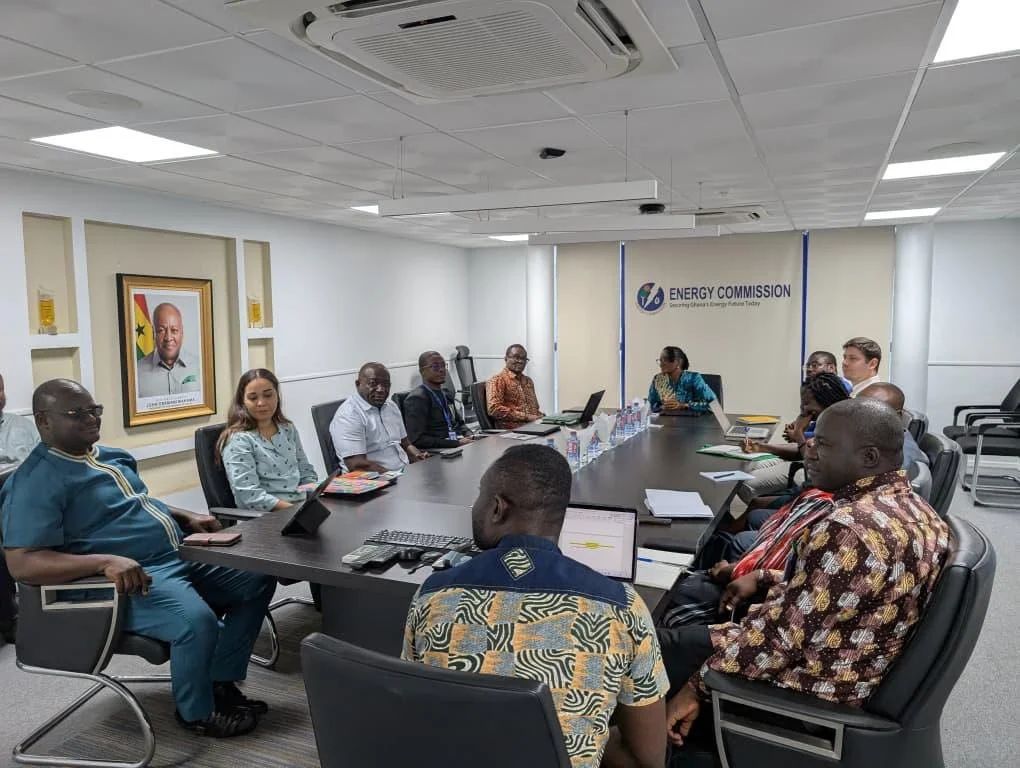
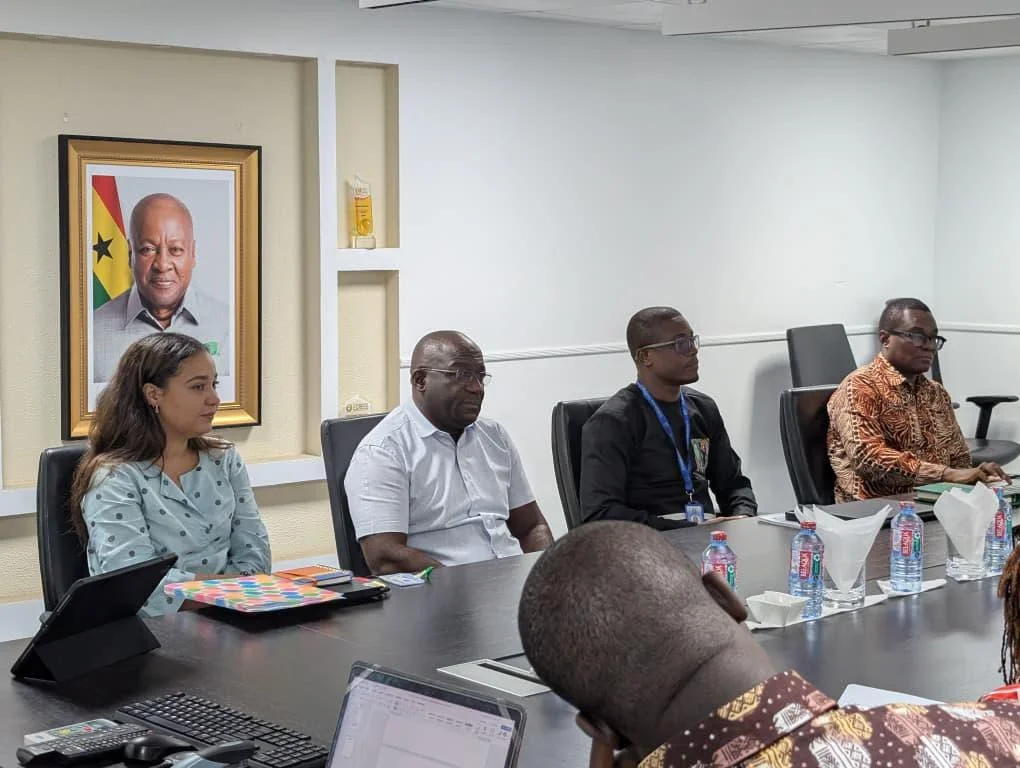
The Energy Commission of Ghana and the Environmental Protection Agency hosted the United Nations Development Programme to advance Ghana’s participation in a US$40 million Energy Efficiency Revolving Fund, a pilot financing mechanism under the Montreal Protocol architecture designed to accelerate the uptake of energy-efficient, low-global warming potential cooling technologies.
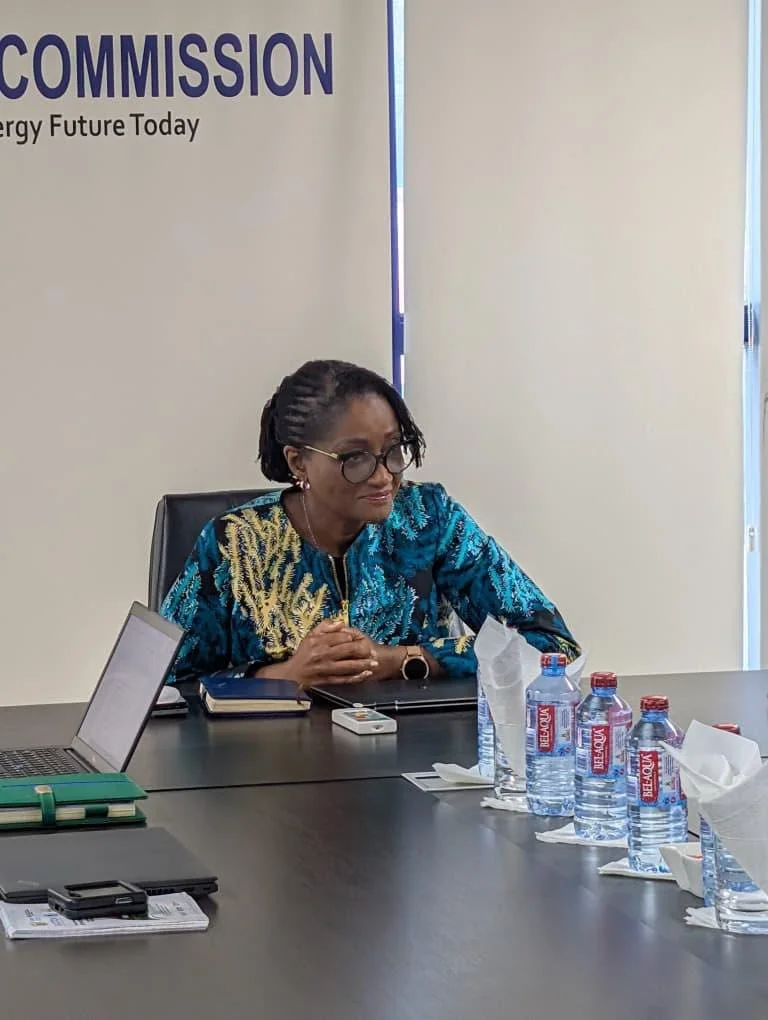
The meeting, chaired by Acting Executive Secretary Ing. Eunice Biritwum, focused on refrigerant transition projects, technician capacity building and the promotion of local assembly of energy-efficient refrigerators and cooling systems. Beneath the diplomatic courtesies, the signal was clear: Ghana intends to operationalise its cooling commitments through capital deployment, industrial policy and regulatory enforcement working in tandem.
Immediate Context: Treaty Commitments Meet Grid Reality
Ghana’s cooling push is not discretionary. It flows from binding obligations under the Montreal Protocol and its Kigali Amendment, which require the phasedown of hydrofluorocarbons, refrigerants widely used in air conditioning and refrigeration with high global warming potential.
To domesticate those commitments, Ghana developed a National Cooling Plan (also referred to as the National Cooling Action Plan), aligning refrigerant transition with energy performance standards and broader emission-reduction objectives under the Paris Agreement. The architecture is deliberate. Eliminating high-GWP refrigerants without addressing appliance efficiency risks replacing one climate problem with another: a spike in electricity demand from inefficient machines.
Cooling demand is not trivial. According to the International Energy Agency, space cooling is among the fastest-growing drivers of electricity demand globally. In hot climates, it increasingly defines peak load risk. Sub-Saharan Africa is no exception. Ghana’s own baseline assessments under its Cooling Action Plan show that, absent intervention, electricity consumption from cooling could more than double under a business-as-usual trajectory, intensifying grid stress and raising system costs.
The policy response has therefore adopted what regulators describe as a “twinning” approach. The EPA’s Ozone Unit manages the refrigerant transition. The Energy Commission enforces Minimum Energy Performance Standards and labelling. The objective is dual: phase down HFCs while ensuring that replacement technologies are measurably more energy-efficient.
The missing ingredient has been affordable capital for end-users.
Ground Zero: The Revolving Fund Mechanism
The Energy Efficiency Revolving Fund was approved in principle by the Executive Committee of the Multilateral Fund at its 95th meeting in December 2024. A US$40 million funding window was established to support two pilot revolving fund projects in developing countries, targeting energy-efficiency end-users such as supermarkets, hotels and cold-chain operators.
The capital originates from the Multilateral Fund of the Montreal Protocol. The implementing agency for the global initiative that includes Ghana is UNDP. At its 96th meeting in May 2025, the Executive Committee agreed on operational modalities, including project preparation for a global cluster covering Colombia, Ghana and Jordan.
The mechanics are straightforward but strategically significant. National financial institutions will on-lend low or zero-interest capital to small and medium-sized enterprises investing in energy-efficient, low-GWP cooling technologies. Beneficiaries repay into the fund. The capital is recycled to finance subsequent projects. Over an eight-year horizon, the pilot is designed to return the principal to the Multilateral Fund, preserving the initial investment while catalysing multiple project cycles.
In effect, the instrument blends climate compliance with financial sustainability. It converts treaty obligations into bankable assets.
Why Ghana Qualifies
Eligibility is anchored in Ghana’s status as a signatory to the Montreal Protocol and the Kigali Amendment, and in the existence of an approved national HFC implementation framework. The revolving fund mechanism requires alignment with a country’s Kigali HFC Implementation Plan, enforcement of Minimum Energy Performance Standards and credible monitoring of energy savings and refrigerant consumption reductions.
Ghana’s regulatory infrastructure, built through sustained cooperation between the Energy Commission and the EPA, positions it as a viable pilot candidate. The forthcoming project proposals, expected for consideration in 2026, will identify targeted sectors, quantify HFC consumption baselines, estimate beneficiary numbers and model projected energy savings.
For policymakers, the attraction lies in leverage. Public climate finance is scarce. A revolving structure stretches limited concessional capital across multiple investment cycles while embedding discipline through repayment obligations.
Industrial and Workforce Implications
Beyond compliance, the Accra discussions signalled an industrial ambition.
Refrigerant transition projects will require retraining of technicians to safely handle low-GWP alternatives, many of which have different thermodynamic and safety characteristics. Capacity building is therefore not ornamental but essential to avoid safety risks and performance failures.
Equally significant is the emphasis on local assembly of energy-efficient refrigerators and cooling equipment. If executed, this could shift part of Ghana’s cooling market from import dependency to partial domestic value addition, with implications for jobs, standards enforcement and after-sales servicing ecosystems.
For SMEs in hospitality, retail and cold-chain logistics, access to concessional finance lowers the barrier to replacing legacy systems. For the grid operator, incremental efficiency gains translate into reduced peak demand pressure. For climate authorities, measured HFC reductions strengthen compliance reporting under Kigali.
The Strategic Frame
Cooling is often treated as a consumer convenience. In policy terms, it is infrastructure. It touches food security, vaccine integrity, tourism competitiveness and urban productivity. It also sits at the intersection of climate mitigation and power system stability.
Ghana’s participation in the Energy Efficiency Revolving Fund signals an understanding that refrigerant transition cannot be divorced from energy economics. Capital, standards and enforcement must move together.
If the pilot structure performs as designed, it will serve as a template for scaling energy-efficiency finance beyond cooling. If it falters, it will expose the limits of concessional mechanisms without robust local financial intermediation and regulatory discipline.
For now, the trajectory is clear. Ghana is positioning sustainable cooling not as a donor-driven environmental add-on, but as a structured market transition anchored in treaty compliance, financial innovation and industrial capability. In a warming climate and a constrained grid environment, that shift is less optional than it appears.
