Ghana Gas CEO Calls for Transformational Leadership at National Women’s Forum
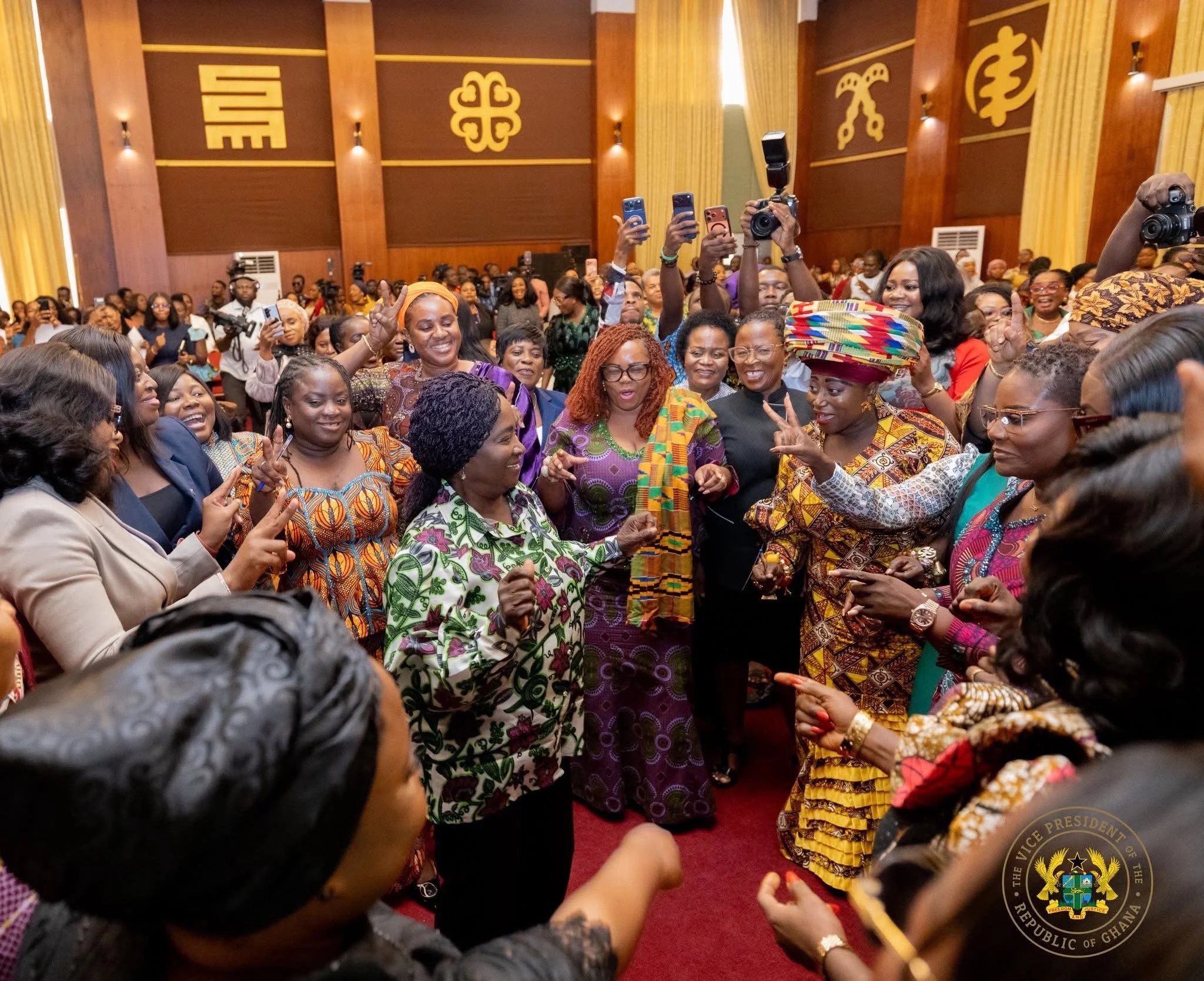
Addressing the First Annual National Forum on Women in Government and Media, the CEO of Ghana National Gas Limited Company urged women to move beyond symbolic presence toward measurable impact, tying her call for courage, accountability and public trust to Ghana Gas’ ahead-of-schedule 2025 plant shutdown and its broader institutional reform drive.
Accra | February 20, 2026 - In a sector long defined by steel, pressure and pipeline mathematics, Ghana National Gas Limited Company is now projecting a different kind of force: institutional confidence shaped as much by leadership narrative as by engineering precision.
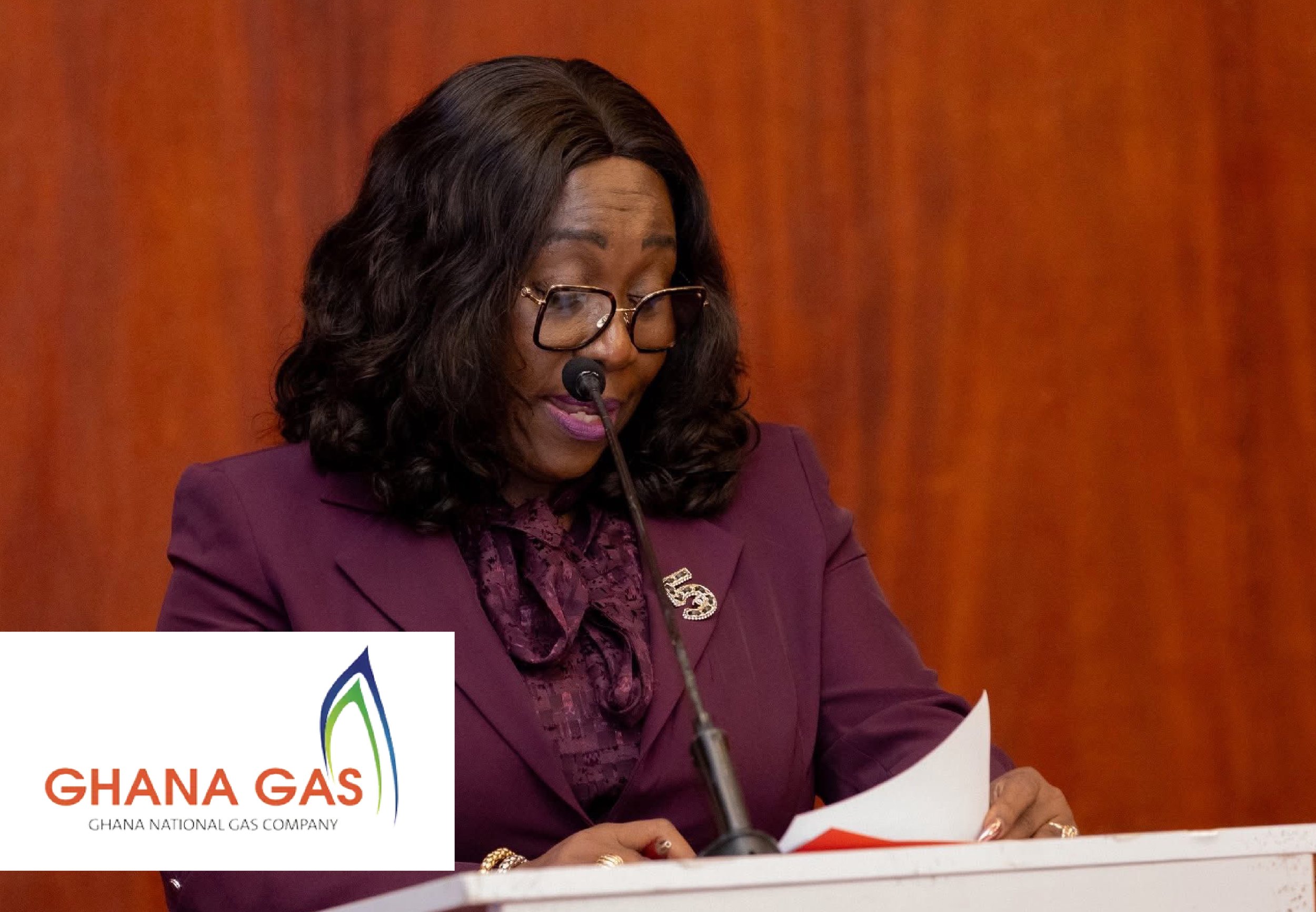
Addressing the First Annual National Forum on Women in Government and Media under the theme “Leadership, Visibility and Public Trust,” Chief Executive Officer Judith Adjobah Blay positioned Ghana Gas not merely as an energy infrastructure operator, but as a public institution conscious of its civic footprint. As the first female CEO of the company in a traditionally male dominated sector, she acknowledged the weight of expectation and expressed gratitude to the President for entrusting her with the leadership of a strategic national asset despite her non technical background.
The symbolism, however, was paired with metrics.
Blay highlighted her direct oversight of the company’s 2025 plant maintenance shutdown, completed in 10 days, four days ahead of the fourteen-day timeline presented to the Minister of Energy. In an industry where shutdown overruns often translate into material revenue and supply losses, the compressed schedule delivered measurable cost savings and reinforced operational credibility. The episode served as a practical counterpoint to any lingering skepticism about non traditional leadership profiles in technically intensive sectors.
Her message to women in public service was unambiguous: leadership is not occupancy, it is transformation. Courage, accountability and measurable impact, she argued, must outlive titles. In doing so, she reframed representation from a headline into a performance obligation.
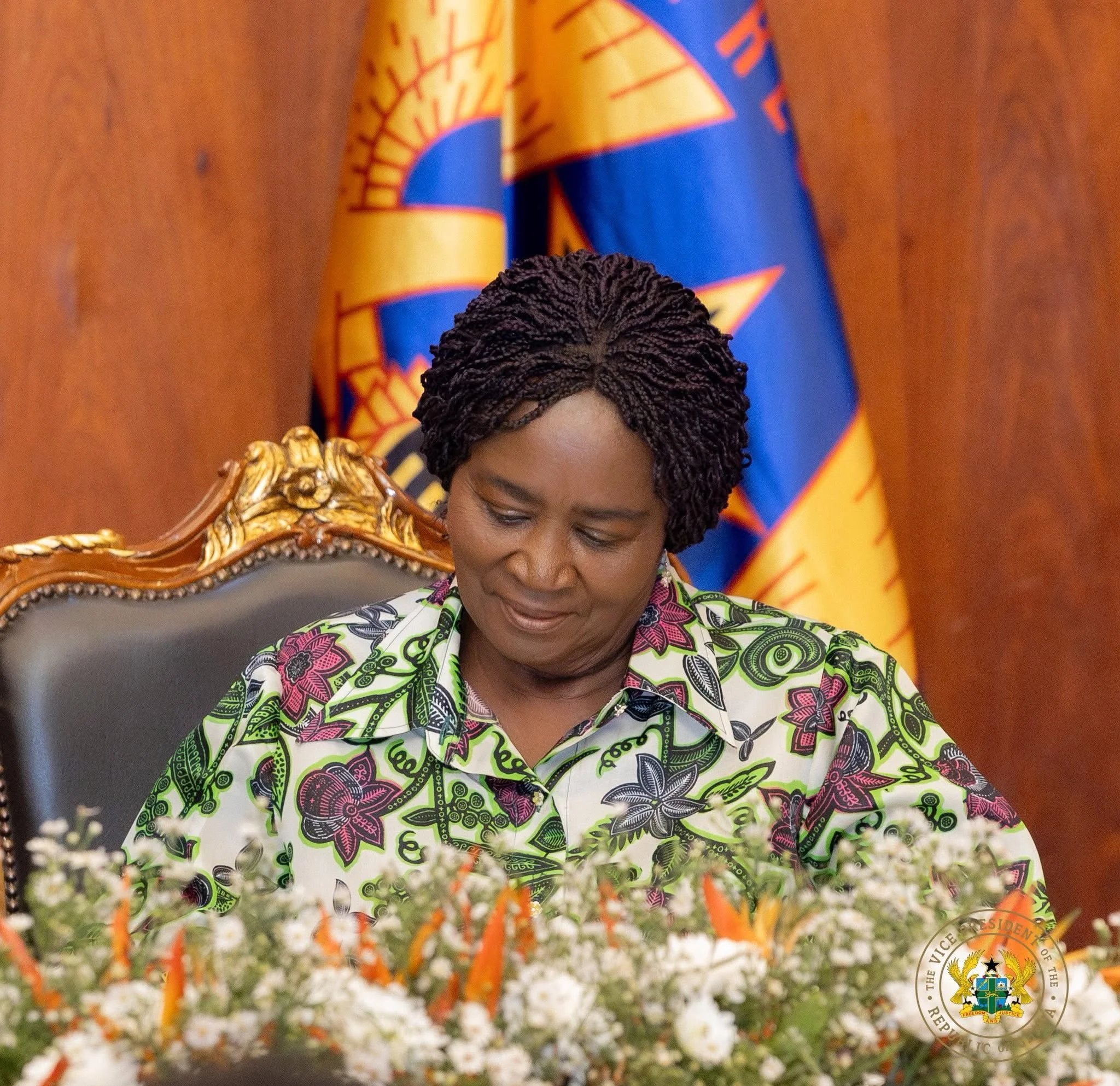
The forum also drew reflections from Vice President Jane Naana Opoku-Agyemang, who urged participants to interrogate their journeys with intentionality and to invest in mentoring the next generation. Leadership, she noted, often begins less with proclamation than with listening and encouragement, a formulation that resonated with the event’s emphasis on public trust.
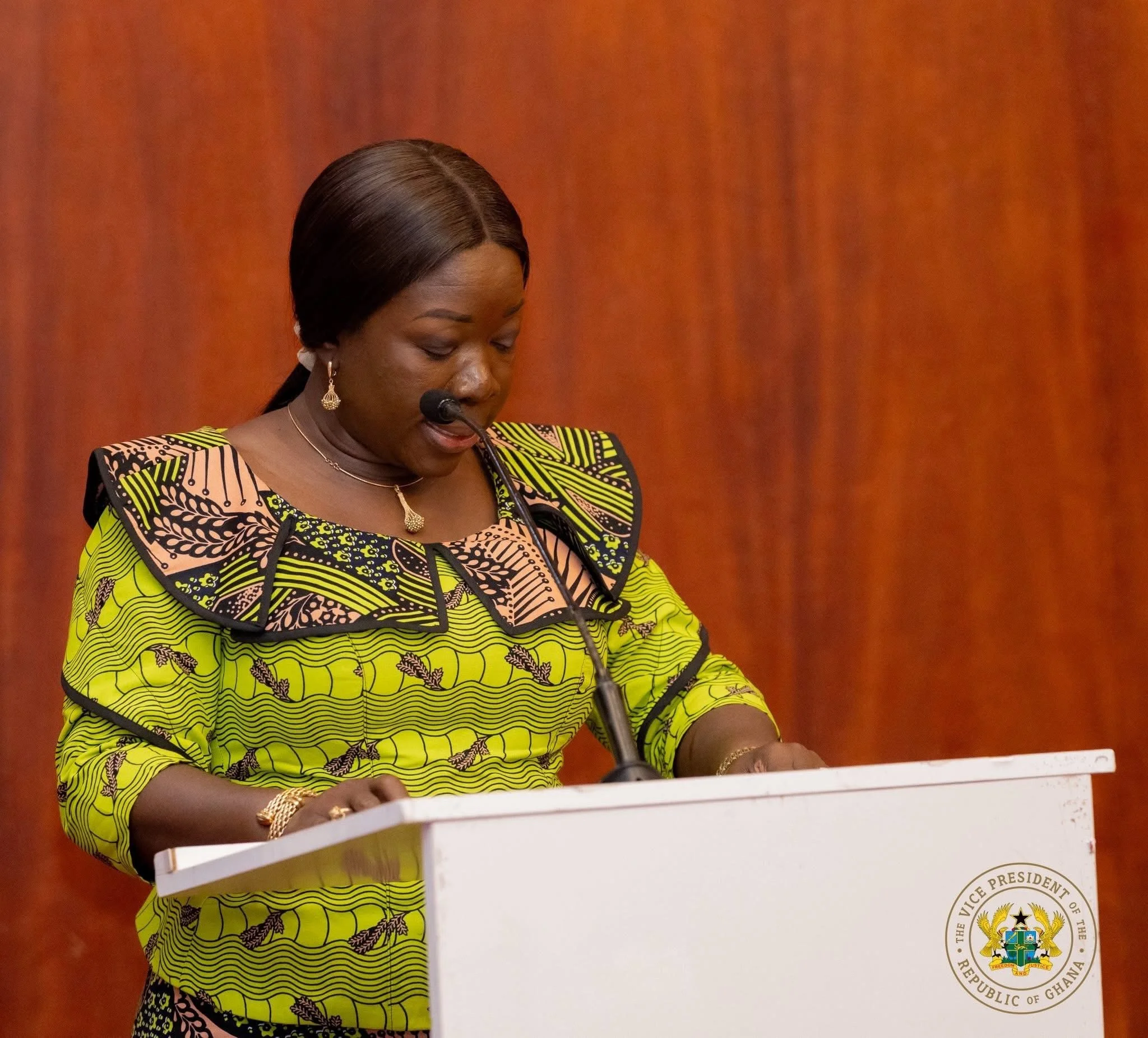
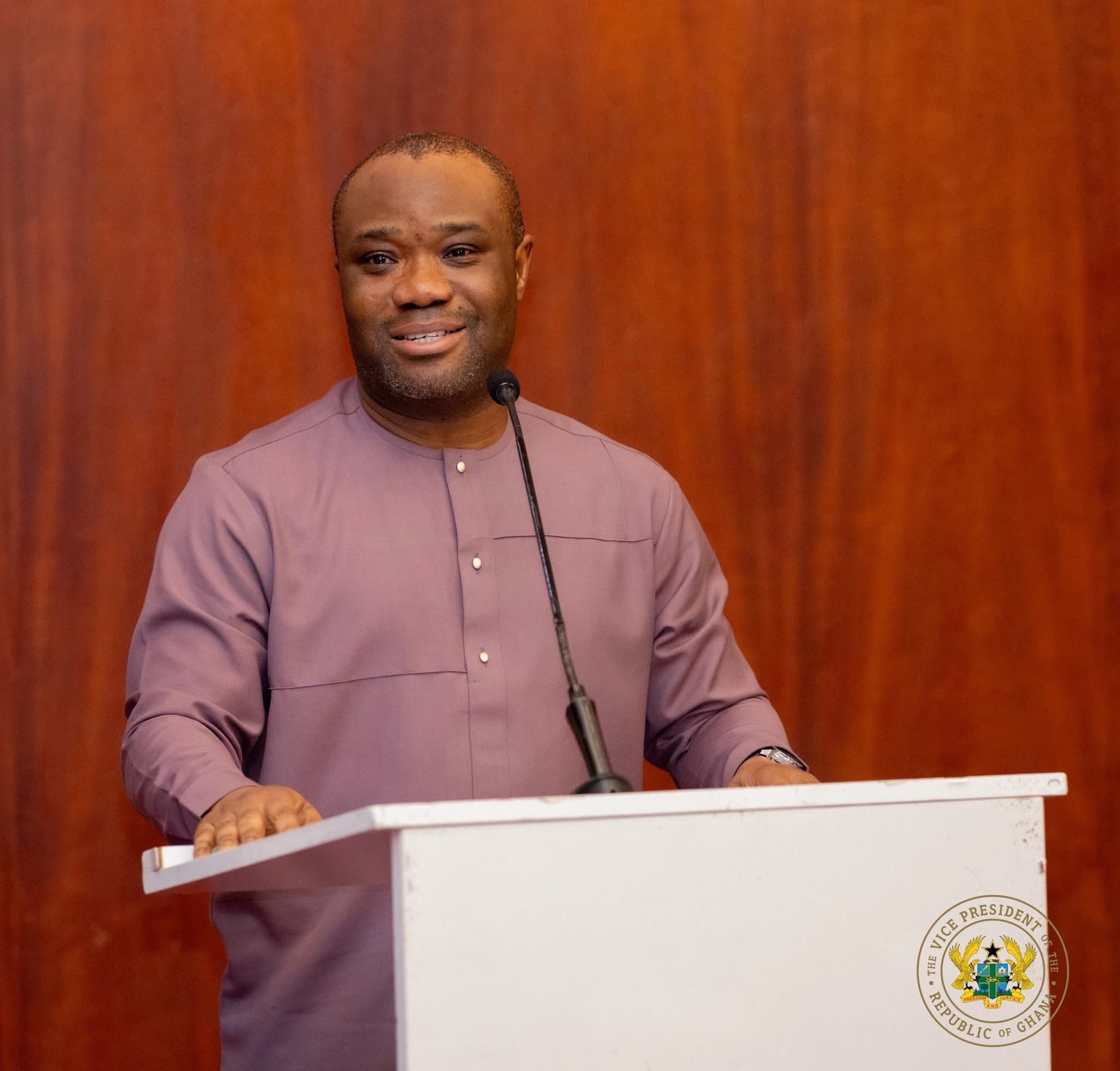

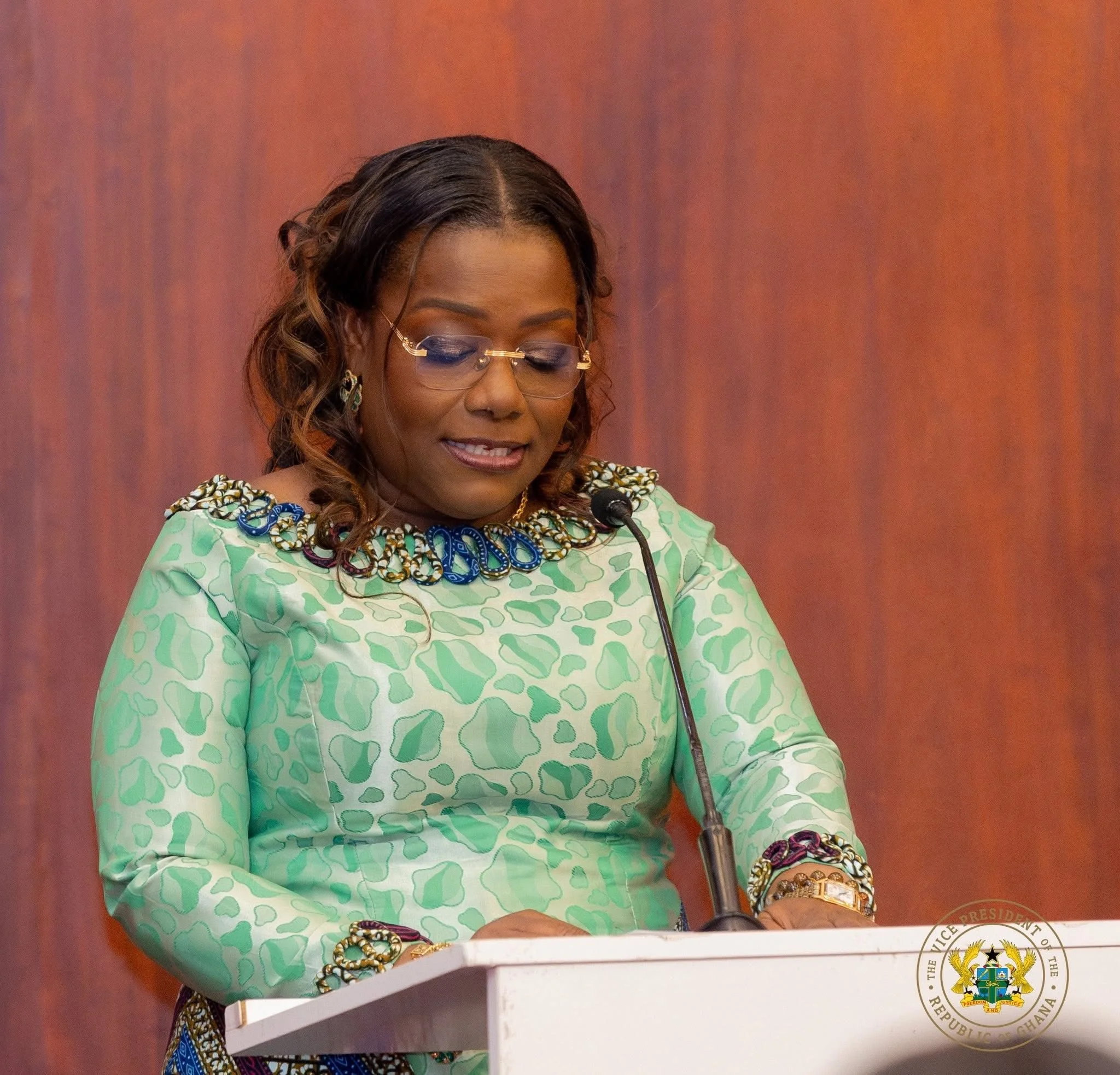
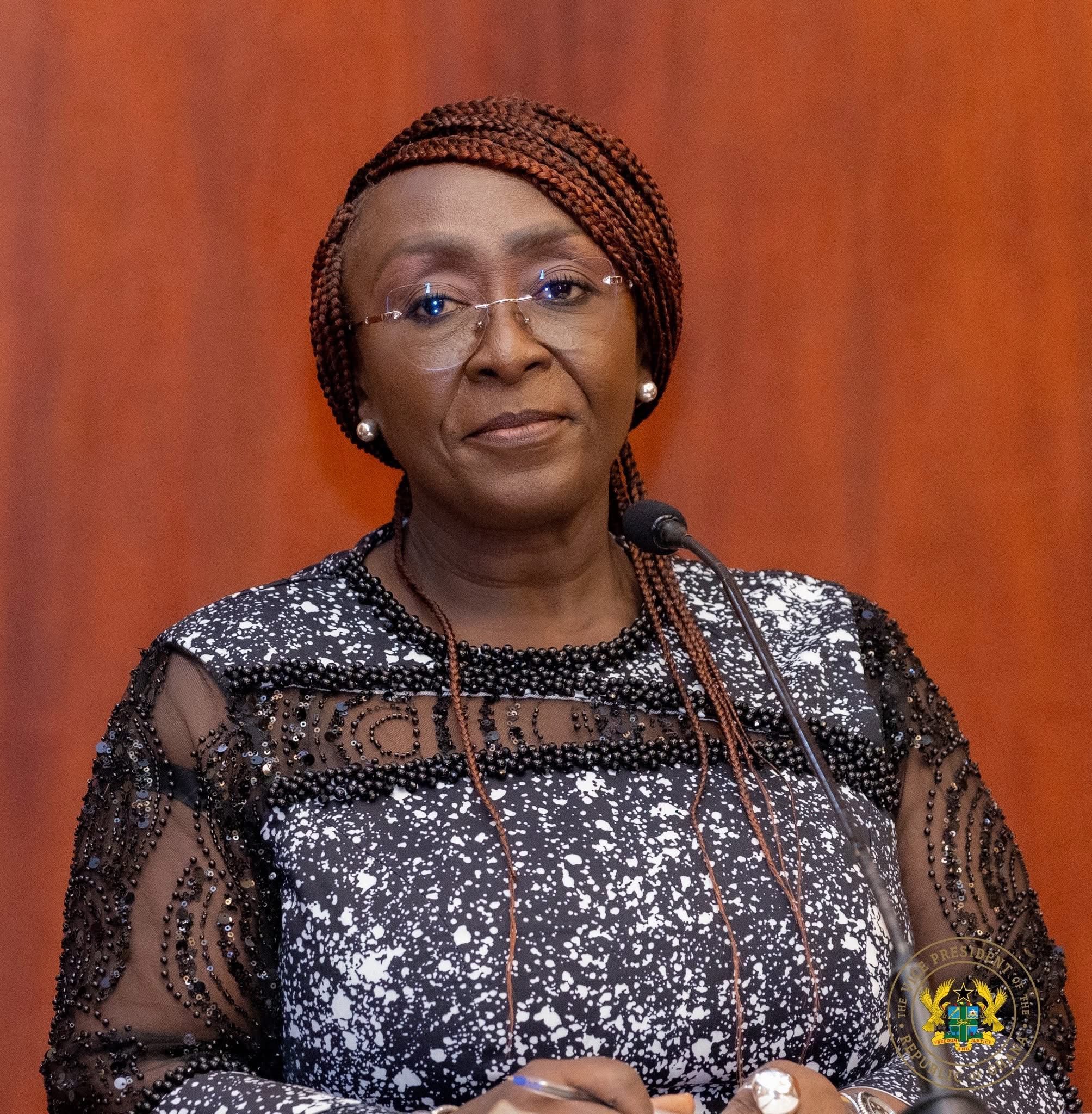
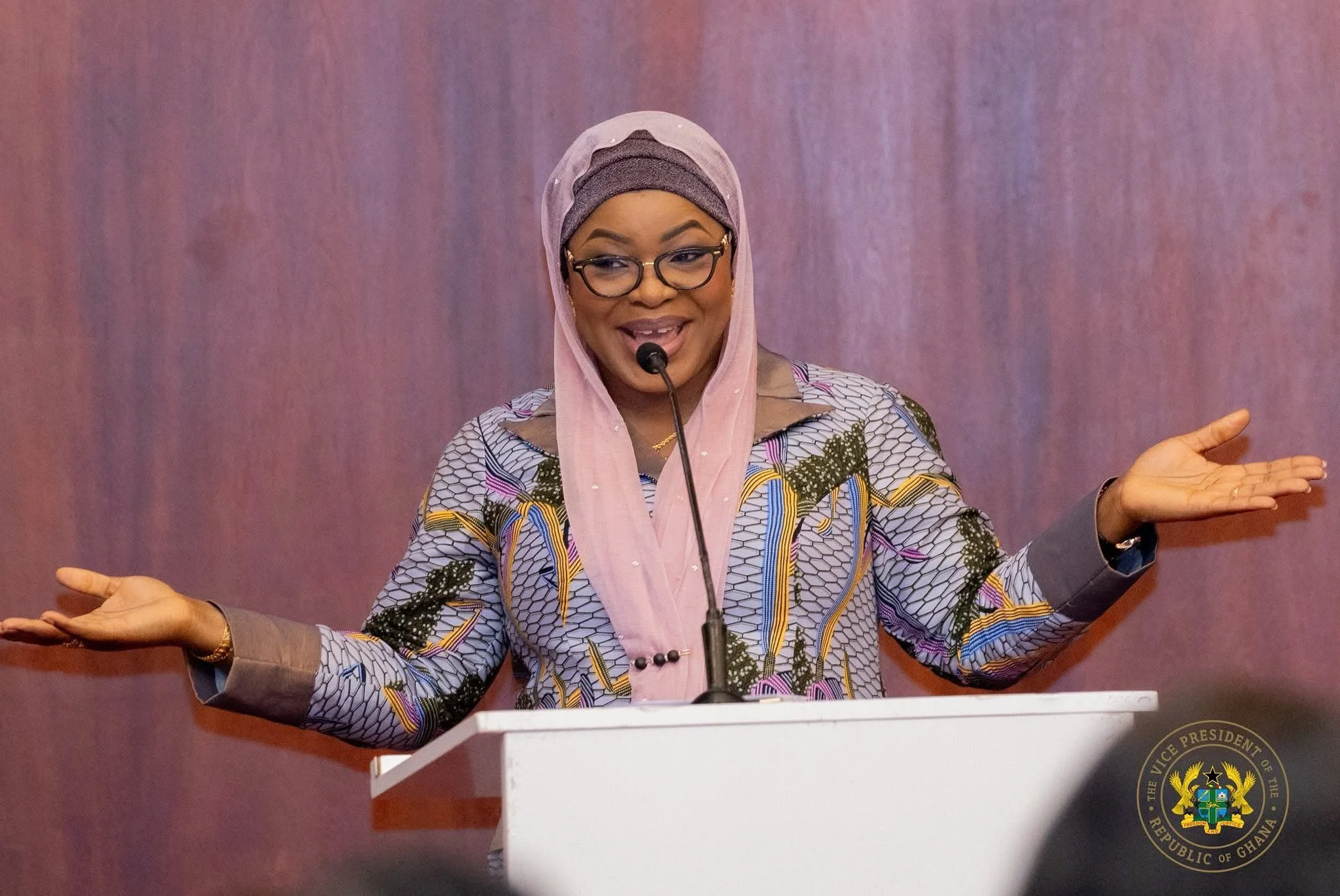
For Ghana Gas, the optics of the forum come against a backdrop of institutional momentum.
On February 7, 2026, Blay was named Best Public Sector CEO for 2025 at the 15th Radio and TV Personality Awards, recognition conferred on ten public sector leaders for demonstrable impact within their domains. The accolade followed a month of assertive external engagement.
On January 28, 2026, a Ghana Gas delegation led by Head of Corporate Affairs Richard Kirk-Mensah paid a strategic courtesy call on the Italian Embassy in Accra, building on engagements at GASTECH 2025 in Milan where Blay had led Ghana’s delegation. In discussions with Ambassador Laura Ranalli and Deputy Ambassador Gabriel Ubaldo Palermo, the parties explored pathways to deepen bilateral cooperation and catalyze Italian investment into Ghana’s gas sector.
At a time when global capital is increasingly selective and energy transition narratives are reshaping investment screens, the outreach signaled Ghana Gas’ intent to position domestic gas as both a bridge fuel and an industrial enabler. Rome’s stated interest in moving beyond rhetoric toward tangible cooperation aligns with Accra’s broader strategy to leverage gas to anchor power stability and industrial growth.
Domestically, that strategy is finding concrete expression. On January 27, 2026, Ghana Gas intensified discussions with Tema Oil Refinery over potential gas to power configurations. A successful refinery gas switch would integrate domestic gas supply more directly into industrial energy consumption, reduce reliance on liquid fuels and embed TOR within a wider industrial reset.
Taken together, the threads converge on a coherent institutional arc: operational efficiency at the plant level, strategic diplomacy abroad and structural recalibration at home. The speech at the women’s forum therefore reads less as an isolated leadership vignette and more as part of a deliberate positioning exercise.
For Ghana Gas, public trust is not an abstract virtue. It is earned in shutdown timelines met ahead of schedule, in cross border capital conversations that survive scrutiny, and in industrial integrations that deliver cost discipline to the wider economy. In that sense, visibility becomes a by product of performance, not its substitute.