
Bulk Customers Push for Lower Tariffs, Better Service in Electricity Market Reform at Energy Commission Engagement
Ghana’s largest industrial power users have drawn a firm line in the sand, pressing regulators for tariff reforms of up to 30 percent and demanding stronger service guarantees in the Wholesale Electricity Market. At a high-level engagement with the Energy Commission and EMOP, bulk customers warned that rising demand charges and persistent reliability gaps are undercutting competitiveness, even as regulators signal a technical review that could reshape pricing, service standards, and the rules of engagement in Ghana’s power sector.

Airport Residential Area, Accra, Ghana | February 12, 2026 - Ghana’s largest industrial and commercial electricity consumers have delivered a pointed message to regulators: the economics of power must change, and so must the quality of service.
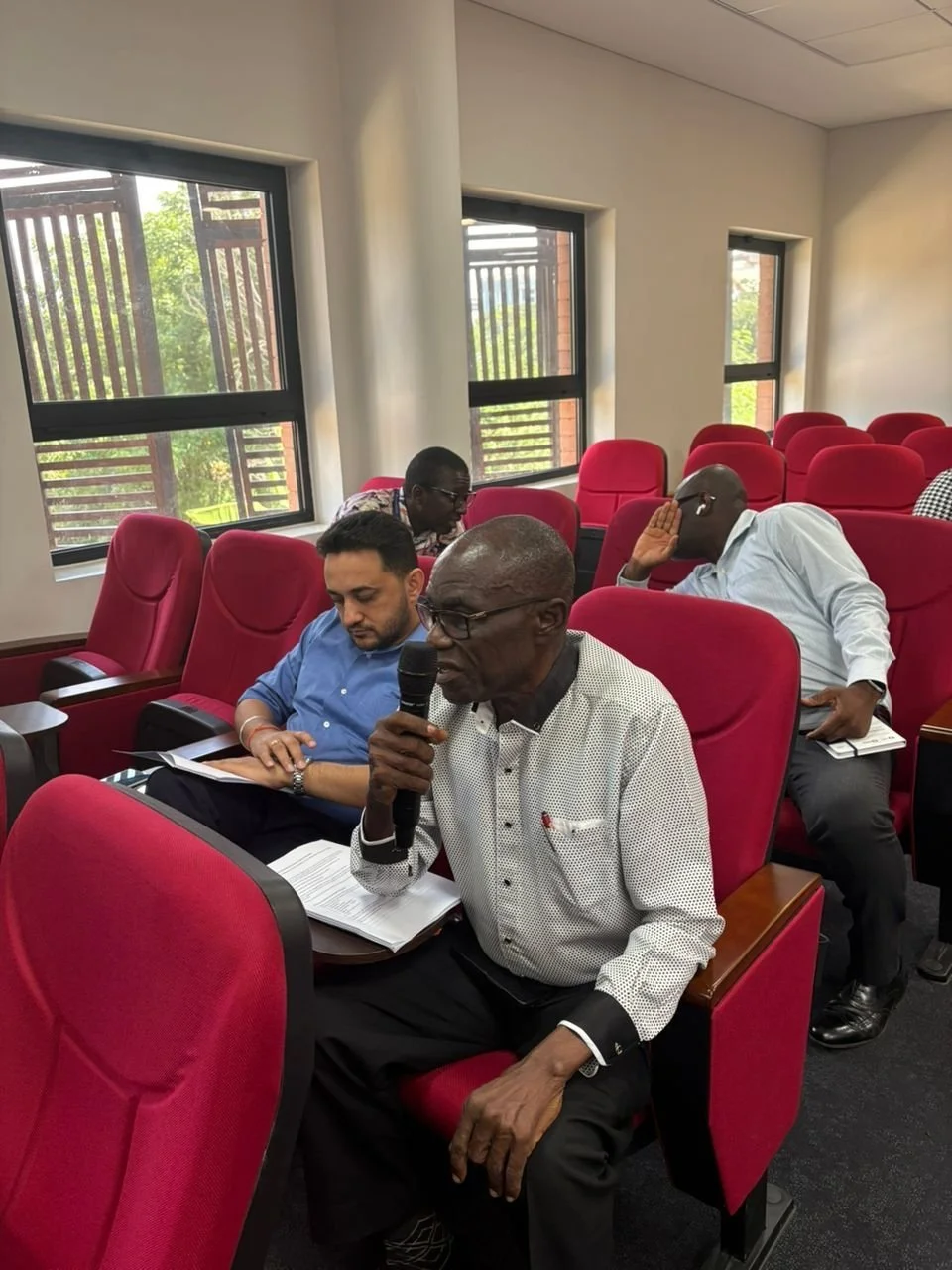
At a high-level stakeholder engagement convened by the Energy Commission, bulk customers warned that prevailing tariff structures, particularly demand charges, are increasingly misaligned with operational realities and threaten their competitiveness in both domestic and export markets. Some participants called for tariff reductions of up to 30 percent. Others pressed for greater transparency in price-setting methodologies that determine what remains one of their most significant input costs.
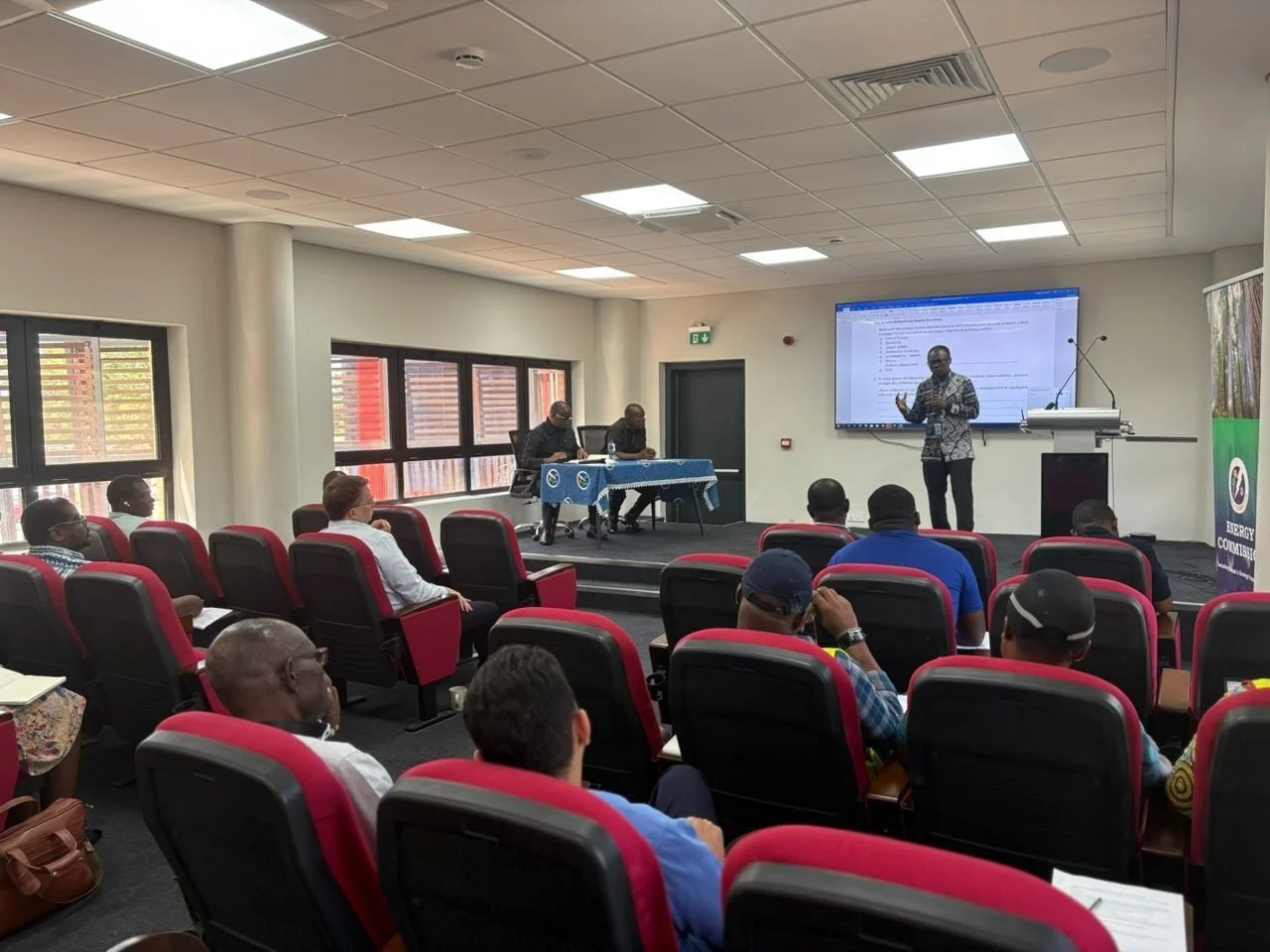
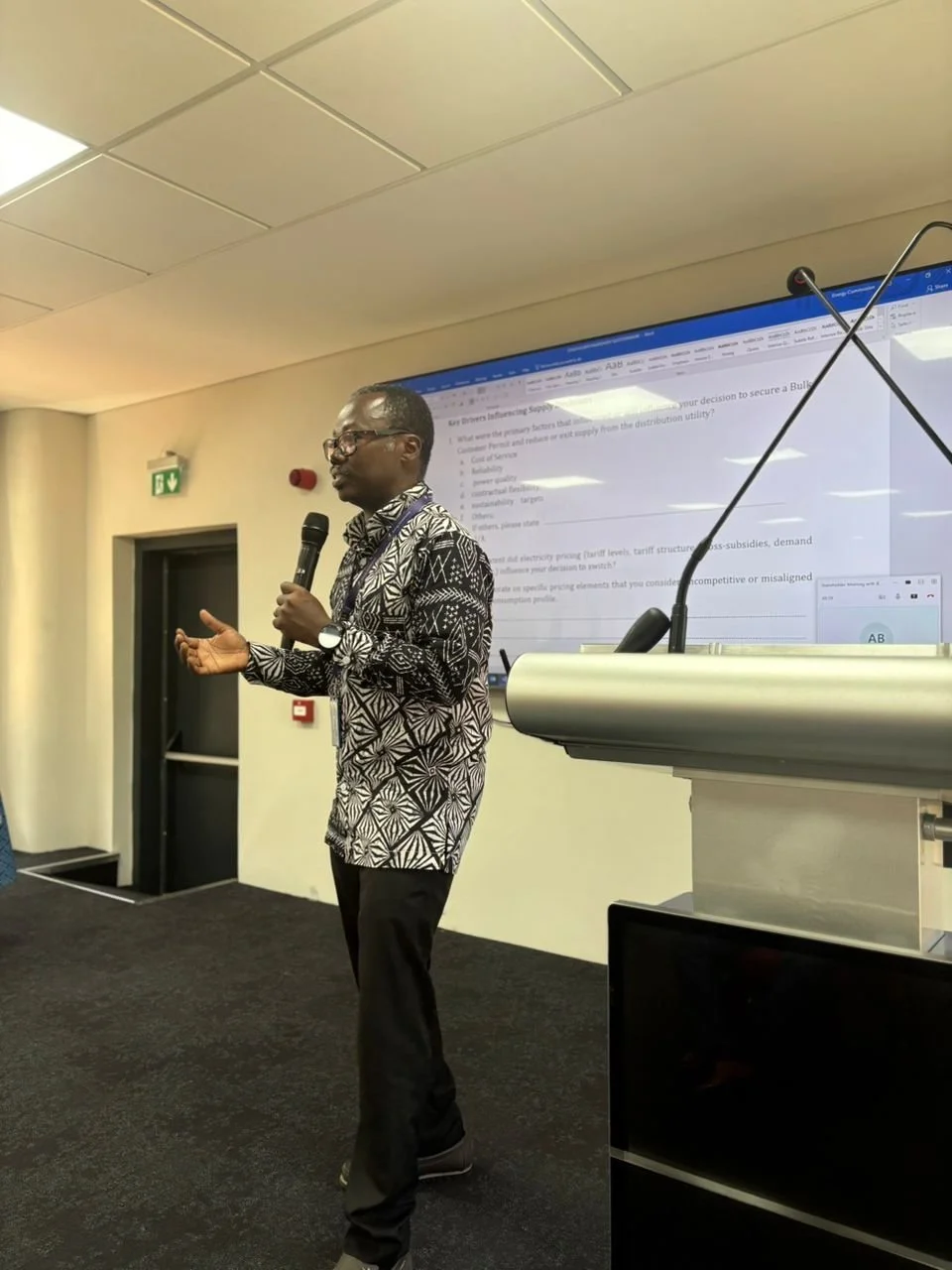
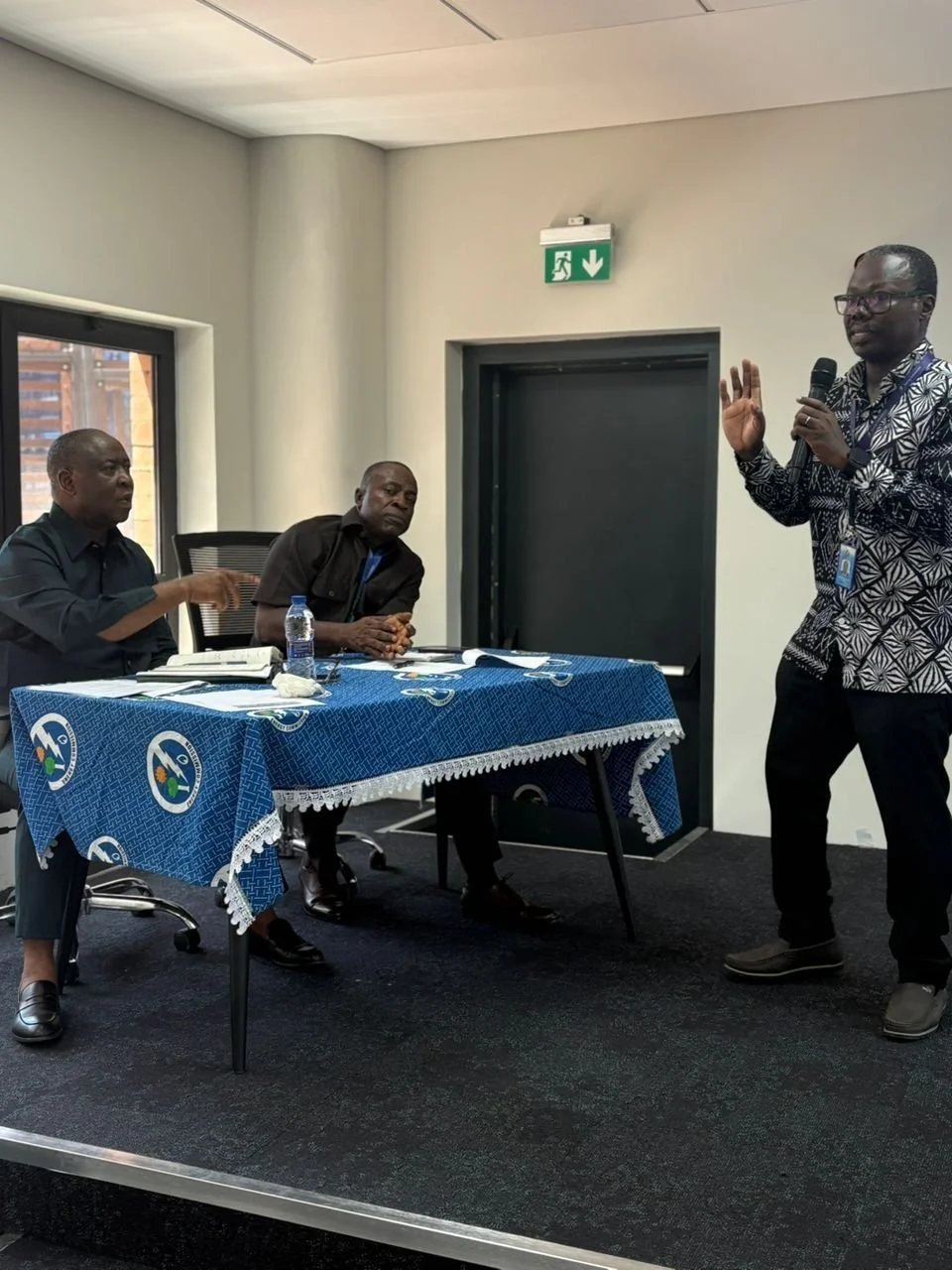
The meeting, chaired by Mr. Samuel Kwadwo Sarpong, Chairman of the Electricity Market Oversight Panel (EMOP), alongside Mr. Anthony C. Bleboo, Director for Electricity and Natural Gas at the Energy Commission, brought together more than 15 bulk customers and sector regulators. It marked one of the most candid exchanges in recent months between high-consumption users and the institutions charged with supervising Ghana’s evolving electricity market.
“Our role is to ensure that the market works for everyone: consumers, utilities, and the nation,” Mr. Sarpong said in his opening remarks. “When bulk customers speak, we listen. When they hurt, the economy hurts.”
Tariffs Under Scrutiny
At the heart of the discussion lies the structure of bulk tariffs. Demand charges, designed to reflect capacity availability rather than actual energy consumed, were singled out as particularly burdensome. Several firms argued that the current framework penalizes them during periods of fluctuating production cycles, effectively taxing idle capacity and eroding margins.
Stakeholders also raised concerns over the opacity of tariff adjustments. Calls for clearer cost breakdowns and predictable review timelines reflected a broader demand for regulatory certainty in an environment where power pricing directly influences investment decisions, factory expansion, and employment.
Yet the tone was not uniformly adversarial. Participants commended the Commission’s permitting regime for bulk customers seeking direct participation in the Wholesale Electricity Market (WEM), describing it as clear, predictable, and efficient. In a sector often defined by procedural bottlenecks, that acknowledgment carried weight.
Reliability and Respect
If tariffs are the arithmetic of industry, reliability is its bloodstream. Frequent minor outages, voltage fluctuations, and slow fault response times were cited as recurring challenges. For energy-intensive operations, even brief disruptions translate into production losses, equipment damage, and contractual penalties.
Several bulk customers expressed frustration that the Electricity Company of Ghana (ECG) does not differentiate adequately between high-volume industrial clients and residential users in communication protocols and service prioritization. The call was for structured service-level agreements, differentiated response standards, and dedicated account management frameworks that reflect their scale and economic contribution.
In essence, bulk customers are seeking recognition not merely as consumers, but as strategic partners in Ghana’s industrialization drive.
Reform Signals from the Regulator
While the 2026–2030 Multi-Year Tariff Review Decision has been published, a supplementary technical review is underway to operationalize specific off-peak incentives and smart-metering protocols aligned with the Government’s 24-hour economy agenda. The Energy Commission’s response suggests that the engagement may mark an inflection point.
Plans are also in motion to develop service quality benchmarks and strengthen consultation mechanisms ahead of future tariff adjustments. Regulators have further pledged to clarify the rights and obligations of bulk customers through a joint circular with the Public Utilities Regulatory Commission (PURC) and ECG, an effort aimed at reducing ambiguity and pre-empting disputes.
The message from the Commission was clear: reform will be data-driven, consultative, and anchored in market stability.
The EMOP Factor
Central to this evolving landscape is the Electricity Market Oversight Panel. Established under the Electricity Regulations, 2008 (L.I. 1937), EMOP serves as the supervisory authority over Ghana’s Wholesale Electricity Market. With 11 members drawn from across the energy value chain, the Panel functions as a market watchdog, enforcing the National Electricity Grid Code, monitoring commercial conduct among generators and distributors, and resolving disputes.
Its mandate extends beyond compliance. By preventing dominance by any single utility and optimizing critical resources, including hydroelectric power, EMOP underwrites the integrity of bulk electricity trading. In the current debate over tariffs and service standards, its stewardship role assumes heightened significance.


A Broader Reform Moment
The engagement unfolds against a backdrop of accelerated activity within the energy sector.
It comes shortly after Adwoa Serwaa Bondzie assumed leadership of the Energy Commission, signaling a new chapter in regulatory posture and institutional direction. It follows intensified inspections at the Port of Tema aimed at safeguarding grid integrity, enhancing energy efficiency, and protecting revenue streams from substandard imports. And it aligns with government efforts to anchor energy sovereignty through a proposed $35 billion upstream push intended to expand domestic gas production and reduce feedstock costs for power generation.
Together, these developments sketch a reform arc that stretches from wellhead to wire. Cheaper gas is expected to lower generation costs. Stronger port surveillance aims to reduce inefficiencies and technical losses. A recalibrated tariff framework could pass some of those efficiencies through to industry.
For bulk customers, the expectation is simple: that the cumulative effect of upstream expansion, regulatory tightening, and market oversight will translate into measurable relief at the meter and greater stability on the line.
From Dialogue to Delivery
The stakeholder engagement did not produce immediate tariff cuts or binding service guarantees. But it did establish a record of concerns, commitments, and timelines.
For regulators, the task now is to reconcile affordability with utility solvency and system sustainability. For utilities, it is to recognize the differentiated needs of industrial-scale consumers. For bulk customers, it is to remain engaged in a reform process that is increasingly structured, technical, and consequential.
The conversation has been had. The review has begun.
In a sector long defined by negotiation, the next chapter will be written in implementation.
