Building the Subsurface Brain Trust: Petroleum Commission, TGS Convene Seismic Processing Workshop at the University of Ghana
As Ghana works to sharpen its subsurface intelligence amid renewed exploration interest, the Petroleum Commission and global geoscience data firm TGS are doubling down on technical capacity. A specialised seismic data processing workshop at the University of Ghana this week brought together regulators, geoscientists and students in a push to deepen the analytical expertise that underpins modern hydrocarbon exploration.
University of Ghana, Legon, Accra, Ghana | March 6, 2026 - Ghana’s upstream regulator is leaning harder into technical capability as the country seeks to revitalise exploration activity and sharpen its subsurface intelligence.
At a specialised seismic data processing workshop convened this week at the University of Ghana in Legon, the Petroleum Commission signalled a renewed push to deepen domestic geoscience expertise—an area increasingly viewed as critical to sustaining exploration momentum in a maturing basin.
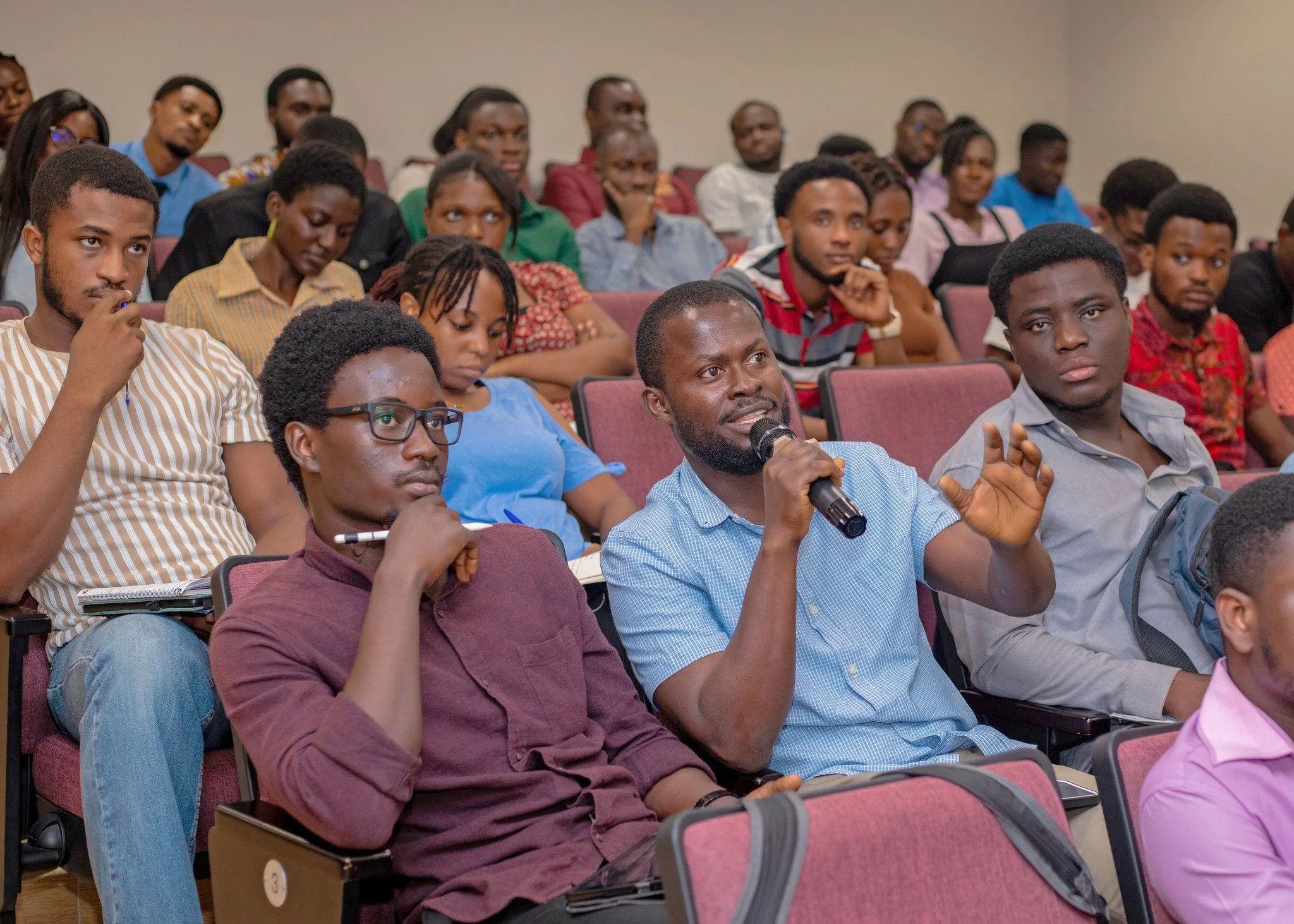
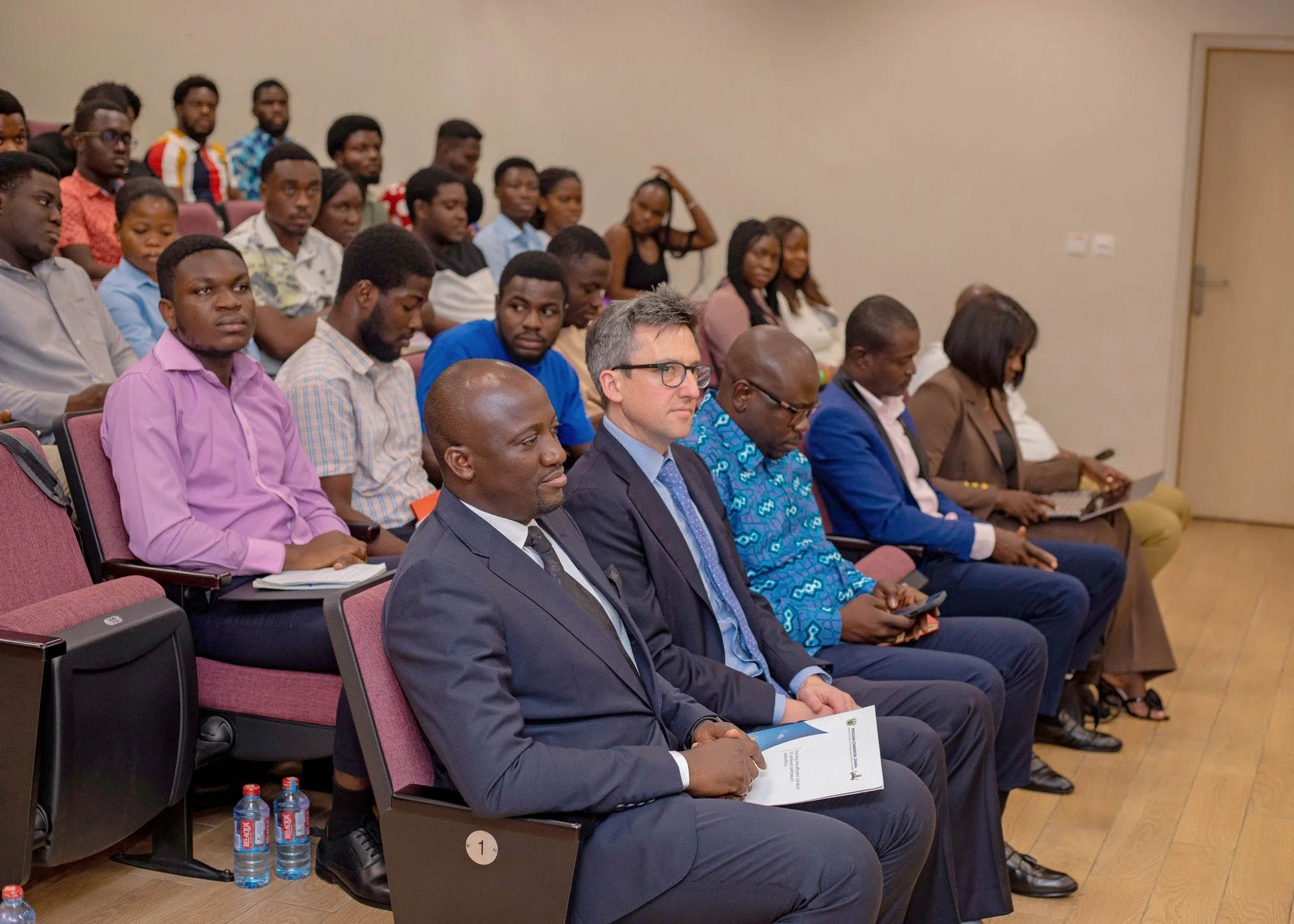
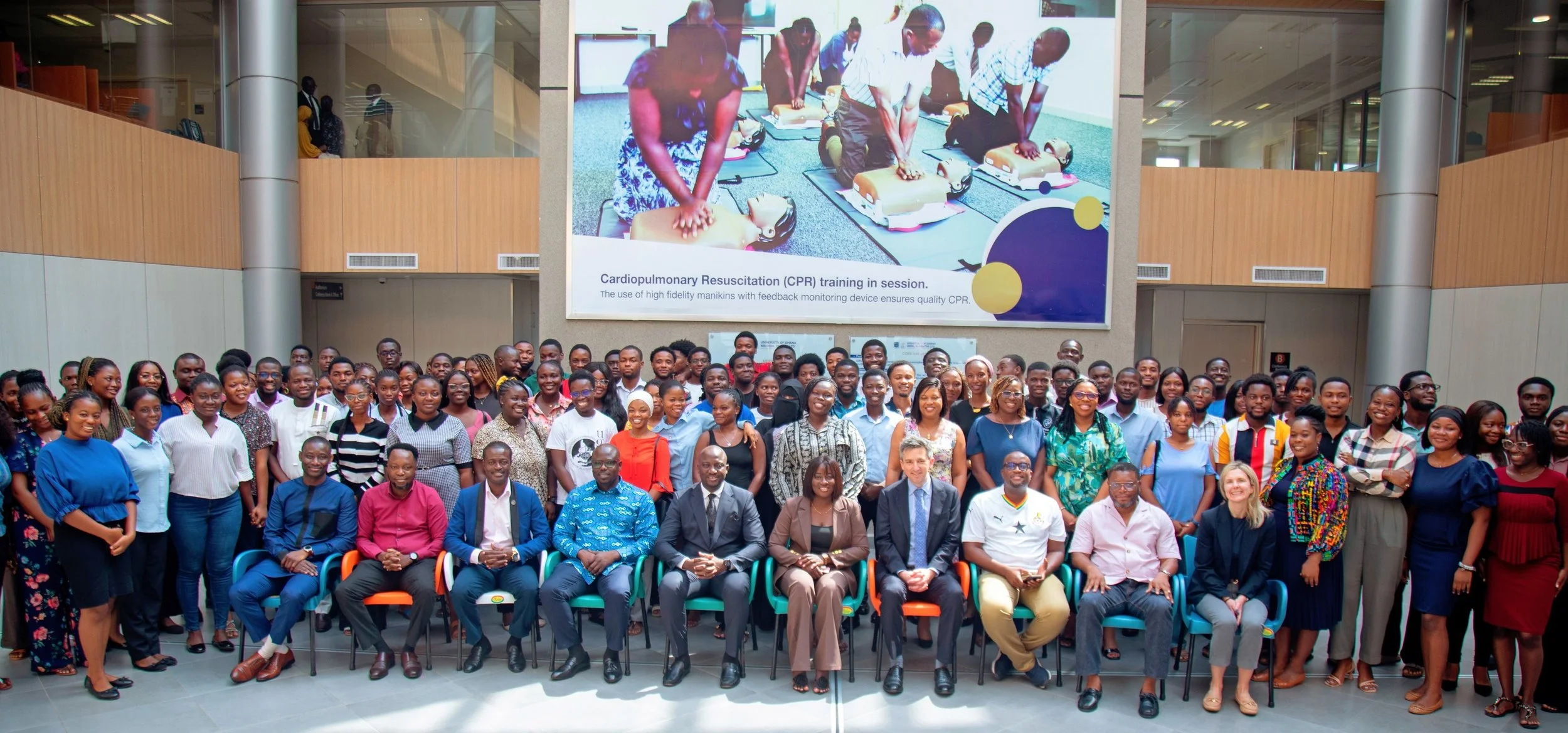
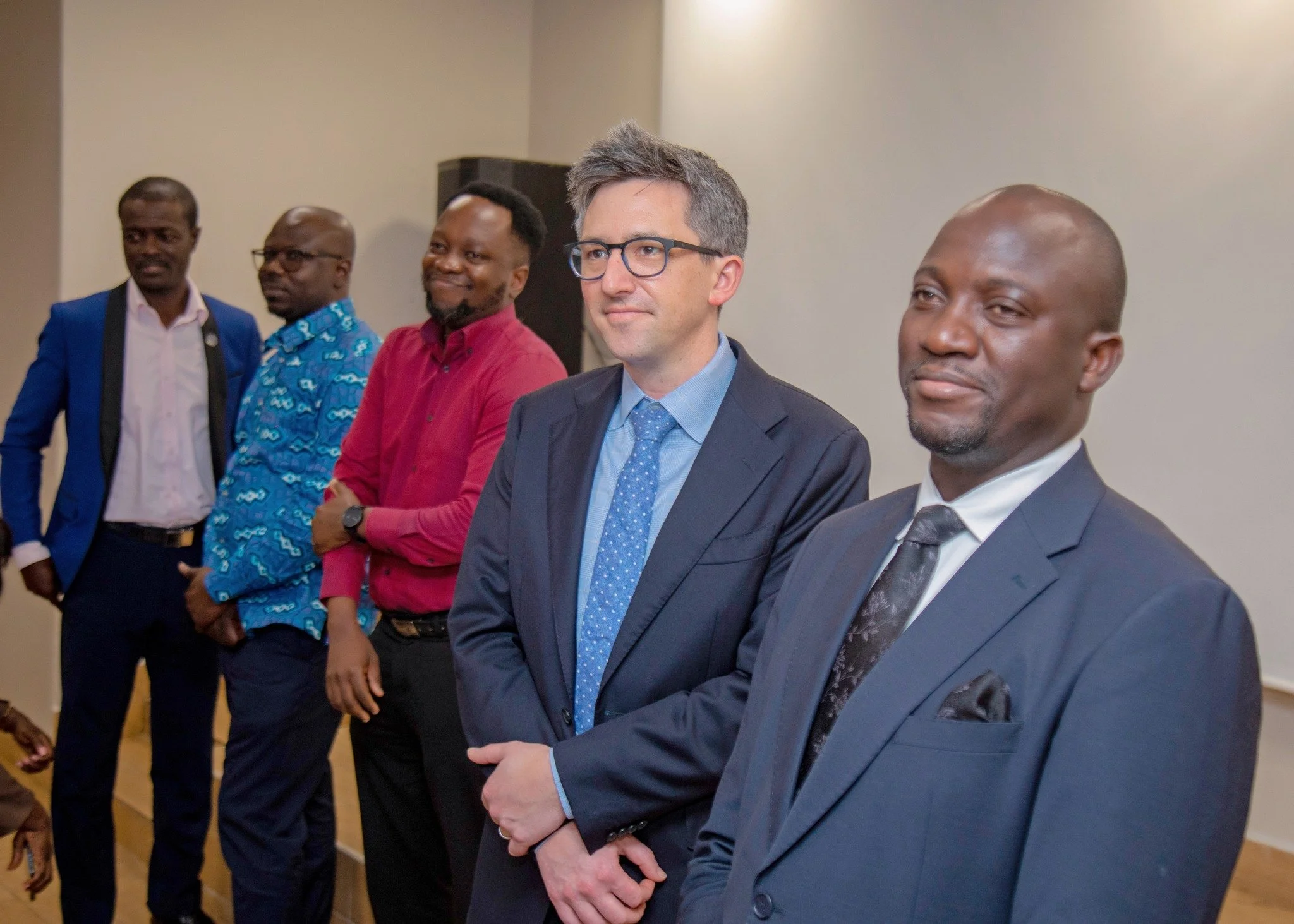
The training session, organised in collaboration with global geoscience data firm TGS, brought together geoscientists, industry professionals, faculty members and students for a technical deep-dive into seismic data processing and interpretation—the analytical backbone of hydrocarbon exploration.
Speaking at the workshop, Acting Deputy Chief Executive of the Commission, Nasir Alfa Mohammed, who represented Acting CEO Emeafa Hardcastle, underscored the centrality of high-quality seismic analysis to strengthening Ghana’s petroleum value chain. According to him, the ability to process and interpret complex subsurface data locally is increasingly indispensable as the industry moves toward more technically demanding exploration targets.
“Seismic data is the backbone of hydrocarbon exploration. It reduces geological uncertainty, enhances investment decision-making, improves drilling success rates, and ultimately protects national resources from avoidable risk,” he noted.
Technical capacity as a strategic lever
For regulators and operators alike, the emphasis on seismic competency reflects a broader shift in Ghana’s upstream strategy: moving beyond resource discovery toward data-driven basin management.
Seismic processing—the computational refinement of raw geophysical signals into interpretable subsurface images—forms the foundation of exploration risk assessment. Without robust processing and interpretation capabilities, even the most advanced surveys can yield limited actionable insight.
The Commission’s decision to foreground training initiatives signals a recognition that human capital, not just geological prospectivity, will shape the next phase of Ghana’s upstream development.
Workshops such as the Legon event are designed not only to sharpen the technical toolkit of practising geoscientists but also to expose students and early-career professionals to real-world exploration workflows, thereby strengthening the local talent pipeline.
Building on recent upstream momentum
The workshop also arrives against the backdrop of renewed collaboration between the Petroleum Commission and TGS aimed at revitalising exploration interest in Ghana’s offshore acreage.
That partnership gained fresh visibility earlier this year when TGS deployed the advanced seismic survey vessel Ramform Hyperion for data acquisition campaigns in Ghanaian waters—part of a broader effort to expand and modernise the country’s seismic dataset.
The resulting high-resolution subsurface data is expected to improve geological understanding of Ghana’s offshore basins and help attract new exploration capital at a time when global upstream investment is becoming increasingly selective.
Within that context, the Legon workshop represents the knowledge-transfer dimension of the same strategy: pairing cutting-edge data acquisition with the local capacity required to interpret it.
Bridging academia and industry
By convening academia, regulators and industry practitioners under one roof, organisers also sought to close the traditional gap between classroom geoscience and operational exploration practice.
Faculty members and students from the University of Ghana engaged directly with industry specialists during the sessions, exploring practical applications of seismic processing techniques and emerging analytical tools.
As exploration targets become deeper, more geologically complex and technologically intensive, regulators believe that sustained collaboration between universities and industry will be essential.
A data-driven future for Ghana’s upstream sector
Ultimately, the emphasis on seismic literacy speaks to a broader structural reality within the petroleum industry: the quality of geological data and the sophistication of its interpretation increasingly determine exploration success.
For Ghana, which has already transitioned from frontier basin to established producer, the competitive edge now lies less in undiscovered resources and more in the ability to unlock insight from existing datasets.
By investing in training platforms such as the TGS–University of Ghana workshop, the Petroleum Commission appears intent on ensuring that Ghana’s geoscientists are equipped to meet that challenge—strengthening the analytical backbone of a sector looking to sustain its relevance in a rapidly evolving global energy landscape.