
The Takoradi Pivot: Pricing the Wind Before the Market Does
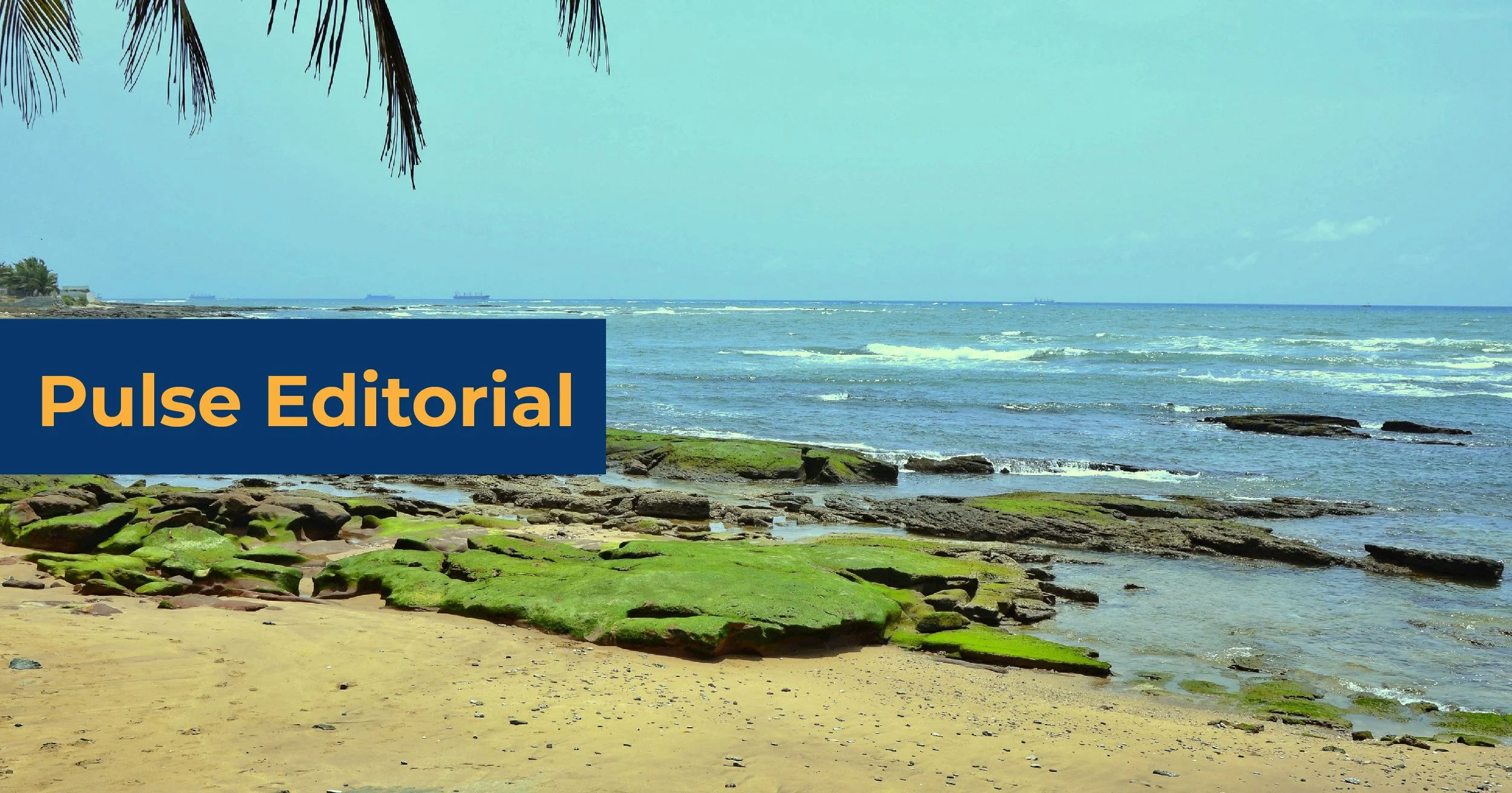
At dawn in Takoradi, the sea looks unchanged. It is not.
It holds an asset Ghana has not priced. Senegal has already begun pricing it.
That exercise did not create a market. It reduced uncertainty.
It did not define auction zones. It did not unlock financing on its own. It clarified the resource.
In parallel, Senegal secured a €2.5 billion Just Energy Transition Partnership to support its wider energy system. Generation. Grid expansion. Access. These are separate tracks. Technical clarity on one side. Policy and finance on the other.
The lesson is readiness.
Countries that reduce uncertainty early position themselves to absorb capital when it arrives.
Ghana sits at that edge. Measured onshore, not offshore. Wind speeds across viable coastal zones range around 6.0 to 6.4 m per second at 100 m height. Power density reaches about 232 W per square meter in parts of the Eastern and Greater Accra regions. Technical generation potential stands at about 82.8 TWh each year. These numbers are credible. They are not yet decision grade.
Ghana lacks a government led offshore wind assessment that converts seabed conditions, wind regimes, and grid proximity into defined development zones. This gap creates a pricing problem.
If offshore blocks are licensed before resource clarity is established, the state negotiates from uncertainty. Developers discount bids to reflect unknowns. Long term value shifts outward.
Mapping first changes that position. It allows Ghana to define high yield zones and structure competitive tenders with stronger pricing power. Clarity raises valuation. It changes perception and price.
The story shifts here. From energy extraction to industrial capability.
Takoradi already carries the base layer. Oil and gas developed offshore capacity. Fabrication yards now exist. Marine services operate. Skilled technical labor is in place. Grid access supports scale.
Offshore wind does not start from zero. It builds on this foundation.
This is a transition from carbon output to kilowatt production.
Engineers move through targeted retraining. Marine crews shift into new roles. Supply chains reconfigure around new demand.
Nothing here happens on its own. Retooling is required. Port upgrades follow. Handling systems change. Specialized vessels enter service. Certification standards tighten.
This is an industrial decision. Not an incremental adjustment. The upside extends beyond Ghana.
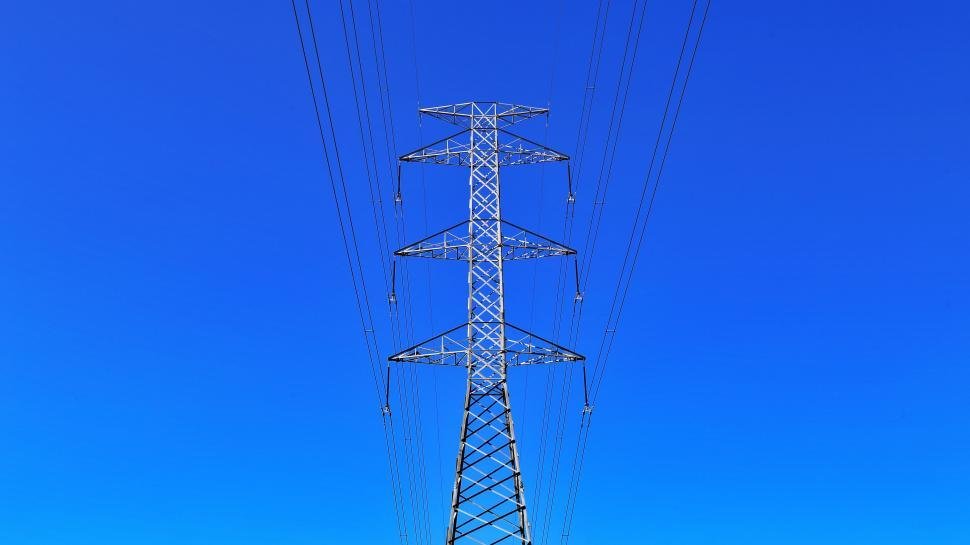
Ghana already exports electricity within the West African Power Pool. Additional renewable capacity strengthens this role. Offshore wind adds stable bulk generation that supports regional grid balance.
This positions Ghana as a supplier of stability. A system anchor in regional energy infrastructure. The offshore space is shared.
Artisanal fisheries employ close to 98 percent of coastal fishers, and their livelihoods face pressure from declining stocks and climate change. This is often described as conflict, but it is better treated as a design risk. In some markets, offshore infrastructure has created reef effects and reduced industrial trawling, with early signs of localized stock recovery, though these outcomes remain unproven in West Africa and require pilot validation. Co location remains a possibility, not an outcome. Success depends on sequence. Engagement must come before allocation. A fisheries energy interface must be in place before leasing begins, with clear early definition of community benefit, including jobs, access, and compensation where required. This builds alignment.
The path forward is not abstract. It is ordered.
First, commission a national offshore wind assessment over an 18 to 36 month horizon to produce decision grade data.
Second, implement marine spatial planning to allocate zones across fisheries, shipping, hydrocarbons, and wind.
Third, update the Renewable Energy Act to include offshore provisions covering seabed rights, licensing, and grid access.
Fourth, design competitive tenders for priority wind zones once data reaches bankable quality.
Fifth, begin phased retooling of Takoradi for offshore wind logistics and services.
Each step builds leverage. Break the order and value leaks. Follow the order and value compounds. Ghana’s Energy Transition Plan defines the long term direction.
The decision window is shorter. The next phase will define whether Ghana shapes this market or enters it later.
At dawn in Takoradi, the wind is not the question. Pricing it
