Fuel Frenzy - OMCs Cut Prices, Consumers Smile
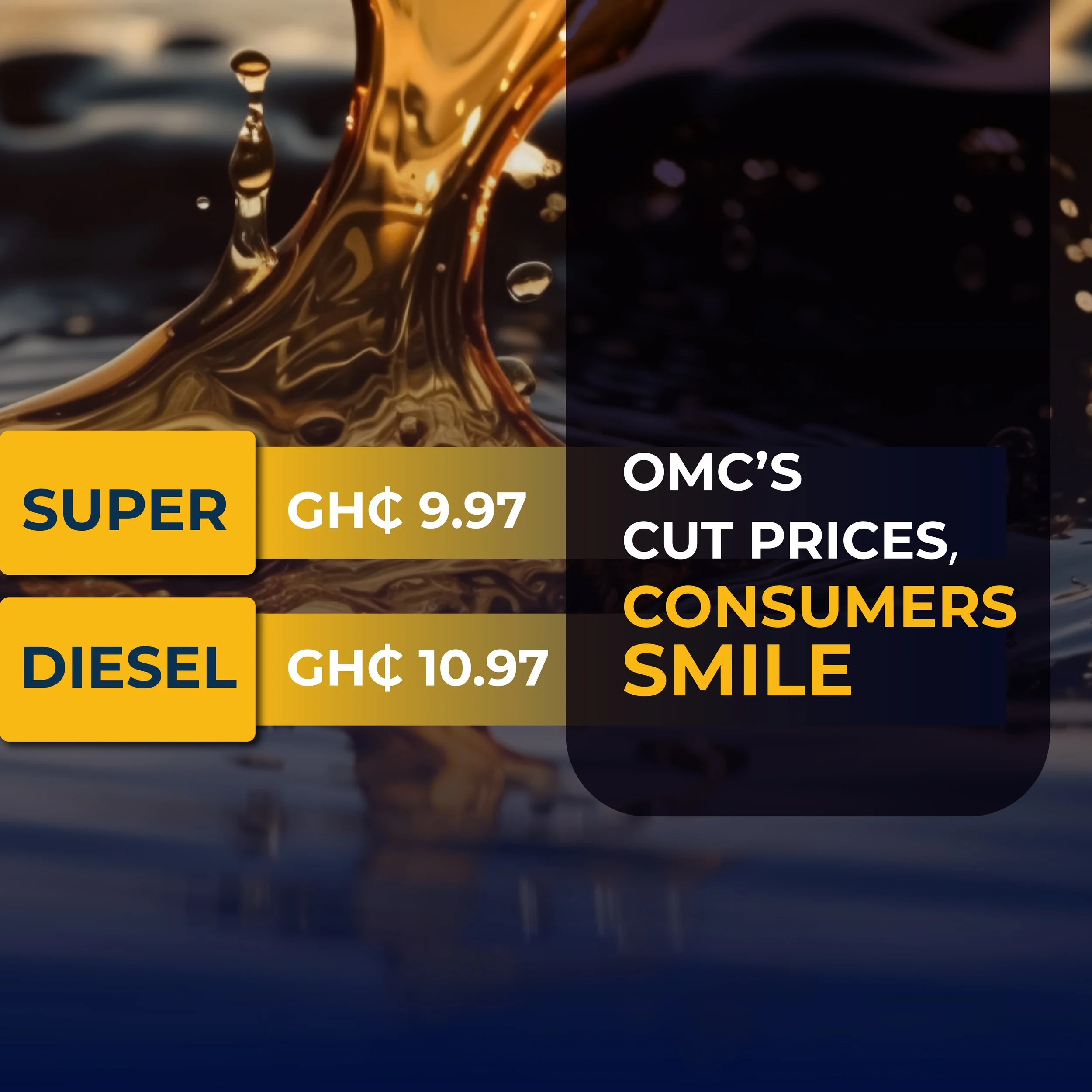
Mid-January saw a full-blown fuel price war between GOIL and Star Oil, intensified when GOIL responded to Star Oil’s discount strategy. Star Oil suspended its COMAC membership on January 21, 2026, citing disputes over the price floor policy. Multiple OMCs broke the GH¢10 barrier: Zen Petroleum at GH¢9.94/litre, JP Oil at GH¢9.89/litre, Star Oil at GH¢9.97/litre across 175 outlets, and GOIL at GH¢9.99/litre at selected stations.
Petrol dropped from GH¢10.99 to GH¢9.99, a 9.1% reduction. Diesel fell from GH¢11.96 to GH¢11.21, a 6.3% reduction. LPG also recorded notable declines, reflecting both global price movements and local competitive pressure. Cedi appreciation played a key role in enabling these cuts. Tema Oil Refinery's restart supplying 40 PPM fuel benefits tier-two OMCs.
Consumers are reported to be seeing some relief at forecourts, though the impact on net household energy costs remains limited given the 9.86% electricity tariff hike effective January 1. Lower fuel prices likely ease transport costs for drivers and small businesses.
Large OMCs relied on storage and scale to defend margins, while smaller independents faced financial strain. Regulatory oversight continued, with COMAC monitoring the market and ensuring compliance without direct intervention.
Fuel markets across Africa had mixed reactions to softer crude this month. Nigeria’s cities saw a price war erupt as independents undercut Dangote by a few naira per litre, mirroring Ghana’s fight, though a 15% import tariff from October swallowed much of that relief. Kenya’s regulated system only allowed modest cuts as its shilling firmed, leaving OMCs no room to battle on price. While Nigeria grappled with FX volatility around N1,400/USD, Kenya’s currency steadied, gaining 3%. Yet neither country could fully capitalise: Kenya has zero refining capacity, Nigeria still imports 73% of its fuel, so pump prices remained high.
Internationally, Brent crude hovered near $64 per barrel, WTI ranged between $59 and $61, and global inventories remained elevated. Sanctions on Iran and Venezuela added localized risk, but surplus supply dominated. LNG markets projected strong growth, particularly in Africa and the Middle East, providing optionality for importers.
Next week, fuel prices in Ghana will likely track further shifts in the Cedi and international product prices. The Star Oil vs. GOIL price war could intensify, putting pressure on smaller OMCs. Consumers may see short-term relief at the pumps, but overall energy costs could remain constrained by electricity tariffs and other utility adjustments. The debate over whether Ghana should scrap the fuel price floor will continue to influence market expectations.
