
Blockade Sans Fin: Trump Hardens Iran Strategy As Talks Collapse And Hormuz Tightens
A war without formal declaration is tightening its grip on the world’s most strategic waterway. As Washington extends an open-ended blockade on Iran following collapsed talks in Islamabad, diplomacy gives way to pressure at sea, in markets, and inside Iran’s strained export lifelines. With Kharg Island nearing capacity, vessels being turned back to Iran in growing numbers, and the Strait of Hormuz flickering between controlled passage and enforced risk, the global oil system is beginning to move to the rhythm of a confrontation that is no longer theoretical, but operational.
Washington DC, USA / Strait of Hormuz | April 29, 2026 - By April 28, the decision was no longer tactical. It was structural.
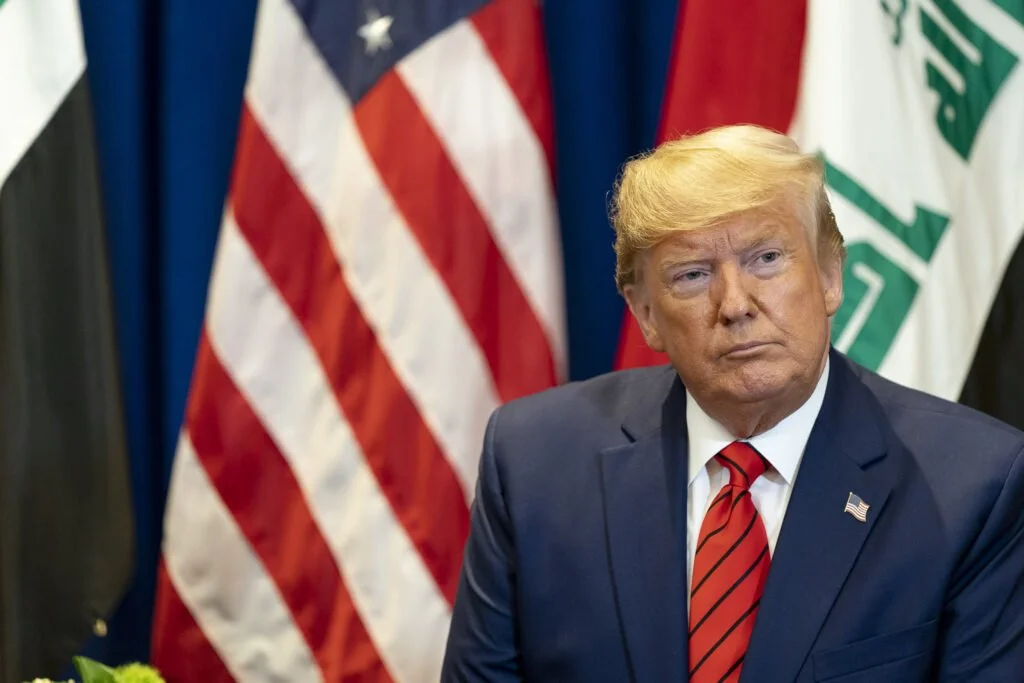
President Donald Trump has opted to extend the United States’ blockade of Iran indefinitely, closing the door on what had already become a faltering diplomatic track. The move followed the quiet collapse of a second round of talks scheduled for April 24–25 in Islamabad, a meeting that never materialized after Iranian officials failed to show.
Washington’s response was swift and unmistakable. Trump canceled the U.S. delegation’s travel plans outright, later framing the decision in blunt terms: the United States would not “waste a lot of time” pursuing negotiations that yielded no movement. The breakdown was not merely procedural. It exposed a widening gulf in expectations, posture, and control.
Iran, for its part, did not remain idle. Instead of engaging the United States, its foreign minister proceeded with meetings in Islamabad with Pakistani leadership before traveling onward to Russia. The message was unmistakable: Tehran was recalibrating its diplomatic axis, not conceding to Washington’s terms.
By April 29, Trump sharpened the tone further, declaring publicly that Iran “can’t get their act together” and warning that the regime “better get smart soon.
Intransigence Meets Maximum Pressure
The collapse of talks did not occur in a vacuum. It followed a clear and uncompromising position articulated by Tehran.
On April 27, Iranian lawmaker Ebrahim Rezaei stated that any negotiations with the United States would be contingent on Washington accepting Iran’s conditions in full. These included recognition of Iran’s right to uranium enrichment, compensation for damages, and acceptance of Iran’s control over the Strait of Hormuz. Tehran, he emphasized, would not retreat from these positions, nor would the Strait return to its previous operational state.
That posture collided directly with Washington’s expanding pressure campaign.
Under Operation Economic Fury, the U.S. Treasury has moved aggressively against Iran’s financial and logistical arteries. Sanctions now extend beyond traditional energy channelsinto shadow banking networks, cryptocurrency pathways, weapons procurement systems, and the independent Chinese “teapot” refineries that continue to process Iranian crude. The effect has been systemic. Iranian revenues have been disrupted at scale, inflation has surged, and the national currency has weakened sharply.
At sea, enforcement has been equally forceful. As of April 28, U.S. Central Command had intercepted and redirected 39 vessels linked to Iranian trade. Each interception reinforces the same reality: the blockade is not symbolic. It is operational, continuous, and tightening.
Kharg Island: The Pressure Point
Behind the diplomatic rupture and military enforcement lies a quieter but more consequential crisis.
It is unfolding at Kharg Island.
Responsible for roughly 90 percent of Iran’s crude exports, the terminal has become the epicenter of a mounting storage emergency. With outbound routes constrained by the blockade, tankers have begun to double as floating storage units. Satellite imagery shows a growing concentration of supertankers idling offshore, unable to discharge cargo.
Onshore, the strain is visible in the skies. Intensified flaring in Khuzestan suggests that Iran is burning off excess production to delay the moment when storage capacity is exhausted. It is a costly improvisation, one that trades immediate relief for long-term damage to infrastructure.
The numbers are unforgiving. Approximately 153 million barrels now remain on water in regional storage zones, while no new Iranian VLCC arrivals to Asia have been recorded since April 24. US Treasury Secretary Scott Bessent estimates suggest that once storage limits are reached, Iran could face losses of roughly $170 million per day, alongside the risk of permanent damage to its oil fields.
The Strait at War
While pressure builds inside Iran’s export system, the Strait of Hormuz has settled into a tense, uneven rhythm.
Transit activity, though reduced, has not ceased. By April 28, 13 crossings were recorded, with outbound movements significantly outweighing inbound traffic. Gulf vessel presence has declined, even as surveillance and enforcement activity remain elevated. “Dark” shipping behavior, vessels operating without AIS signals, persists but is trending downward under sustained monitoring.
Against this backdrop, two developments stand out.
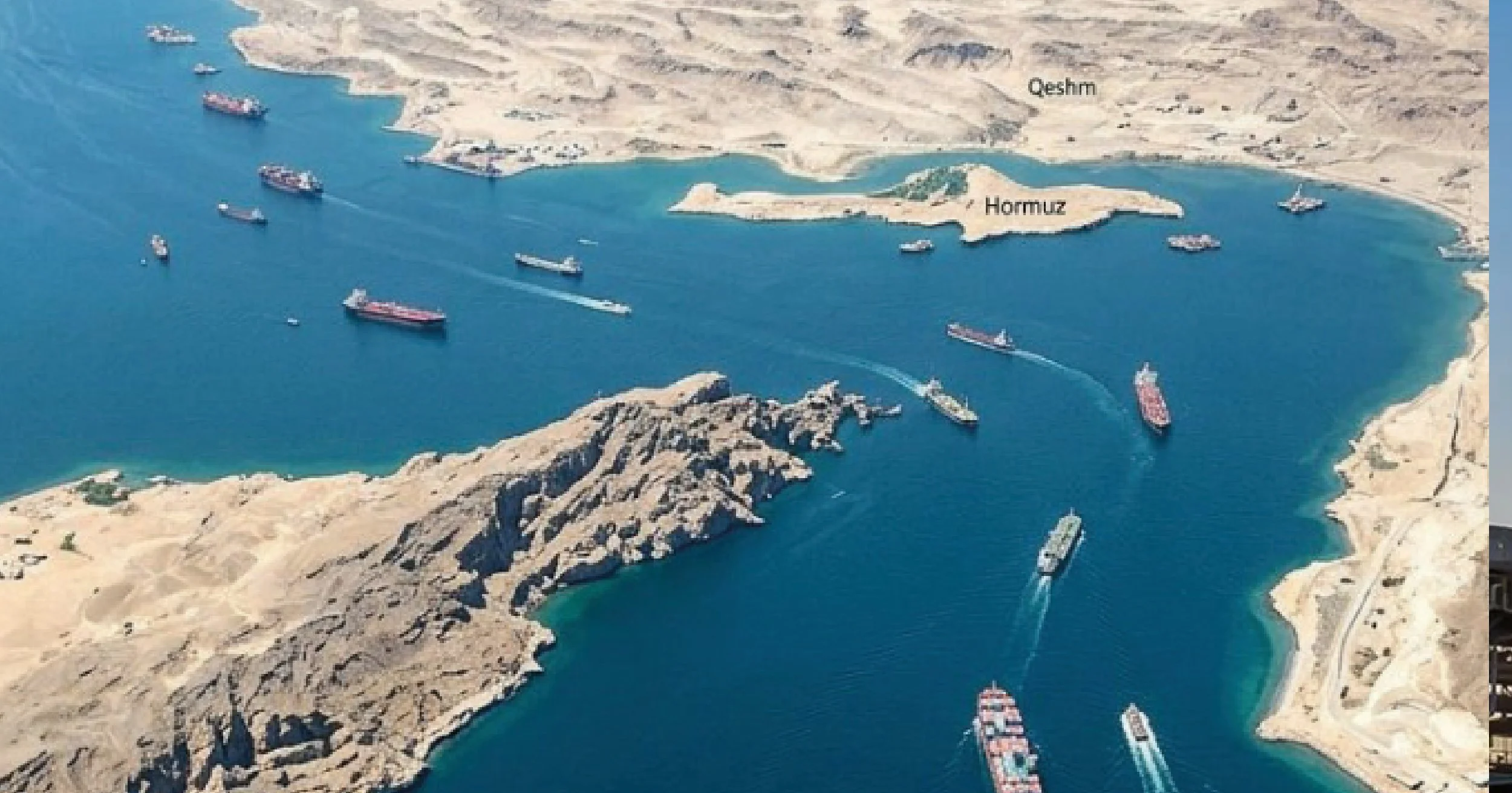
An ADNOC-linked LNG carrier, Mubaraz, appears to have transited the Strait undetected for weeks before re-emerging off the coast of India. Around the same time, the Japanese-owned VLCC Idemitsu Maru completed a passage carrying approximately two million barrels of crude. These movements, alongside unconfirmed reports of up to nine Middle Eastern shipments bound for Japan, suggest that while the Strait is constricted, it is not sealed.
Yet these are exceptions that prove the rule. The broader system remains impaired.
The International Energy Agency has already warned that the conflict could result in the loss of up to 120 billion cubic meters of LNG supply between 2026 and 2030. Its executive director, Faith Birol described the unfolding situation as “the largest supply disruption in the history of the global oil market.”
Leadership in Question
Compounding Iran’s external pressures is a growing sense of internal instability.
Over the same weekend that diplomacy unraveled, signs emerged of a potential leadership rupture. Reports indicating that Mojtaba Khamenei may have been killed gained traction after his image appeared on a mural honoring Iran’s war dead. While unconfirmed, the symbolism has fed into broader narratives of fragmentation within the regime.
Trump himself pointed to “tremendous infighting and confusion within their leadership,” asserting that “nobody knows who is in charge, including them.”
Whether rhetorical or reflective of reality, the perception of disarray carries weight. In a system already under economic and military strain, uncertainty at the top amplifies risk across every layer of decision-making.
A Calculus That Hardens
The extension of the blockade does not introduce a new strategy. It reinforces an existing one.
The United States is applying sustained, multi-domain pressure, financial, maritime, and geopolitical, while withholding diplomatic concessions. Iran, in turn, is holding firm on its strategic demands while seeking alternative alignments and managing an increasingly constrained export system.
Between them sits the Strait of Hormuz, functioning less as a passageway and more as a pressure valve.
The calculus is now fixed. At Kharg Island, storage limits loom. At sea, interceptions continue. In diplomatic corridors, positions have hardened. And with each passing day, the cost of reversal rises.
The blockade was once a tactic. It has become a condition.
And for now, the very-near future for Iran, when it comes to cards to bargain with, looks incredibly weak, with just a few weeks of wiggle room .
