Lands Minister Throws Weight Behind Petroleum Hub as PHDC Prepares for March 4 CSO Engagement
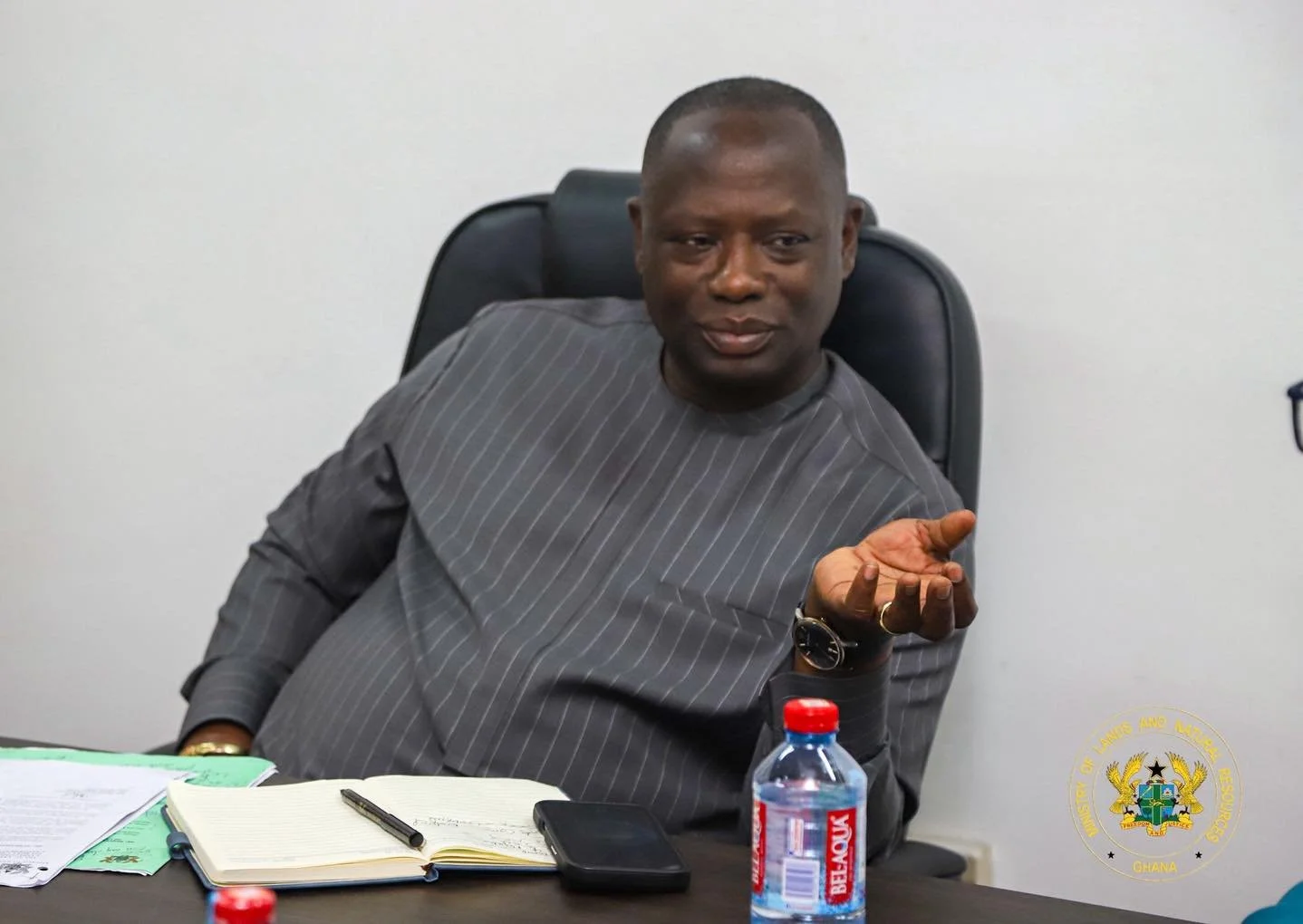
With land acquisition long viewed as the Petroleum Hub’s most fragile fault line, the project this week secured its clearest signal of state backing yet. During a courtesy call by the Petroleum Hub Development Corporation, Lands Minister, Honourable Emmanuel Armah-Kofi Buah declared he now “firmly believes” in the initiative and pledged to accelerate land processes—days before the PHDC convenes a pivotal March 4 engagement with civil society that could shape the project’s social licence as much as its financing trajectory.
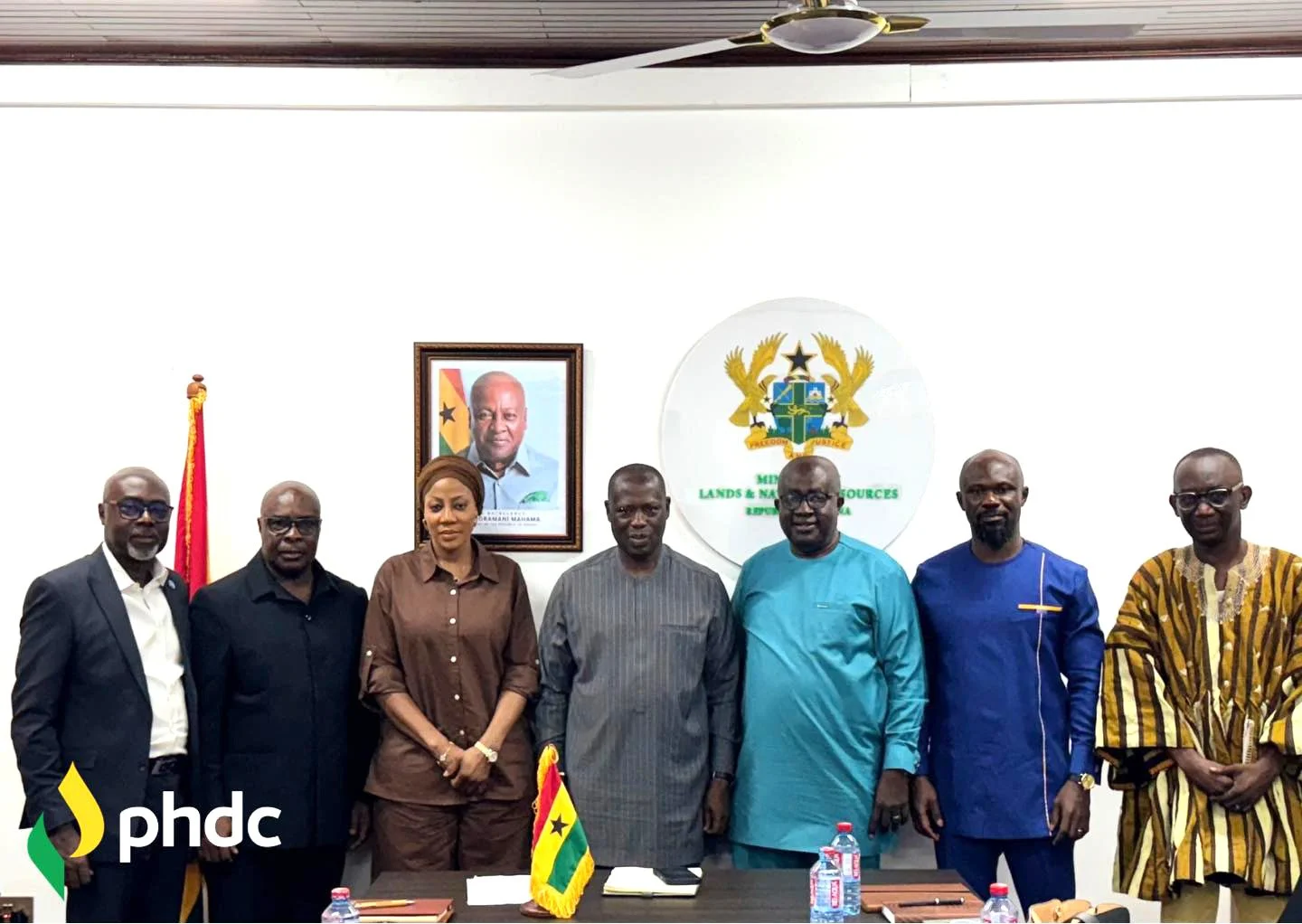
Accra, Ghana | February 27, 2026 - The Petroleum Hub Development Corporation has secured one of its most consequential political endorsements yet. In a courtesy call this week, the Minister for Lands and Natural Resources, Honourable Emmanuel Armah-Kofi Buah, declared that he now “firmly believes” in the Petroleum Hub Project—an affirmation that signals both renewed executive momentum and a decisive shift in the project’s land and compensation narrative.
The endorsement comes days before the Corporation convenes a high-level engagement with leading Civil Society Organisations (CSOs) on March 4—an outreach designed not merely as a listening tour, but as a strategic alignment exercise at a critical phase of implementation.
Taken together, the developments suggest that 2026—declared by the PHDC as its “year of action”—is being operationalised through a coordinated play: consolidate political backing, de-risk land acquisition, court capital, and pre-empt civil society friction.
From Scepticism to Conviction
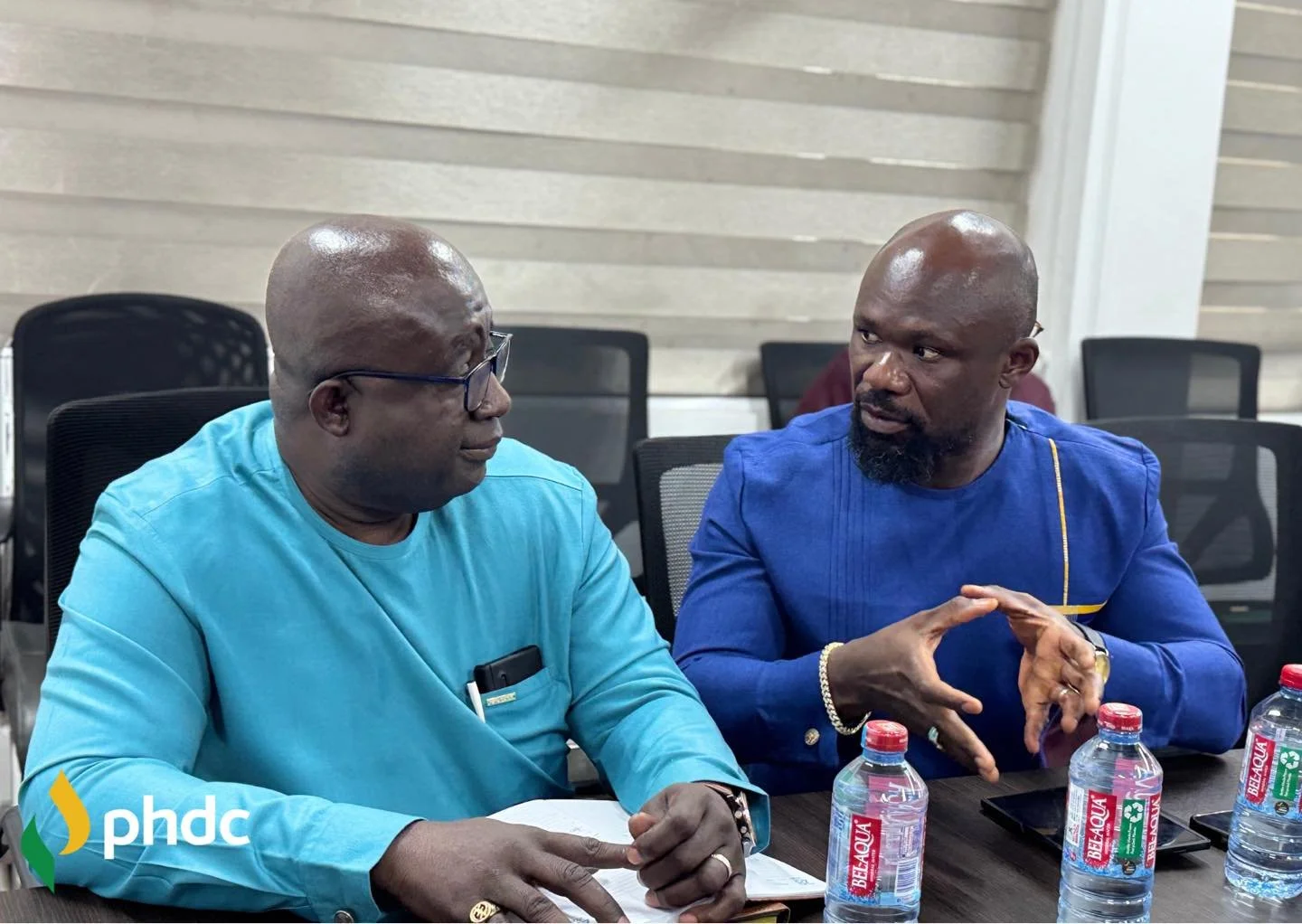
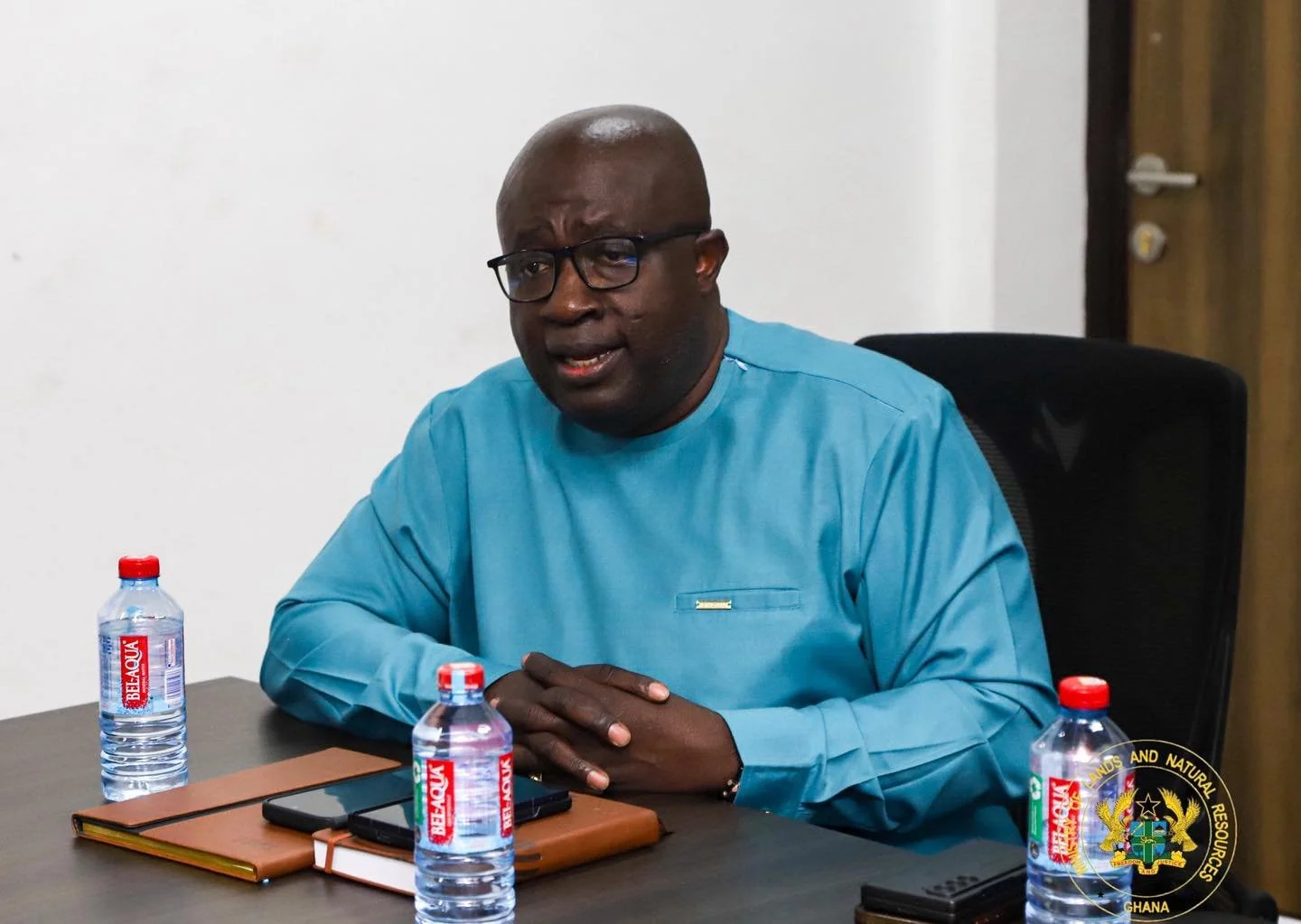
At the centre of the week’s developments was the Minister’s meeting with a PHDC delegation led by Chief Executive Officer Toni Aubynn. The Minister, who also serves as Member of Parliament for Ellembelle, acknowledged that land compensation has long constrained public confidence in the project’s feasibility.
That constraint, he suggested, is now being methodically addressed.
Citing what he described as tangible progress under the PHDC’s current leadership and the broader policy direction of the John Dramani Mahama administration, Mr Buah pledged to deploy “every available resource and influence” to realise the vision of transforming Jomoro into the “Rotterdam of Africa.”
The analogy is deliberate. Rotterdam is home to Europe’s largest port and one of the world’s most sophisticated petrochemical clusters. By invoking it, the Minister framed the Hub not as a domestic infrastructure project, but as a continental logistics and industrial anchor.
More concretely, he committed to engaging the leadership of the Lands Commission to accelerate land processes—historically one of the most delicate and delay-prone components of the initiative. He also pointed to ongoing government investment in roads and enabling infrastructure to prepare the site.
For investors and local stakeholders alike, these assurances are not rhetorical flourishes. They go to the heart of bankability.
Financing Compensation, Securing “Lot One”
Political endorsement alone does not close funding gaps. What gives the Minister’s backing added weight is the parallel institutional architecture forming around “Lot One” — the Petroleum Hub’s anchor phase.
Beyond pursuing forward funding arrangements, the Petroleum Hub Development Corporation has formalised a strategic alliance with the Ghana National Petroleum Corporation (GNPC), positioning the national oil company as a core technical and commercial partner in the Hub’s development.
The PHDC–GNPC collaboration is designed to strengthen project credibility across three pressure points: feedstock security, investor confidence and execution capability. For potential financiers, GNPC’s participation signals institutional continuity and upstream linkage — a critical factor in underwriting refinery and petrochemical infrastructure in a transition-era market.
At the same time, the PHDC leadership under Toni Aubynn continues to pursue forward funding mechanisms to address compensation obligations following land acquisition — an issue long cited as a restraint on project viability. By tackling compensation financing alongside strategic partnerships, the Corporation is attempting to de-risk the Hub simultaneously at the community, state and investor levels.
Whether this framework proves sufficient will depend on execution timelines and the bankability of underlying demand assumptions. The emerging architecture, however, suggests the Petroleum Hub is no longer advancing as a standalone industrial ambition; it is being embedded within Ghana’s broader hydrocarbon governance ecosystem.
That calculus also explains the Corporation’s diplomatic choreography beyond Accra. In recent weeks, the PHDC deepened engagement with Western Nzema traditional authorities, reinforcing social licence in the project’s host communities. In parallel, it has courted foreign capital, including an Egyptian-backed consortium exploring the establishment of a fibre composite LPG cylinder manufacturing plant—an industrial adjunct that signals intent to anchor value addition, not merely storage and transit.
The message is clear: this is not an MOU-driven spectacle; it is an ecosystem play.
March 4: The Civil Society Test
If ministerial endorsement shores up political capital, the March 4 CSO engagement will test social capital.
The PHDC has characterised the session as a landmark moment in its stakeholder strategy. The meeting will offer detailed briefings on the project’s rationale, scope and economic impact, while directly confronting contentious issues: land requirements, feedstock supply security, and the relevance of large-scale petroleum infrastructure in an era defined by energy transition commitments.
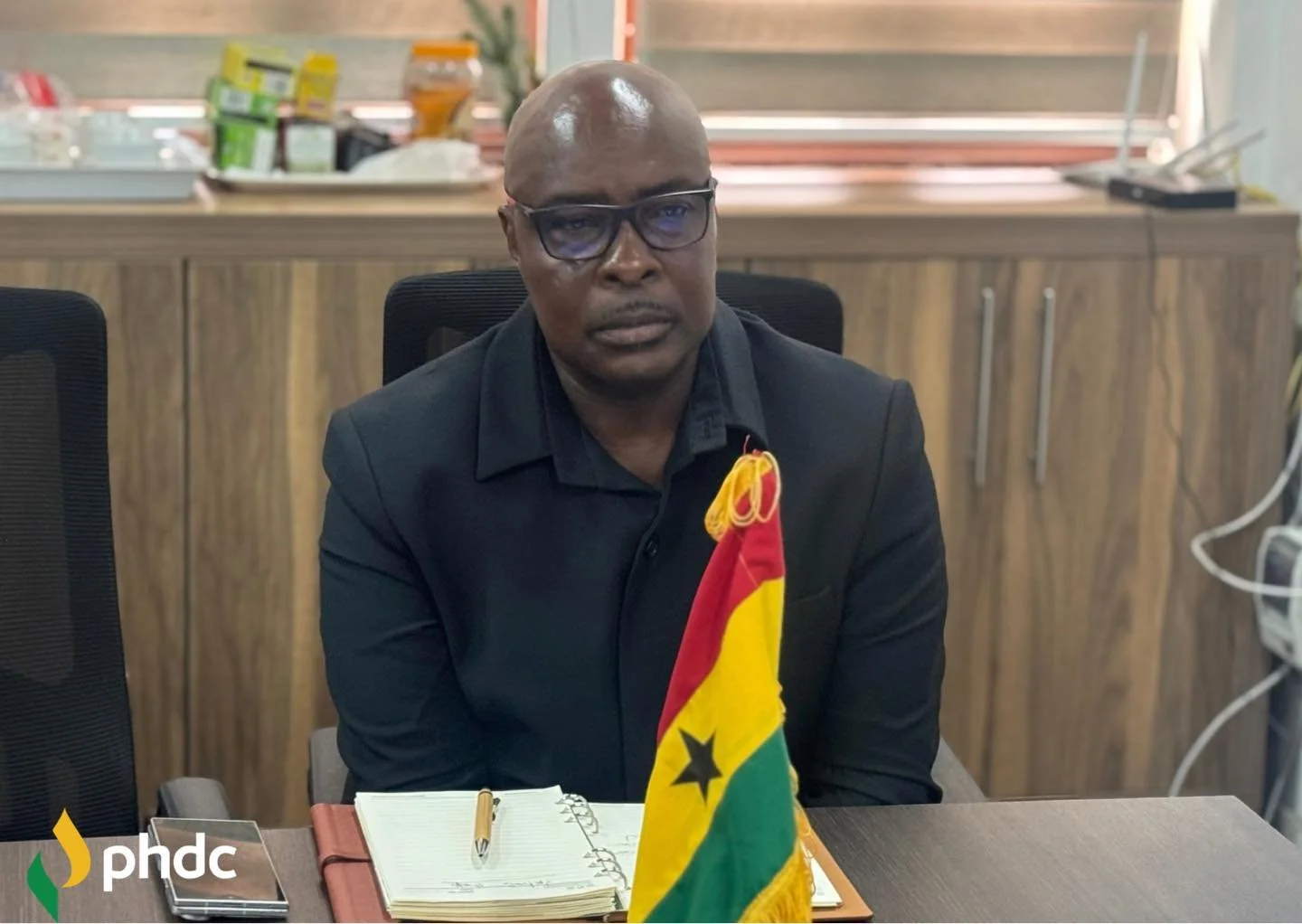
Dr Aubynn has been candid about the stakes. Proceeding without shared understanding, he warned in a public broadcast, risks generating opposition that could “distort or undermine” implementation.
The subtext is pragmatic rather than defensive. In global infrastructure development, organised civil society can function either as friction or as risk insurance.
By seeking to “align thinking,” the PHDC appears intent on avoiding the adversarial dynamics that have dogged comparable mega-projects elsewhere.
The Year of Action—Or the Year of Proof?
The strategic sequencing—traditional authorities, foreign capital, ministerial endorsement, CSO engagement—reflects a Corporation attempting to convert vision into execution.
But the burden of proof remains high.
Land acquisition timelines must match political assurances. Compensation financing must move from concept to disbursement. Feedstock strategies must withstand transition-era economics. And job creation claims will require granular modelling to survive investor and civil society interrogation.
What this week’s developments demonstrate, however, is that the Petroleum Hub is no longer advancing in isolation. It now carries explicit ministerial backing, an accelerated land agenda, and a declared openness to scrutiny.
In Ghana’s hydrocarbon sector—where ambition often outpaces implementation—that alignment is not trivial.
The coming months will determine whether 2026 becomes the year the Petroleum Hub decisively shifts from aspiration to construction, or whether endorsement must again yield to execution risk.
One thing, however, is undeniably clear: momentum is on the side of the Petroleum Hub Development Corporation.
