Ghana Gas Deepens CSR Footprint with Targeted Digital Access Drive
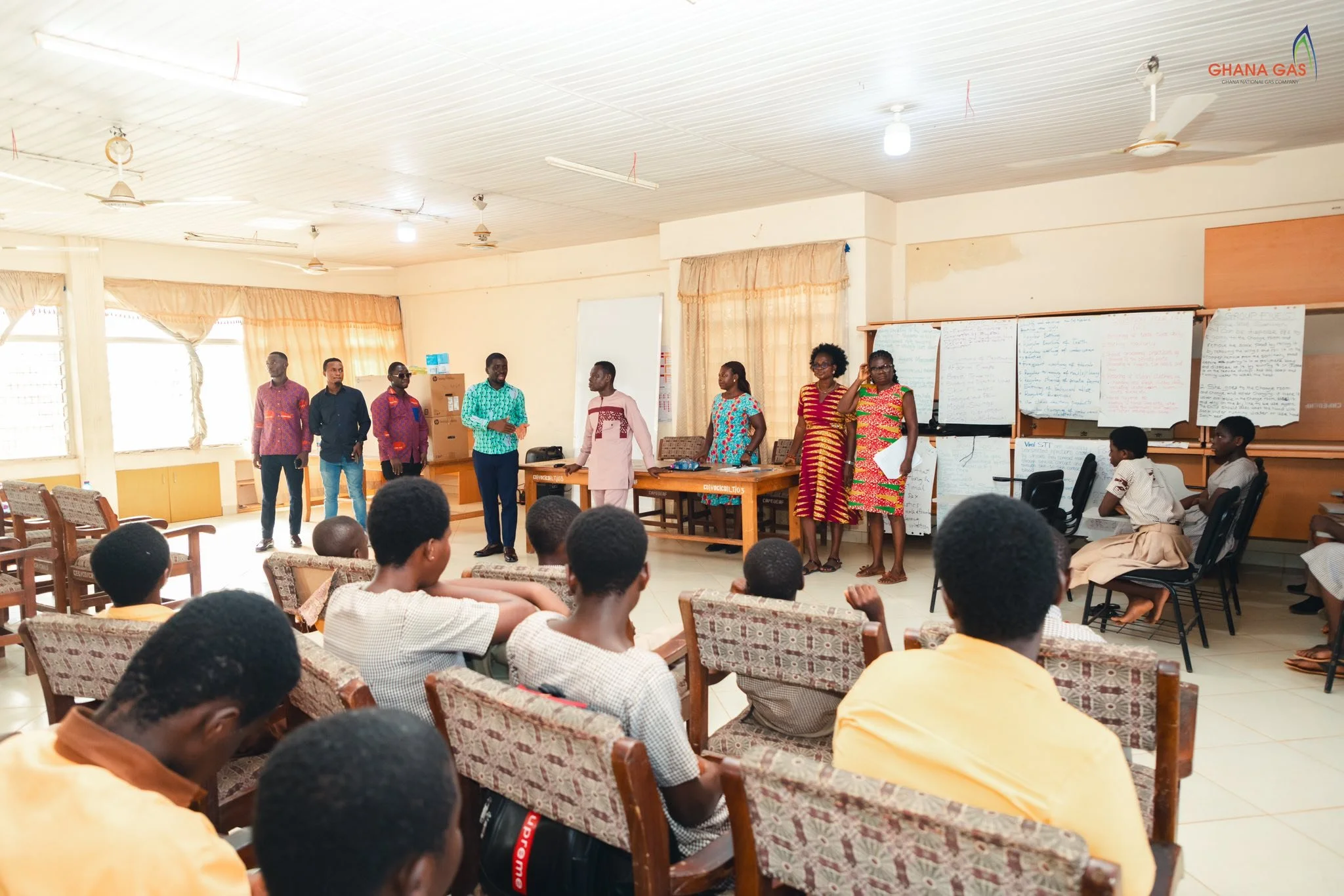
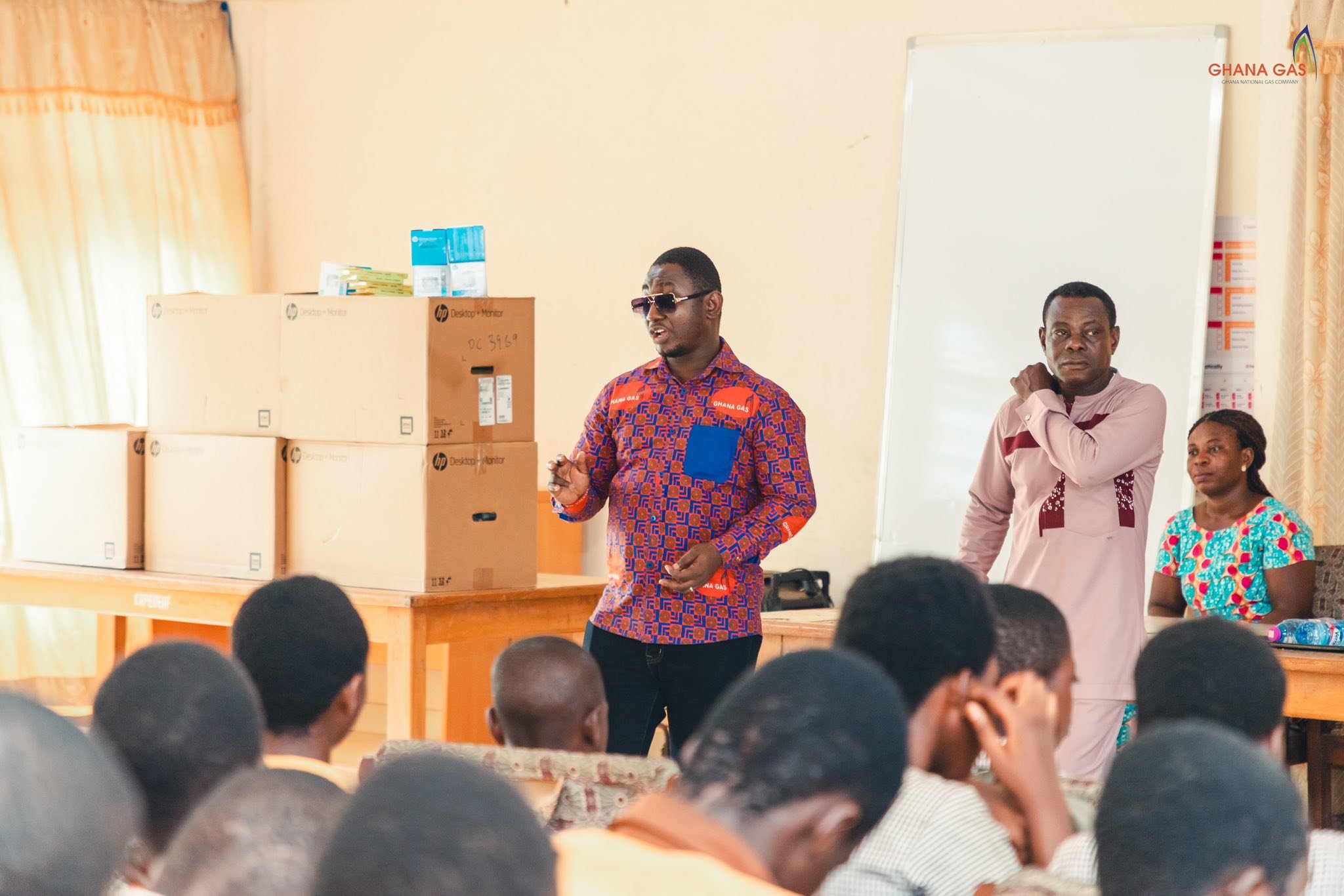
Ghana Gas has extended its corporate social responsibility efforts with a donation of 20 desktop computers to three institutions in the Central and Western Regions, targeting improved access to digital learning. The intervention—spanning tertiary, secondary, and specialised basic education—places particular emphasis on supporting students with visual impairments while contributing to broader ICT access within beneficiary schools.
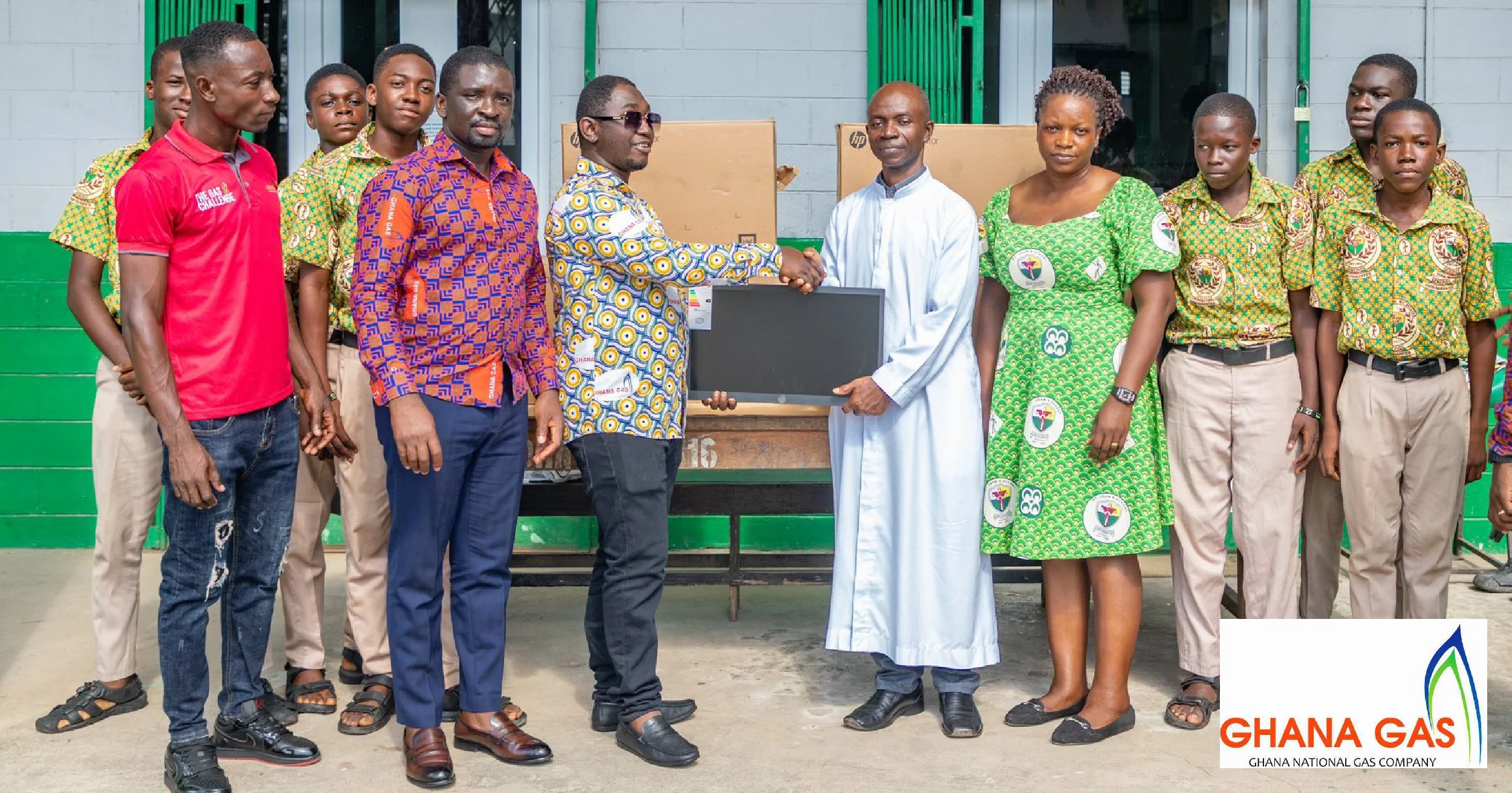
Cape Coast, Central Region, Ghana | March 30, 2026 - Ghana National Gas Limited Company (Ghana Gas) is sharpening the developmental edge of its corporate social responsibility (CSR) strategy, with a fresh round of targeted interventions aimed at closing digital access gaps in underserved learning environments. Its latest move—donating 20 desktop computers to three institutions across the Central and Western Regions—signals a deliberate pivot toward inclusive, technology-enabled education.
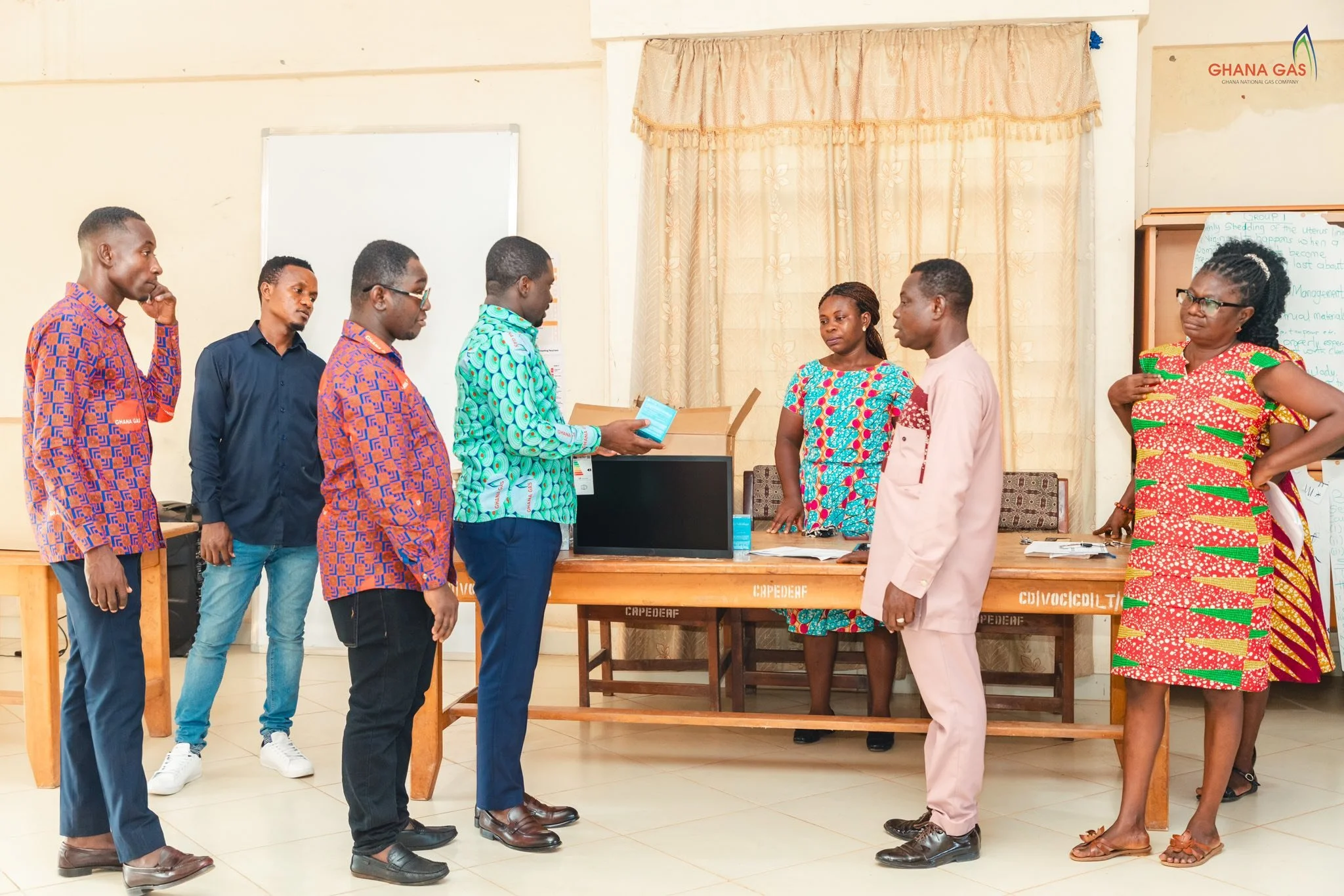
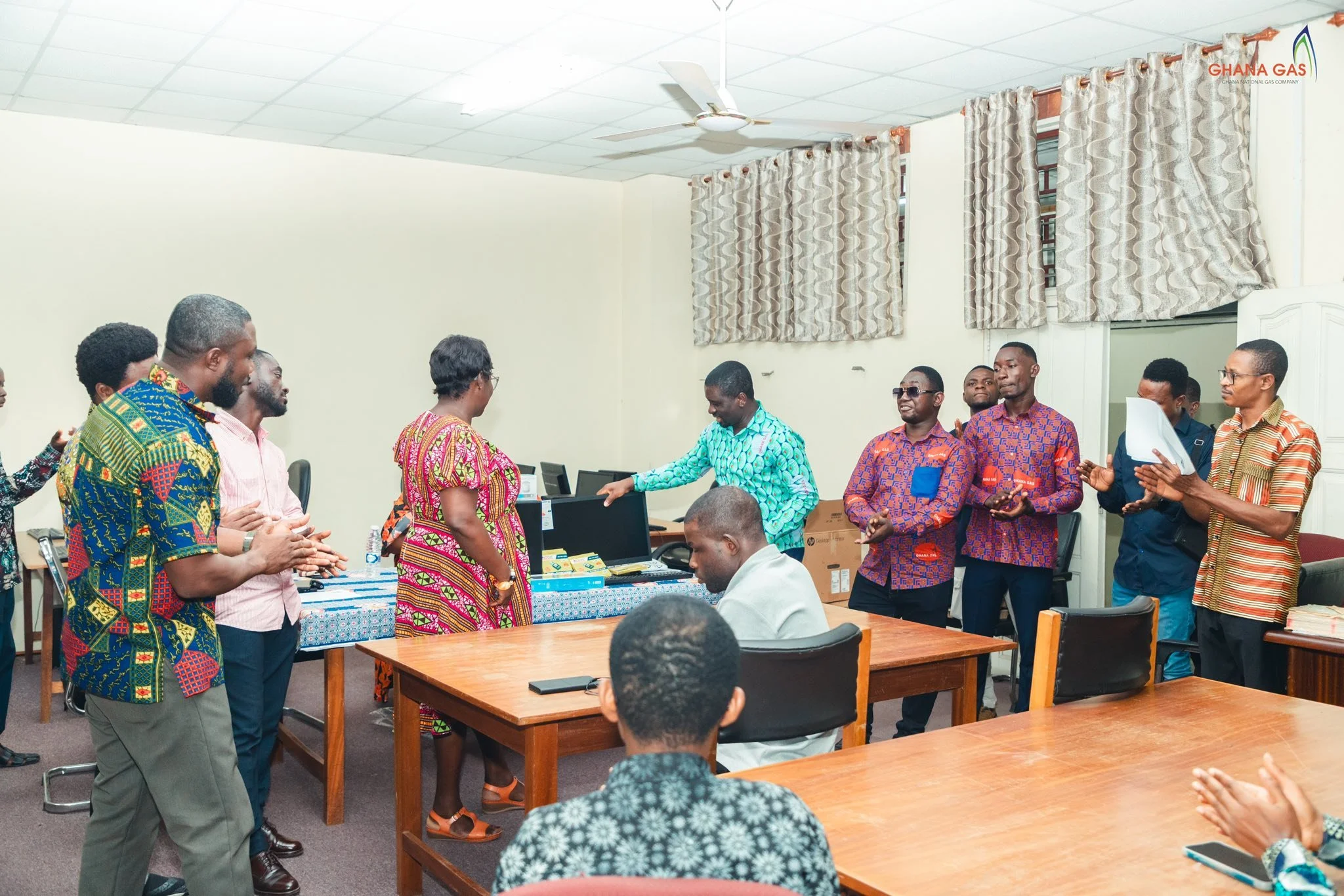
The distribution was calibrated rather than symbolic. Ten desktop computers were allocated to the University of Cape Coast (UCC), while St. John’s Senior High School in Takoradi received five units. Another five computers—accompanied by speakers and pen drives—were delivered to the Cape Coast Basic School for the Blind and Deaf, anchoring the initiative’s inclusion mandate.
At the operational level, Ghana Gas is positioning these interventions as infrastructure for capability, not charity. Speaking on behalf of the company, Disability Liaison Officer Isaac Ansah underscored the functional impact of the equipment: “These computers have become vital learning tools, enabling students with visual impairments and other disabilities to access digital resources, complete academic work independently, and develop essential technological skills.” The feedback loop from beneficiary institutions, he added, points to measurable gains in student engagement, autonomy, and institutional inclusivity.
At UCC, the reception framed the intervention within a broader pedagogical shift. Representing the Vice-Chancellor, Associate Professor of Special and Inclusive Education, Professor Irene Vanderpuye, emphasised the centrality of digital literacy in modern academic ecosystems. “ICT is key in every academic programme students undertake. In today’s world, it is especially important for students with disabilities, particularly those with visual impairments, to acquire computer skills,” she noted—effectively situating the donation within a structural rather than supplementary need.
From episodic giving to structured engagement
This intervention did not emerge in isolation. It sits within a widening arc of stakeholder-facing initiatives that Ghana Gas has rolled out over recent months, suggesting a more systematised CSR and public engagement framework.
In the Western Region, the company’s leadership has intensified direct engagement with host communities and institutional stakeholders, seeking to recalibrate relationships around transparency and shared value. Parallel to this, Ghana Gas opened its Atuabo Gas Processing Plant to Civil Society Organisations (CSOs), a move that introduces a layer of operational visibility rarely extended in Ghana’s midstream gas sector. These engagements, particularly those exposing internal operations to external scrutiny, indicate a strategic shift from transactional outreach to trust-building mechanisms.
The chronology matters. Earlier stakeholder engagements established the relational groundwork—creating channels for dialogue and feedback. The subsequent opening of operational facilities to CSOs signalled a willingness to subject core activities to public interrogation. Against this backdrop, the current CSR rollout—focused on inclusive digital infrastructure—reads less as an isolated philanthropic gesture and more as a continuation of a broader institutional repositioning.
Scaling impact, not optics
Since launching its nationwide computer donation initiative, Ghana Gas reports that it has distributed over 150 desktop computers to institutions spanning primary, secondary, and tertiary levels. The scale is modest relative to national deficits in educational ICT infrastructure, but the targeting—particularly toward students with disabilities—introduces a layer of impact efficiency often missing in broad-based CSR deployments.
What emerges is a company attempting to reconcile its industrial footprint with a more deliberate social contract: one that blends infrastructure investment, stakeholder engagement, and inclusion-focused interventions.
For now, the signal is clear. Ghana Gas is not just expanding pipelines and processing capacity; it is incrementally extending its influence into the socio-educational fabric of its host regions—one computer lab at a time.
