
Sixth Akosombo Unit Back on Stream as Power Sector Balances Pressure, Restoration, And Grid Stability
In Numbers:
● 288 MW Shortfall: The projected supply gap during the April 29 peak period, reflecting the strain of outages and constrained hydro dispatch.
● 6 Akosombo Units: The number of hydro units currently in operation. Five were in operation as at the time of initial publishing.
● 190 mmscfd: Peak-period gas consumption in Tema alone, underscoring the thermal system’s central role in grid stability.
● 468 mmscfd Total Gas Flow: Combined supply from GNGC (98), ENI (284), and N-Gas (86), forming the backbone of generation.
● No Load Shedding: Despite constraints, the system remains stable with no outages required during peak hours.
NB: As at Friday, May 1, 2026, the Ministry of Energy and Green Transition confirmed the coming on stream of the sixth unit at Akosombo. Minus that detail, the information related in this intel piece are relevant as it relates to the state of the system as at April 30, 2026.
System Stability Despite Strain
Ghana’s power system is holding steady through today’s peak period, absorbing a projected 288 MW shortfall without resorting to load shedding. It is a controlled performance, almost orchestral in its precision, where every megawatt is being redirected, substituted, or deferred to keep the lights on. Beneath that composure, however, the grid is contending with real structural constraints, most notably within the Akosombo enclave, where switchyard limitations and unit unavailability continue to shape how much hydro power can be safely dispatched.
Akosombo Switchyard: A Race Against Time
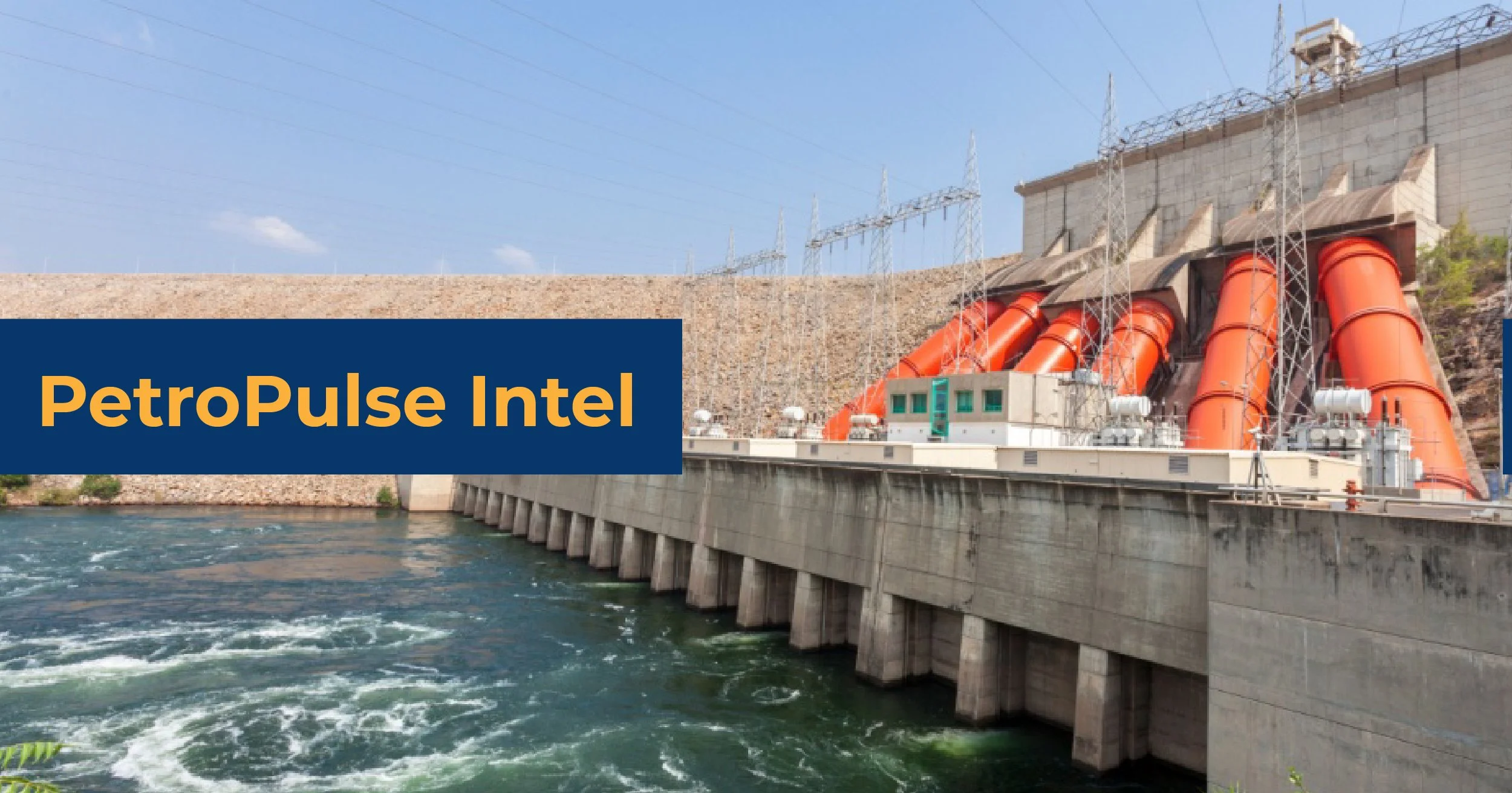
At Akosombo, five generating units are already back in service, with the fifth coming on stream this afternoon. Thisreflects the rapid recovery efforts following last weekend’s fire incident that temporarily disrupted operations at the switchyard. This swift restoration underscores the coordinated response by government and sector operators to stabilise hydro output within a short recovery window. The Minister’s earlier assurance that the remaining units would be returned to service expeditiously continues to guide ongoing work, with restoration activities progressing in phases.
Even so, two units remain unavailable, and the switchyard situation still introduces a layer of operational caution that limits how aggressively the station can be dispatched during peak demand. As a result, while Akosombo is steadily regaining strength, it is not yet operating at full flexibility. Bui continues to provide supplementary support with three units online, but the system’s balancing burden is still leaning more heavily toward thermal generation as hydro recovery proceeds.
Thermal Backbone And Fuel Switching
That thermal backbone is being sustained by relatively strong gas flows. Supply from the Ghana National Gas Company stands at 98 million standard cubic feet per day, ENI is delivering 284, N-Gas is contributing 86, and reverse flow is adding another 88. In Tema alone, gas consumption will reach 190 million standard cubic feet during peak hours, feeding major plants such as Asogli, TT1PP, Cenpower, Bridge Power, and Cenit. In the western corridor, generation is being carried by a dense cluster that includes TAPCO, TICO, Twin City, Karpower, ATPS, AKSA Anwomaso, and Genser. Together, they form the spine of the grid at a moment when hydro flexibility is constrained.
Even so, gas is not carrying the system alone. Some plants are switching to liquid fuels to close the remaining gap, with Asogli generating on light crude oil, Kpone Thermal Power Plant running on diesel fuel oil, and AKSA deploying heavy fuel oil capacity. It is an expensive fallback, but one that ensures continuity in supply.
Outages, Export Cuts And Grid Balancing
The system is not operating at full strength. Several units across the fleet remain offline, including two at Akosombo, units at TICO and TAPCO, a unit at Asogli, one at Kpone, and multiple units at AKSA. These outages, layered on top of the Akosombo switchyard constraint, explain the emergence of the 288 MW deficit.
What is striking, however, is how that deficit is being managed. Rather than pass the strain on to domestic consumers, grid operators are redirecting it outward by cutting electricity exports. Power exports to SONABEL, which is Burkina Faso’s state-owned electricity utility responsible for national distribution, have been reduced from 150 MW to zero. Exports to CIE, the Compagnie Ivoirienne d’Électricité that manages power distribution in Côte d’Ivoire, have also been cut from 89 MW to zero, with a corresponding curtailment of generation from Genser to support that adjustment. Exports to CEB, the Communauté Électrique du Bénin which jointly serves Benin and Togo, remain unchanged, indicating a prioritization framework within regional supply obligations.
Additional relief is being provided domestically by VALCO, which is contributing 50 MW back into the grid during peak hours, helping to soften the edge of the deficit.
The result is a system that, while undeniably strained, remains intact. No load shedding is required, and consumers are insulated from the underlying tension. Yet the picture is clear: Ghana’s grid is currently being held together by a careful blend of export sacrifice, fuel flexibility, and disciplined dispatch, all while the Akosombo switchyard situation receives urgent attention from the authorities.
