Ghana’s Energy Balancing Act: Relief Today, Risk Tomorrow
Ghana’s energy system moved through a week shaped by global oil swings and domestic fiscal response. Brent crude moved within a volatile range. It eased on temporary geopolitical relief, then climbed back toward 96 to 98 dollars per barrel as supply risk returned. The pattern stays consistent. Import dependent economies face short windows of relief followed by renewed pressure.
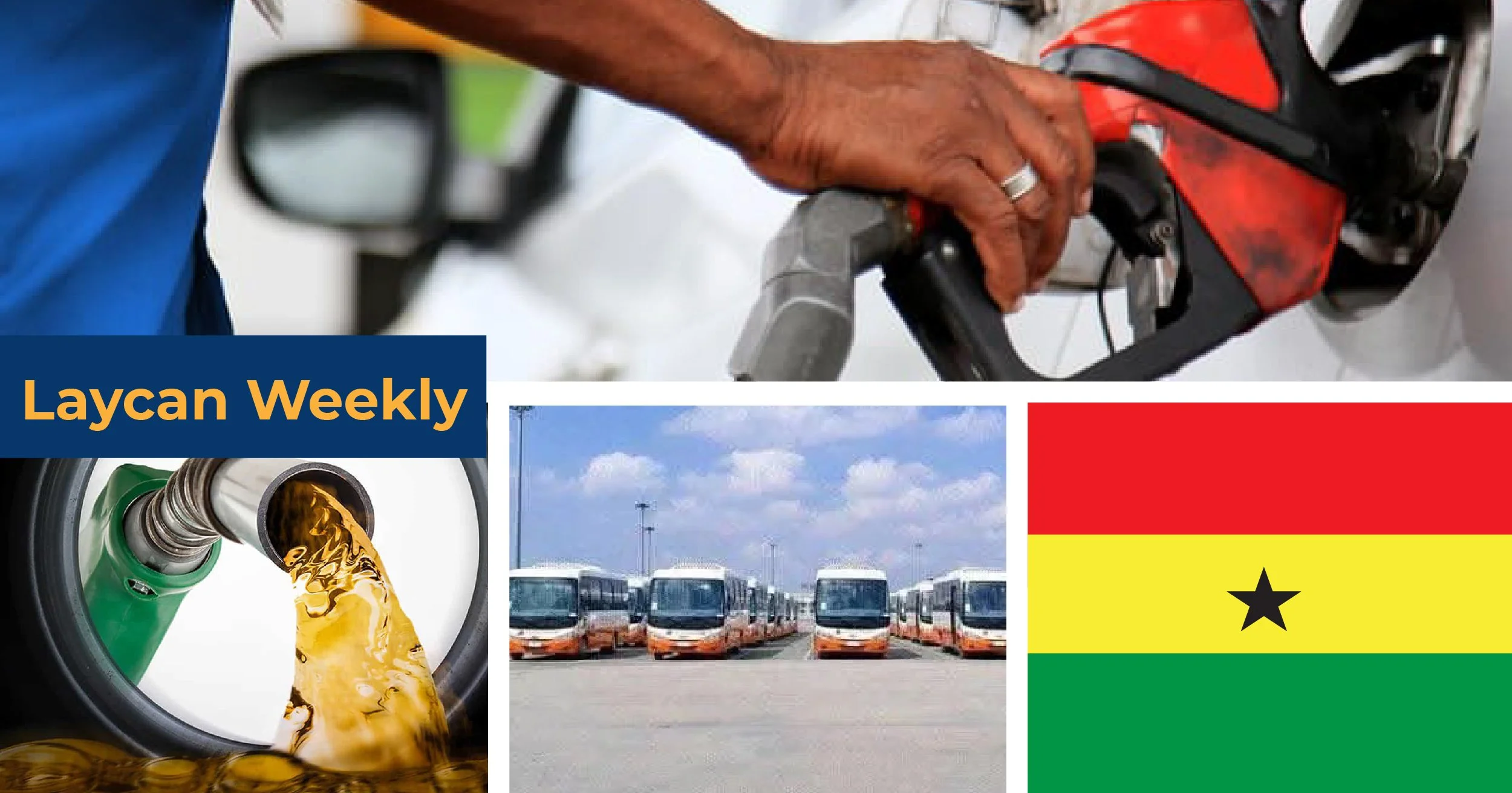
Domestic policy focused on absorption. Government suspended selected fuel taxes for four weeks from April 16 after an emergency cabinet response to Middle East tensions. The measure slows the pass through of global prices into domestic fuel costs. It transfers pressure onto public finances.
Additional actions followed. Ministerial fuel allowances were removed. Metro Mass Transit expanded with 100 buses and reduced fares. The objective is direct. Shift part of transport demand away from private fuel use and ease visible price pressure in the short term.
The trade off is clear. If crude holds above 95 dollars per barrel, fiscal exposure rises. Short term relief narrows fiscal space.
The structural position remains tight. Petroleum revenue fell to 770.3 million dollars in 2025, a 43.27 percent decline from 2024. This marks six consecutive years of contraction, according to PIAC. The driver is production decline. This marks six consecutive years of contraction, according to PIAC. The driver is production decline. This trend strengthens the case for accelerated national implementation of green energy as a structural response to shrinking upstream output and rising import dependence.
Governance pressure adds weight to the system. PIAC reported over 561 million dollars linked to GNPC subsidiary Explorco as unaccounted for between 2022 and 2024. The issue extends beyond accounting. It affects confidence in revenue management and investment decisions. Capital flows respond to both resources and institutional credibility.
Regulatory signals moved in parallel. Electricity tariffs were reduced by 4.81 percent for Q2 2026. A commercial electric vehicle charging tariff was introduced by the Public Utilities Regulatory Commission. The direction supports demand and transition goals. The underlying cost base remains exposed to imported fuels and exchange rate movement. A gap persists between tariffs and system costs.
Infrastructure work focused on efficiency. The Electricity Company of Ghana began transformer upgrades in Accra to reduce technical losses and improve voltage stability. The aim is improved output from existing capacity rather than new generation. Gains will emerge through reduced losses and stronger distribution performance.
Global oil conditions continue to set the frame. Brief easing in geopolitical tension pulled prices lower. Renewed escalation pushed them higher again. Spare capacity remains limited. Supply risk stays embedded in pricing.
For Ghana this creates persistent import cost volatility. Exchange rate movement amplifies the effect. The system reacts faster than it adjusts.
The structure shows a clear pattern. Fiscal policy absorbs shocks through tax relief and targeted measures. Upstream production continues to decline. Governance uncertainty adds friction. External markets determine price direction. The system balances affordability against fiscal capacity and institutional strength.
Near term pricing will reflect the tax suspension from mid April. The speed of adjustment into retail fuel prices will shape inflation trends. In the power sector, payment discipline remains central. Any weakening reintroduces arrears pressure.
The investment picture remains uneven. Short term risk sits in a mixed range. Upstream exposure rises with declining output and governance concerns. Utilities and regulated infrastructure remain more stable due to tariff oversight and predictable demand. Currency stability and cost recovery discipline remain decisive variables.
Policy space is tightening. Short term relief reduces immediate pressure on households. It increases fiscal strain. Long term stability depends on reversing production decline, improving revenue governance, and aligning tariffs with real system costs.
Households experience gradual fuel price relief and modest tariff adjustments. Both remain tied to global oil cycles and exchange rate movement. External forces continue to dominate the domestic energy equation.
