
Mozambique Advances Mphanda Nkuwa Hydropower Project as Financing Framework Tightens
Mozambique’s long-anticipated Mphanda Nkuwa hydropower project is edging closer to reality, as the African Development Bank Group moves to de-risk the $4.5 billion project and unlock private capital. With financing structures tightening and regional export ambitions in focus, the project is shaping up as a decisive test of whether large-scale, renewable baseload infrastructure can finally cross the bankability threshold in Southern Africa—without sidestepping mounting environmental and social concerns.
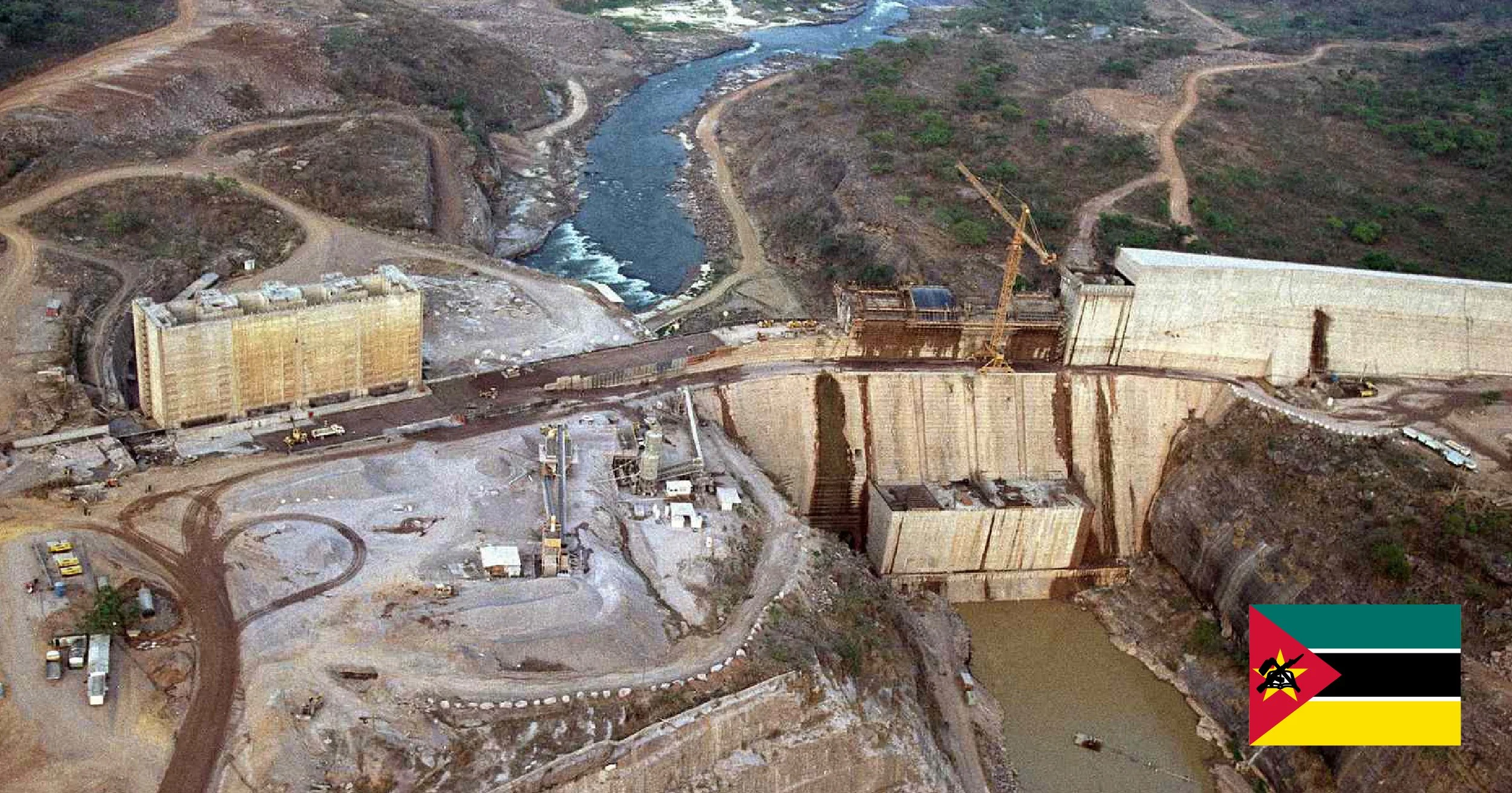
Photo Credit: MOZTIMES
Zambezi River, Mozambique | April 10, 2026 - Mozambique is advancing the $4.5 billion Mphanda Nkuwa Hydropower Project toward execution, with the African Development Bank Group playing a central role in structuring risk mitigation instruments and mobilising financing—marking a critical pivot from project development to bankability.
At a high-level technical workshop convened in Maputo on 5 February 2026, government officials, state utilities, and development finance institutions aligned on operationalising a credit enhancement framework centred on a proposed Partial Risk Guarantee (PRG). The objective: de-risk the project sufficiently to crowd in private capital while lowering the eventual cost of electricity.
“This workshop marks the shift from advisory to execution,” said Rômulo Corrêa, the Bank’s Country Manager, signalling a transition from transaction structuring to financing deployment.
From Strategic Partnering to Delayed Financial Close
The current financing push builds on groundwork laid in 2023, when the Government of Mozambique selected a consortium comprising EDF (40%), TotalEnergies (30%), and Sumitomo Corporation (30%) as a strategic partner for the 1,500 MW project.
The consortium subsequently entered into a joint development agreement with Electricidade de Moçambique (EDM), Hidroeléctrica de Cahora Bassa (HCB), and the Gabinete de Implementação do Projecto Hidroeléctrico de Mphanda Nkuwa (GMNK), alongside a framework agreement with the Ministry of Mineral Resources and Energy—establishing the commercial and institutional architecture for the project.
Under the agreed structure, the consortium holds a 70% stake, with Mozambican public entities retaining 30%.
While initial expectations pointed to financial close in 2024, the project has since pivoted toward a more deliberate sequencing of environmental, social, technical, and financing workstreams—reflecting both its scale and the complexity of risk allocation in frontier power markets.
De-Risking the Off-Taker and Unlocking Capital
At the centre of current negotiations is the proposed PRG facility, designed to backstop the payment obligations of Electricidade de Moçambique in its role as off-taker. By mitigating counterparty risk for international lenders, the instrument is expected to improve financing terms and unlock access to long-tenor capital.
The African Development Bank’s involvement—aligned with its ADF-17 mandate to “Unlock Capital at Scale”—is complemented by broader multilateral support, including the International Finance Corporation, which has been engaged alongside the Bank in supporting project preparation to international standards.
In parallel, concessional and grant funding is being positioned for transmission infrastructure required to evacuate power from the project site to domestic demand centres and export corridors.
Scale, System Impact, and Regional Trade
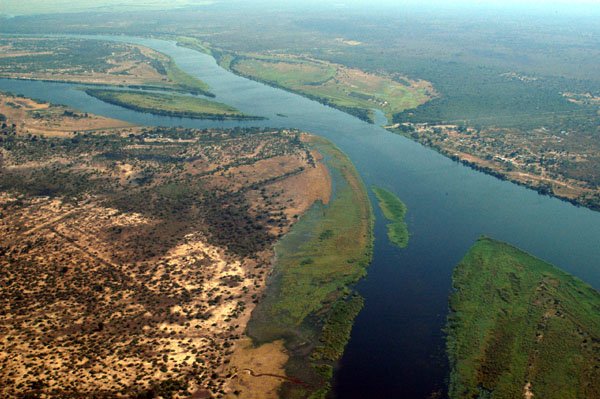
Planned on the Zambezi River, approximately 60 kilometres downstream of the Cahora Bassa dam and 60 kilometres from Tete City, Mphanda Nkuwa is expected to increase Mozambique’s installed generation capacity by more than 50% and supply electricity to over three million households.
Beyond domestic supply, the project is designed to function as a baseload generator feeding into regional electricity markets coordinated through the Southern African Power Pool (SAPP). This export orientation underpins its commercial viability, supporting potential hard currency revenues while contributing to regional decarbonisation through the expansion of renewable baseload capacity.
ESG Commitments and Emerging Fault Lines
Despite its strategic significance, the project continues to face scrutiny over its environmental and social footprint. Civil society groups and research organisations have raised concerns over the potential displacement of local communities along the Zambezi basin, as well as impacts on riverine ecosystems and downstream livelihoods.
Critics have also questioned whether cumulative impacts—particularly in a river system already regulated by existing infrastructure such as the Cahora Bassa dam—have been fully accounted for. These concerns have framed the project within a broader debate on the trade-offs between large-scale hydropower development and community and environmental safeguards in Africa.
Project sponsors have committed to adhering to the highest international environmental, social, and governance standards, with ongoing studies intended to refine mitigation strategies and stakeholder engagement processes ahead of implementation.
Crossing the Bankability Threshold
With risk mitigation instruments under active structuring and financing discussions gaining traction, Mphanda Nkuwa is approaching a critical inflexion point. The convergence of sovereign backing, multilateral de-risking, and private sector participation reflects a blended finance model increasingly seen as essential for delivering capital-intensive infrastructure in emerging markets.
Whether this framework translates into financial close will determine if Mozambique can unlock a project that has long been central to its ambitions for energy security, industrial expansion, and regional power integration—testing the limits of large-scale project delivery in Southern Africa.
