Brent Crude Surges Over 3% Amid Escalating Iran Protests and Geopolitical Tensions
Domestic instability, unrest and a historic currency collapse in Tehran has sent shockwaves far beyond Iran’s borders. Brent crude jumped more than 3% in a single session as escalating nationwide protests revived fears that political instability could threaten Iran’s oil exports, roughly 2% of global supply. While the world remains awash in crude, markets are once again paying a premium for geopolitical uncertainty, reminding traders that in oil, stability can evaporate overnight.
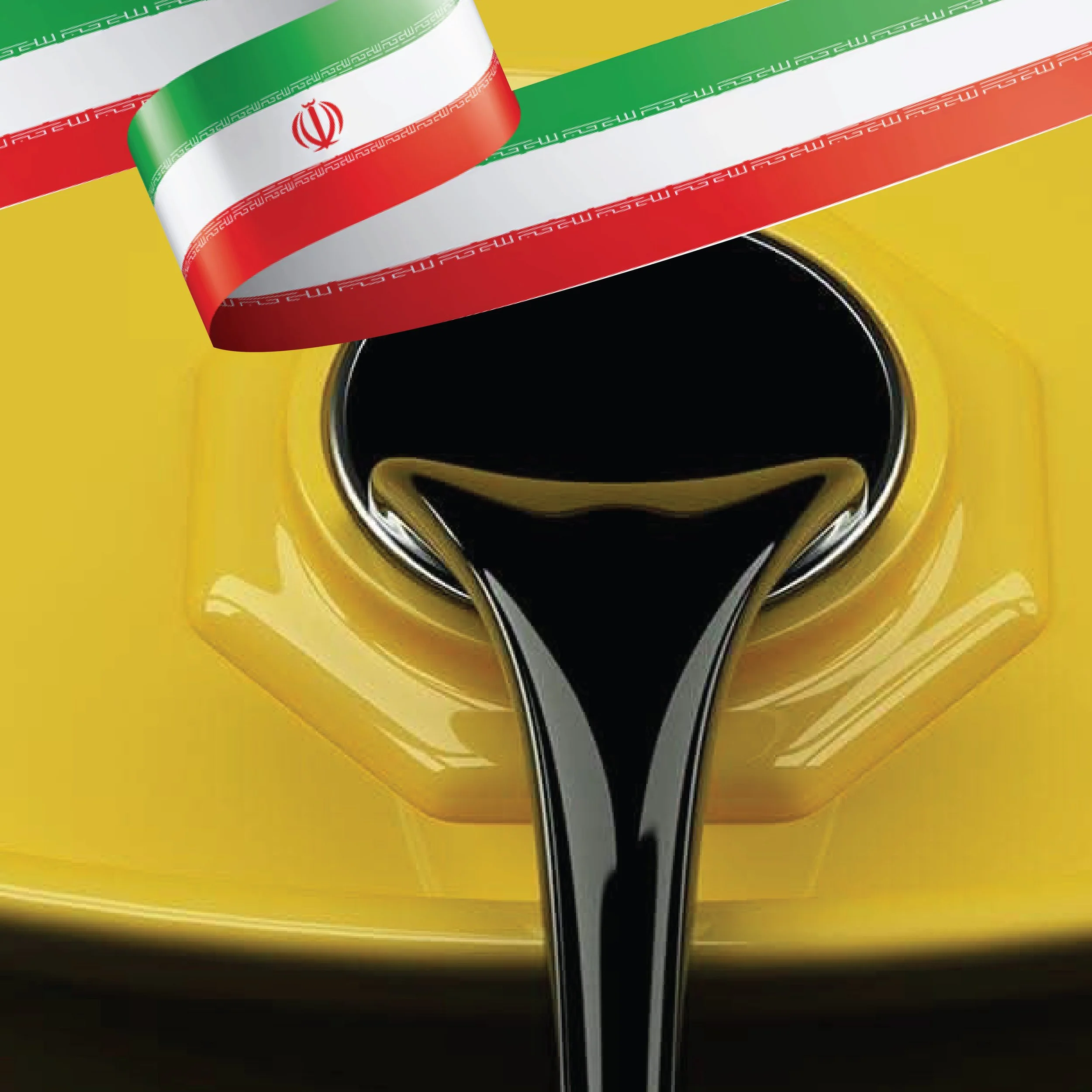
Tehran | January 9, 2025 - On January 8, 2026, Brent crude oil prices jumped more than 3%, settling at around $61.99 per barrel before extending gains into the following day, reaching approximately $62.82 in early Asian trading on January 9. This marked the largest single-session rise since October 2025, as traders rapidly priced in fresh supply disruption risks from Iran—one of OPEC's major producers—amid widespread anti-government protests sweeping the country.
The rally built on broader geopolitical uncertainty, including U.S. actions against Venezuela (such as tanker seizures and threats to control oil flows) and lingering concerns over Russian exports tied to the Ukraine conflict. However, Iran's unrest emerged as a key driver, with analysts warning that prolonged instability could threaten the country's roughly 1.5–2 million barrels per day in exports—equivalent to about 2% of global supply.
The Spark: Economic Collapse Ignites Nationwide Unrest
The protests began in late December 2025, triggered by the dramatic collapse of the Iranian rial. The currency plummeted to record lows, trading at around 1.4–1.47 million rials per USD on unofficial markets by early January 2026, having lost nearly half its value over the past year. Hyperinflation, hovering above 40%, has crushed purchasing power, driving up prices for essentials like food, fuel, and imports.
What started as merchant strikes and shop closures in Tehran's historic Grand Bazaar—a symbolic hub of Iran's economy—quickly spread to cities including Mashhad, Isfahan, Shiraz, Qom, Kermanshah, and even Kurdish regions like Ilam. Demonstrators, including students, workers, and bazaar traders, have shifted from economic grievances to overt anti-regime chants : "Death to Khamenei," calls for freedom, and support for exiled crown prince Reza Pahlavi.
By January 8–9, the unrest had intensified into the most significant challenge to the Islamic Republic since the 2022 Mahsa Amini protests. Clashes with security forces (including the IRGC and Basij) have resulted in dozens of deaths, with reports of tear gas, live fire, and fatalities on both sides. Authorities imposed a nationwide internet blackout to disrupt coordination, while state media warned of potential "casualties" and accused protesters of serving foreign interests.
Market Impact and Supply Fears
Traders are incorporating a significant risk premium into oil prices, fearing major disruptions at key fields and export terminals if nationwide strikes or violence escalate further. As Pavel Molchanov, an investment strategy analyst at Raymond James, recently noted, speaking to Reuters: "Iran has a long history of protests and there are no signs that the regime is on the verge of collapse. But depending on how the situation develops, Iran's oil exports—equivalent to 2 percent of global supply—could be at risk."
Despite this geopolitical uptick, price gains remain capped by a substantial global oversupply and rising inventories in major hubs. According to a Reuters survey of 34 economists and analysts, Brent crude is currently projected to average between $61.27 and $62.23 per barrel for 2026, with some bearish forecasts from the EIA even suggesting a dip toward $55 unless Middle Eastern tensions worsen dramatically.
Broader Context and Regime Response
President Masoud Pezeshkian has urged dialogue, warned against hoarding, and is rolling out subsidy reforms and salary increases, but critics view these as insufficient. Supreme Leader Ali Khamenei has vowed not to "yield to the enemy," directly addressing U.S. President Donald Trump's warnings of intervention if protesters are harmed.
The protests reflect deep-seated frustrations over sanctions, mismanagement, corruption, and falling oil revenues—Iran needs prices far higher than current levels to balance its budget. With diverse groups involved, including some clerics criticizing the regime, suppression grows challenging.
As the situation unfolds on January 9, 2026, markets remain on edge: short-term volatility from Iran's crisis could sustain oil's upward momentum, but a resolution—or escalation—will determine if this is a fleeting spike or the start of something larger.
